
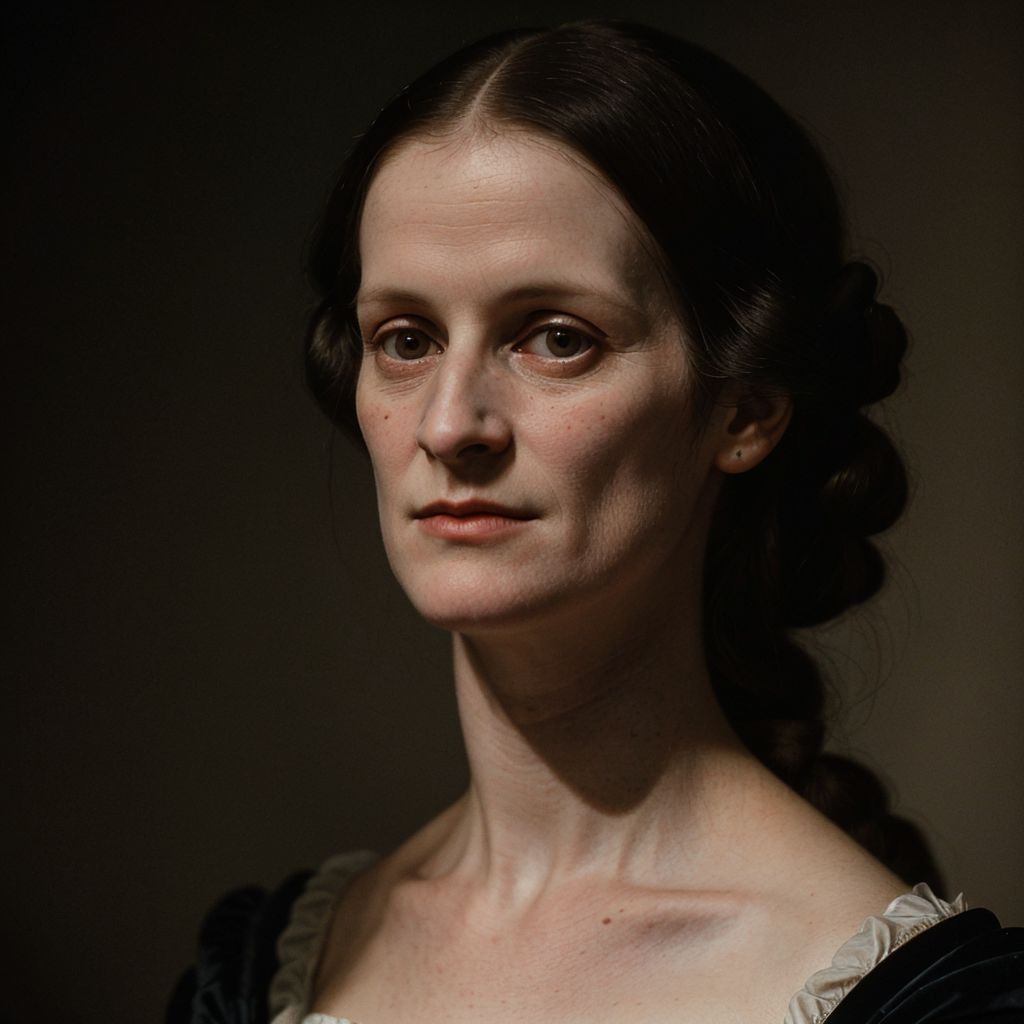
I’ve always been fascinated by Mary Shelley, but it’s not just her life story that draws me in – although the idea of writing a novel at 18 while traveling with your soon-to-be-ex-fiancé is enough to make anyone feel inadequate. It’s something more complex than that.
One thing I find intriguing is how much Mary Shelley struggled with the concept of authorship. She was a woman, after all, living in a society where women were often relegated to domestic roles and not expected to have opinions or create art. And yet, she managed to write Frankenstein, one of the most iconic works of Gothic literature ever penned.
I think what I find myself wondering is: did Mary Shelley truly own her creative output? Did she feel like it was hers to claim, or was it seen as a product of her husband’s influence and patronage? Percy Bysshe Shelley, after all, was a well-connected poet who helped launch her literary career. Their relationship was tumultuous, to say the least – but Mary often relied on his support.
This makes me uncomfortable. As someone who writes for myself, I try to own every word that flows from my fingers. The thought of having my work attributed to or influenced by someone else is daunting. But what if that’s exactly how it works? What if our creative identities are always tied to the people and experiences around us?
I think about Mary Shelley’s relationship with her father, William Godwin – a philosopher and writer who was both supportive and critical of her work. He encouraged her writing but also worried about its impact on her reputation as a woman. This dynamic feels familiar to me. My own parents were always proud when I talked about writing, but they’d sometimes make suggestions or ask pointed questions that left me feeling like I wasn’t good enough.
Maybe what draws me to Mary Shelley is the sense of dissonance between who she was expected to be and who she wanted to be. She was a woman in a man’s world, trying to carve out her own place as an artist – with all the societal pressures and expectations that came with it. I think about my own struggles to find my voice as a writer, and how often I’ve felt like I’m not doing enough or saying what I mean.
Mary Shelley’s writing is full of explorations on identity and creation, but also on failure and loss – two themes that resonate deeply with me. Her life was marked by hardship and tragedy, from the death of her first child to the struggles she faced as a writer in a male-dominated field. It makes me wonder: how do we navigate our own failures and disappointments when they feel so tied to who we are as artists? Do we keep pushing forward, or do we retreat into the comfort of what’s familiar?
I’m not sure I have any answers to these questions – just more questions, really. But writing about Mary Shelley helps me grapple with my own doubts and fears as a writer. It reminds me that even the most seemingly confident creatives are often struggling with their own demons. And maybe, just maybe, it’s okay if our creative identities are messy and complicated – because that’s exactly what makes us human.
As I delve deeper into Mary Shelley’s life and work, I find myself thinking about the ways in which she navigated her relationships with others while maintaining some semblance of control over her own creative output. Her marriage to Percy Bysshe Shelley was certainly tumultuous, but it also provided her with a level of financial security and literary support that allowed her to focus on writing.
But what if that’s not enough? What if the very things that help us create – our relationships, our experiences, our loved ones – are also the things that can suffocate us as artists? I think about how often my own friendships and romantic relationships have influenced my writing, sometimes in ways that feel stifling or limiting. My friends will say something and I’ll be like “oh, that’s such a great idea for a story!” only to realize later that it’s not really my idea at all.
It’s as if we’re constantly negotiating the boundaries between our own creative identities and the people and experiences that shape us. And what happens when those boundaries get blurred? When do I start writing about someone else’s life, or their feelings, or their opinions? Is it still mine to claim?
Mary Shelley’s novel Frankenstein is full of characters who are struggling with identity and creation – from Victor Frankenstein’s obsessive pursuit of knowledge to the creature itself, who embodies the fears and anxieties of his creator. But what about Mary herself? What was she trying to say through her writing, beyond just telling a good story?
I think about how often I’ve written things that feel like they’re coming from someone else – my parents, my friends, even myself in different moments or contexts. It’s as if I’m channeling these external voices and experiences into my writing, but what does that say about the nature of creativity itself? Is it truly mine to own, or is it always already a product of something outside of me?
These questions swirl around in my head like a vortex, drawing me deeper and deeper into the complexities of Mary Shelley’s life and work. And yet, as I write about her, I start to feel a sense of liberation – a recognition that even our most confounding doubts and fears are just part of the creative process itself. Maybe that’s what makes writing so alluring: not the promise of perfect expression or clear answers, but the messy, complicated uncertainty of it all.
As I ponder the intricacies of Mary Shelley’s life and work, I find myself thinking about the ways in which she used her writing as a means of self-discovery. Her novel Frankenstein is often seen as a reflection of her own fears and anxieties about motherhood, love, and the human condition. But what about her non-fiction writings? How did she use those to navigate her own identity and place within the world?
I’ve been reading through her letters and essays, and I’m struck by how much they reveal about her inner life. She writes about her relationships with her family members, her friends, and her lovers – often in a way that’s both intimate and detached. It’s as if she’s trying to make sense of herself and her place within the world, using language as a means of exploration.
I think about how I’ve always used writing as a way to process my own emotions and experiences. When I’m feeling lost or uncertain, I turn to my journal or a piece of creative writing. It’s like a therapy session for me – one that helps me sort through my thoughts and feelings in a way that feels both cathartic and clarifying.
But what if that’s not just about me? What if Mary Shelley was doing the same thing with her writing, using it as a way to make sense of herself and her world? It makes me wonder: how do we distinguish between personal expression and external influence when it comes to our creative output?
I think back to my own relationships – how they’ve influenced my writing in ways both subtle and overt. There’s the friend who inspired a character, the family member whose story I drew from, or the lover who sparked a new idea. But what about the moments when those influences felt stifling or limiting? When did I start writing about someone else’s life, or their feelings, or their opinions?
Mary Shelley’s relationship with Percy Bysshe Shelley was certainly complicated – but it also provided her with a level of financial security and literary support that allowed her to focus on writing. But what if that came at the cost of her own creative freedom? What if she felt like she was always trying to live up to his expectations, rather than forging her own path as an artist?
These are the questions that swirl around in my head as I continue to read about Mary Shelley’s life and work. She may have written one of the most iconic novels in Gothic literature, but it’s her own struggles with identity, creation, and relationships that resonate so deeply with me. And maybe, just maybe, that’s what makes writing so alluring – not the promise of perfect expression or clear answers, but the messy, complicated uncertainty of it all.
As I delve deeper into Mary Shelley’s life and work, I’m struck by the parallels between her struggles with creative ownership and my own fears about being influenced by others. It’s as if we’re both navigating a delicate balance between external influences and internal authenticity.
I think back to my own writing group, where we often share our work and offer feedback to one another. While it can be helpful to get outside perspectives, I’ve also found myself feeling stifled or limited by the suggestions of others. It’s like they’re trying to shape me into something I’m not, rather than letting me find my own voice.
Mary Shelley’s relationship with her husband Percy Bysshe Shelley is a perfect example of this tension. While he was a supportive and influential partner in her writing career, she also felt suffocated by his expectations and criticism. It’s as if they were both caught up in a dance of creative partnership and personal compromise.
I wonder: can we ever truly separate our own creative identities from the influences around us? Or are we always somehow entwined with the people and experiences that shape us? Mary Shelley’s writing suggests that even our most seemingly autonomous creations are, in fact, products of their time and context. And yet, as artists, don’t we crave a sense of control over our own work?
I think about my own struggles to find my voice as a writer. I’ve always felt like I’m chasing after something elusive – a unique perspective or style that’s mine alone. But what if that’s an impossible goal? What if my writing is always already influenced by the people and experiences around me, even when I don’t realize it?
Mary Shelley’s novel Frankenstein is full of explorations on identity and creation, but also on failure and loss – two themes that resonate deeply with me. Her life was marked by hardship and tragedy, from the death of her first child to the struggles she faced as a writer in a male-dominated field. It makes me wonder: how do we navigate our own failures and disappointments when they feel so tied to who we are as artists?
As I continue to read about Mary Shelley’s life and work, I’m struck by the way she uses her writing to explore these very questions. Her novel is full of characters who are struggling with identity and creation – from Victor Frankenstein’s obsessive pursuit of knowledge to the creature itself, who embodies the fears and anxieties of his creator. But what about Mary herself? What was she trying to say through her writing, beyond just telling a good story?
I think back to my own writing process, where I often feel like I’m channeling external voices and experiences into my work. It’s as if I’m tapping into some deeper wellspring of creativity that’s both inside and outside of me at the same time. But what does that say about the nature of creativity itself? Is it truly mine to own, or is it always already a product of something outside of me?
These questions swirl around in my head like a vortex, drawing me deeper and deeper into the complexities of Mary Shelley’s life and work. And yet, as I write about her, I start to feel a sense of liberation – a recognition that even our most confounding doubts and fears are just part of the creative process itself. Maybe that’s what makes writing so alluring: not the promise of perfect expression or clear answers, but the messy, complicated uncertainty of it all.