


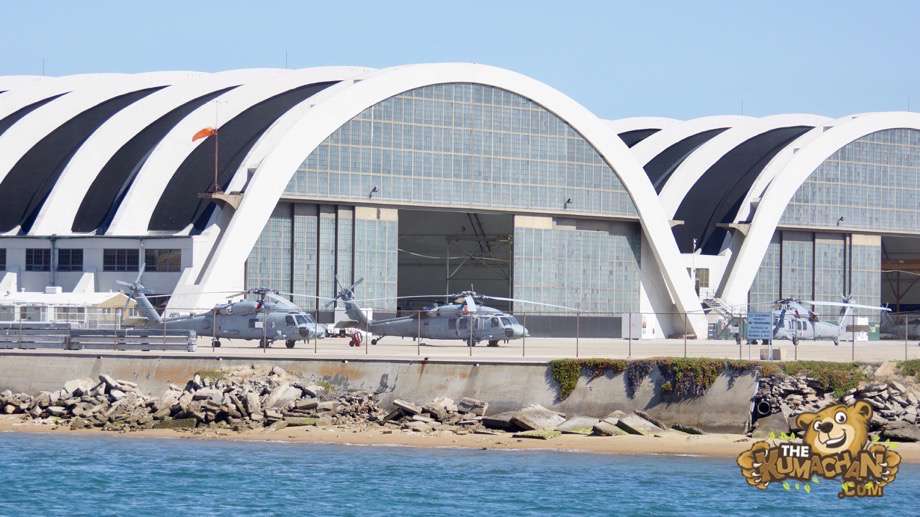


The boat cut slowly across the calm blue waters of San Diego Bay, its wake tracing pale ripples that glimmered under the late-morning sun. The air smelled of salt and diesel and faintly of kelp — that familiar perfume of the Pacific. Ahead, the skyline of downtown San Diego stood like a jagged reflection of glass and steel, but my eyes were drawn instead toward the expanse of Coronado. As we neared the northern tip of the island, a collection of massive hangars and long, flat runways came into view. Naval Air Station North Island — the birthplace of naval aviation.
It’s a place I’d heard about for years, but seeing it from the water was something entirely different. There was no fence between me and the sight this time, no sense of being an outsider peering through a gate. Just open sea and open sky, and the quiet, steady rhythm of the boat’s motor beneath my feet.
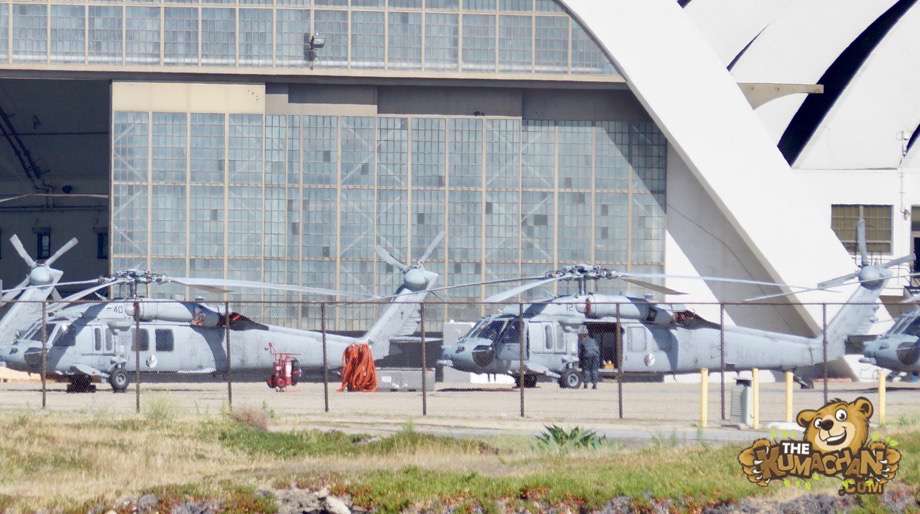
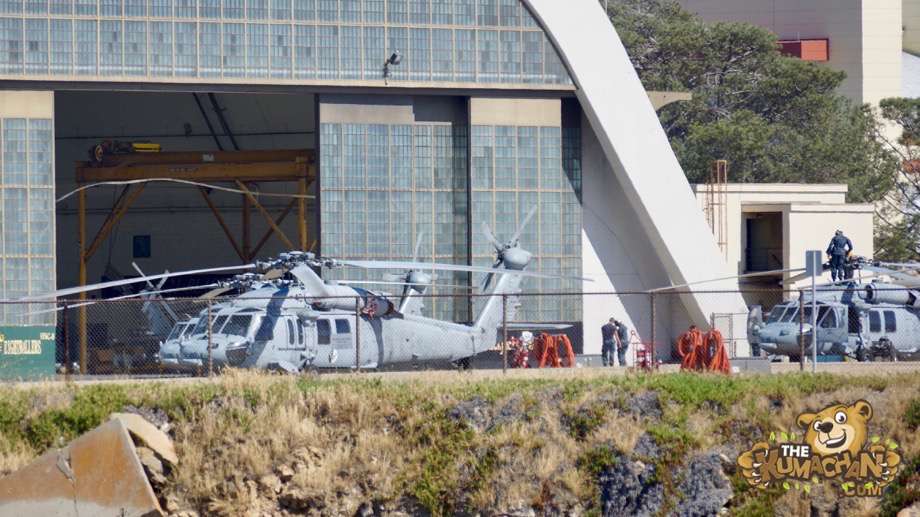
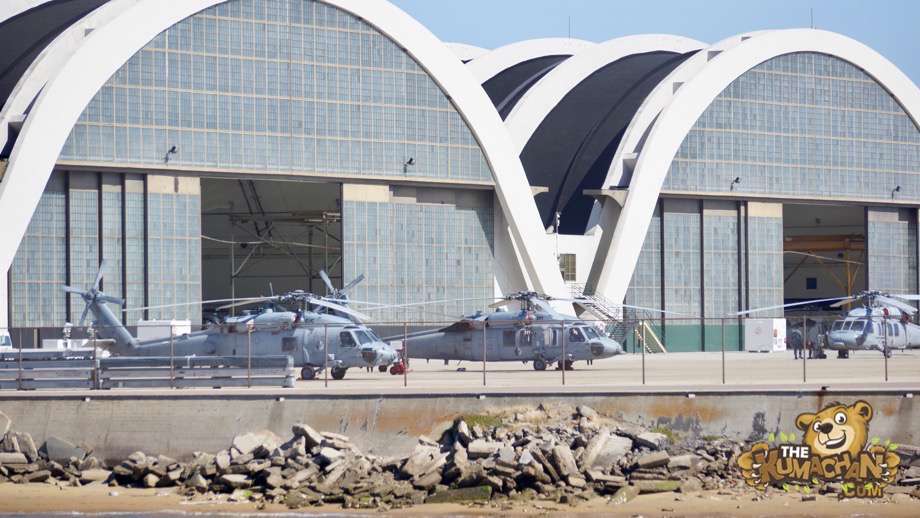
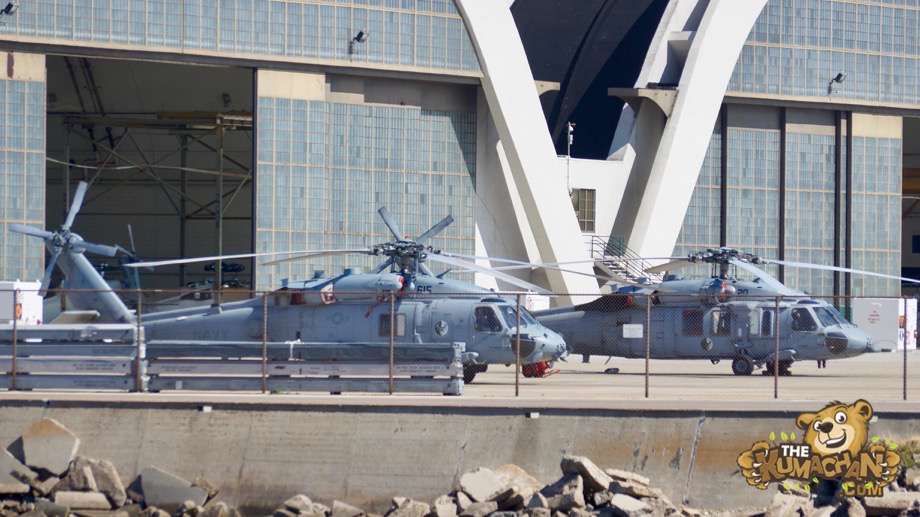
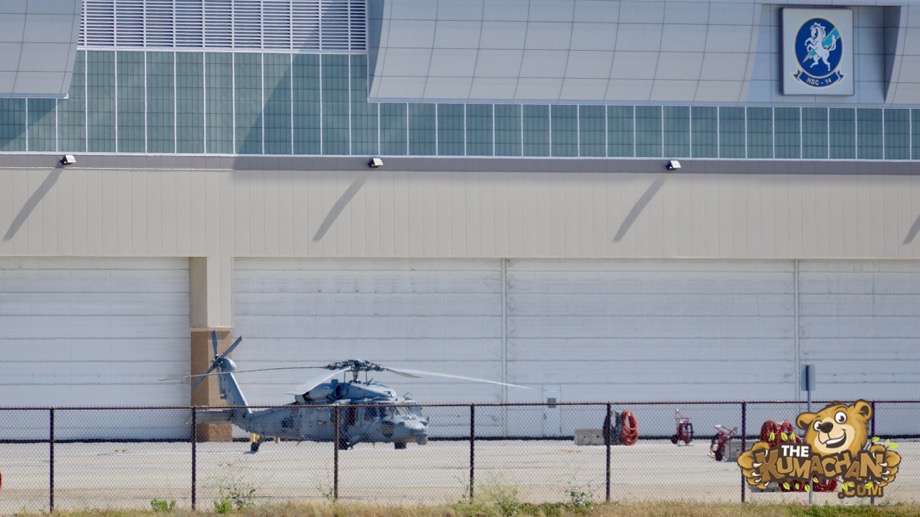
As we passed closer, the hum of distant machinery carried faintly over the water. On the flight line, rows of Navy helicopters sat gleaming under the sun — their rotors still, their matte gray bodies marked with numbers and insignias that caught the light like silver scars. Even from the distance of the bay, they seemed alive. A few figures moved around them, mechanics in tan coveralls and cranials — small, precise motions that hinted at the immense complexity behind each of those machines.
It’s hard to describe the feeling that moment brought. From the deck of the boat, the world seemed peaceful — the sea calm, the wind gentle — and yet there was something quietly electric about that view. Those helicopters, even resting, carried an aura of readiness. You could almost feel the stored energy within them, as if they were holding their breath, waiting for the next mission call that would send them roaring into the sky.
Someone on the boat pointed and said, “Those are the birds the SEALs use.” I nodded, though I already suspected as much. The MH-60s lined up on the tarmac weren’t just any helicopters — they were purpose-built for operations that most of us will never fully understand. Seeing them there, so close, I couldn’t help but imagine where they’d been. Maybe some had flown over the mountains of Afghanistan, or skimmed the surface of black water in the dead of night. Maybe one had carried men who’d rescued hostages, intercepted smugglers, or carried out operations that would never be acknowledged publicly.
It’s a humbling thing to realize that some of the quietest, most unassuming corners of the world — like this sunny stretch of California coast — serve as the launching points for acts of courage that echo globally.
The boat drifted slightly as the captain throttled down, giving us a slower, closer pass. The sound of gulls mingled with the distant whir of an engine test somewhere on the base. Every now and then, a flash of movement caught my eye — a helicopter door sliding open, a technician crouched beneath a rotor head, a spark of light as someone welded or tightened something with a tool. It was the language of readiness, spoken without words.
I found myself wondering what it must feel like to be part of that rhythm — to work there, to live in a world where every sound, every task, every routine moment connects somehow to something far larger. Maybe one of those aircraft was being prepped for a training run with the Navy SEALs. Maybe it would later deliver supplies to a carrier or perform a rescue off the coast. The possibilities were endless, and the thought filled me with a mix of curiosity and admiration.
Could one of those be the same type of helicopter that carried SEAL Team 6 to Abbottabad to find Osama bin Laden? The question surfaced almost involuntarily, born of the quiet awe that the sight inspired. I remembered watching the news that night in 2011 — the world learning of a mission completed flawlessly, of justice carried out in the shadows. It felt surreal to think that the machines responsible for such history might now be resting just yards away, their engines silent, their crews going about another ordinary day on base.
The waves rocked the boat gently as I leaned against the railing, trying to imagine those same aircraft in motion — rotors spinning, engines screaming, shadows streaking across moonlit terrain. In those moments, I felt both small and connected — aware of how vast the machinery of defense truly is, and how it stretches quietly beyond the horizon of civilian life.
From this vantage, North Island looked like a living paradox. On one side of the base, sailors and pilots worked methodically around aircraft capable of both destruction and salvation. On the other, beachgoers strolled along Coronado’s golden sand, kids building castles just a mile away from machines built for war. The contrast was stunning — and deeply human.
As we continued along the shoreline, the boat angled closer. I could see the insignia of the “Eightballers” and “Seahawks” squadrons painted proudly on the helicopters. These weren’t just machines; they were extensions of a tradition more than a century old. North Island has been home to naval aviation since 1911 — when men like Glenn Curtiss and Eugene Ely were experimenting with the impossible dream of landing airplanes on ships. From those fragile beginnings of fabric and wood came generations of aviators who took to the sky from carriers that today roam the world’s oceans.
During World War II, this very base became a lifeline for the Pacific fleet. Thousands of pilots trained here before heading into the uncertainty of combat. They practiced takeoffs and landings on makeshift carrier decks, rehearsing maneuvers that would mean the difference between life and death. Many never returned, but their legacy lived on — etched into the DNA of every aviator who passed through North Island after them.
As I watched the modern descendants of those aircraft — sleek, gray, and bristling with technology — I realized that the spirit of those early pilots still lingered here. You could feel it in the stillness of the airfield, in the way every movement seemed deliberate, disciplined, focused.
A helicopter engine started up in the distance, and that familiar, bone-deep sound rolled across the water like thunder. The rotor blades began to move, slow at first, then faster, until they blurred into a shimmering halo. The reflection of the spinning blades danced across the bay, fractured by the ripples from our boat. I felt the vibration before I even heard the full roar — a physical presence, the sound of power awakening.
Watching it lift was mesmerizing. The downdraft scattered a plume of dust and sea mist, and for a heartbeat, it seemed suspended — weightless, almost graceful. Then, with a tilt of its nose and a surge of thrust, it climbed toward the open Pacific, disappearing into the glare of sunlight.
Everyone on the boat fell silent. There’s a kind of reverence that moments like that inspire — not just for the machine, but for the people behind it. Somewhere inside that helicopter, a crew was focused entirely on the task at hand, trusting each other completely, trained for every contingency. It’s a trust born from countless hours of maintenance, coordination, and shared discipline.
I thought of the sailors on the ground — the mechanics tightening bolts, the officers running checklists, the fuelers working in the heat to make sure that everything functions perfectly. Their work rarely gets celebrated, yet without them, nothing flies. There’s a quiet nobility in that — the understanding that heroism doesn’t always happen in a flash of glory; sometimes it’s in the repetitive, meticulous care that keeps others alive.
The boat began to pick up speed again, and the base started to fade from view. From this distance, the helicopters looked almost like toys lined neatly on a shelf. But I knew better now. Each one represented an enormous web of effort — designers, engineers, pilots, families, and centuries of collective innovation all converging into a single moment of flight.
As we glided toward the open bay, I looked back over my shoulder one last time. The sun was beginning its descent toward the horizon, casting the entire base in warm, golden light. The hangars glowed faintly, and the sea mirrored the sky in molten hues. For a brief second, everything looked peaceful, almost poetic — a place of calm that existed precisely because of the vigilance that never rested there.
I thought about the men and women who call North Island home — not just the elite SEALs or the pilots, but everyone who keeps the gears turning quietly behind the scenes. Their lives are bound to that flight line, to those helicopters, to missions that will never make headlines. And as the boat rocked gently under my feet, I felt a deep sense of gratitude — not the loud kind, but the kind that settles in your chest and stays there.
It struck me that freedom isn’t always about grand gestures or dramatic battles. Sometimes, it’s about maintenance logs, flight checks, readiness drills — about ordinary people doing extraordinary things so the rest of us can drift peacefully through the bay, enjoying the sunshine without fear.
The last image I saw as we turned back toward port was a helicopter hovering just above the runway, its silhouette framed perfectly by the fading light. It looked timeless — part machine, part myth, suspended between sky and sea. And in that moment, I realized something simple but profound: there are few sights more powerful than peace sustained by quiet vigilance.
As the shoreline of San Diego drew closer and the hum of the base faded behind me, I felt the kind of respect that words can barely hold. The people on that island — the pilots, the crew, the dreamers who built it all — were carrying the weight of a legacy that stretches far beyond any one mission or one lifetime.
And as our boat sliced gently through the golden reflection of the setting sun, I knew I’d remember that view — those helicopters resting on the edge of the Pacific, waiting, ready — as one of the most quietly powerful scenes I had ever witnessed.