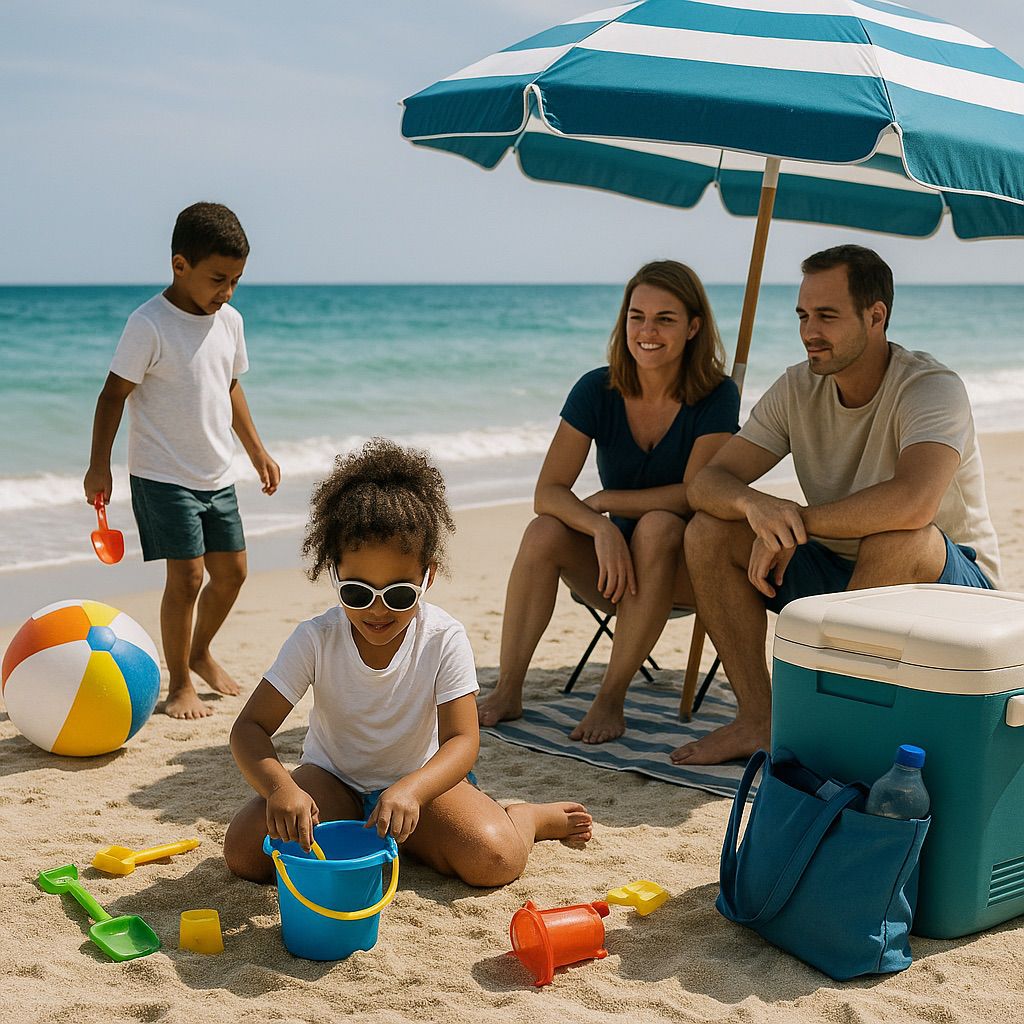
There is nothing quite like a beach day. The anticipation begins before you even get there — the smell of sunscreen in the air, the cooler packed with drinks and snacks, the towels rolled tightly in a bag, the excitement of kids who can’t wait to run into the waves. The beach is freedom, a place where time slows down, worries fade, and everything is reduced to sun, sand, and sea. But for all its joy, the beach is also a place where safety matters more than we often think. Beneath the carefree laughter and golden skies, there are risks that can turn a perfect day into a nightmare if we don’t pay attention. That’s why keeping everyone safe on a beach day is not about being paranoid — it’s about being prepared, about creating the conditions where relaxation can actually flourish because the essentials are covered. Safety is not a burden; it’s the foundation of a day everyone will remember for the right reasons.
The first and most important factor of beach safety is the ocean itself. The water is magnetic — it calls to children and adults alike, shimmering under the sun, whispering promises of cool relief. But the ocean is also powerful, unpredictable, and deserving of respect. Rip currents are among the greatest hidden dangers. They are fast-moving channels of water that can sweep even strong swimmers away from shore in seconds. Many people panic when caught, exhausting themselves by fighting directly against the current. The safer strategy is to stay calm, conserve energy, and swim parallel to the shore until you are free from the current’s grip, then make your way back in at an angle. Teaching children — and even reminding adults — about rip currents before anyone enters the water can make the difference between life and tragedy. The rule is simple: the ocean is beautiful, but never underestimate it.
Supervision is another non-negotiable. A beach is not like a backyard pool where the water is contained and controlled. At the beach, waves crash unpredictably, sandbars shift under your feet, and the sheer expanse makes it easy to lose sight of people, especially kids. Having a designated “water watcher” in your group ensures that someone is always paying attention when children or weaker swimmers are in the surf. Rotating this responsibility keeps it fair, but the key is that the job is focused — no phones, no distractions, just eyes on the water. This simple system has saved countless lives. It doesn’t matter how good a swimmer someone is; all it takes is one strong wave, one sudden cramp, one slip beneath the surface. The ocean demands vigilance.
Of course, not all dangers come from the sea. The sun itself can be merciless, and while a sunburn may not seem like a life-threatening issue, the truth is that overexposure to UV rays can cause heatstroke, dehydration, and long-term damage to skin. Sunscreen is the obvious defense, but too many people treat it like an afterthought, applying a quick layer once and forgetting about it. The truth is sunscreen should be applied generously, thirty minutes before sun exposure, and reapplied every two hours, or immediately after swimming or sweating. Wide-brimmed hats, sunglasses, and UV-protective clothing add extra layers of defense. Shade is not optional — whether from an umbrella, a tent, or a natural spot, having a retreat from direct sun can mean the difference between a joyful afternoon and a miserable evening spent with chills and blisters.
Hydration ties directly into sun safety. The combination of heat, activity, and salt air can dehydrate the body faster than we realize. Sodas and cocktails may be fun, but nothing replaces water. Bringing a cooler stocked with cold water bottles and encouraging everyone — especially kids — to drink regularly keeps energy up and prevents dizziness, fatigue, or worse. Pairing hydration with snacks like fresh fruit provides not only relief but also fuel for all the running, swimming, and building of sandcastles that a beach day demands.
Then there are the hazards we don’t think about until they happen — stepping on a sharp shell or piece of glass hidden in the sand, jellyfish stings, or scraped knees from playing near rocks. A small first aid kit can be a quiet hero on a beach trip. Bandages, antiseptic wipes, tweezers, and even vinegar or baking soda (depending on the type of jellyfish common in the area) can turn a crisis into a minor inconvenience. It’s not about anticipating disaster; it’s about giving yourself the power to respond quickly and confidently if something arises.
Swimming zones and lifeguards exist for a reason, and choosing a beach with lifeguards on duty is always the safer option. Lifeguards are trained to spot trouble before it becomes obvious — they can see a struggling swimmer long before a casual observer would notice. Respecting their warnings, flags, and instructions is non-negotiable. If a flag indicates dangerous conditions, trust it. No photo, no thrill, no swim is worth risking your life or the lives of those you love.
One of the most overlooked safety aspects of a beach day is the buddy system. It seems simple, almost childish, but it works. Nobody, no matter how confident, should swim alone. Having someone with you means that if something goes wrong — a cramp, sudden fatigue, or getting caught in a current — there is someone right there to help or call for help. Even experienced swimmers, even athletes, can be humbled by the power of the sea. Pairing up is one of the easiest, most effective ways to add a layer of security.
Parents, especially, face the challenge of balancing freedom with safety. Children see the beach as an endless playground, and in many ways it is, but they also need boundaries. Setting clear rules before arriving — where they can and cannot go, how far into the water they are allowed, and who they must stay near — provides structure without dampening fun. Bright swimsuits for kids make them easier to spot in crowds, and teaching them simple hand signals or whistles for attention can bridge the gap when voices get lost in the roar of the surf.
And then there is the social aspect of safety. Beaches are public spaces, and as such, awareness of your surroundings matters. Keeping an eye on belongings, choosing a well-populated but not overcrowded area, and respecting the space of others contributes to an atmosphere where everyone feels secure. A little courtesy goes a long way — picking up trash, avoiding reckless games near other beachgoers, and being mindful of noise or smoke helps maintain a safe and welcoming environment for all.
But the most powerful aspect of keeping everyone safe on a beach day is mindset. It is about recognizing that safety is not the opposite of fun, but the foundation of it. The child who knows someone is watching can play more freely. The swimmer who understands rip currents can enjoy the waves with confidence rather than fear. The adult who reapplies sunscreen and drinks water will have the energy to make memories well into the evening rather than retreating with sunstroke. Safety is the unseen lifeguard in every joyful photograph, the quiet force that makes the laughter possible.
What people remember about a beach day is not the sunscreen routine, the rotation of water-watchers, or the bag of bandages tucked discreetly in a tote. What they remember is the way the water felt as they dove under a wave, the taste of watermelon on a towel, the warmth of the sun as they dozed under an umbrella, the sandcastle that somehow survived until sunset, the bonfire laughter that stretched into the night. Safety doesn’t erase spontaneity. It protects it. It ensures that when the day is done, and everyone is packing up salty towels and sandy feet, the memories are golden, not scarred by regret.
The truth is that beaches have always been places of both beauty and danger. Sailors feared them, poets worshiped them, families flock to them. To love the beach is to love both its serenity and its wildness. And to honor that love is to approach it with respect. When we take the steps to keep everyone safe — to watch, to prepare, to hydrate, to shade, to listen to the sea and to each other — we are not limiting the magic of the beach. We are amplifying it. Because nothing is more magical than freedom without fear, laughter without worry, joy without interruption.
So the next time you pack the car, load up the cooler, shake out the towels, and head to the shore, remember that safety is the most essential thing you bring. It is what allows you to run barefoot across the sand without hesitation, to float in the surf without fear, to let children play with abandon, to close your eyes under the sun and truly relax. Safety is not a list of rules — it is the invisible gift you give to everyone you love, the one that says, “Go ahead. Dive in. The day is yours.”