Month: August 2023

Sun Tzu: The Art of War and its Enduring Influence

Dave

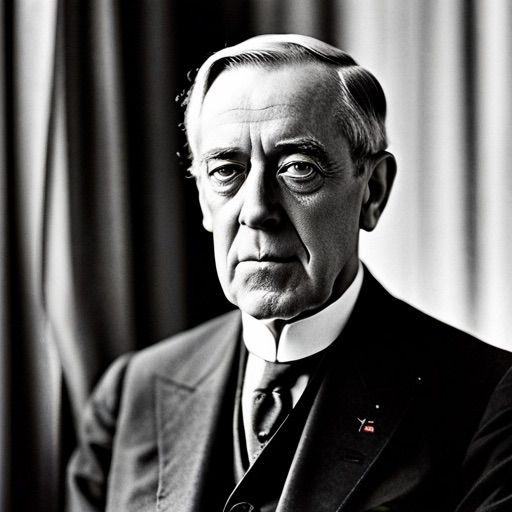
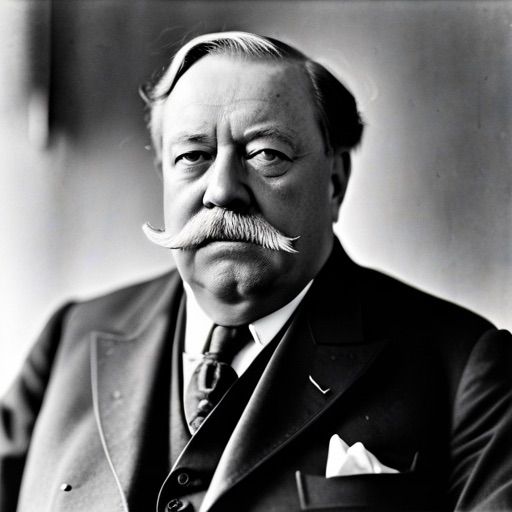
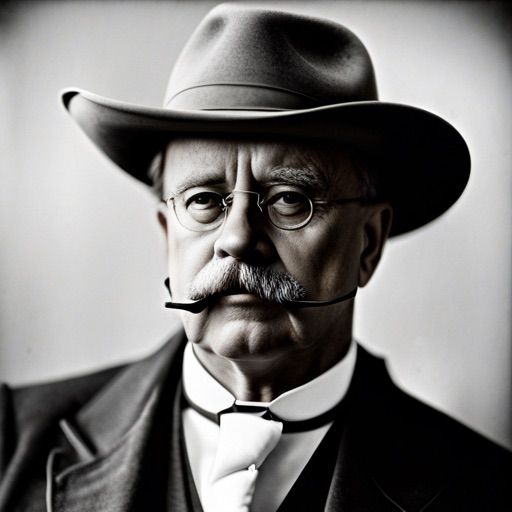
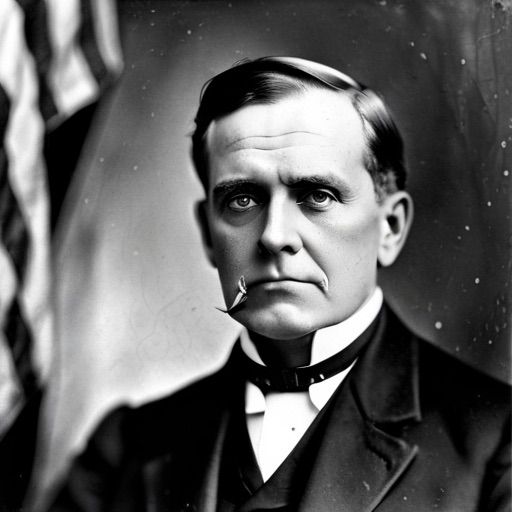
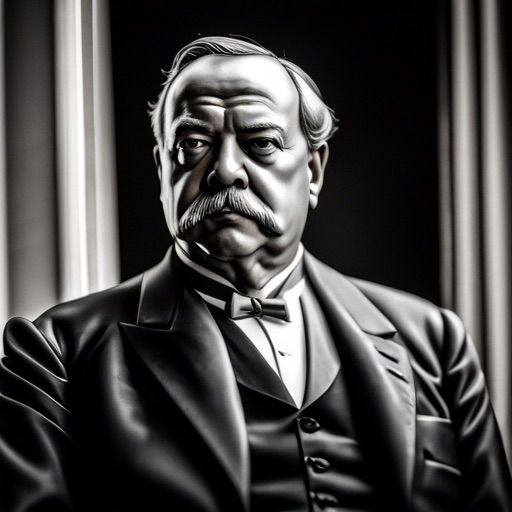
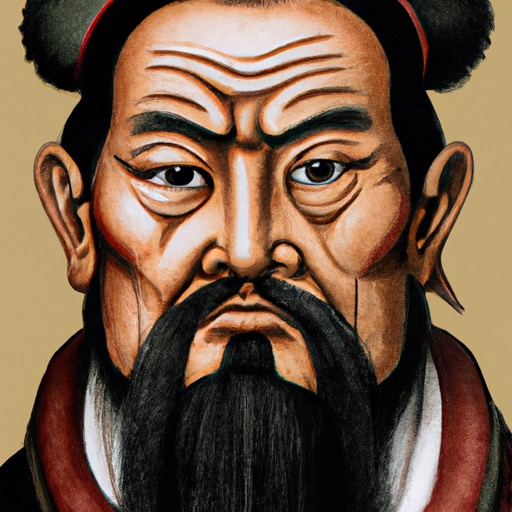
Photo realistic high definition image of Sun Tzu, a renowned Chinese general, military strategist, and philosopher
Sun Tzu, a renowned Chinese general, military strategist, and philosopher, lived during the Eastern Zhou period. His masterpiece, “The Art of War,” has achieved profound recognition as one of history’s most influential military treatises. Beyond its military applications, Sun Tzu’s philosophy emphasizes the significance of strategy, deception, and adaptability. This paper explores the key principles outlined in “The Art of War,” their broad impact, and the enduring legacy of Sun Tzu’s teachings in various domains.

1. Sun Tzu: The General, Strategist, and Philosopher:
Briefly introduce Sun Tzu as a Chinese figure from the Eastern Zhou period.
Highlight his status as a general, military strategist, and philosopher.
Emphasize the timelessness of his ideas and their relevance across disciplines.
2. “The Art of War”: A Classic and Influential Work:
Describe “The Art of War” as a renowned and influential book.
Explain its significance beyond military circles, extending to business, politics, and sports.
Discuss the book’s structure, comprising 13 chapters addressing different aspects of warfare, leadership, and strategic planning.
3. Key Principles from “The Art of War”:
a) Knowing Oneself and the Enemy:
Elaborate on the importance of self-assessment and understanding the strengths and weaknesses of both sides.
Highlight the role of this knowledge in effective decision-making.
b) Strategy and Planning:
Discuss Sun Tzu’s emphasis on meticulous planning and strategic thinking.
Explain how victory can be achieved by exploiting weaknesses, creating advantages, and minimizing risks.
c) Deception and Misdirection:
Explore Sun Tzu’s advocacy for the use of deception and illusion to confuse and mislead opponents.
Provide examples of tactics such as feigning weakness and gathering intelligence through spies.
d) Adaptability and Flexibility:
Emphasize the importance of adaptability and flexibility in response to changing circumstances.
Discuss how successful commanders adjust their strategies and tactics accordingly.
e) Leadership and Command:
Highlight the significance of strong leadership, clear communication, and effective command structures.
Discuss the role of trust and loyalty in inspiring troops.
f) Terrain and Timing:
Explain Sun Tzu’s consideration of terrain and timing as crucial factors in warfare.
Discuss the impact of understanding geographical and environmental conditions.
g) Winning Without Battle:
Explore Sun Tzu’s argument for achieving victory without engaging in direct conflict.
Discuss diplomatic means, alliances, and psychological warfare as methods of undermining the enemy’s will to fight.
4. The Enduring Influence of Sun Tzu:
Reflect on the broader impact of “The Art of War” beyond military contexts.
Discuss its application and relevance in business, politics, and sports.
Highlight the enduring popularity and study of Sun Tzu’s teachings in contemporary society.

Conclusion:
Sun Tzu’s “The Art of War” stands as a testament to the timeless wisdom of strategy, deception, and adaptability. His teachings, rooted in ancient warfare, continue to inspire and guide individuals in diverse fields. Sun Tzu’s emphasis on understanding oneself and the enemy, meticulous planning, and flexibility resonates with the quest for success and excellence in various domains. As we navigate the complexities of the modern world, Sun Tzu’s profound insights remain invaluable for those seeking strategic advantage and effective leadership.

Related Posts

Strategies for Reducing America’s National Debt

Dave


America’s debt is a ticking time bomb that needs immediate attention. It’s a complex issue that requires a comprehensive solution. Although there are a few approaches to reduce the trillions of dollars of debt, each comes with its own set of challenges.

One approach is to reduce spending. The government can consider cutting back on discretionary spending such as defense spending or foreign aid. However, this can be a politically sensitive task. It requires the political will to make tough decisions and the willingness to face the consequences.

Another approach is to increase revenue. This can be done by raising taxes or expanding the tax base. However, this can be met with resistance from the public as it can discourage investment and economic growth.

Alternatively, the government can focus on economic growth. By investing in infrastructure, education, and technology, the government can increase economic output. This will generate more revenue and reduce the debt burden. However, this approach requires careful planning and a long-term commitment to see results.

Lastly, the government can consider restructuring the debt. This can involve refinancing or renegotiating the terms of the debt. However, this approach can have negative consequences such as a reduction in credit rating.

In conclusion, the issue of America’s debt requires a combination of these approaches to be addressed. It will require political will, careful planning, and a willingness to make tough decisions. The clock is ticking, and it’s time to act before it’s too late.

Related Posts

Woodrow Wilson was Known for his efforts to Promote Peace and Democracy

Dave

a man wearing glasses posing for the camera
Woodrow Wilson, the 28th President of the United States, was a man of great conviction and vision. Serving in office from 1913 to 1921, he left an indelible mark on American history with his unwavering commitment to promoting peace and democracy worldwide.

During his presidency, Wilson ushered in a wave of domestic and foreign policy achievements that still reverberate today. He established the Federal Reserve System, created the Federal Trade Commission, and passed the Clayton Antitrust Act. Furthermore, he was a champion of women’s rights, instrumental in the passage of the 19th Amendment which gave women the right to vote.

Wilson’s foreign policy was characterized by his passionate belief in democracy and self-determination. He was a key figure in the establishment of the League of Nations, an international organization aimed at preventing future wars and promoting cooperation among nations. Though the United States did not ultimately join the League, Wilson’s vision for a more peaceful world order continues to inspire international efforts to this day.

However, Wilson’s legacy is not without controversy. He oversaw the segregation of federal agencies and the military during his presidency, and his handling of the First World War and the rise of fascism in Europe faced criticism. Despite these shortcomings, Wilson’s contributions to the country and the world are still studied and debated, making him a significant figure in American history.

Related Posts

William Howard Taft was Dedicated to the Rule of Law

Dave

a man wearing a suit and tie

William Howard Taft, the 27th President of the United States, was a man of many talents. His legal expertise and dedication to the rule of law were evident throughout his career, and he served as a judge, Solicitor General, and Secretary of War under President Theodore Roosevelt before assuming the presidency himself in 1909.

Taft’s presidency was marked by his focus on trust-busting, conservation, and foreign policy. He continued many of the policies of his predecessor, Theodore Roosevelt, including enforcing the Sherman Antitrust Act and expanding national parks and forests. But Taft was also a trailblazer, introducing the 16th Amendment, which established a federal income tax.

One of Taft’s most notable achievements on the world stage was negotiating the Knox–Porter Resolution, which officially ended the Russo-Japanese War. He also established the Dollar Diplomacy policy, which aimed to promote American business interests abroad by providing financial support to countries in need.

Despite these successes, Taft’s presidency was not without controversy. He faced criticism from both progressive and conservative factions within his own party, and his relationship with Roosevelt became strained. But Taft remained committed to the rule of law and his contributions to American jurisprudence cannot be denied.

After leaving office, Taft went on to serve as a law professor at Yale University and eventually became Chief Justice of the United States from 1921 to 1930. While his legacy may be mixed, there is no denying that Taft was a man of great accomplishments and a true champion of the law.

Related Posts

Theodore Roosevelt a Famous American President

Dave
a man wearing a suit and hat

Theodore Roosevelt

Theodore Roosevelt was not only a famous American president, but also an influential figure who left an indelible mark in the history of the United States. Born in the bustling city of New York in 1858, Roosevelt grew up in a wealthy family. Despite being a sickly child who suffered from asthma, he never let his condition get in the way of his passions. In fact, he embraced them wholeheartedly, including his love for hunting, hiking, and studying natural history.

Roosevelt’s insatiable thirst for knowledge led him to attend Harvard University, where he honed his writing skills, eventually becoming a prolific author who wrote on a range of subjects, from history and politics to nature. His writing prowess would later come in handy when he stepped into the political arena in the late 19th century as a reformer, serving as a member of the New York State Assembly. There, he championed various progressive causes, including civil service reform and workers’ rights, earning himself a reputation as a fearless advocate for the people.

Roosevelt’s drive for change and his unrelenting spirit saw him appointed as the Police Commissioner of New York City, where he took on corruption and worked to improve the city’s police force. However, it was his leadership during the Spanish-American War, leading the Rough Riders, a volunteer cavalry unit, which propelled him to national hero status and ultimately the governorship of New York in 1899.

In 1901, Roosevelt’s life took a dramatic turn when President William McKinley was assassinated, and he became the 26th President of the United States. As president, he continued his progressive agenda, including trust-busting, conservation, and workers’ rights. He also oversaw the construction of the Panama Canal and was a staunch advocate for American imperialism.

Roosevelt’s legacy as a reformer, conservationist, and American hero is still felt today, almost a century after his death in 1919. His impact on American politics and public life remains unmatched, and he is undoubtedly one of the greatest presidents the United States has ever had.

Related Posts

College Football has Taken the Weather as a Factor out of the Sport

Dave


College football has long been a beloved American pastime, with millions of fans tuning in each year to watch their favorite teams battle it out on the field. However, one aspect of the game that has changed dramatically over the years is the impact of weather on gameplay. In the early days of college football, weather was often a significant factor that could have a huge impact on the outcome of a game. Rain, snow, and wind could all make it difficult for players to move the ball effectively, and many games were won or lost based on weather conditions alone.

However, in recent years, college football has taken the weather as a factor out of the sport. Advances in technology and the introduction of domed stadiums have made it possible for games to be played in almost any weather conditions, without significantly affecting gameplay. This has led to a more consistent and predictable experience for fans, who no longer have to worry about the weather ruining their favorite team’s chances of winning.

While some fans may argue that taking the weather out of the sport has made it less exciting or less challenging, the reality is that it has actually made the game more fair and more accessible to players of all skill levels. By eliminating the impact of weather conditions, teams are able to focus more on their actual gameplay strategies and less on adapting to changing weather patterns.

In conclusion, while the impact of weather on college football may be a thing of the past, the sport continues to thrive and evolve in exciting new ways. Whether you’re a die-hard fan or a casual observer, there’s no denying the thrill of watching some of the best athletes in the world compete on the gridiron, rain or shine.

Related Posts

William McKinley was Known for his Unwavering Support for the Gold Standard

Dave
a man wearing a suit and tie smiling at the camera

William McKinley

Step back in time with me to the late 1800s, where William McKinley was born and raised in Niles, Ohio in 1843. Despite his humble beginnings, McKinley had a strong determination to succeed, which led him to become a schoolteacher before enlisting in the Union Army during the Civil War.

After the war, he pursued higher education, studying law and eventually becoming a member of the Ohio bar in 1867. McKinley’s political career took off as he served in the U.S. Congress for 14 years, where he became known for his unwavering support of protective tariffs and the gold standard.

In 1891 and 1893, McKinley was elected Governor of Ohio, where he demonstrated exceptional leadership skills, paving the way for his presidential bid. During his presidency, he oversaw a period of remarkable economic growth and expansion. He was a trailblazer in promoting civil rights, particularly the advancement of African American voting rights in the South.

McKinley’s legacy was not only defined by his accomplishments but also by his tragic death. In September 1901, he was shot by an anarchist while attending the Pan-American Exposition in Buffalo, New York. Despite the best efforts of medical professionals, McKinley succumbed to his injuries eight days later. His untimely death robbed America of a strong and steady leader, leaving a deep impact on the nation’s history.

Related Posts

Grover Cleveland 2nd Term

Dave
a man wearing a suit and tie

Grover Cleveland

Grover Cleveland, a man of many accomplishments, was the only president in US history to serve non-consecutive terms. He held office twice, from 1885-1889 and then again from 1893-1897, during a time of tremendous change and upheaval.

During his second term, Cleveland had to navigate a series of crises, including a brutal economic depression, labor unrest, and tensions with Spain over Cuba’s independence. Despite these challenges, Cleveland was a staunch fiscal conservative, committed to reducing government spending and cutting tariffs. He also championed civil service reform and helped establish the Interstate Commerce Commission to regulate the railroad industry.

One of the most controversial decisions of Cleveland’s second term was his handling of the Pullman Strike of 1894. When workers at the Pullman Palace Car Company went on strike to protest wage cuts and layoffs, Cleveland sent in federal troops to break up the strike. His decision was widely criticized by labor unions and progressive reformers, who saw it as an attack on workers’ rights.

Cleveland’s foreign policy was also a source of controversy during his second term. He was opposed to American expansionism and imperialism, and he refused to annex Hawaii or acquire territories in the Pacific. However, his support for Cuban independence from Spain created increased tensions with the Spanish government, ultimately leading to the Spanish-American War in 1898, after Cleveland left office.

Despite these challenges and controversies, Cleveland’s second term was marked by significant accomplishments and contributions to American history. His legacy includes his commitment to fiscal conservatism, civil service reform, and his efforts to regulate the railroad industry. Grover Cleveland was truly a president of the people, navigating turbulent times with strength and conviction.

Related Posts

Unlocking the Secrets of Fort Knox: Beyond the Gold

Dave


Fort Knox, a United States Army post nestled in the heart of Kentucky, is much more than just a military base. It’s the home of the United States Bullion Depository, a fortress that safeguards a significant portion of the nation’s gold reserves. The depository building is a true engineering marvel, with its sturdy granite walls, impenetrable reinforced steel doors, and advanced security systems that make it nearly impossible to breach.

The gold reserves stored in Fort Knox have long been a symbol of American wealth and power, with an estimated 147 million ounces of gold currently stashed inside the depository, valued at over $200 billion. Yet, Fort Knox has served multiple purposes throughout its history. During World War II, it served as a storage site for important documents, and as a training ground for tank crews.

Visitors to Fort Knox are in for a treat, as they can explore the depository and the surrounding area while learning about the site’s rich history and significance. From the military base to the gold repository, Fort Knox is an iconic symbol of American strength and security that will continue to play a crucial role in the nation’s history for generations to come.

Related Posts

The White House: A Grand and Iconic Symbol of American Power and Influence

Dave

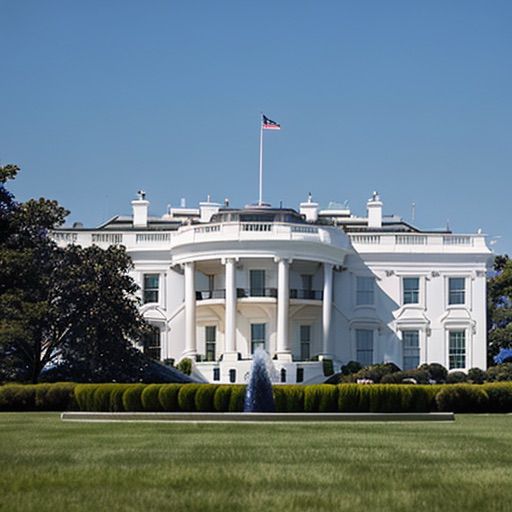
a dining room tablea large rooma living room filled with furniture and a large windowa living room filled with furniture and a large windowa large building with a grassy field with White House in the background
Nestled at 1600 Pennsylvania Avenue NW in Washington D.C. stands a grand and historic building that millions of people look up to. The White House, the official residence and workplace of the President of the United States, represents more than just a building. It is a symbol of American power and influence, an iconic edifice where history is made.

The White House is a sprawling complex that includes the Executive Residence, East Wing, West Wing, and Eisenhower Executive Office Building. The Executive Residence, the central part of the White House, is where the President and their family reside. It is a magnificent structure that features awe-inspiring rooms such as the Oval Office, the State Dining Room, and the Lincoln Bedroom. Meanwhile, the East Wing houses the First Lady’s office and the White House Social Secretary’s office. The West Wing, on the other hand, is where the President’s office and the offices of senior staff and advisors are located. The Eisenhower Executive Office Building, across the street from the White House, houses the offices of many of the President’s other advisors and staff.

Stepping inside the White House is a surreal experience. From the grandeur of the building to the sense of history that permeates every corner, there is a palpable sense of awe that takes over. The halls are adorned with portraits of former Presidents and other important historical figures, and the furniture and decor exude elegance and sophistication. The staff are courteous and professional, making every visitor feel welcome and comfortable.

But for those who work at the White House, life can be incredibly demanding and fast-paced. The President’s schedule is always packed with countless meetings, briefings, and events to attend. The staff work long hours and are under a great deal of pressure to perform at their best. However, the sense of purpose and importance that comes with working at the White House is unparalleled, and many people consider it the opportunity of a lifetime.

In conclusion, the White House is an architectural masterpiece that goes beyond its physical structure. It represents the pinnacle of American power and influence, a place where history is made, and where people from all over the world come to pay homage. Whether you are a tourist visiting for the first time or a staff member who works there regularly, the White House is a place that will leave you in awe and inspire you. It is, without a doubt, a privilege to have the opportunity to be inside such a historic and important building.

Related Posts

Benjamin Harrison Born into a Family of Political Powerhouses

Dave
a man wearing a suit and tie

Benjamin Harrison

Step right up and meet Benjamin Harrison, the 23rd President of the United States! Born into a family of political powerhouses in North Bend, Ohio in 1833, Harrison had big shoes to fill as his grandfather, William Henry Harrison, was also a U.S. President, though his tenure was cut short after just one month due to an untimely death.

Nevertheless, Harrison was determined to make his own mark. He studied law at Miami University in Ohio and began his political career in Indianapolis, Indiana. When the Civil War broke out, he served in the Union Army and rose to the rank of brigadier general before returning to his legal career and diving headfirst into Republican Party politics.

Harrison’s dedication and hard work paid off when he was elected to the U.S. Senate from Indiana in 1881, a position he held until 1887. In 1888, he clinched the presidency, promising to focus on increasing tariffs and promoting economic growth. And he did not disappoint! Harrison signed the McKinley Tariff Act of 1890, which helped to boost the economy, and the Sherman Antitrust Act, which aimed to prevent monopolies and promote fair competition.

But Harrison’s presidency was not without controversy. One of his notable actions was the support for the construction of the first federal immigration station on Ellis Island, which opened in 1892. However, the Lodge Bill, which would have authorized the federal government to oversee elections in the South and prevent voter suppression of African Americans, was defeated in the Senate. Furthermore, the economy experienced a severe downturn during his presidency, leading to criticism of his economic policies.

Despite these challenges, Harrison’s commitment to promoting economic growth and competition through tariffs and antitrust laws paved the way for future success. After losing his bid for re-election in 1892, Harrison returned to practicing law and remained active in Republican Party politics until his death in 1901 at the age of 67. He may have had his ups and downs, but Benjamin Harrison will always be remembered as a President who fought for what he believed in.

Related Posts

Grover Cleveland Vetoed More Bills than any other President in History

Dave
a man wearing a suit and tie

Grover Cleveland

Grover Cleveland was more than just another name in American political history. He was a trailblazer, a leader who dared to challenge the status quo and push for change. Born in 1837, Cleveland grew up in upstate New York and worked as a lawyer before entering politics. He served as the Sheriff of Erie County and later as the Mayor of Buffalo, paving the way for his future in national politics.

In 1884, Cleveland made history by becoming the 22nd President of the United States. He defeated James G. Blaine in a fiercely contested election, and immediately set to work on enacting his vision for the country. Cleveland’s first term was marked by his focus on civil service reform and his efforts to reduce tariffs. He also made headlines by successfully preventing the annexation of Hawaii and vetoing several bills that he deemed unconstitutional.

Despite his achievements, Cleveland faced his fair share of challenges during his time in office. He lost his bid for re-election in 1888 to Benjamin Harrison, but he didn’t let that setback stop him. In 1892, Cleveland ran again and won, becoming the only President to serve two non-consecutive terms. During his second term, he faced a severe economic depression and was criticized for his handling of the Pullman Strike. However, Cleveland never wavered in his commitment to civil service reform, and he vetoed more bills than any other President in history.

After leaving office, Cleveland retired to his home in New Jersey but remained an active force in politics until his death in 1908. He is remembered as a principled and independent leader who stood up for his beliefs and put the interests of the country above his own political ambitions. Grover Cleveland’s legacy lives on as a testament to the power of courage, conviction, and perseverance in the face of adversity.

Related Posts

Chester A. Arthur from Humble Beginnings all the way to the Presidency

Dave
a man wearing a suit and tie

Chester A. Arthur

Chester A. Arthur, the 21st President of the United States, left an indelible mark on American history. Born in Fairfield, Vermont in 1829, Arthur grew up in a humble family that struggled to make ends meet. Despite his financial hardships, Arthur was determined to pursue his education and attended Union College in Schenectady, New York, where he excelled in his studies.

After earning his degree, Arthur went on to study law and later became a prominent lawyer in New York City. His impressive legal career caught the attention of President Ulysses S. Grant, who appointed him as the Collector of the Port of New York, a position notorious for its corruption. However, Arthur surprised everyone by rooting out corruption and transforming the office into a model of efficiency. His remarkable efforts earned him the nickname “The Gentleman Boss,” a title that he wore proudly.

Arthur’s leadership skills did not go unnoticed, and he later became the Vice President in 1880. However, he was not widely respected, and many doubted his ability to lead. But fate had other plans for Arthur when President James A. Garfield was shot by a disgruntled office seeker in 1881, and Arthur was thrust into the presidency. Despite the initial skepticism, Arthur quickly proved himself to be an effective and competent leader.

He supported civil service reform and modernized the Navy, but his most notable achievement was signing the Pendleton Civil Service Reform Act into law. This transformative act marked a significant milestone in American history, as it aimed to eliminate political corruption and promote merit-based hiring practices.

However, Arthur’s presidency was not without controversy, as he also signed the Chinese Exclusion Act into law, which prohibited Chinese immigration to the United States for ten years. Despite this, Arthur’s legacy as a competent and effective leader who worked tirelessly to modernize America is undeniable.

Although he was not nominated for a second term in 1884, Arthur’s presidency was a success, and he remains a pivotal figure in American history. Sadly, he died in 1886 at the age of 57 due to kidney disease. Today, Chester A. Arthur is remembered as a leader who defied expectations and worked hard to leave a lasting impact on the United States.

Related Posts

The Bowl Championship Series Changed College Football by Favoring the Southeastern Conference

Dave


The Bowl Championship Series (BCS) was supposed to be the ultimate game-changer for college football, but it ended up sparking a fierce controversy due to its alleged bias towards the (SEC). As one of the most powerful conferences in college football, the SEC had already been dominating the sport for years, with multiple national championships under its belt. But with the BCS in place, the SEC had a distinct advantage over other conferences, which gave them even more power and prestige.

The BCS was designed to rank college football teams based on a variety of factors, such as their win-loss record, strength of schedule, and quality of wins. However, it seems that the system was rigged in favor of the SEC, which had more teams in the BCS than any other conference. This meant that the SEC had more opportunities to earn money and attract top talent, which helped them build dynasties that lasted for years.

The BCS also gave SEC teams an automatic bid into the top bowl games, which further cemented their status as the top dogs in college football. As a result, players were more likely to want to play for SEC teams, which made recruiting much easier for them. This created a vicious cycle that allowed the SEC to maintain their dominance over college football for a long time.

But all good things must come to an end, and the BCS was eventually replaced by the College Football Playoff (CFP). Unlike the BCS, the CFP doesn’t give any conference an automatic bid into the top bowl games, which means that every team has to earn its spot on the field. This has helped level the playing field for all conferences and has given more teams a chance to compete for a national championship.

The CFP has also made college football more exciting for fans, as every game now matters more than ever. With no automatic bids or guaranteed spots, every team has to fight tooth and nail to earn its place in the playoffs. While the SEC is still a dominant force in college football, the CFP has made it much harder for them to maintain their stranglehold on the sport.

Related Posts

James A. Garfield the Teacher, Major General, Lawyer, Politician, and President

Dave
a man wearing a uniform

James A. Garfield

Meet James A. Garfield, the brilliant scholar who rose to the rank of Major General and became the 20th U.S. President. Born in Ohio in 1831, Garfield was a true prodigy who became a teacher at only 17 years old. He later pursued law and served in the Union army during the Civil War, where he displayed exceptional leadership skills and earned a promotion to Major General.

After the war, Garfield entered politics, and his progressive views earned him a spot in the House of Representatives, where he served for nine terms. Throughout his career, he championed civil rights and education, and he was widely respected for his integrity and dedication to public service.

In 1880, Garfield won the Republican nomination for President, and his victory in a close election marked the beginning of his brief but impactful presidency. Known for his intelligence and commitment to modernizing the federal government, Garfield quickly implemented a series of reforms during his short time in office.

Unfortunately, his presidency was cut short when he was shot by a deranged office seeker just four months into his term. Despite a determined effort by his doctors to save him, Garfield passed away 80 days later.

Although Garfield’s presidency was brief, his legacy as a champion of civil rights, education, and good government lives on. He was truly a remarkable figure who left an indelible mark on American history.

Related Posts