Author: Dave

I've always been curious about the world beyond my own backyard. While many people spend their entire lives close to where they were born, I've been fortunate enough to travel across the United States and around the world. Every place I've visited has challenged my assumptions in one way or another and reminded me that, despite our differences, people often have far more in common than they realize. I don't write to tell personal stories for the sake of telling them, and I don't believe every article needs to revolve around me. Instead, I enjoy using my experiences as a starting point for exploring larger ideas. Whether it's something I noticed while walking through a market overseas, a conversation with someone from another culture, or simply observing how different communities solve similar problems, I'm interested in the lessons those moments can teach all of us. Travel has given me perspective, but it has also taught me humility. The more places I visit, the more I realize there is still to learn. Every culture has something worth appreciating, and every journey has a way of expanding how we see the world and our place within it. When I write, my goal is simple: to share thoughtful observations, compare perspectives, and encourage curiosity. I hope readers come away having learned something new—not just about another place, but about the world we all share. If one of my articles inspires someone to look at a familiar idea differently, ask a new question, or venture a little farther than they otherwise might have, then I've accomplished exactly what I set out to do.

Midnight Magic: Why the Sexy Witch Will Always Rule Halloween

Dave

There’s something about Halloween that brings out a wild spark in all of us. Maybe it’s the electric hum of autumn leaves crunching under boots, maybe it’s the thrill of stepping into a costume that makes you feel more daring than you ever would in the daylight, or maybe it’s just the sugar rush of too much candy and too many spiked ciders. Whatever it is, October 31st has become the one night of the year where fantasy and fun collide, where the veil between the ordinary and the extraordinary feels thin enough to step through. And at the very heart of this enchanted masquerade stands a figure who has never once lost her crown as queen of Halloween: the witch. Not the old crone version, though that has its charms, but the bold, sultry, spellbinding incarnation that struts into the party in thigh-highs, corset, and a pointy hat tilted just so. The Sexy Witch is not only iconic, she’s eternal, because her magic isn’t just about broomsticks and black cats—it’s about power, seduction, and the playful thrill of turning a night of fear into a night of fantasy.

It’s almost funny how natural the evolution of the Sexy Witch seems when you look at it through history’s lens. Witches were once feared—hunted even—for their supposed powers, accused of dancing with devils, brewing potions, or bewitching neighbors. But fast forward through centuries of folklore, literature, and Hollywood, and witches slowly transformed into something else entirely. They became mysterious, alluring, the kind of women who knew things other people didn’t, who dared to live outside the rules. When Halloween morphed into a celebration of dress-up and indulgence, the witch costume adapted right along with it. Gone was the hunched hag with warts and rags; in her place came the seductive sorceress with legs for days, a bodice that promised temptation, and a smirk that suggested she knew exactly how to use her magic on you.

And isn’t that what makes the Sexy Witch such an irresistible archetype? She blends danger with delight. She is at once the outsider and the star of the show, the woman who can cast a spell and steal your drink in the same breath. Put a woman in a corset, thigh-high boots, and a sharp black hat, and suddenly the room doesn’t just notice her—it orbits her. That’s not just a costume. That’s power, plain and simple, dressed in lace and satin.

Of course, part of the fun of Halloween is exaggeration, and the Sexy Witch costume embraces that wholeheartedly. The thigh-highs aren’t just shoes—they’re armor for seduction, legs turned into statements that say confidence without speaking a word. The corset isn’t just a top—it’s a spellbook of curves, cinched to highlight the figure in a way that teases and taunts. The pointy hat? That’s the crown. Because let’s be honest: in a sea of cats, vampires, and whatever pop-culture moment is trending this year, the Sexy Witch hat is still the single most recognizable silhouette at the party. It doesn’t just say “witch”—it screams it, but with a wink.

And the thing about this costume is that it has layers—not just fabric layers, but emotional ones. Every woman who puts on that pointy hat isn’t just slipping into a role, she’s tapping into something older, something primal. She’s channeling centuries of stories where women with power were both feared and desired. On Halloween, the Sexy Witch costume gives permission to lean into that energy, to flirt with the dark while owning the spotlight. It’s rebellion in fishnets, empowerment in black velvet. It’s taking a character who was once demonized and flipping the script into a celebration of confidence, charm, and charisma.

Think about it: every Halloween party has its Sexy Witch. She’s the one twirling her wand with a smirk, the one laughing too loudly in the corner while sipping something neon-green out of a skull-shaped glass, the one who makes eye contact across the dance floor and somehow convinces you that following her into the night would be both the best and worst decision you’ve ever made. And that’s the spell of it—the costume isn’t just an outfit, it’s a whole mood, a story unfolding with every glance and grin.

But the Sexy Witch isn’t limited to just one interpretation. Some lean into gothic elegance—long, flowing black dresses slit high at the leg, with lace gloves and dramatic makeup. Others go playful, mixing glitter and neon, turning the hat into a fashion statement instead of just a prop. Some wear as little as possible, turning “broomstick chic” into “broomstick barely-there,” while others go for full fantasy armor, sexy but also badass, like they’re ready to hex anyone who gets in the way of their cauldron cocktails. The variety is endless, which is part of why this costume never loses popularity. The Sexy Witch adapts, evolves, reinvents herself every year, just as the real idea of witches has always shifted with the times.

There’s also something about the witch as a cultural figure that makes her uniquely suited to be sexy. Unlike zombies, who rot, or ghosts, who vanish, witches are human—but amplified. They have knowledge, agency, independence. They’re not victims in horror stories, they’re the ones pulling strings. That inherent autonomy translates perfectly into the Halloween scene. Sexy witches aren’t waiting to be rescued. They’re casting spells, running covens, and maybe hexing their exes for fun. And when you slip into that corset and lace, you’re not just pretending—you’re embodying that same fierce energy, even if only for a night.

The other thing the Sexy Witch costume does, maybe better than any other, is blur the line between scary and sexy. Halloween has always thrived on that tension—why do we love scary movies? Because the adrenaline makes us feel alive. The Sexy Witch channels that exact energy: she might hex you, or she might kiss you, and the thrill is you don’t know which. It’s playful danger, safe transgression. It’s the costume equivalent of a wicked grin in the dark.

And sure, critics will roll their eyes and mutter about “overly sexualized costumes,” but here’s the truth: the Sexy Witch endures because she’s chosen, not imposed. Women don’t wear her because they’re forced to—they wear her because they want to. Because the hat feels powerful. Because the corset feels daring. Because on October 31st, when the world is watching and the rules are suspended, being the Sexy Witch is a way to say: I’m in control of the spell tonight.

That’s why you’ll never see a Halloween without her. Trends will come and go—sexy avocado costumes, sexy meme costumes, even sexy versions of random cartoon characters—but the witch remains eternal. She was here in the earliest parties, she’s here in the TikTok era, and she’ll be here when the next generation is carving their own pumpkins. The broom may be a prop, the hat may be oversized, but the magic? The magic is very real.

So the next time you see a Sexy Witch strutting into the party, corset laced tight, boots climbing high, hat tipping like a crown, remember this: you’re not just looking at another Halloween outfit. You’re looking at centuries of myth reborn as empowerment, you’re looking at mischief wrapped in satin, you’re looking at the queen of Halloween herself. And if you’re not careful, you just might find yourself under her spell.

Because let’s be honest—on Halloween night, when the music is loud, the lights are low, and the air is thick with the smell of cider and pumpkin spice, everyone’s secretly hoping to be enchanted by a witch. And the Sexy Witch knows it. She always has. That’s why she’s never going away.

Related Posts

From Waves to Views: How to Make Beach Reels & TikToks Go Viral

Dave

The beach is more than just a place—it’s an aesthetic, a vibe, a mood board of its own. The sound of waves, the sparkle of sunlight, the rhythm of footsteps in the sand—all of it translates beautifully into short-form video content, making the shore one of the most powerful backdrops for creating Reels and TikToks that people can’t scroll past. Viral beach videos aren’t just about pointing your camera at the horizon; they’re about capturing moments that feel alive, that embody summer freedom, that evoke envy and nostalgia at the same time. A truly viral beach video is one that makes someone sitting on their couch feel the warmth of the sun, the salt on their skin, and the endless possibility of a day by the ocean. But getting from raw footage to viral-ready magic requires more than luck—it’s about strategy, style, and authenticity woven together like seashells in a necklace.

The secret sauce of any viral beach Reel or TikTok is relatability paired with escapism. People want to be transported to your world but also feel like they could live it themselves. A slow pan across glittering waves, feet running into the surf, or the timeless shot of tossing sunglasses onto a beach towel feels simple, but in the right context, it speaks volumes. Pair those visuals with trending sounds, whether it’s the season’s hottest pop anthem or a nostalgic throwback, and suddenly, the video taps into cultural currency. A wave crashing in sync with a beat drop or a camera flip timed perfectly with a chorus gives the audience that dopamine hit that makes them watch again—and share.

Timing is crucial. The beach offers natural phases of content that lend themselves to storytelling arcs. Sunrise videos drip with aesthetic appeal: pastel skies, coffee mugs steaming against the horizon, footprints marking the first steps of the day. Midday clips shine with energy—group shots of volleyball games, drone flyovers of packed shores, bikini transitions, and joyful chaos. Sunset is the crown jewel, the golden light hour when silhouettes, slow-motion spins, and dramatic fades transform into visual poetry. Nighttime by the bonfire closes the loop, with fire sparks, glowing faces, and music blending with the tide. Building Reels and TikToks that reflect this arc of a beach day makes them binge-worthy, pulling viewers into the rhythm of your experience.

Trends, of course, fuel virality. Beach transitions have become iconic: one snap of the fingers and a person shifts from streetwear to swimwear, one towel drop transforms into a runway strut in the sand, one splash of water shifts the camera to a totally new location. These playful, clever edits thrive because they’re rooted in creativity but require nothing more than a phone, a good angle, and confidence. Humor thrives too—people love a good laugh, whether it’s a failed attempt at skimboarding, the struggle of eating sandy snacks, or a parody of influencer culture at the beach. The trick with humor is pacing; keep it short, sharp, and authentic, letting the comedy feel natural rather than forced.

Sound design elevates even the simplest shots. Natural sounds—the whoosh of waves, gulls calling overhead, or the crunch of sand underfoot—layered under music give videos dimension. A clip of diving underwater becomes far more engaging when paired with muffled ocean sounds fading into a beat. ASMR-style clips of cracking open a cold drink or slicing juicy watermelon against a beach backdrop rack up views because they tickle both the senses and the imagination. Don’t underestimate how powerful a single sound effect can be when it’s timed right with movement; a subtle “whoosh” on a camera pan can make it feel cinematic.

Cohesion across your videos builds momentum. Viral isn’t always about one lucky post; it’s about creating a recognizable style that makes people stop scrolling because they know it’s yours. Maybe it’s your editing rhythm, your use of pastel filters, or your voiceover style that always drops a funny observation. Consistency in vibe turns casual viewers into followers, and followers into fans who help push your videos further. Still, don’t be afraid to experiment within your aesthetic—one day it’s a moody, dreamy Reel with gentle music, the next it’s a chaotic TikTok of friends jumping into the waves. The thread connecting them is the beach, but the variety keeps people hooked.

Engagement strategies matter too. Asking questions in captions (“What’s your dream beach day?”), using trending hashtags wisely, and hopping on challenges with your own twist all boost discoverability. Collaborating with friends or even strangers on the sand makes content feel social, and tagging locations helps locals engage. The beauty of beach content is that it feels universal; no matter where someone lives, the ocean is an archetype of escape, freedom, and fun. Tapping into that universal appeal is what makes beach Reels and TikToks spread fast.

Yet the human side is what truly makes content stick. A perfectly edited, cinematic video is beautiful, but the clip of your friend laughing uncontrollably as the tide knocks them over often does better because it feels real. Audiences don’t just want polished—they want personality. They want to feel like they’re on the beach with you, sunscreen in their eyes and sand in their shoes. Balancing beauty and authenticity is the key to virality; too staged feels distant, too messy feels unintentional, but together, they create the sweet spot that keeps people watching.

In the end, curating beach Reels and TikToks that go viral isn’t about chasing perfection. It’s about capturing the spirit of the shore, the way it makes us all feel lighter, freer, more connected. It’s about letting the ocean set the beat and finding ways to weave your story into its rhythm. When your video makes someone pause, smile, and think, “I wish I were there,” you’ve already succeeded. And who knows? That little clip of sunshine, laughter, and sea spray might just become the moment that takes your account from ordinary to extraordinary.

Related Posts

Coral Kingdoms: Exploring the Hidden Cities Beneath the Waves

Dave

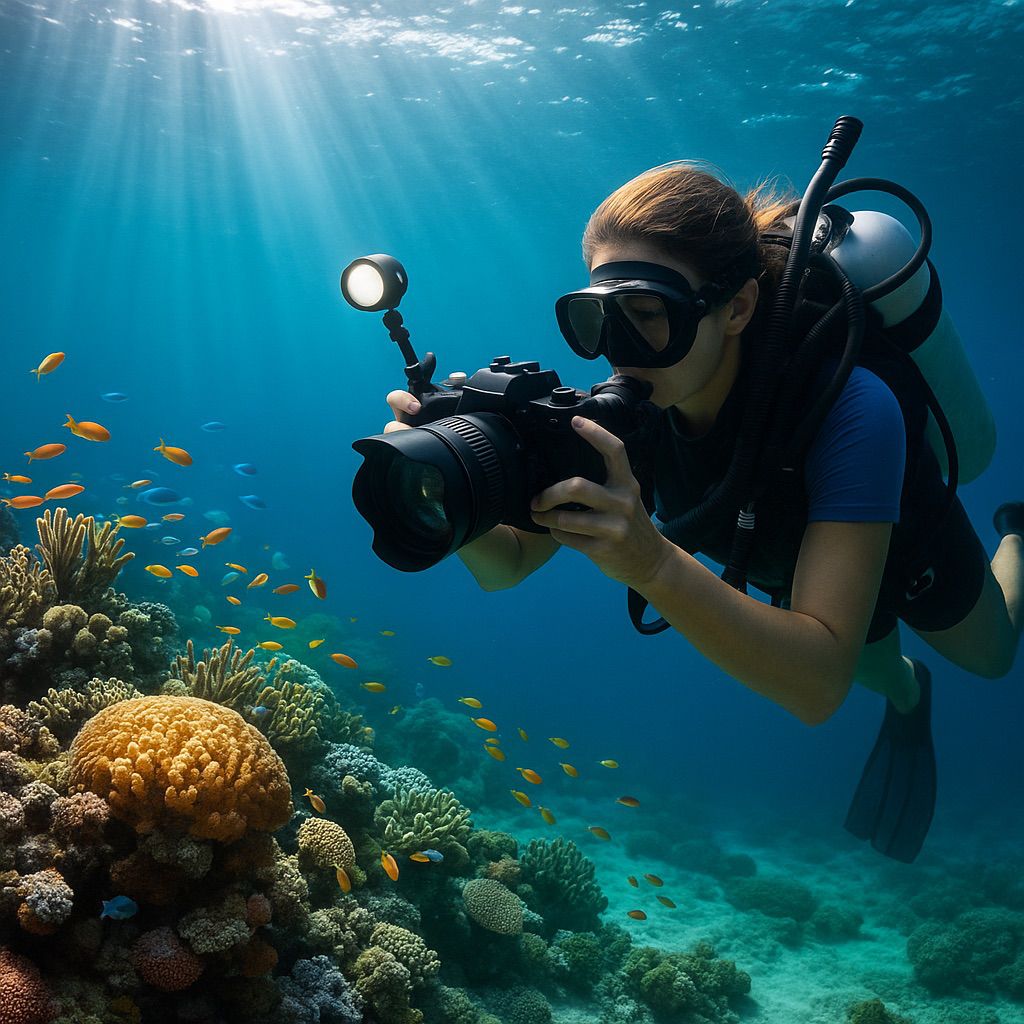
There are cities in this world that are not built on land, cities that have no streets, no concrete, and no towers of glass. These are the coral kingdoms, sprawling living metropolises hidden beneath the waves, bustling with life, color, and mystery. Unlike any city humans have constructed, coral reefs are made not from steel or stone but from tiny organisms, each building upon the skeletons of its ancestors until vast underwater structures emerge. They are homes, fortresses, nurseries, and feeding grounds, and they stretch across oceans like networks of civilization we are only beginning to understand. To discover a coral reef while snorkeling or diving is to stumble into a place that feels at once alien and intimately familiar, a reminder that the Earth’s greatest wonders are not always found above the waterline but below it.

From the very first glimpse of a reef, you know you’ve entered somewhere special. The colors are what hit you first. Fish painted in neon yellows, electric blues, and fiery oranges dart in every direction like moving brushstrokes on a living canvas. Coral branches stretch upward like trees reaching for the sun, their tips glowing in pastel pinks and purples. Sea anemones sway gently in the current, hosting clownfish that peek out with bold curiosity. Every inch of the reef seems alive, and the closer you look, the more you realize you’re not observing just one ecosystem but an entire world within a world. For centuries, sailors described reefs as hazards to navigation, obstacles to be avoided. Today, we know they are not obstacles but oases—thriving hubs of biodiversity, home to nearly a quarter of all marine life despite covering less than one percent of the ocean floor.

The word “kingdom” feels especially appropriate because reefs have hierarchies, roles, and rules. There are the architects—the coral polyps themselves—microscopic creatures that, working together over centuries, build massive limestone fortresses that can be seen from space. There are the cleaners—fish like wrasse and shrimp who pick parasites from larger creatures, maintaining balance. There are the predators, from sleek barracuda to stealthy moray eels, whose presence keeps the ecosystem in check. And then there are the grazers, parrotfish who chew algae off coral, preventing overgrowth, their teeth strong enough to grind rock into the sand you find between your toes on shore. It is a system that functions with elegance and efficiency, without politics or pollution, a reminder of what a self-sustaining city could look like if left to thrive.

Snorkeling over one of these coral kingdoms is perhaps the closest a human can come to flying. Suspended in saltwater, the body buoyant and free, you glide above intricate “streets” of coral heads and spires, watching the traffic of marine life unfold beneath you. Schools of surgeonfish move like crowds, flowing around obstacles in perfect synchronization. A lone turtle, ancient and unhurried, moves as if it has nowhere to be but everywhere to see. Rays flatten themselves against sandy bottoms, blending so seamlessly that they appear like shadows until they lift and reveal wings spanning wider than your outstretched arms. Every turn of the head reveals something new, something astonishing, and the realization dawns that you could spend hours—days—hovering here and still only glimpse a fraction of the life teeming below.

The discovery of coral reefs is not just biological but personal. For many, their first snorkeling experience feels transformative. There is a childlike wonder in pressing your face into the water and realizing an entire alien world exists just below the surface you’ve always taken for granted. It humbles you. It awakens curiosity. And, often, it plants the seed of responsibility—the understanding that something so beautiful and fragile needs protection, that our choices on land ripple outward into the oceans. To discover coral is not just to see it but to be changed by it, to carry the memory back with you and see the world above differently because of what you glimpsed below.

What makes these underwater cities even more extraordinary is their history. Some reefs are thousands of years old, having survived countless storms, changing sea levels, and shifts in climate. They are, in a sense, living archives of the planet’s resilience. And yet, they are also warnings. When coral bleaches from heat stress, when algae overtake dying reefs, when entire stretches collapse into rubble, it’s a signal that our oceans are under siege. For every vibrant reef filled with life, there are reefs struggling, their once-bustling cities now ghost towns. To discover coral is to discover beauty, but also fragility. It is a reminder that these kingdoms, though vast, are not invincible.

And yet, even in their fragility, coral reefs inspire hope. Conservation efforts around the world are showing that reefs can recover when given the chance. Marine protected areas, reef restoration projects, and sustainable tourism practices are turning the tide in places where decline once seemed inevitable. Scientists are cultivating coral fragments in nurseries and transplanting them back onto damaged reefs, rebuilding cities one polyp at a time. Local communities are reclaiming stewardship of their coastal waters, recognizing that the reefs are not just ecological treasures but sources of food, income, and identity. Each success story is a testament to the resilience of life beneath the waves and a call to action for all of us who love the sea.

From a cultural perspective, coral reefs have always held significance. For island communities, reefs are not just scenery but lifelines, providing fish, protecting shorelines from erosion, and shaping traditions and folklore. They are places of spiritual connection, where the ocean speaks and teaches. For travelers, reefs are destinations of pilgrimage, places to marvel at the beauty of the natural world. And for scientists, they are frontiers of discovery, holding secrets about medicine, climate, and evolution yet to be unlocked. These layers of meaning make the reefs not just ecological marvels but cultural treasures, woven into the story of humanity as deeply as they are woven into the fabric of the ocean.

The metaphor of the reef as a city resonates most when you consider its diversity. Just as human cities thrive on variety—different people, ideas, and skills—reefs thrive on biodiversity. Each species has its role, its niche, and together they create a system that is stronger and more vibrant than any single part. To watch a reef in motion is to witness collaboration on a scale beyond imagination, a living lesson in balance and interdependence. It is a reminder that our own survival, too, depends on systems we often overlook.

Spending time with coral reefs changes the way you see the ocean, but it also changes the way you see yourself. It strips away the illusion of separation between humans and nature, revealing that we are not above or apart but deeply connected. The breath you take above the waves, the carbon footprint of your car, the choices of what you eat—all of it eventually touches the reefs. They are barometers of our relationship with the planet, measuring not just the health of the ocean but the health of humanity’s spirit.

To discover a coral kingdom is to be initiated into its story. You become, in some small way, a citizen of its underwater city, a witness to its beauty, and a custodian of its future. It is an honor and a responsibility. For when you rise back to the surface, pulling off your mask and shaking saltwater from your hair, you don’t leave the reef behind. It stays with you—in your memory, in your heart, in your sense of wonder. And maybe, just maybe, it changes you enough that you’ll do your part to ensure these cities endure, so that generations to come can also float above their streets, marvel at their inhabitants, and discover the magic of the hidden kingdoms below.

Related Posts

Beyond the Bikini: Redefining Fitness Goals for Real Women

Dave

Every year, as the weather warms and the calendar tips toward summer, the same slogans appear like clockwork across magazines, social media feeds, and advertising campaigns: “Get your bikini body ready.” “Torch fat fast.” “90 days to your summer abs.” It’s a drumbeat that has echoed for decades, whispering that worth is measured in inches, that confidence is earned through deprivation, and that the only way to “deserve” the beach is to mold your body into some unattainable shape. But here’s the truth that too many voices leave out: the so-called “bikini body” is a myth. There is no universal figure that makes someone worthy of sand, salt, and sun. The idea is toxic not just because it sets impossible expectations, but because it robs women of the joy of simply existing in their bodies as they are. And yet, year after year, the pressure persists, cloaked in hashtags, “fitspo” posts, and influencers offering “quick fixes.” To dismantle this narrative, we need to expose the myths for what they are and replace them with something more powerful: a reality rooted in strength, health, self-acceptance, and the confidence that radiates from within.

The biggest myth of all is that fitness should be pursued only for appearance. The marketing machine surrounding bikinis thrives on this idea: that every crunch, every run, every “detox” is just a step toward shrinking your waistline for the sake of a photo. This is not only harmful but misleading. Real fitness is not a countdown to swimsuit season; it is a lifelong relationship with your body and its capabilities. Exercise is not punishment for what you ate—it’s celebration of what you can do. Women who find strength in lifting weights, joy in yoga flows, exhilaration in running, or calm in swimming understand something the bikini-culture ads never tell you: movement isn’t about erasing yourself, it’s about expanding what you’re capable of.

Another myth is that there is a single “ideal” body that defines beauty. This illusion has shifted over time—curves in one era, waif-like thinness in another, hyper-toned abs in yet another—but the one thing that never changes is the exclusion. For every body type that becomes “in,” countless others are pushed out. The beach, however, has always told a different story. Step onto the sand, and you’ll see people of every shape, size, and age. All of them are beach bodies because they’re bodies at the beach. The myth thrives only when we zoom in on photoshopped ads or hyper-filtered feeds. The reality is that beauty is diverse, vibrant, and much more interesting than the flat ideal we’ve been sold.

The “quick-fix” culture feeds into these myths with false promises. Detox teas, fad diets, extreme workout challenges—they all sell the illusion that you can transform your body in weeks if you just “commit.” What they rarely admit is that these approaches often lead to burnout, nutrient deficiencies, and an endless cycle of guilt and rebound. Real health doesn’t come in a bottle or a 30-day shred. It comes slowly, gradually, in the habits you build and the compassion you show yourself along the way. Fitness is not about sprinting toward an arbitrary deadline but about walking steadily, consistently, toward a life where your body feels energized, supported, and alive.

Confidence is another piece of the puzzle. The myth says confidence is achieved only once you’ve “earned” the right to wear a bikini, once your abs are visible or your thighs have narrowed. The reality? Confidence is not tied to measurements—it’s tied to mindset. There are women in every size and shape who radiate power on the beach, not because they look a certain way, but because they carry themselves with ease, joy, and authenticity. They remind us that confidence doesn’t come after the body changes—it comes when you stop waiting to live fully until you’ve changed. If you hold off on joy until you fit someone else’s ideal, you’ll miss entire summers. If you decide you’re worthy now, you unlock freedom you didn’t know was waiting.

This isn’t to say that fitness goals themselves are bad. Wanting to get stronger, improve endurance, or even feel more comfortable in your own skin are valid pursuits. The myth is in why we pursue them—and who benefits. If your goals are driven by shame, comparison, or marketing manipulation, they’ll always leave you chasing a moving target. But if your goals come from love—love for how it feels to lift groceries without strain, to run after your kids without gasping, to surf a wave, dance longer, or sleep better—then they empower instead of diminish you. The shift is subtle but profound: working out because you love your body, not because you hate it.

When women talk honestly about fitness, the conversation becomes richer. We share stories of discovering muscles we didn’t know we had, of realizing food is not the enemy but the fuel, of the mental clarity that comes after a swim, of the pride in finishing a tough set of reps. These are the moments that matter. These are the realities drowned out by “summer body” slogans. Real fitness is measured in energy, joy, resilience, and yes, sometimes sweat-soaked sports bras and sore muscles—but never shame. The more we normalize these conversations, the more the myths crumble.

Humanizing this issue matters because it’s not abstract—it’s lived daily. Think of the teenage girl scrolling through Instagram, seeing post after post of “perfect” bodies, wondering if she’ll ever belong. Think of the new mother pressured to “bounce back” within weeks of giving birth, as though nurturing life wasn’t enough. Think of the woman who skips the beach trip with friends because she doesn’t want anyone to see her stomach, missing out on memories she’ll never get back. These are not hypothetical—they’re the lived costs of toxic bikini culture. And the antidote is not more pressure, but compassion. It’s friends saying, “Come on, we’re going anyway.” It’s campaigns that celebrate diversity. It’s the quiet decision each woman makes to step onto the sand as she is, knowing her worth is not negotiable.

The beach itself teaches the lesson better than any lecture. Waves crash with no care for waistlines. Sand clings to everyone indiscriminately. The sun shines equally, whether you’re toned, soft, curvy, or lean. Nature does not demand perfection; it simply invites you to participate. To discover that truth is to reclaim the beach not as a runway for comparison but as a playground for living. When you reframe the goal from “looking right” to “feeling alive,” the myths lose their power.

So let’s rewrite the narrative. A bikini body is not something you earn. You already have one. Fitness goals are not about deadlines—they’re about building a life where strength, energy, and joy become your companions. Confidence is not a size, it’s a decision. And the reality? The best moments at the beach have nothing to do with how you look. They’re about diving into waves, laughing until your stomach hurts, sharing watermelon with friends, and watching the horizon stretch endlessly ahead. That’s what you’ll remember. That’s what matters.

If you want to chase goals, let them be goals rooted in reality. Goals like running farther, not shrinking smaller. Eating foods that nourish, not punish. Resting when your body whispers, not ignoring it until it screams. Lifting not to impress but to feel powerful in your own skin. These are goals worth pursuing because they lead not to fleeting photos but to lasting strength. And when you step onto the sand, those goals carry you further than any crash diet or quick fix ever could.

The myth of the bikini body has overstayed its welcome. The reality waiting for us is far brighter, more inclusive, and more powerful. It’s a reality where every woman belongs at the beach, where fitness is celebration, where health is measured not by abs but by laughter, energy, and resilience. The waves are calling, the sand is warm, and the sun is waiting. The only thing you need to bring is yourself. That’s enough. That has always been enough.

Related Posts

Own the Shoreline: How to Pose Confidently in a Swimsuit

Dave

There’s a moment everyone knows but few talk about—the instant you step out onto the beach or poolside in your swimsuit, adjust your towel, and someone suggests, “Let’s take a picture.” The waves sparkle, the sun kisses your skin, and suddenly your mind is racing, wondering how to stand, where to put your arms, or whether you look as awkward as you feel. But here’s the truth: confidence in a swimsuit isn’t about having the “perfect” body—it’s about owning the one you already have and learning how to showcase it with grace, ease, and a little playful flair. Posing confidently in a swimsuit is part art, part mindset, and part letting go of the inner critic that whispers louder than the sound of the sea. Once you learn how to quiet that voice and lean into authenticity, you’ll find that confidence photographs far better than any muscle line or contour ever could.

The first secret to posing in a swimsuit is remembering that your body is not the problem—the hesitation is. Confidence radiates through photos, and it begins before you even strike a pose. Think of how you feel when you catch yourself in a mirror on a day you’re feeling good; you stand taller, you smile naturally, and the energy you project is effortless. That’s what makes a swimsuit photo magnetic. It’s not about sucking in or forcing an angle that hurts your back—it’s about capturing that sense of ease you feel when you’re laughing with friends, when the sun warms your shoulders, when you forget you’re being watched at all. If you want to look good in a swimsuit photo, start by feeling good in your own skin.

Body posture is the foundation of any great pose. The beach isn’t a fashion runway, but posture transforms everything. Stand tall, shoulders relaxed, spine lengthened. Imagine a string gently pulling your head toward the sky—not stiff, but lifted. This simple adjustment elongates your body, opens your chest, and instantly makes you look more self-assured. When sitting or kneeling, avoid slouching into yourself; instead, keep your back engaged, lean slightly forward, and let the posture communicate confidence. Posture doesn’t just make you look better; it makes you feel more powerful, and that inner strength shines in every frame.

Angles are your friend. No one looks their best standing flat to the camera with arms glued to their sides. Turning slightly, shifting your weight to one hip, or creating subtle bends in your body introduces natural curves and dynamism to the photo. Think of your body like lines in a painting—angles and movement create interest. Place one foot slightly forward, cross your ankles when sitting, or lean into the camera just a bit. Small adjustments make a big difference, softening the frame while adding personality. Swimsuit photos thrive on motion, even if it’s just the suggestion of it. Instead of rigid stillness, create shapes that feel alive.

Arms and hands are often the most awkward part of posing, but they don’t have to be. The trick is to give them something to do. Run your hand through your hair, rest it lightly on your hip, adjust your sunglasses, or playfully brush sand from your leg. When arms have a purpose, the whole photo feels more natural. Avoid pressing them flat against your body, which can look stiff. Instead, create space by bending an elbow or lifting an arm slightly away from your torso. These small gestures not only highlight your swimsuit but also emphasize confidence and ease.

Expression seals the deal. Confidence in a swimsuit doesn’t require a sultry pout or exaggerated laugh—though those can work, too. The most magnetic expressions are the ones that feel authentic. Think about how the beach makes you feel—carefree, happy, energized. Let that energy rise to the surface. A soft smile, a playful glance over your shoulder, a wide grin caught mid-laugh—all of these read beautifully on camera. The camera doesn’t need perfection; it needs emotion. That’s what people connect with, and that’s what will make you look confident without trying too hard.

Props and environment are your secret allies. Sunglasses, hats, beach bags, towels, or even a coconut drink can give you something to interact with, making poses feel less forced. Leaning against a surfboard, walking along the waterline, or splashing in the waves adds movement and narrative to the image. When you’re engaged with your environment, you forget the camera is there—and that’s when the most captivating, natural shots happen. Confidence is never louder than when it looks like you’re genuinely having fun.

Lighting, too, plays a role. Early morning or golden hour—the time just before sunset—offers soft, flattering light that smooths skin and adds a warm glow. Harsh midday sun can be tricky, but positioning yourself with the light behind you or using reflective surfaces like sand or water can turn it into an advantage. Good lighting doesn’t just flatter features; it enhances the overall vibe, making you appear more radiant and confident. Knowing how to position yourself in relation to light is like knowing your best angles—it’s a skill that amplifies everything you already have.

Mindset, though, remains the ultimate tool. Confidence isn’t about faking it until you make it—it’s about shifting your focus. Instead of obsessing over how you look, think about what the photo represents: a memory of joy, a celebration of summer, a moment of freedom. When you stop worrying about flaws and start leaning into the feeling of the moment, the pose comes alive. Remember that everyone, no matter how confident they appear, has insecurities. What sets apart those who photograph well isn’t a flawless body—it’s the decision to own their presence regardless. Confidence isn’t about absence of doubt; it’s about showing up anyway.

Practice helps, too. You don’t have to wait until you’re standing on the sand with the waves crashing to experiment. Stand in front of a mirror, try out poses, tilt your chin, shift your hips, find what feels natural. The more familiar you become with your own body’s lines, the easier it will be to slip into a confident stance when the moment arises. This isn’t vanity—it’s self-awareness. Athletes practice before a game, dancers rehearse before a performance. Why shouldn’t you practice the art of confidence in your own skin?

Finally, remember that imperfection is part of the charm. Sometimes the best swimsuit photos aren’t posed at all—they’re the candid ones, where you’re mid-laugh, chasing a wave, or shaking out your hair. Those moments radiate realness. They show not just how you look but how you feel. Confidence isn’t about striking the “perfect” pose; it’s about embracing your imperfect, joyful, authentic self in the moment. When you can do that, every pose, whether polished or playful, becomes an expression of confidence.

So how do you pose confidently in a swimsuit? You start with mindset—accepting and celebrating yourself. You focus on posture, angles, and expression, letting them communicate ease. You use your environment and props to tell a story. You let the light work in your favor, you practice until it feels natural, and above all, you let go of perfection. Because confidence isn’t about having the “ideal” body; it’s about realizing you don’t need one to deserve space in the frame. You only need to show up, breathe, and let the ocean remind you that beauty is not a standard to meet but a state of being to embrace.

At the end of the day, the beach doesn’t care if your abs are sculpted or your swimsuit is from a designer label. The waves don’t care about cellulite, scars, or stretch marks. The ocean has always welcomed every body, and the sun shines equally on everyone who dares to step into the light. Confidence in a swimsuit is not about being flawless—it’s about belonging to yourself, in that moment, fully and unapologetically. And that kind of confidence? It’s contagious, unforgettable, and worth capturing every single time.

Related Posts

Waves and Words: How to Meet a Woman and Start a Conversation at the Beach

Dave

There’s something about the beach that makes the air lighter, the mood easier, and the whole world feel more open. Maybe it’s the sun pouring warmth across the sand, or the ocean’s steady rhythm that makes people let their guard down. Whatever it is, beaches have always been natural social spaces—places where strangers cross paths and, sometimes, connections begin. Meeting a woman and striking up a conversation at the beach might sound intimidating at first, but the truth is it doesn’t have to be. With the right mindset, a touch of confidence, and respect as your compass, starting a conversation can be as natural as the tide rolling in. What follows isn’t about cheesy pick-up lines or trying to impress—it’s about authenticity, presence, and seizing the moment when the setting is already doing half the work for you.

The first step is mindset. Too often, people think of meeting someone at the beach as an elaborate performance: looking a certain way, saying something clever, playing some kind of game. That energy never works. The beach, after all, is a place of relaxation. It’s where people go to unwind, not to be bombarded. So, before you even think about approaching someone, take a breath and remember that you are there to enjoy yourself first. Whether or not you meet someone, your time at the beach should still be fulfilling. Confidence is magnetic, but real confidence comes from being comfortable in your own skin, not from forcing yourself into situations out of desperation.

Observation is the next key. Beaches are full of natural opportunities for conversation if you pay attention. Maybe a group nearby is tossing a frisbee and one lands close to you. Maybe someone is setting up a beach umbrella that keeps collapsing, and you can offer a hand. Maybe she’s walking a dog that comes over to sniff your towel. These aren’t contrived “openers”—they’re real, organic chances to interact. The best conversations happen when they grow naturally out of what’s already happening. So keep your eyes open, not in a predatory way, but in an aware way, tuned into the flow of the moment.

When the moment comes, keep it simple. A smile, eye contact, and a casual “Hey, how’s your day going?” can work wonders. Too many people get stuck trying to come up with something dazzling, when in reality the most effective icebreaker is one that feels genuine and low-pressure. At the beach, lighthearted comments work best. Pointing out how hot the sand is, laughing about the seagulls being relentless, or asking if they know a good spot to grab food nearby—these are all ways to open a door without making it feel forced. Keep your body language relaxed, your tone casual, and your smile easy. The goal is not to impress but to create comfort.

What comes after the opening line matters even more. Conversation at the beach should feel like the breeze—easy, natural, flowing. Asking open-ended questions helps. Instead of yes-or-no questions, ask things like, “Do you come to this beach often?” or “What’s your favorite part of spending time here?” These invite more than one-word answers and give her the space to share a bit of herself. Listening is just as important. When she talks, really listen, respond thoughtfully, and let the conversation unfold rather than rushing to fill every silence. If she mentions she loves snorkeling, ask about her favorite spots. If she says she’s just in town visiting, ask where she’s from and what she thinks of the area. People remember not the most charming talkers, but the best listeners.

Of course, respect is non-negotiable. Beaches are social spaces, but they’re also personal spaces. Not every woman you see is looking to be approached, and part of being confident is being able to read cues and accept them gracefully. If she’s reading a book with headphones in and giving short answers, that’s your sign to smile, wish her a good day, and move on. If she engages, smiles back, and asks you questions too, then you know you’ve found a rhythm. Rejection isn’t failure; it’s just the reality of social dynamics, and handling it with grace not only keeps the moment positive but also builds your own confidence.

Humor can go a long way at the beach. The setting lends itself to lightness. Joking about seagulls trying to steal your chips or how the waves seem to know the exact moment to knock you over can create easy laughs. Laughter disarms tension and makes interactions memorable. Just make sure your humor is inclusive, not at anyone’s expense. Shared laughter is like a shortcut to connection, especially when paired with genuine curiosity.

Timing matters too. There’s a big difference between approaching someone who’s mid-swim and someone who’s lounging on a towel with time to chat. Look for natural pauses—when she’s drying off, walking her dog, or simply sitting and watching the waves. Respect her space, approach casually, and keep your tone friendly rather than intrusive. The best encounters often feel less like an “approach” and more like two people casually bumping into each other.

Once you’ve started a conversation and it’s flowing, you can take things one step further by creating shared experiences. Maybe you invite her to join your group for a beach volleyball game. Maybe you suggest walking to the pier together for ice cream. Maybe you’re both fascinated by a tide pool and end up exploring it side by side. These little moments transform a conversation into a memory, and memories are what spark real connections. Don’t overthink it—just look for natural ways to extend the interaction beyond small talk.

One of the most underrated tools in beach conversation is vulnerability. Not oversharing, but being real. Saying something like, “I always feel like a kid again when I’m at the beach,” or “I come here to clear my head after a long week” invites connection because it’s genuine. People resonate with honesty, and at the beach, where everyone’s already stripped down to swimsuits and sunscreen, a little openness feels natural. Pairing authenticity with lightness makes the conversation more than just words—it makes it a shared moment of humanity.

If the energy is right, exchanging contact information is the next step. Keep it casual, not pressured. Something like, “Hey, this was fun—want to grab coffee sometime?” or “You mentioned you love paddleboarding—maybe we should meet up and go together next weekend.” If she says yes, great. If not, you still leave with a positive interaction and the confidence that comes from having tried. The truth is, not every beach conversation will lead to romance, but every one of them can teach you something about connection, confidence, and kindness.

At its core, meeting a woman and starting a conversation at the beach isn’t about “getting” something—it’s about giving. Giving a smile, giving attention, giving respect, giving space for someone else to share a piece of themselves. It’s about showing up authentically, embracing the moment, and seeing where it leads. And when it works, when you find yourself laughing with someone you just met as the waves lap at your feet, it feels less like effort and more like magic—the kind of magic the beach has been inspiring for centuries.

So if you’re wondering how to meet a woman and start a conversation at the beach, here’s the truth: don’t overcomplicate it. Be confident but kind. Be observant but respectful. Be lighthearted, genuine, and willing to listen. Let the beach do the heavy lifting—the sun, the waves, the sand—they’re already setting the perfect stage. All you have to do is show up, say hello, and see where the conversation flows. The rest is written in the rhythm of the tide.

Related Posts

Saltwater Solitude: How to Plan the Perfect Solo Beach Getaway

Dave

There’s a particular kind of freedom that comes with standing at the edge of the ocean completely on your own. No itinerary dictated by friends, no compromises over where to eat, no distractions except for the waves curling against the sand and the sound of your own breath syncing with the tide. A solo beach getaway is more than just a vacation—it’s a conversation with yourself, a rare chance to step outside the noise of daily life and rediscover the rhythm of your own thoughts. While traveling alone can feel intimidating at first, especially when you imagine stepping into wide-open spaces where couples stroll hand in hand or families set up umbrellas, the truth is that a beach is one of the best places in the world to experience solitude in comfort. And planning that kind of escape doesn’t have to be complicated—it just requires intention, a little creativity, and the courage to give yourself the gift of your own company.

The first step is choosing the right destination. Not all beaches are created equal, and not all are suited to the kind of solo retreat you’re envisioning. Do you want a lively coastal town where you can alternate between quiet mornings and bustling nightlife, or do you crave an isolated stretch of sand where your only company will be seabirds and the occasional wandering crab? Popular resort beaches are great for safety and amenities, offering restaurants, lifeguards, and plenty of people-watching. But for some, the magic of a solo getaway is found on quieter shores, where you can walk for miles without seeing another footprint. Deciding on your vibe—social or solitary—guides the entire planning process. If it’s your first solo trip, consider a destination that offers a balance: enough activity that you won’t feel out of place, but enough serenity that you can truly unwind.

Once you’ve chosen where to go, the next task is planning how to get there. Solo travel means you’re responsible for every detail, and while that can feel overwhelming, it’s also liberating. You don’t have to negotiate departure times, layovers, or road trip playlists with anyone. You can drive with the windows down, blasting your favorite music without judgment, or take a train and watch the landscape roll by while you lose yourself in thought. Flying solo? Book a window seat and let yourself feel like an adventurer staring down at coastlines from above, knowing that every choice from here on out is yours alone. Transportation becomes part of the experience; instead of rushing through it, you can savor the independence that comes with not having to answer to anyone else’s schedule.

Packing for a solo beach getaway is an art form in itself. Without the need to consider anyone else, your suitcase becomes a reflection of pure self-care. Think lightweight, breathable clothes, a couple of swimsuits that make you feel confident, a sunhat, sandals, and a good beach bag. Essentials like sunscreen, a reusable water bottle, and a quick-dry towel are non-negotiable, but beyond that, pack for pleasure. Bring that novel you’ve been meaning to read, a journal for capturing fleeting thoughts, or a camera to document the adventure from your own perspective. Don’t forget snacks that you love, whether it’s tropical fruit, granola bars, or indulgent chocolate. One of the quiet joys of solo travel is that you get to pack without compromise; everything in your bag is for you, and you alone.

Safety, of course, is part of planning, but it doesn’t have to overshadow the fun. Choosing well-populated beaches, letting someone back home know your itinerary, and keeping valuables secure are all simple steps that ensure peace of mind. Traveling alone doesn’t mean traveling recklessly. On the contrary, it means listening closely to your intuition, trusting your instincts, and setting boundaries that keep you comfortable. The reward for this mindfulness is freedom—the freedom to sit wherever you want, eat whenever you want, swim when the mood strikes, and leave without waiting on anyone else.

The real beauty of a solo beach getaway is the pace. Without the needs of companions, the day unfolds like a tide: natural, fluid, and unrushed. Maybe you rise early to watch the sun climb over the horizon, sipping coffee as the sky shifts through pink, orange, and gold. Maybe you nap under your umbrella at midday, lulled by the hypnotic crash of waves. Maybe you take long walks with headphones, curating a personal soundtrack that makes each step feel cinematic. And maybe, just maybe, you find yourself laughing out loud at nothing in particular, realizing how rare it is to be truly alone yet truly content.

Food takes on a new dimension when you’re solo by the sea. Instead of compromising over restaurants, you can follow your cravings without hesitation. Maybe you grab a simple fish taco from a beachside shack, sit at a table with sand beneath your feet, and savor the spice and crunch. Maybe you splurge on a seafood platter at sunset, ordering a cocktail without needing to toast anyone but yourself. Or maybe you keep it simple with groceries from a local market, picnicking on the sand with fruit, cheese, and bread, feeling more satisfied than any five-star meal could provide. Eating alone isn’t lonely; it’s liberating. It’s a declaration that your own company is enough, and that flavors taste different when savored without distraction.

Connection still finds its way into solo trips, though often in unexpected ways. Strangers become companions for a moment: the local vendor who recommends the best beach at sunrise, the fellow traveler who offers to snap your photo, the child who proudly shows you a seashell before running back to their family. These interactions remind you that solitude doesn’t mean isolation; it means choosing when and how to engage. And when you do, the conversations often feel richer because they aren’t born from obligation but curiosity.

Journaling or documenting your solo trip becomes an extension of the experience. Writing down what you see, hear, and feel sharpens your awareness, turning fleeting sensations into lasting memories. The glint of light on wet sand, the cool shock of a wave on sun-warmed skin, the distant laughter of strangers—these details become the fabric of your story. If you’re more visual, photography turns the beach into a canvas, and every shot is a reflection of your unique perspective. No two people see the same shore the same way, and solo travel allows you to embrace that fully, framing the world exactly as you want it to be remembered.

Perhaps the most important part of planning a solo beach getaway is embracing spontaneity. Build in room for surprises. Maybe you stumble upon a hidden cove while wandering. Maybe you spend hours talking to a local fisherman who teaches you about tides. Maybe you decide to rent a kayak on a whim and discover mangroves you didn’t know existed. Solo travel allows these detours to become the highlights of the trip, precisely because there’s no agenda but your own. The freedom to pivot, to chase curiosity wherever it leads, is the true luxury of traveling alone.

And when the day winds down, when the sky turns lavender and the horizon swallows the sun, you may find the solitude takes on a different kind of beauty. Sitting alone on the sand at dusk, you realize that the ocean isn’t just a backdrop but a companion. Its vastness mirrors your own inner landscape—sometimes calm, sometimes restless, always deep. In its rhythm, you find reassurance that being alone is not the same as being lonely. A solo beach getaway teaches you this truth better than any self-help book could: your own presence can be enough, and sometimes, it’s exactly what you need.

So how do you plan a solo beach getaway? You choose a destination that calls to your spirit. You pack with intention and pleasure. You set safety in place so your mind can rest. You open yourself to the rhythm of the tide, the joy of self-directed days, and the possibility of spontaneous discovery. Most of all, you give yourself permission to revel in your own company. The reward is not just a vacation but a transformation—a chance to meet yourself again in the mirror of the sea, unfiltered, unhurried, and entirely free.

Related Posts

Saltwater in the Feed: Mastering the Perfect Beach-Themed Instagram Aesthetic

Dave

The ocean has always been a muse for dreamers, artists, and wanderers, but in the age of Instagram, it has become something else too: the ultimate backdrop for a life that looks as effortlessly beautiful online as it feels in person. A beach-themed Instagram aesthetic is more than a collection of photos; it’s a curated vibe, a storytelling thread that pulls people in with every post. It whispers of sun-kissed mornings, golden afternoons, salty hair, sandy feet, and a carefree spirit that feels both aspirational and attainable. When you open a profile with a cohesive beach aesthetic, it’s like opening a window into a lifestyle drenched in light and ease, one that invites followers to step into your world of endless summer. But creating that aesthetic takes more than snapping a photo of the sea. It requires intention, cohesion, and a balance between authenticity and artistry, a dance that transforms everyday moments at the beach into a feed that feels like a destination in itself.

It begins with color. The palette of a beach aesthetic is one of its most defining elements. Blues, of course, dominate—from the turquoise shimmer of shallow waters to the deep indigo of horizon lines. Pair those with the warm tones of sand, the glowing gold of sunlight, and the crisp whites of seashells, linen, and foamy waves, and you already have a foundation that feels natural and refreshing. Consistency is key here. Editing tools like Lightroom or VSCO help bring harmony to shots, softening harsh contrasts or amplifying warm highlights so that even different beaches and times of day look like they belong in the same narrative. Some accounts lean into dreamy, washed-out tones that mimic film photography, while others prefer bold saturation that makes every umbrella, bikini, and cocktail pop against the sky. The trick is choosing a mood and sticking to it—deciding whether your beach is soft and serene or bold and vibrant, and letting that choice guide your editing.

Angles and composition matter just as much as color. A feed that feels alive rarely leans on the same type of shot over and over. Wide horizons give the feeling of freedom and scale, while close-ups of seashells, footprints, or melting popsicles bring intimacy and texture. Overhead flat lays of beach towels, woven bags, sunscreen bottles, and sunglasses tell a lifestyle story, while candid shots of laughter in the waves show emotion. Variety keeps followers engaged, but cohesion keeps them loyal. Each post should feel like a new piece of the puzzle, fresh yet familiar, like walking along the same beach and discovering a different treasure each time.

Props and styling are underrated tools for shaping a beach-themed aesthetic. The right towel, a straw hat, a woven bag, a pair of chic sunglasses, or even a coconut drink can elevate a simple snapshot into a piece of art. These details don’t just decorate the image; they set the tone, telling followers whether your vibe is luxury resort chic, bohemian wanderlust, or minimalist escape. Fashion plays into this as well. Neutral swimsuits, breezy cover-ups, and sun-faded fabrics create one kind of look, while bold prints, neon bikinis, and oversized shades create another. Think of your props and outfits as part of your visual toolkit, the accents that help tie your feed together.

Of course, no Instagram aesthetic thrives on stillness alone. Reels and stories now carry as much weight as grid posts, and they offer a chance to expand the beach aesthetic beyond static images. Short clips of waves rolling, friends dancing barefoot on the sand, or a slow pan across a glowing sunset add movement and atmosphere. Stories, with their behind-the-scenes feel, allow for more spontaneity: the sunscreen reapplication, the sandcastle attempt, the snack spread in between swims. Together, they round out the aesthetic, making it feel real and approachable rather than just curated perfection.

Captions, too, are part of the aesthetic. A beach-themed feed isn’t only about visuals—it’s about voice. Playful puns, laid-back musings, and poetic reflections on the sea all add depth to the images. A photo of footprints in the sand paired with a caption about leaving worries behind creates resonance. A shot of friends laughing with a simple “salty but sweet” makes people smile. The words don’t have to be long, but they should echo the mood of the image, offering a glimpse of personality that connects followers to the person behind the photos.

Engagement also grows when your aesthetic feels like a story people want to join. Hashtags connect your posts to wider communities, drawing in others who love the beach life. Tagging locations not only boosts reach but also turns your feed into a guidebook of sorts, a collection of places worth visiting. Collaborative posts, featuring friends, fellow creators, or even small beach-town businesses, broaden your aesthetic while adding dimension. The more your feed feels like part of a living, breathing coastal community, the more followers see it as something more than just pretty pictures—they see it as a lifestyle they want to experience too.

The human side of a beach aesthetic is what keeps it from becoming stale. Perfection has its place, but authenticity is magnetic. The wind-tousled hair, the slightly melted ice cream cone, the photo that catches laughter mid-squint instead of perfectly posed—all of these moments are what make your aesthetic feel alive. The beach is messy: sand clings, waves splash unpredictably, and tans rarely develop evenly. Embracing those quirks keeps your content from feeling artificial and instead captures the real spirit of summer.

And that’s the ultimate point of curating a beachy Instagram aesthetic—it’s not just about impressing strangers with polished images. It’s about documenting the feeling of summer, the essence of freedom and play. It’s about building a digital scrapbook that you and others can revisit in the dead of winter, when you need to remember the warmth of the sun and the endless possibility of days spent by the sea. It’s about creating not just an account, but a mood board for life, one that celebrates the beauty of the ocean and the joy it brings to everyone who stands on its shore.

So when you’re ready to curate your beach-themed aesthetic, don’t overthink it. Focus on light, color, variety, and intention. Mix beauty with authenticity. Make your feed a place people want to linger, like a boardwalk stroll at golden hour. And remember: the sea doesn’t demand perfection, it just asks that you show up and let yourself be part of its rhythm. Do the same with your feed, and soon your Instagram will feel less like a collection of posts and more like a window into endless summer.

Related Posts

Soundtrack to the Shore: Curating the Perfect Beachy Summer Playlist

Dave

Every great summer memory has a soundtrack, whether you realize it or not. Music has a way of anchoring moments in time, stitching emotions to melodies so that years later, a single song can bring the smell of sunscreen and saltwater rushing back. A beach day without music feels incomplete, like a wave that never reaches the shore. Curating the ultimate beachy summer playlist isn’t just about picking random songs—it’s about building a mood, a vibe, a sonic atmosphere that matches the rhythm of the tide and the spirit of long, sun-soaked afternoons. It’s about creating the kind of playlist that makes you want to kick off your sandals, close your eyes, and let the sound waves mingle with the ocean waves until you can’t tell where one ends and the other begins.

The perfect beach playlist starts with energy, but not too much. Think of the early part of the day, when you’re just settling in, towels laid out, the cooler unpacked, sunscreen applied. The music should ease you into the vibe, like dipping your toes into the water before diving all the way in. Acoustic guitars, reggae rhythms, breezy indie tracks, and mellow pop tunes work beautifully here. Songs with a laid-back groove set the tone, reminding you that the day ahead is about relaxation and joy. These are the songs that say, “You made it to the beach, now breathe.”

But as the sun rises higher and the day hits its stride, the playlist should shift gears. Midday beach hours are all about movement, laughter, and energy. This is when the upbeat tracks shine—the danceable pop hits, the funky basslines, the throwback anthems that everyone knows the words to. A good playlist isn’t just background noise; it’s participatory. It makes people sing along, dance a little in the sand, or laugh at the nostalgia of a track they haven’t heard in years. Mixing modern hits with golden oldies creates a bridge between generations, making the playlist inclusive whether you’re lounging with friends, family, or strangers who inevitably start vibing nearby.

The secret weapon of any beach playlist is rhythm. The ocean itself has rhythm—steady, crashing, rolling—and the best songs mirror that. Calypso beats, bossa nova, reggae, surf rock, and tropical house all feel like they belong on the sand. There’s something about syncopation that makes your body sway without effort, something about steel drums or a shuffling groove that feels like the musical equivalent of a sunbeam. Throw in a few summer anthems that are less about genre and more about attitude—songs that scream freedom, warmth, and fun—and suddenly, the playlist is more than just a collection of tracks. It’s a soundtrack to the season.

Playlists, though, aren’t only about momentum. They’re about pacing. The heat of the afternoon often gives way to moments of calm, when you retreat under the umbrella, sip something cold, and watch the waves instead of diving into them. This is where the chill tracks return—dreamy pop, lo-fi beats, acoustic ballads that make you reflective. A good beach playlist has highs and lows, peaks and valleys, just like the day itself. It crescendos with energy when the group is dancing in the surf, then dips into mellow tones as everyone rests, sunburnt and sleepy, staring at the horizon.

And then there’s sunset—the crown jewel of a beach day. Music at sunset is sacred. It’s when songs stop being just entertainment and become memory markers. The sun sinking into the sea needs a soundtrack, whether it’s soulful ballads, nostalgic classics, or instrumental tracks that feel cinematic. This is when the playlist transitions into something emotional, pulling at the heart in ways that words alone can’t. A single song at sunset can brand itself into your soul forever, so curating this section of the playlist with care is crucial. These are the songs you’ll come back to in winter when you need to remember what summer felt like.

Technology has made beach playlists easier than ever, with streaming platforms offering endless choices, but curating one still requires an artful hand. Shuffle can’t replicate intention. Anyone can throw together a bunch of summer songs, but it takes thought to craft flow, to balance tempos, to create a journey that matches the natural progression of a beach day. The best playlists are living things—they evolve, they surprise, they carry inside jokes, they contain tracks that only your group of friends would understand. Adding those quirky picks alongside crowd-pleasers is what makes a playlist feel like yours.

There’s also the social aspect of playlist building. Making it collaborative allows everyone to contribute, weaving together diverse tastes into something unexpected. A friend who loves Latin beats might throw in a salsa track that gets everyone moving. Another who’s into indie bands adds a song no one’s heard before but immediately loves. Someone inevitably sneaks in a guilty pleasure track that becomes the unofficial anthem of the trip. These contributions transform the playlist from personal to communal, and suddenly, it’s not just about music anymore—it’s about collective memory.

Of course, the beach itself amplifies everything. Music hits differently when paired with the sound of waves and the warmth of the sun. Lyrics about freedom, love, or youth feel more poignant with your feet buried in sand. Beats feel more alive when they sync with the crash of surf. Even silence between tracks feels intentional, as if the ocean is taking its solo. The playlist is not just music—it’s a conversation with the environment, a duet between human creativity and natural rhythm.

The magic of a beachy summer playlist is that it doesn’t stay on the beach. Long after the trip is over, those songs carry the memory home. Driving to work, cleaning your apartment, cooking dinner—suddenly, you’re transported back to the sand, to that exact moment when the song played and the world felt infinite. The playlist becomes a time machine, a vessel of nostalgia, and each song is a seashell you carry back from the shore, small but full of story.

In the end, curating a beach playlist is about more than music. It’s about emotion. It’s about crafting a mood that complements the sun, the sea, the sand, and the souls who share it with you. It’s about choosing songs that don’t just sound good but feel good, songs that enhance the beauty of the beach rather than competing with it. A perfect playlist is invisible in the best way—it blends seamlessly into the experience, lifting it without drawing attention to itself, becoming part of the memory instead of just background noise.

So the next time you plan a beach day, don’t just grab sunscreen and snacks. Think about the sound. Take the time to build a playlist that carries you from morning to night, from energetic dance breaks to sunset serenity. Add songs that make you laugh, songs that make you move, songs that make you feel. Make it personal, make it communal, make it something you’ll want to press play on again and again, even when summer is gone. Because the waves will always come back, but the right soundtrack will bring them to you whenever you need them.

Related Posts

Cool Bites, Hot Sun: The Best Hydrating Snacks for Long Beach Days

Dave

The sun has a way of sneaking up on you at the beach. You set out your towel, unpack your cooler, maybe slather on sunscreen, and the hours just dissolve into the rhythm of waves and laughter. But along with the sun comes thirst and fatigue. Hydration is the silent hero of every successful beach day, and while water bottles are a must, the secret to feeling refreshed all day often lies in what you eat. Hydrating snacks are not just about filling your stomach—they’re about keeping your body cool, replenished, and energized so you can swim, lounge, and play without the dreaded crash of dehydration. And the beauty of it all? These snacks are often the tastiest, juiciest, and most colorful parts of the beach experience, making them just as photogenic for your Instagram feed as they are functional for your body.

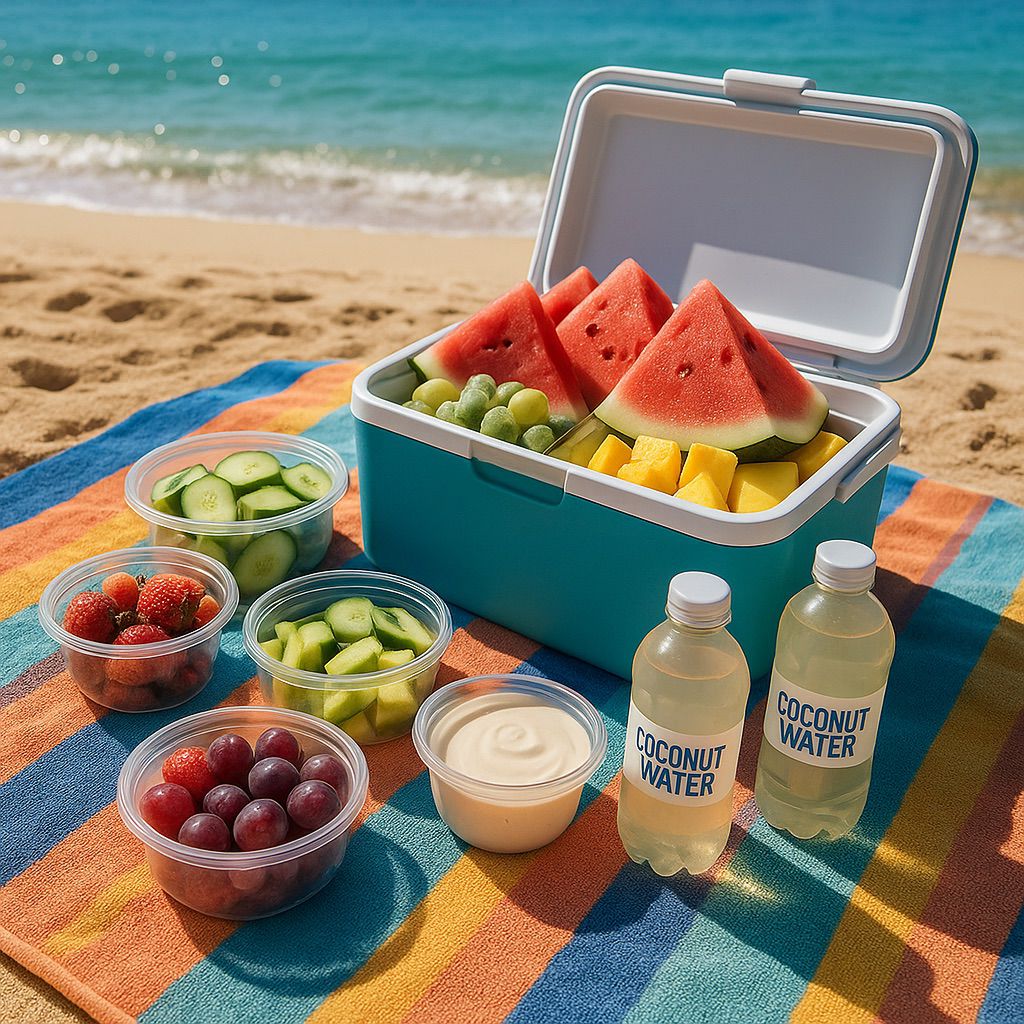
The classics are classics for a reason, and nothing screams hydration quite like watermelon. Its bright pink flesh is over 90% water, sweet and refreshing in a way that feels like biting into summer itself. Pre-cut into cubes, spears, or even frozen into popsicle sticks, watermelon is the ultimate beach snack. It’s not just water in fruit form—it’s electrolytes, vitamins, and pure joy in every bite. Grapes work the same magic. Frozen overnight, they double as tiny, natural ice cubes that keep your cooler cold while transforming into bite-sized pops of refreshment under the sun. Cucumbers, though often underestimated, deserve a spot too. Their crisp crunch and high water content make them feel almost more like a drink than a food, and with a sprinkle of salt or a dip into hummus, they become addictive in the best way.

Fruit is only the beginning, though. Oranges, tangerines, and clementines peel easily on the sand, releasing bursts of juice that wake you up instantly. Pineapple chunks are another tropical favorite, tangy and sweet, dripping with hydration while doubling as a mood lifter. Berries—strawberries, blueberries, raspberries—are tiny hydration bombs packed with antioxidants, making them as good for your skin as they are for your energy. Paired together in a fruit salad or layered into skewers, these fruits become the star of the beach picnic, colorful mosaics that feel both indulgent and functional.

But hydrating snacks don’t stop at fruit and veggies. Yogurt cups, especially when frozen slightly before packing, offer creamy refreshment and probiotics that keep your gut happy while you play in the sun. Pair them with granola for crunch and fiber, or mix in chopped fruit for an even more hydrating punch. Smoothies, stored in insulated bottles, are another genius move. Blend up spinach, cucumber, pineapple, and coconut water, and you’ve got a portable green drink that keeps you hydrated while tasting like a tropical treat. For those who like savory options, gazpacho—a chilled tomato-based soup—is unexpectedly beach-friendly when carried in jars or bottles. Each sip is refreshing, tangy, and loaded with electrolytes, proving that hydration doesn’t have to be boring.

Coconut water itself deserves a spotlight. Nature’s sports drink, it’s rich in potassium and electrolytes, making it perfect for replenishing after swimming or playing beach volleyball. Freeze bottles overnight and they’ll slowly melt into slushy goodness throughout the day. Pair it with light snacks like celery sticks, which are over 95% water, or bell pepper slices that offer both hydration and crunch. It’s not about eating heavy meals—it’s about grazing lightly throughout the day, giving your body exactly what it needs to keep going without weighing you down.

Even snacks with a reputation for indulgence can be made hydrating. Popsicles, for instance, can be homemade with nothing more than blended fruit and water, frozen into molds the night before your trip. Pack them in a cooler and you’ve got treats that beat the heat while sneaking in hydration. Chia seed puddings are another surprising win; when mixed with almond milk or coconut water and fruit, they absorb liquid and release it slowly, keeping your hydration levels steady. They’re easy to pack, endlessly customizable, and stylish enough to impress even the pickiest of beachgoers.

The trick to hydrating snacks is layering textures and flavors. Combine juicy fruits with crunchy veggies, creamy yogurts with crisp granola, or sweet popsicles with savory dips. That variety not only keeps you satisfied but also encourages you to snack more frequently, which means you’re hydrating consistently without even realizing it. It’s sneaky wellness—the kind that feels like indulgence but pays off in energy and mood.

At the end of the day, hydrating snacks are more than just fuel. They’re part of the ritual, part of what makes beach days special. They’re the grapes your friend pops into your mouth while you’re too lazy to sit up, the orange slices passed around after a swim, the watermelon that stains your hands and makes everyone laugh as juice drips down their chin. They’re communal, joyful, and tied to memory. You don’t reminisce about bottled water—but you do remember the frozen strawberries that tasted like candy or the cucumber slices that revived you after a long swim. Snacks become stories, and on the beach, those stories taste like sunshine.

So next time you pack for a beach day, think beyond chips and cookies. Load your cooler with color, flavor, and hydration. Fill it with watermelon wedges, frozen grapes, pineapple chunks, cucumber slices, yogurt cups, chia puddings, coconut water, and maybe a batch of homemade popsicles. Make it playful, make it refreshing, make it something that doesn’t just fill your stomach but cools your soul. Because the secret to the perfect beach day isn’t just sunscreen and shade—it’s the snacks that keep you going, keep you glowing, and keep the laughter rolling long after the tide comes in.

Related Posts

Waves Without Worry: The Art of Budget-Friendly Beach Escapes

Dave

There is a myth that has lingered far too long, one that says a beach vacation has to be expensive to be memorable. That to feel sand under your feet and hear the rhythmic crash of waves, you need a five-star resort, pricey cocktails, or a plane ticket halfway around the world. The truth is much kinder, much simpler: the ocean doesn’t care how much money you have. The sea welcomes everyone, no questions asked, and some of the most magical beach escapes are also the ones that barely dent your wallet. Budget-friendly doesn’t mean boring; it means smart, creative, and often more authentic than trips weighed down by luxury price tags. When you chase the essence of a beach escape—the salt air, the endless horizon, the laughter of friends or family—it becomes clear that joy doesn’t need a receipt.

The heart of a budget-friendly beach escape lies in reimagining what a getaway truly is. It doesn’t need to involve flights, sprawling resorts, or expensive beachside dinners. Sometimes, the best trips happen just a car ride away. Exploring local or nearby coastlines is one of the simplest hacks for saving money while still scratching that itch for ocean air. Those overlooked beaches within a couple of hours of home often surprise travelers with their beauty, their quirks, and their quiet charm. Day trips turn into overnight stays with a tent, a sleeping bag, or a modest Airbnb, and suddenly, the cost of a getaway is a fraction of what a big vacation would demand. The point isn’t distance—it’s perspective. Even the closest stretch of sand can feel like paradise if you allow yourself to slow down, breathe it in, and let go of the idea that vacations only count when they require passports.

Lodging is often where budgets stretch and snap, but for those willing to think outside the box, affordable options abound. Camping on or near the beach delivers not just savings but experiences money can’t buy. Falling asleep to the sound of waves crashing just feet away from your tent is priceless. For those less enthusiastic about tents, budget-friendly guesthouses, hostels, or small vacation rentals offer comfortable, no-frills lodging that keeps the focus on the beach rather than the bedroom. Traveling with friends or family? Splitting costs across more people makes private rentals affordable and even cozy, transforming them into shared spaces of laughter, storytelling, and sandy footprints.

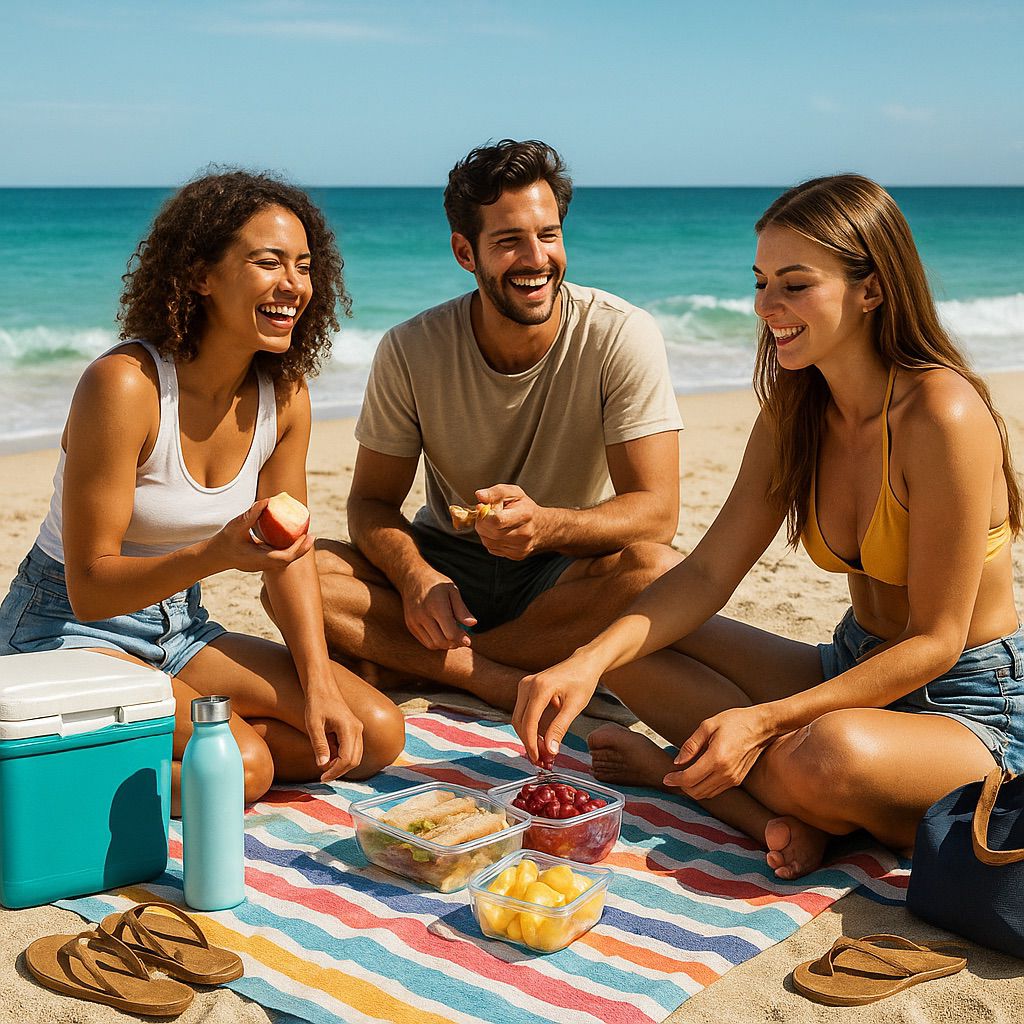
Food, another common money sink, becomes an opportunity on a budget escape. Picnics are underrated masterpieces of beach living. A cooler packed with sandwiches, fresh fruit, chips, and a bottle of something fizzy tastes infinitely better with the ocean as your dining room. Instead of costly beachside restaurants, visiting local markets and grocery stores saves money while adding cultural flavor. Cooking simple meals together in a rental or enjoying sunset snacks directly on the sand often makes memories far sweeter than a high-priced menu. And the occasional treat—a cone of ice cream on the boardwalk, a local specialty from a seaside shack—feels more indulgent when surrounded by simplicity.

Activities, too, don’t need to cost a thing. The beach itself is the entertainment. Swimming, snorkeling near shore, building sandcastles, collecting shells, or walking along the tide line at sunrise or sunset are experiences that outshine anything a theme park could sell. Bring along a frisbee, a volleyball, or even a deck of cards, and the day is instantly filled with play. Reading, napping, sketching, or simply sitting still while listening to waves are luxuries we forget in the rush of everyday life, and yet they cost nothing. For the more adventurous, many public beaches now offer free or low-cost activities like yoga classes, beach concerts, or guided nature walks through nearby dunes and wetlands. Entertainment is all around—you just have to notice it.

Transportation can also be tackled cleverly. Carpooling with friends splits gas costs, while public transportation to nearby beaches is often cheaper than expected. Off-season travel saves not just on lodging but also on parking fees and overall crowd stress, allowing you to enjoy the same destination with more peace and fewer expenses. Walking or biking around beach towns instead of renting cars not only saves money but also immerses you deeper into the rhythm of coastal living. It’s in those slower explorations that you discover hidden gems—a tucked-away café, a mural on a boardwalk, a quiet inlet only locals know about.

There’s also the joy of DIY fun. Instead of renting pricey kayaks or paddleboards every time, investing in an inflatable version to share among friends pays for itself quickly. Snorkel masks, beach games, and umbrellas can be bought once and reused across countless trips. The budget-friendly philosophy isn’t about denying yourself joy but about recognizing that ownership and planning often create long-term freedom. Building a beach kit that comes with you every time turns each trip into a well-oiled adventure that’s as inexpensive as it is delightful.

What people often forget is that some of the most viral-worthy, envy-inducing beach escapes come from budget travel. There’s a rawness to them, a feeling of authenticity that curated luxury can’t replicate. That photo of friends laughing around a driftwood bonfire, toes buried in sand, hair still damp from the sea—it doesn’t matter that no one spent hundreds of dollars on dinner. That video of a child squealing as waves chase their ankles doesn’t come from an all-inclusive package. The most shareable, heartwarming, inspiring stories of beach trips usually come from the simple ones. Because in the end, no one likes a vacation story about the bill. People love stories about freedom.

Perhaps the greatest gift of a budget-friendly beach escape is how it strips away distractions. Without the pressure of luxury, without the burden of financial guilt, you’re free to focus on what really matters: the people you’re with, the moments you’re in, and the ocean itself. It’s not about what cocktail you’re sipping but about the laughter that bubbles up as your group tries to open a stubborn cooler. It’s not about the fanciest resort pool but about plunging into the salty sea and feeling every muscle loosen. It’s not about souvenirs in glossy shops but about the perfect shell found at dawn, tucked into a pocket, priceless and irreplaceable.

At its core, the ocean has always been the great equalizer. It doesn’t ask for admission. It doesn’t charge you for sunsets. It doesn’t care what kind of car brought you there or what hotel you checked into. Its magic is free, its beauty belongs to everyone, and its ability to renew your spirit doesn’t come with a price tag. A budget-friendly beach escape is not a compromise—it’s a reminder that joy is simple, beauty is everywhere, and the best things in life are, indeed, free.

So the next time you find yourself longing for the shore but worrying about the cost, take heart. Pack a bag with the basics: swimsuits, sunscreen, a towel, some snacks, and your favorite people. Drive to the nearest coastline or plan a weekend getaway that values simplicity over splurge. Sit on the sand, breathe deep, and let the waves wash away not just stress but the idea that you need money to buy happiness. Because happiness is already there, rolling in with every tide, free for anyone who makes the time to find it. That is the art of the budget-friendly beach escape, and once you learn it, the ocean will never feel far away again.

Related Posts

Beneath the Surface: The Beginner’s Guide to Underwater Photography

Dave

There’s something undeniably magical about slipping beneath the surface of the water. The world changes instantly: light bends differently, sound muffles into a low hum, and colors shift as if you’ve entered a living dream. Fish dart in flashes of silver, coral sways with the rhythm of the tide, and for a moment, you realize how vast and otherworldly the ocean truly is. Capturing that feeling through underwater photography is one of the most rewarding challenges a creative adventurer can take on. It’s not just about snapping pictures—it’s about learning to see the world in a new dimension, translating the surreal into something you can hold, share, and revisit long after you’ve dried off. But the ocean doesn’t make it easy. Cameras fog up, light disappears, currents tug, and subjects rarely stay still. Underwater photography is an art form where patience meets technology, and where the ultimate reward is bringing back images that make people gasp with wonder.

Like all adventures, it starts with preparation. You don’t need to buy the most expensive camera rig to begin. For many beginners, waterproof smartphones with proper underwater housings are a perfect start. They’re lightweight, easy to handle, and forgiving when you’re still figuring out how to manage breathing, buoyancy, and framing at the same time. Action cameras like GoPros have also earned a reputation as reliable, compact tools for beginners—simple, sturdy, and versatile. As you advance, mirrorless and DSLR cameras with dedicated housings and dome ports open up a world of professional possibilities, but they also demand more skill, investment, and maintenance. The key is to start with what you’re comfortable managing underwater; after all, even the best camera can’t save a shaky, unfocused shot.

Once you’ve chosen your gear, the housing becomes your best friend. It’s what stands between your camera and the water, and even the smallest leak can spell disaster. Checking O-rings for dust, hair, or grains of sand before every dive is essential. Always test your housing in shallow water first to ensure no leaks occur, because nothing ruins the dream faster than discovering a soaked camera. Anti-fog inserts help keep your lens clear, and regular rinsing with fresh water after a dive keeps salt from building up. Learning to care for your equipment is just as important as learning to use it.

Light is the next great frontier in underwater photography. The deeper you go, the more light fades away, and with it, color. Reds disappear first, then oranges, yellows, and greens. By the time you reach just 30 feet, everything takes on a bluish-green cast. This is why so many beginner photos come back looking flat or dull. The secret to reviving those colors lies in shooting shallow when possible, staying within 10 to 20 feet where sunlight still penetrates, and using artificial lights or strobes when diving deeper. Even a small video light can transform your photos, revealing vibrant coral and fish that otherwise blend into the shadows. Mastering the interplay between natural light and artificial illumination is one of the defining skills of a great underwater photographer.

Composition plays differently underwater too. The ocean is a dynamic place; nothing is static. Fish swim away, plants sway, bubbles rise, and light dances in ripples. To create striking images, you have to embrace that movement rather than fight it. Get close to your subject—closer than you think. Water reduces clarity, and the more distance between you and your subject, the hazier the image becomes. Filling the frame with a turtle, a diver, or a school of fish creates intimacy and impact. Shooting upward rather than downward often produces more dramatic results, capturing your subject against the light-filled surface. Wide-angle lenses are popular for this reason, letting you capture both subject and environment without losing clarity.

Buoyancy control is the unsung hero of underwater photography. If you’re constantly bobbing up and down, stirring up sand, or floating away from your subject, no camera will save your shots. Practicing neutral buoyancy until it feels second nature not only protects fragile marine environments but also allows you to hover calmly as you frame your shot. Think of yourself as part of the water column—you’re not fighting it, you’re flowing with it. This zen-like state not only improves your photos but also deepens your connection to the underwater world.

Timing is everything. Marine life doesn’t pose, and the ocean doesn’t pause for you. Patience, observation, and respect for your subjects are key. Watch how fish move, how they dart and return, how turtles rise for air, how rays glide. Anticipating behavior allows you to capture moments rather than chasing them. And always remember: the ocean is not a studio. Respect its rhythms, don’t harass wildlife, and prioritize safety over the perfect shot. The goal is to capture the beauty of the ocean without disturbing it.

Editing also plays a huge role in underwater photography. Even with the best lighting, colors often need correction to restore their true vibrancy. Software like Lightroom or Photoshop can bring back warmth, contrast, and detail lost in the depths. But editing isn’t about creating fantasy—it’s about honoring what you saw, bringing the image closer to the magic your eyes experienced that the camera couldn’t fully capture. A little adjustment to white balance, exposure, and sharpness can elevate a decent shot into something extraordinary.

What makes underwater photography so viral, so irresistible, is the sense of discovery it brings. People love to see what lies beneath the waves, especially those who’ve never strapped on a mask and snorkel. Your photos become more than just personal souvenirs; they become windows for others, invitations into a world that still feels mysterious. A single photo of a clownfish peeking out of anemone or a sunbeam breaking through kelp forests can ignite wonder across the internet. Underwater photography isn’t just a skill—it’s storytelling for a world most people never get to see.

And yet, what makes it unforgettable is how human it feels. You, floating in the vastness, heart beating a little faster with each dive, trying to hold steady as a curious fish tilts its head toward you. You, fumbling with settings, only to glance up and see a manta ray gliding gracefully above. You, realizing that half the fun isn’t the picture you bring home but the moment you lived to take it. The camera is just the excuse. The real magic is how the ocean makes you feel alive, small, and connected all at once.

In the end, the basics of underwater photography boil down to this: gear you trust, light you understand, composition that embraces intimacy, buoyancy that feels effortless, patience that honors the ocean, and editing that reveals what your eyes saw. It’s about building skill while keeping curiosity alive, about striving for technical mastery without losing the childlike awe of being underwater. Every photo is temporary—after all, the subjects move, the sand shifts, the tide returns—but the memories and images last long beyond the dive.

So pack your housing, charge your camera, and dive in. The ocean is waiting, filled with stories to tell, colors to capture, and creatures to meet. You may not get the perfect shot your first time, but that’s the beauty of it. Each dive, each attempt, is a lesson, and one day you’ll surface with an image that makes even you gasp. That’s the reward. That’s why we chase the light beneath the waves. That’s why underwater photography is more than a hobby—it’s a way of carrying the ocean home.

Related Posts

Grills, Waves, and Good Vibes: The Ultimate Guide to a Summer BBQ at the Beach

Dave

Few things capture the essence of summer quite like a barbecue at the beach. The combination of sizzling food, salty air, golden sunsets, and laughter echoing over the sound of waves is nothing short of magical. A beach BBQ is more than just a meal; it’s an event, a sensory celebration where every detail matters. The crackle of charcoal, the glow of a portable grill, the smell of marinades mingling with ocean breeze—it all weaves together into an experience that feels both carefree and unforgettable. But to make it truly work, preparation is everything. You can’t just toss a few burgers into a bag and hope for the best. You need a checklist, a strategy, and above all, the right spirit to transform an ordinary cookout into a memory everyone talks about for years. So let’s dive into exactly what you should bring to make your summer BBQ at the beach the kind of story that spreads like sunshine.

It starts with the centerpiece: the grill. Portable is the keyword here. Whether you prefer a small charcoal grill that gives food that authentic smoky flavor or a propane version that fires up instantly, it needs to be compact enough to carry yet powerful enough to feed a hungry crowd. Don’t forget fuel—extra charcoal, lighter fluid, or a backup gas canister—because nothing kills the vibe faster than a grill that sputters out halfway through the fun. Tongs, spatulas, and a sturdy grill brush are your best friends; without them, you’ll be flipping burgers with plastic forks, and trust me, nobody wants to watch that happen.

Now for the star of the show: the food. Burgers and hot dogs are classics, reliable and crowd-pleasing, but a beach BBQ gives you room to get creative. Marinated chicken skewers, shrimp kabobs brushed with garlic butter, or even foil-wrapped salmon with lemon slices all cook beautifully by the sea. Vegetables deserve their moment too—grilled corn on the cob, zucchini strips, bell pepper skewers, or portobello mushrooms make vegetarians happy and add color to the spread. Don’t overlook snacks to keep everyone satisfied while the grill does its magic: chips and salsa, fruit skewers, pasta salads, or a platter of cheese and crackers that pairs perfectly with an afternoon drink. And speaking of drinks, hydration matters just as much as indulgence. A cooler packed with ice-cold water, lemonade, sparkling sodas, and maybe a few beach-friendly cocktails keeps the group refreshed all day.

But food and drinks are just part of the story—comfort and practicality make or break the experience. Chairs, blankets, or beach mats create a gathering spot, while a canopy or umbrella provides much-needed shade in the midday sun. A folding table helps keep food out of the sand, and extra coolers double as seats when the guest list grows. Utensils, cups, plates, and napkins might sound obvious, but they’re easy to forget in the rush to pack, and there’s nothing worse than having grilled chicken ready with no fork in sight. Go the eco-friendly route with reusable or compostable options, and bring a roll of paper towels and wet wipes for quick cleanups. Trash bags are non-negotiable; part of the beauty of a beach BBQ is leaving the sand as pristine as you found it.

Entertainment is another essential ingredient. A waterproof Bluetooth speaker sets the soundtrack of the day, whether it’s mellow acoustic strumming during the afternoon or upbeat anthems once the sun starts to dip. Frisbees, footballs, paddleball sets, or even a beach volleyball net keep energy levels high between meals. For a slower pace, card games or a simple deck of Uno create laughter that flows just as easily as the drinks. And let’s not forget the magic of timing. A beach BBQ isn’t just about the food; it’s about the rhythm of the day. Start early enough to enjoy swimming, tanning, and games, then let the grill heat up as the afternoon cools. As the sun sets, the glow of the barbecue mingles with the fading light, creating an atmosphere so perfect it feels staged.

Music and lighting add that final layer of magic. As night approaches, string lights powered by portable batteries or lanterns create a cozy glow. If bonfires are allowed, roasting marshmallows and making s’mores is the ultimate grand finale, one that makes even adults feel like kids again. A playlist curated in advance—mixing everyone’s favorite summer songs—keeps the vibe consistent. There’s something about hearing a beloved track with sand under your feet and stars above your head that sticks with you long after the trip is over.

Preparation also means thinking about the little things that elevate the experience. Sunscreen is obvious, but aloe vera for after-sun care is a lifesaver. Bug spray becomes a necessity as dusk falls. Extra towels and blankets ensure no one gets chilly once the breeze picks up. A portable fan can even make those sweltering moments bearable. And don’t underestimate the power of presentation: a well-packed cooler with labeled drinks, fruit salads served in hollowed-out pineapples, or skewers displayed like works of art all add to the aesthetic. People eat with their eyes first, and a beautifully arranged spread makes the day feel like something out of a magazine.

But beyond the lists and logistics, the heart of a beach BBQ is the people. It’s the way friends gather around the grill, each offering “expert” advice while one person sweats it out flipping burgers. It’s the sound of kids laughing as they dart in and out of the surf, their faces smeared with watermelon juice. It’s the friend who always brings too much food, the one who insists on taking group selfies every twenty minutes, and the one who DJs the afternoon with way too much enthusiasm. These quirks are what turn a simple meal by the sea into a story you’ll tell for years. The ultimate checklist is about ensuring nothing gets in the way of those moments.

Because in the end, a summer BBQ at the beach isn’t about the grill or the skewers or even the playlist—it’s about connection. It’s about gathering with people you love in a place that already feels like paradise and adding your own flavors, sounds, and laughter to it. It’s about eating with your hands, toes in the sand, and realizing that the best meals don’t happen in restaurants but in the open air, with smoke rising to meet the sky and waves applauding from the shore. The food will be eaten, the drinks finished, the sun gone, but the feeling? That lingers. It clings like salt to your skin, something you’ll carry with you long after you’ve shaken the sand from your shoes.

So pack the grill, load the cooler, grab the speaker, and don’t forget the sunscreen. Because the ultimate summer BBQ at the beach isn’t waiting—it’s calling. And the only thing better than hearing the waves crash is hearing them while you bite into the best burger of your life, surrounded by people who make the world brighter. That’s summer, bottled in a moment. That’s the BBQ you’ll never forget.

Related Posts

From Buckets to Masterpieces: Building the Ultimate Sandcastle

Dave

There is something timeless and universal about building a sandcastle. No matter where you grew up or how old you are, the urge to dig your hands into wet sand, scoop it into a bucket, and flip it upside down into a perfect little tower never quite leaves you. On beaches all over the world, castles rise with the tide, only to be washed away later, reminding us that some of the best creations in life are fleeting. But somewhere between those simple childhood piles and the jaw-dropping professional sand sculptures you see at festivals lies the dream of every beachgoer: building the ultimate sandcastle. Not just a lopsided tower or a moat that collapses, but something that feels like art, a fortress that stands proud against the breeze, a creation that makes people walking by stop in their tracks and say, “Wow, look at that.”

The beauty of building sandcastles is that the materials couldn’t be simpler. Sand, water, a few tools, and your imagination. Yet anyone who has ever tried to stack sand too dry or pile it too wet knows it’s not as easy as it looks. The secret is in the mixture: the perfect ratio of sand to water, something close to the consistency of cookie dough. Too dry and it crumbles; too wet and it slumps. Master sand builders know this instinctively, carrying buckets back and forth to the ocean, mixing until the grains hold together in a compact clump that you can carve without collapse. It’s a small act of alchemy, turning grains of crushed rock into something that feels as alive as clay.

But the ultimate sandcastle isn’t just about sturdy walls—it’s about imagination unleashed. Maybe your dream castle looks like a medieval fortress, with turrets and moats and drawbridges. Maybe it’s a fairy-tale palace, delicate spires rising like a dream out of the beach. Maybe it’s something modern, sculpted and abstract, an art installation disguised as play. Each design carries its own personality, and that’s part of the joy. Sand doesn’t cost a thing, and it doesn’t carry risk, so you are free to experiment, to try wild ideas you’d never attempt with brick or wood or stone. With sand, mistakes wash away, and every new tide brings a blank canvas.

Tools elevate the game. Buckets and shovels are classics, but straws, spatulas, spoons, and even old credit cards or butter knives become chisels for detail. With the right touch, you can carve windows, stairs, battlements, and tiny seashell decorations that transform a pile into a story. Some castle-builders bring spray bottles to keep the surface damp, others pack large forms to mold arches or towers. But even with nothing more than your hands, magic is possible. The human urge to build is primal, and in sandcastle-making, it collides with childlike joy.

Every great sandcastle has a story. Maybe it’s the castle a father built with his kids one summer, walls so high they almost reached their waists, complete with a moat that kept filling with ocean water as if defending it from an invisible army. Maybe it’s the castle two strangers collaborated on, wordlessly sharing tools and ideas until they built something together that neither could have done alone. Maybe it’s the castle that became a magnet for kids passing by, each adding a little tower or shell until it turned into a community project. These castles are more than structures—they are experiences woven into memory, lessons in teamwork, patience, creativity, and joy.

Professional sand sculptors take this to another level. At festivals from Texas to Portugal, artists carve dragons, pyramids, life-size faces, and towering cathedrals from nothing more than sand and water. These works can reach 15 feet high and last for days, defying the fragility we usually associate with sand. They remind us of the ultimate potential hidden in ordinary grains, the way imagination and technique can turn even the most temporary material into jaw-dropping beauty. But the ultimate sandcastle for the rest of us doesn’t have to rival these feats. It just has to feel like something we poured our hearts into, something that, for a few hours, stood as proof of joy and creativity on the shore.

What makes building sandcastles so viral, so memorable, is how it connects us across generations. Children, teens, adults, even grandparents all gather around the same pile of sand with equal wonder. It’s one of the few activities that doesn’t require skill to start but offers infinite levels to master. Everyone can play, everyone can contribute, everyone can marvel. The castle you build with your kids today might become the memory they tell their kids tomorrow. The castle you build alone might become the one thing that finally made you slow down and breathe deeply after months of stress. The act itself is grounding, almost meditative. Each scoop, each pat, each carved line brings you deeper into presence, tethered to the earth and the sea in the most playful way.

Of course, every sandcastle eventually falls. The tide creeps in, the waves lap at the moat, the walls weaken and slump, the turrets collapse into mush. And yet, rather than being depressing, it’s beautiful. It’s a reminder of impermanence, of the fleeting nature of joy, and of the value of creating not because something will last forever but because it mattered in the moment. Sandcastles teach us that beauty can be temporary and still worthwhile. That joy doesn’t have to be permanent to be real. That sometimes, the act of building is enough, regardless of what survives.

So what does the ultimate sandcastle look like? It’s less about the perfect spires or the straightest walls and more about the feeling it creates. It’s the castle that makes kids laugh when they jump in the moat. It’s the castle that strangers stop to admire, sparking conversations with people you’ve never met. It’s the castle that holds shells like treasure chests and leaves behind a story even when the waves carry it away. It’s the castle that lives in photos, in sunburned shoulders, in salty smiles.

In the end, building the ultimate sandcastle isn’t just a beach activity. It’s a metaphor. It’s about making time for play, about embracing imperfection, about collaborating, about enjoying the process as much as the result. It’s about knowing that some of the best things in life won’t last forever but will feel extraordinary while they do. And when you walk away at sunset, brushing sand off your hands and feet, you’ll know the truth: the real castle you built wasn’t in the sand—it was in your memory, your laughter, your heart.

Related Posts

Sandy Toes, Salty Hair, Zero Worries: The Ultimate Girls’ Beach Weekend Checklist

Dave

There is something magical about planning a girls’ beach weekend, a kind of excitement that feels like being seventeen again, when the promise of salt air and laughter was enough to carry you through the week. A beach trip with your closest friends isn’t just a getaway—it’s an event, an escape from deadlines and drama, an excuse to pack the cutest outfits you own, and an opportunity to recharge together in the sunshine. Unlike a solo trip or a romantic vacation, a girls’ beach weekend is powered by collective energy, the anticipation of shared playlists, matching swimsuits, endless snacks, and conversations that drift from silly to soul-baring under umbrellas by the sea. But pulling it off seamlessly takes more than just tossing a bikini into a bag and calling it a day. The ultimate girls’ beach weekend checklist isn’t just about what to pack—it’s about how to create an atmosphere of joy, ease, and connection where every detail has been thought of and no one is left wishing they’d remembered something essential.

Let’s start with the obvious: swimwear. A girls’ beach weekend calls for options, because moods shift like tides. One day it’s the bold bikini moment for photos, the next it’s the comfortable one-piece for water volleyball, and maybe even a matching set you all agreed on just for fun. Add in cover-ups—flowy kaftans, sarongs, oversized shirts—and you’ve got instant versatility for beach-to-bar transitions. Sunglasses are non-negotiable, but the trick is having a pair that looks good in group selfies while actually protecting your eyes. And of course, wide-brimmed hats, bucket hats, or visors—whatever your vibe—because sun protection can absolutely be chic.

Now for the unsung heroes: skincare and sunscreen. Nothing kills the vibe faster than a sunburn, so this section of the checklist deserves reverence. Pack reef-safe sunscreen with SPF 30 or higher, but bring multiple kinds—spray for quick reapplication, lotion for thorough coverage, and tinted SPF moisturizers for the friend who refuses to go bare-faced. Aloe vera gel is a must for soothing, even if you’re careful, and hydrating face masks turn an evening wind-down into a mini spa night. Toss in lip balm with SPF, because chapped, sunburnt lips are an avoidable tragedy. The beauty of traveling with friends is that someone always has the product you forgot, but the checklist ensures that everything important makes it into at least one bag.

The snack and drink game is where true legends are made. Sure, you could rely on boardwalk food, but half the fun of a girls’ trip is the shared picnic spread. Think fruit that travels well—grapes, clementines, apple slices—plus crackers, cheese, hummus, and pretzels. Granola bars or protein bites keep energy steady between swims, while popcorn and trail mix satisfy those grazing cravings. Drinks should be equally thoughtful: plenty of water bottles (bonus points for cute reusable ones), sparkling water for the fizzy lovers, and pre-mixed cocktails or wine spritzers packed in a cooler for when the sun starts setting. Don’t forget a corkscrew—it sounds trivial until you’re trying to open a bottle with car keys.

Then there are the little luxuries that elevate a beach trip from fun to unforgettable. A waterproof Bluetooth speaker is practically a requirement, because no girls’ weekend is complete without a curated playlist blasting everything from nostalgic throwbacks to guilty-pleasure anthems. A big beach blanket or a set of matching towels not only looks great for group photos but also saves everyone from sand wars. Portable chargers keep phones alive for capturing every moment, and a disposable film camera or Polaroid instantly transforms memories into keepsakes. Games—cards, beach paddles, or even just a ball—bring laughter when the sun gets too hot and everyone needs a break from tanning.

Outfits for off-beach hours often get overlooked, but they matter. Nights out on a girls’ beach weekend are their own kind of magic—hair still salty from the ocean, skin glowing, laughter spilling out as you walk to dinner. Pack sundresses that slip on easily, sandals that work on sand and city streets, and one or two elevated pieces if the night calls for dancing. Lightweight sweaters or denim jackets are perfect for bonfire nights, when the air cools but no one wants to go inside.

Of course, a beach checklist wouldn’t be complete without practical items that seem boring until you need them: hair ties, bobby pins, and scrunchies for taming windblown hair. A mini first aid kit with band-aids for unexpected blisters or coral scrapes. Ziplock bags for wet swimsuits, and totes that double as both beach bags and shopping carriers. Even baby powder, a random but genius hack, makes brushing sand off legs effortless before heading back to the hotel. These little things are what make you feel smugly prepared while other groups are scrambling.

Perhaps the most important part of a girls’ beach weekend checklist isn’t even tangible—it’s the intention behind it. This trip isn’t about perfection; it’s about presence. It’s about showing up with your friends, letting the sun and sea dissolve the stress you’ve been carrying, and making space for laughter that feels like medicine. It’s about creating rituals—sunscreen circles where everyone helps each other, snack time that turns into storytelling, dance breaks that erupt out of nowhere. These are the details that make a beach weekend unforgettable.

The best part? The checklist is really a framework, not a rulebook. Each group customizes it—some lean into glam with coordinated outfits and styled beach hair, others lean into pure chaos with mismatched towels and snacks spilling out of grocery bags. Both are perfect, because the point is never about getting everything right. The point is making memories, ones that come back years later when you find sand in the pocket of a bag or scroll through photos of sunsets framed by your friends’ silhouettes.

The ultimate girls’ beach weekend checklist is not just about stuff—it’s about the moments those items unlock. The speaker blasting your anthem as you run into the waves. The snacks that fuel your endless conversations. The Polaroids that capture laughter in a way iPhones never quite do. The aloe vera that saves you from misery so you can laugh about the sunburn scare instead of crying through it. The tote bags overflowing with everything you thought you’d never use but ended up needing. Every item, every detail, every laugh—it all adds up to a trip that becomes part of your shared story.

At the end of the day, what makes a girls’ beach weekend magical isn’t the beach itself but the people on the towels beside you. The checklist is just your way of making sure nothing gets in the way of joy. Because when the sun sets, when the sky glows pink and the tide creeps closer, when you’re sitting in the sand with your best friends and the music still plays softly, what you’ll remember isn’t how perfect your packing list was. You’ll remember how free you felt, how close you were, how the ocean seemed to echo your laughter. That’s the magic of a girls’ beach weekend, and with the ultimate checklist, you make sure you have everything you need to let it unfold perfectly imperfect.

Related Posts

Keep It Cool: The Ultimate Guide to Portable Snacks That Won’t Melt

Dave

There’s an art to snacking, especially when life doesn’t give you the luxury of refrigeration. Anyone who has ever unwrapped what was supposed to be a delicious chocolate bar only to find a sticky puddle knows the heartbreak of snack failure. The truth is, not all foods are built for travel. Sunshine, backpacks, car rides, long walks, beach trips, and hikes test the endurance of whatever you pack, and some snacks simply crumble under the pressure—literally and figuratively. But there’s a world of options out there for those who want to keep hunger at bay without dealing with melted messes or soggy regrets. Portable snacks that won’t melt aren’t just a convenience; they’re a survival skill, a sanity saver, and in some cases, the difference between a joyful day out and a cranky crash caused by hunger pangs and sticky fingers.

The first rule of non-melting snacks is simple: think resilience. Fruits and veggies, nature’s most portable options, often get overlooked because they seem too simple, but the truth is, they’re champions when it comes to durability. Apples, for instance, can roll around in your bag all day without giving up. Carrot sticks never sweat under pressure, and grapes, when packed right, stay cool and crisp even in a warm setting. Dried fruit is even better, offering all the flavor without the risk of spoilage. Dried mango, chewy apricots, raisins, or even freeze-dried strawberries deliver sweetness with no melting, no sticky wrappers, and no mess. Nature got it right, and often, the simplest options are the best.

For those who crave something more indulgent, nuts and seeds step in as the heroes of snack time. Almonds, cashews, walnuts, sunflower seeds, and pumpkin seeds are not only melt-proof but also nutrient-dense, providing protein and healthy fats that keep energy levels steady. They’re the kind of snack that feels substantial, giving you that satisfying crunch while fitting neatly into a small container or resealable bag. Add in some dried cranberries or banana chips for a homemade trail mix, and suddenly you’ve got a snack that’s both practical and delicious. Best of all, trail mix doesn’t ask for refrigeration, doesn’t complain about heat, and never fails to deliver—unless, of course, you add chocolate chips that turn into tiny, smeared disasters on a hot day.

Granola bars and energy bites also belong in the no-melt hall of fame, though it’s worth choosing wisely. Bars with a heavy chocolate coating are likely to soften, but oat-based or nut-butter-based bars without chocolate drizzles hold strong in almost any climate. Better yet, DIY energy bites made with oats, nut butter, honey, and seeds not only keep their shape but also taste like little bursts of power you can pop anytime. Wrap them in parchment or tuck them into a container, and they’ll outlast the sunniest picnic. Some brands even specialize in melt-resistant bars, designed specifically for outdoor adventures, ensuring that what you pull out of your bag tastes as good as when you packed it.

Crackers and rice cakes are another underrated snack that laughs in the face of heat. They don’t melt, don’t wilt, and stay crispy when stored in a sealed bag. Add a small container of nut butter or hummus if you’re able to keep it cool, but even plain, they provide a satisfying crunch that pairs well with cheese sticks (if you’ve got a cooler) or dried fruit. Whole grain crackers also provide slow-release energy, making them a smarter option than chips for those long days outside. If you want to get creative, pack flavored rice cakes—apple cinnamon, caramel, or cheddar—for a touch of variety without sacrificing durability.

Then there’s the snack that has been around since childhood lunchboxes: jerky. Beef jerky, turkey jerky, even plant-based jerkies made from mushrooms or soy are all fantastic non-melting, protein-packed options. Jerky is built for endurance, designed to withstand travel and time. It’s savory, satisfying, and endlessly portable. A couple of strips can tide you over for hours, making it an ideal companion for road trips, hikes, or long days at the beach. Unlike snacks heavy with sugar, jerky sustains energy without causing a crash, and it doesn’t mind a little heat along the way.

If sweet snacks are your go-to, cookies might just surprise you. While gooey chocolate chip cookies are bound to cause trouble, shortbread, biscotti, or oatmeal cookies without chocolate add-ins handle heat gracefully. Biscotti, in particular, could sit in a bag for weeks and still taste delicious—if it lasts that long. Pair it with an iced coffee or tea you pick up on the way, and suddenly you’ve got a café-level snack moment wherever you are. It’s indulgence without the melt, sweetness without the mess.

Savory snack lovers can rejoice, too. Popcorn, whether plain, lightly salted, or seasoned with spices, travels well and stays stable no matter the weather. Pack it in zip-top bags, and you’ve got a lightweight, fun-to-eat snack that works just as well on a road trip as it does on a beach blanket. Pretzels are another strong contender, offering crunch and saltiness that won’t let you down. Add some single-serving packs of mustard or peanut butter if you want to elevate the experience, but even on their own, pretzels are sturdy snack MVPs.

For a little more creativity, roasted chickpeas and edamame are fantastic high-protein, heat-proof options. They come pre-flavored, from smoky barbecue to spicy chili lime, and provide a crunchy texture that feels both indulgent and healthy. They don’t melt, they don’t spoil easily, and they add a twist to the usual snack lineup. Think of them as the grown-up’s answer to chips—satisfying but smarter.

What makes portable, non-melting snacks so special is not just their practicality, but the way they shape experiences. Imagine a family at the beach, children racing in and out of the water, parents stretched out on blankets. When hunger strikes, instead of sticky candy bars and melted chocolate, there’s a spread of apples, crackers, jerky, and trail mix. Hands stay clean, kids stay happy, and nobody has to run off in search of a convenience store. Or picture a long hike, the sun high overhead, and the relief of pulling out a granola bar that hasn’t melted into a sad, crumpled mess. The right snack doesn’t just feed the body—it keeps the day flowing smoothly, turning potential frustration into satisfaction.

In the end, the best portable snacks that won’t melt are the ones that match your mood and your plans. Some days call for crunchy and salty, others for sweet and chewy. Sometimes you want simplicity, like an apple or a bag of popcorn, and other times you want creativity, like homemade trail mix or spiced roasted chickpeas. The beauty of this category is that it’s wide open, full of choices that travel well, taste great, and make life easier.

So the next time you pack for an adventure—whether it’s a beach trip, a hike, a road journey, or just a long day away from home—think about snacks that can take the heat. Choose foods that are resilient, fun, and flavorful, and you’ll never have to deal with sticky wrappers, melted messes, or disappointment again. A little preparation means a lot of joy, and when you’re sitting in the sunshine enjoying your snack while others are struggling with melted chocolate fingers, you’ll know you’ve cracked the secret.

Related Posts

Paradise Found and Lost: The Story of Maya Bay, Thailand’s Most Famous Beach

Dave

There are beaches that people visit to escape their daily lives, and then there is Maya Bay, a stretch of sand so impossibly beautiful that it almost seems fictional. Nestled among the dramatic limestone cliffs of Koh Phi Phi Leh in southern Thailand, this crescent-shaped bay has been worshiped, destroyed, mourned, and resurrected in the eyes of the world. For centuries, it was a secret shared only by fishermen, passing travelers, and locals who believed that spirits inhabited the caves along its cliffs. The powder-white sand and turquoise waters remained untouched for generations, a natural masterpiece created not by human hands but by the slow artistry of time, tide, and tropical sun. But as fate would have it, Maya Bay’s destiny was rewritten by a film camera, a Hollywood script, and a young Leonardo DiCaprio searching for paradise in the year 2000.

When Danny Boyle’s cult film The Beach was released, audiences were captivated by the story of an adventurous backpacker chasing the dream of a hidden Eden. Maya Bay was cast as that Eden, and from the moment its image lit up cinema screens, the bay ceased to be a secret. For many, the film was not just entertainment but an invitation, a promise that there really existed a place on Earth untouched by modern chaos. Tourists flocked from every corner of the globe, their imaginations fired by the dream of walking the same sands where DiCaprio once stood. What they found was real enough—limestone cliffs rising like guardians around a lagoon of jade water, soft sand slipping beneath their feet—but their presence began to unravel the very paradise they had come to adore.

In the early 2000s, what began as a trickle of curious travelers became a flood. At the height of its fame, Maya Bay welcomed as many as 6,000 tourists a day. Longtail boats and speedboats crowded into the lagoon, dropping anchors that tore through coral reefs which had taken centuries to grow. Sunscreen from thousands of bodies seeped into the waters, poisoning marine life. Plastic bottles and trash began appearing along the tide line. The once-crystalline bay became a swimming pool of humanity. Coral bleaching, pollution, and physical destruction devastated the underwater ecosystem, and blacktip reef sharks, once common in the shallows, disappeared. What had once been paradise had become a cautionary tale, and environmentalists who had warned of this fate during the filming of The Beach now watched as their predictions came true.

By 2018, Maya Bay was a shadow of itself. Scientists estimated that over 80 percent of its coral reefs were destroyed, and the marine biodiversity that once thrived in the bay was on the brink of collapse. The Thai government faced a difficult choice: continue profiting from mass tourism or take radical steps to save the bay. In a bold and unprecedented move, they chose the latter. Maya Bay was closed to visitors indefinitely, an extraordinary decision in a country where tourism is a lifeline for the economy. The announcement shocked the world. Could one of the most famous beaches on Earth really be sealed off? For more than three years, that is exactly what happened.

During its closure, Maya Bay became a laboratory of hope. Conservationists and marine biologists worked tirelessly to restore what had been lost. Tens of thousands of new corals were planted by hand, nurtured like fragile seedlings in a garden of the sea. Strict protections were introduced, and speedboats were permanently banned from entering the bay. Slowly, nature responded. Waters cleared, corals began to grow again, and in a moment of triumph, blacktip reef sharks returned to the shallows, a living symbol that the ecosystem was healing. What was once paradise lost was now, against the odds, becoming paradise reborn.

When Maya Bay finally reopened in 2022, it did so under a very different set of rules. Gone were the days of endless boatloads of tourists pouring directly onto its sands. Now, access was tightly controlled. Only 375 visitors were allowed at a time, each permitted just one hour on the beach. Boats were forced to dock on the far side of the island, and tourists had to walk along a wooden boardwalk to reach the bay. Swimming in the bay’s waters was prohibited to protect marine life, and park rangers enforced the new regulations with vigilance. Some travelers grumbled at the restrictions, but many more understood that this was the price of preservation. Maya Bay had not been saved just for Instagram photos—it had been saved for the future.

Today, visiting Maya Bay feels different than it once did. The beauty remains, but it is layered with meaning. To walk its sands is to step into a story of rise, fall, and redemption. You feel the echo of the past when the beach was untouched, the rush of excitement from the film that catapulted it into fame, the chaos of mass tourism, and finally the hope of a world learning to care for the fragile places it loves. Tourists now speak in hushed tones, aware that they are guests in a place that almost vanished. For many, it is a transformative experience, not just because of what they see, but because of what the beach represents.

Maya Bay has become more than a beach. It is a parable about the human desire for paradise and the consequences of our collective hunger for beauty. It is a mirror that reflects our choices as travelers, our responsibilities as global citizens, and our capacity for both destruction and healing. In an era when viral fame can be both a blessing and a curse, Maya Bay stands as a reminder that sometimes the world’s most viral stories come with lessons we cannot afford to ignore.

To write about Maya Bay is to share more than photographs of turquoise waters and white sand. It is to tell a story that resonates across cultures and generations, a story of longing, excess, collapse, and ultimately redemption. It is to remind readers that paradise is not simply found; it must be protected, nurtured, and respected. And perhaps that is why Maya Bay continues to capture imaginations, even now. Because it speaks not just of a place, but of who we are, and what we might still become if we learn from its journey.

Related Posts

Sandy Toes and Happy Hearts: The Magic of Family-Friendly Beach Vacations

Dave

There’s a certain electricity in the air when a family beach trip is approaching. It starts with the buzz of anticipation while packing bags, digging out swimsuits from the back of drawers, checking sunscreen supplies, and debating whether you really need to bring that extra set of sand toys. A family-friendly beach vacation isn’t just a trip—it’s a tradition, an anchor of memories that children and parents alike will carry long after the tan lines fade. These vacations have a way of compressing joy into small, unforgettable moments: a child’s first seashell discovery, a dad attempting to fly a kite that refuses to cooperate, a mom laughing so hard while being splashed that the sound of her laughter carries down the shoreline. It’s in these snapshots that family bonds are strengthened, and it’s no wonder why so many people say their happiest childhood memories are wrapped in the sound of crashing waves and the smell of salt air.

The beauty of a family-friendly beach destination lies in its ability to satisfy everyone. Kids crave endless play, and beaches deliver—sandcastle competitions that grow more elaborate by the hour, boogie boards riding waves until exhaustion sets in, or the simple delight of chasing gulls across the shore. Teens, often hard to please, find freedom in beach boardwalks, watersports, or the safe independence of exploring local shops and cafés. Parents rediscover the art of slowing down, stretching out under an umbrella with a book they’ve meant to read for months or joining in on a spontaneous beach volleyball game with their children. Grandparents, if they’re along, enjoy long walks at sunset, hand-in-hand storytelling, and seeing joy radiate across generations. Few vacation types allow such a natural blend of activities where every age group finds something they love, and where togetherness feels effortless rather than forced.

Some beaches around the world are legendary for catering to families. Destinations like Hilton Head in South Carolina, with its gentle waves and biking trails, or San Diego’s Coronado Beach, with its golden sand and calm surf, consistently rank high on the family-friendly list. Abroad, places like Algarve in Portugal or Playa del Carmen in Mexico offer warm waters, safe swimming zones, and activities that make kids feel just as catered to as adults. The key is not the size of the destination or even its fame—it’s the ability for a beach to become a playground, a dining room, a nap spot, and a stage for stories all in one day. Families don’t just visit beaches—they live entire days on them, sunrise to sunset, and the best spots are those that embrace that rhythm.

There’s also something inherently budget-friendly about family beach trips. Unlike theme parks or elaborate vacations, much of the fun comes free of charge. The ocean doesn’t ask for tickets. Sandcastles cost nothing more than imagination and a bucket. Shell collecting, frisbee tossing, evening walks along the tide line—all are priceless activities that weave themselves into the vacation tapestry without draining wallets. Of course, extras like ice cream runs, seafood dinners, or surf lessons add flavor, but the heart of a family-friendly beach trip is built on accessibility. The simplest joys often become the most meaningful, and no one feels left out because the beach belongs to everyone equally.

Packing for a family beach vacation becomes an art form of its own. Parents learn quickly that while the beach seems simple, it demands a certain toolkit: sunscreen that actually stays put, a sturdy umbrella or pop-up tent for shade, endless snacks that somehow vanish within minutes, and plenty of water. Towels multiply like rabbits, sand toys somehow double with each trip, and coolers become mobile buffets. The ritual of lugging it all across hot sand is part of the experience, and though parents may groan at the load, the payoff is watching their kids run ahead, barefoot and giddy, ready for another day of salty adventure. These efforts, though exhausting in the moment, often become the things laughed about later—the memory of that umbrella that flipped in the wind, or the cooler lid that refused to close over too many juice boxes.

Meals, too, transform on beach vacations. Even the pickiest eaters seem to find an appetite after hours in the surf. Sandwiches taste better when eaten on a towel, fruit feels sweeter when bitten into under the sun, and even a simple bag of chips somehow transforms into a feast when shared on the sand. For dinners, families gather at beachside restaurants where seafood platters and fruity drinks remind everyone that vacation is not just a place but a state of mind. There’s something deeply bonding about watching a sunset together while waiting for food, sticky fingers still covered in saltwater, cheeks pink with sun. These moments aren’t polished—they’re sandy, noisy, sometimes chaotic—but they’re real, and they’re the ones everyone remembers.

Perhaps the most powerful part of family-friendly beach vacations is the rhythm they establish. Days start earlier because children rise with the sun, eager to head back to the water. Mornings are filled with energy—digging moats, building sand kingdoms, diving into waves again and again. Afternoons slow down, the beach quieter as naps sneak in under umbrellas, books finally open, and parents watch their kids through half-closed eyes with a contentment that only comes when the entire family is at ease. Evenings sparkle with boardwalk strolls, arcade games, fireworks shows, and late-night swims in hotel pools. Every hour feels filled, not with obligation but with choice, and that’s what makes them special. Family-friendly beach vacations thrive on flexibility—the freedom to do nothing or everything, all under the same sun.

Technology seems to fade here, too. While phones still capture countless photos, they often end up forgotten in bags as families immerse themselves in the moment. Kids aren’t scrolling when the waves call, and parents aren’t glued to screens when the view is this good. Instead, conversations stretch, games emerge, and laughter feels louder without digital interruption. The beach becomes not only an escape from routine but also from distraction, offering a kind of presence rarely achieved in daily life. Families rediscover not just the joy of vacation but the joy of each other.

As children grow older, beach trips become markers of time. The sandcastle years give way to surfing lessons, the seashell hunts give way to teenage selfies at sunset, the family volleyball games give way to adult siblings returning with their own kids. The beach holds continuity—it’s the backdrop against which families change, a reminder that while time moves forward, the ocean remains steady, welcoming, unchanging in its call. Parents who once pushed strollers across boardwalks later walk arm-in-arm with grandchildren, and in those moments, the circle feels complete.

Family-friendly beach vacations are not about perfection. Sometimes the weather doesn’t cooperate, sometimes the hotel isn’t as nice as the brochure, sometimes kids squabble or sunscreen stings eyes. But those imperfections fade into the background when set against the larger picture of joy. Years later, nobody remembers the tantrum or the lost flip-flop. They remember the first time they jumped into a wave, the family photo taken with messy hair and crooked smiles, the way the beach made them feel limitless. The ocean has a way of sanding down the rough edges, leaving behind only the polished, glowing memories.

At their core, family beach vacations are about connection—to each other, to the ocean, to the idea that life is best lived in shared moments of joy. They remind us that family is not just about being together in the same space but about playing, laughing, eating, and exploring side by side. They teach kids resilience in the face of waves, curiosity in the search for shells, and appreciation for the simple beauty of sunsets. They teach parents the art of presence, the gift of slowing down, the importance of prioritizing joy. And when families return home, they bring the ocean with them—not in the sand stuck to their shoes, but in the way they remember what it felt like to belong to something bigger than themselves.

So the next time you’re wondering where to go, remember that the answer doesn’t have to be complicated. Sometimes the best trip is the one with the simplest ingredients: a stretch of sand, the sound of waves, a cooler of snacks, and the people you love most. A family-friendly beach vacation isn’t about extravagance. It’s about joy, connection, and memories that will outlast even the tides.

Related Posts

Waves on Your Walls: Crafting Beach Memories into Art That Lasts Forever

Dave

There’s something about the beach that clings to you long after you’ve shaken the sand from your shoes and rinsed the salt from your hair. The ocean has a way of imprinting itself in the soul. It’s the sound of the waves, the golden warmth of sunlight, the colors that stretch endlessly from turquoise shallows to midnight blue depths, the shells scattered like tiny treasures, and the feeling that time has paused, just for you. For most of us, leaving the shore means leaving those sensations behind, storing them as memories, photos, and maybe a handful of shells stuffed into a pocket. But what if you could bring the beach home in a way that goes beyond souvenirs? What if you could bottle that feeling, that light, that texture, and hang it on your wall? That is where the idea of making your own beach wall art comes alive. It’s not just decoration; it’s memory turned into beauty, therapy turned into creation, an invitation for your walls to carry the calm and freedom of the sea with you every day.

The beauty of creating beach wall art is that it starts with things you’ve gathered in joy. Shells from a morning walk when the tide pulled back to reveal the treasures it left behind. Sand collected from that beach you never wanted to leave. Driftwood smoothed by years of waves. Pebbles, sea glass, dried grasses from dunes. Even photographs, ticket stubs, or pressed flowers from a seaside vacation can find their way into a piece. These aren’t just materials; they’re stories. Each object has traveled, each has been touched by time and tide, and when you arrange them into art, you’re not just crafting—you’re narrating your history with the sea.

Imagine a canvas painted in shades of ocean blue, overlaid with an arrangement of shells shaped into a heart. That’s not just art; it’s a love letter to the beach. Or picture a shadow box filled with sand at the bottom, a scattering of sea glass rising like stars, and a photograph of your family framed above it all. That’s more than a project. It’s a time capsule. Every glance at it brings you back—not just to the place, but to the people, the laughter, the way your skin felt warm from the sun and salty from the sea. Art, in this way, becomes memory’s guardian.

There’s also something deeply therapeutic about making beach wall art. The act of sorting through shells, arranging driftwood, layering colors—it’s slow, meditative work, much like the ocean itself. You’re not just creating for the sake of a final product; you’re entering a flow state, where every piece you glue, every brushstroke you paint, feels like a wave washing over your mind. It’s relaxation disguised as productivity, joy wrapped in creativity. And unlike buying décor from a store, making it yourself carries pride. When someone asks about the beautiful piece hanging in your home, you don’t just say where you bought it—you tell the story of how you made it, where the shells came from, what the day was like when you found that driftwood. Suddenly the art isn’t just a visual—it’s alive with meaning.

The styles of beach wall art are as varied as the shorelines themselves. Some people prefer rustic and natural—driftwood frames, raw textures, neutral tones. Others go bright and bold—splashes of turquoise paint, layered resin waves that shimmer like the real thing, glittering shells sealed in epoxy that catch the light. Resin art especially has become a beloved craft for capturing the illusion of the ocean itself. With resin, pigments, and a little patience, you can create canvases that look like waves crashing onto a shoreline, frozen in time. The way the resin spreads and shifts mimics water’s movement, so each piece feels alive. Others find joy in photography as their medium, taking that perfect beach sunset, enlarging it, and framing it as a centerpiece of a room. Some blend photography with natural elements, surrounding a photo with real shells or mounting it on reclaimed wood.

The magic, though, is in how personal it all is. There is no right or wrong way to make beach wall art. Maybe your version is a simple glass jar of layered sands from your travels, mounted in a wooden frame. Maybe it’s a watercolor painting you made one afternoon after remembering how the horizon looked on your favorite trip. Maybe it’s just the silhouette of a palm tree cut from paper and pressed against a painted blue background. The value doesn’t come from complexity or perfection; it comes from meaning. The most powerful art is not always the most polished but the most heartfelt.

What’s remarkable is how making beach wall art also changes your relationship with your travels. Suddenly, every walk along the sand becomes an artist’s treasure hunt. You don’t just see shells—you see color palettes. You don’t just see driftwood—you see frames waiting to happen. You don’t just see sea glass—you see mosaics shimmering with possibility. It adds a layer of mindfulness to the beach itself, making you notice details you might otherwise have missed. That striped shell, that perfectly smooth stone, that patch of sand glinting under the sun—they’re not just debris. They’re future strokes in your masterpiece.

For families, beach art can be a bonding ritual. Imagine a trip where each child collects a handful of shells or rocks, then returns home and helps to arrange them in a frame. That art then becomes more than a decoration; it becomes a marker of togetherness. Every time you look at it, you’re reminded not just of the beach, but of the joy of making something side by side. For couples, a shadow box filled with sand and shells from a honeymoon beach becomes a living memory, displayed where both can see it daily. For solo travelers, creating wall art can be a way of holding onto a moment that felt like freedom, independence, or peace, reminding yourself that you’ve been to the water’s edge and come back renewed.

And let’s not ignore the way beach wall art transforms a space. Homes crave warmth and personality, and nothing provides that like meaningful art. A living room with a driftwood sculpture instantly feels more grounded, more organic. A bedroom with soft blue resin wave art above the bed brings calm and serenity. A hallway decorated with framed sand and shell collections turns blank walls into a gallery of journeys. Beach art carries with it an aura of escape—it reminds everyone who sees it that life doesn’t have to be all deadlines and traffic. It can be waves and laughter, light and salt air, beauty and simplicity.

The most important part, though, is that making your own beach wall art gives you permission. Permission to be imperfect, to experiment, to enjoy. Permission to let creativity take the reins, even if you’ve never thought of yourself as an artist. Permission to value the things you’ve collected, not because they’re rare or expensive, but because they’re yours. Permission to keep the beach close, even when you’re far away.

So gather your shells, your driftwood, your sand, your paints. Spread them out on a table, let your mind wander, and start arranging. Let your fingers follow instinct, let your memories guide you. And remember: this is not just décor. This is your life, your joy, your escape, your love of the beach captured forever in a frame. Art, after all, is not about reproducing reality. It’s about holding onto feelings. And what better feeling to hold than the peace, the joy, the wild freedom of the ocean?

Related Posts

Sun, Shade, and Shimmer: Makeup Looks That Bring Swimwear Colors to Life

Dave

There is an art to summer beauty, and nowhere is it more playful, more experimental, and more radiant than when it collides with swimwear. Swimwear has always carried its own power, a shorthand for mood and identity, but the way makeup can complement those colors elevates the entire look from simple beach-day styling to a personal fashion statement written in sunlight, shadow, and sparkle. Matching makeup to swimwear colors is not about following rigid rules but about creating a harmony between fabric and face, between the body clothed for water and the expression carried above it. The result is more than just flattering. It’s captivating, memorable, and sometimes even transformative, taking a simple dip in the ocean and turning it into a runway moment framed by waves and sky.

Think of a bold red bikini, fiery and commanding, alive with drama. On its own, red swimwear already radiates confidence. Paired with the right makeup, though, it becomes a complete story. A red lip to match is a classic choice, one that screams timeless glamor, echoing Marilyn Monroe’s playful photos on the beach, but with a modern twist, that red could be paired with glowing bronzed skin, feathered brows, and dewy highlighter. Instead of going heavy with eyes, a swipe of waterproof mascara and a golden shimmer on lids is enough to let the lip and the suit do the talking. In the sunlight, it’s less about perfection and more about energy — red in fabric, red on lips, sun on skin, and an entire world watching as confidence walks by.

Now imagine the opposite: a white bikini, minimalistic and clean, the fabric a blank canvas for endless possibility. White, though pure and simple, offers a powerful contrast to skin tones and natural colors, meaning makeup can swing in any direction. Some lean toward ethereal beauty — think pastel pink lips, soft peach blush, and luminous skin that feels almost angelic against the stark white of the suit. Others push the drama, pairing white with electric hues in makeup: cobalt blue eyeliner, neon coral lips, or shimmering metallic highlights that catch the sun like jewelry. White allows experimentation because it is both everything and nothing, the perfect balance against which any color pops.

Black swimwear, meanwhile, is the ultimate in sophistication. A sleek one-piece or bikini in black exudes chic timelessness, and makeup that complements it can either intensify that edge or soften it. A smoky eye with waterproof liner and bronzed cheekbones creates a smoldering, sultry look, echoing night even under bright sun. But pair black swimwear with bare skin, sheer gloss, and little more than brushed-up brows, and suddenly the vibe shifts to minimalist cool — effortless beauty that doesn’t need to announce itself loudly. The suit is the anchor, the makeup the mood swing. Black leaves room for both.

Tropical brights — aqua, lime, hot pink, and sunshine yellow — bring their own energy, demanding makeup that knows how to play. Aqua swimwear practically begs for turquoise shadow smudged across lids or eyeliner flicked in ocean blue, echoing the water you’re about to dive into. Lime green pairs beautifully with coral lips or a wash of bronzed orange shadow, creating a high-fashion tropical fruit palette across your face. Hot pink is electric, so pairing it with glowing fuchsia blush or a matching lip creates cohesion, while keeping eyes neutral balances the intensity. Sunshine yellow is playful and warm, and peachy tones on lips and cheeks or golden metallic touches on lids amplify its warmth without overpowering it. With brights, balance is the key — pick one feature to match the intensity, and let the rest of the face breathe in soft, natural tones.

Soft pastels, on the other hand, invite dreamlike makeup looks that lean into romance and femininity. A lavender bikini pairs magically with lilac shimmer swept across eyelids, or even a glossy pink lip that adds whimsy. Baby blue swimwear looks radiant with flushed cheeks and soft nude gloss, the kind of makeup that enhances without competing. Peach swimwear finds its soulmate in coral or apricot tones, blending fabric and face in a warm harmony that feels like sunset captured in cosmetics. With pastels, it’s less about contrast and more about cohesion — a watercolor wash of gentle shades that feel breezy, effortless, and endlessly photogenic.

Patterned swimsuits — florals, stripes, animal prints — offer the most creative playground of all. A leopard-print bikini pairs effortlessly with bronzed makeup, smoky eyes, and bold lips, leaning into its wild side. A floral print calls for soft, romantic shades pulled from the flowers themselves: pink lips, rosy cheeks, a touch of lavender on lids. Nautical stripes in navy and white might pair best with classic red lips and winged liner, echoing vintage pin-up glamour in a way that feels both nostalgic and modern. The secret is to look at the print, pick a color within it, and let your makeup echo it subtly — not by copying the pattern, but by weaving one shade into your look so it ties together without becoming overwhelming.

And let’s not forget metallics. Gold, silver, and bronze swimsuits are high drama, already sparkling under the sun. Makeup here must decide whether to compete or complement. A gold bikini begs for golden highlighter across cheekbones, bronze tones sweeping across eyelids, and warm, glossy nude lips that make the whole look sunlit and glowing. Silver swimwear pairs beautifully with cool-toned makeup: icy highlighters, taupe eyeshadow, plum lips. Bronze suits lean into earthy tones — terracotta blush, copper shadow, brick red lips. Metallics are unapologetic, and the makeup should be too.

The final layer in all of this is practicality. Beaches and pools demand waterproof, sweat-resistant formulas that hold up to sun, salt, and chlorine. Confidence in swimwear makeup is not just about colors and harmony but about knowing the look will last. Waterproof mascaras, gel liners, tinted balms with SPF, and lightweight foundations or skin tints that won’t melt are the true backbone of a swimwear-makeup marriage. The glow must look effortless, but effort goes into choosing formulas that hold up under heat and water.

When swimwear and makeup work together, the effect is alchemy. It is not about hiding, not about creating a mask, but about amplifying what’s already there, letting color tell a story that connects your suit, your face, and your mood. It’s about turning a beach day into an expression of identity, a pool party into a runway, a dip in the ocean into a photoshoot. Swimwear colors are never just colors — they are moods, attitudes, statements. And makeup, when done right, is the echo that makes them sing.

At the end of the day, makeup looks that complement swimwear colors are not about rules but resonance. It’s about red lips with red bikinis because you feel bold, or golden highlights with white suits because you want to glow like light itself. It’s about pastels with pastels, brights with brights, contrasts that surprise and harmonies that soothe. It’s about creating a whole moment that is uniquely yours, where fabric and face become one radiant expression of summer, confidence, and beauty.

Related Posts