
Communism is a political ideology that advocates for the communal ownership of resources and the elimination of social classes. While this may sound ideal in theory, history has shown that communism consistently fails in practice. One of the main reasons for this failure is the lack of incentives for individuals to work hard and be productive. In a communist society, everyone is supposed to contribute to the common good, but without the promise of personal gain, many people become unmotivated and lazy. This results in a lack of productivity and economic growth, which ultimately leads to poverty and a lower standard of living for the general population. Additionally, the central planning of the economy by the government often results in inefficiencies and a lack of innovation. Without competition and the profit motive, there is little incentive for businesses to improve their products or services, and the economy becomes stagnant. Furthermore, communism requires a strong central government to enforce its policies, which often leads to authoritarianism and the suppression of individual freedoms and human rights. This can create a society where dissent and free speech are not tolerated, and citizens are punished for expressing their opinions. Finally, corruption and inequality often arise in communist societies, as those in power have access to resources and privileges that are not available to the general population. In conclusion, while communism may seem like an appealing ideology in theory, history has shown that it consistently fails in practice due to the lack of incentives, inefficiencies in central planning, authoritarianism, and corruption.

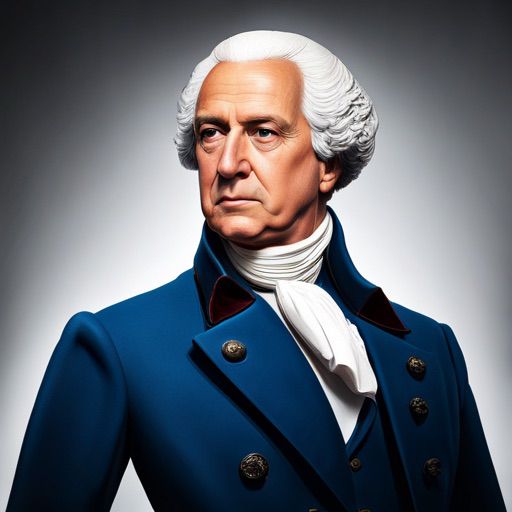
Thomas Jefferson the Third President of the United States
Thomas Jefferson was a true American trailblazer, who left an indelible mark on the fabric of American history. Born in Virginia in 1743, Jefferson was more than just the third President of the United States, he was an accomplished planter, lawyer, and revolutionary. His involvement in the American Revolution and his role as the principal author of the Declaration of Independence, which boldly declared the colonies’ independence from Great Britain in 1776, firmly cemented his status as a founding father of the nation.
Jefferson’s political career continued to soar after the Revolution, and he served in various positions, including as the Governor of Virginia, a member of the Continental Congress, and even as the United States Minister to France. In 1801, Jefferson was elected to the highest office in the land, and he served as President of the United States for two terms. During his presidency, Jefferson implemented a slew of significant policies that have shaped America’s past and present, including the Louisiana Purchase, the Lewis and Clark Expedition, and the establishment of the United States Military Academy at West Point.
Jefferson’s remarkable contributions to American history go beyond politics. He was also a prolific writer and thinker, who espoused democracy, republicanism, and individual rights. Despite the fact that his legacy is marred by his ownership of slaves and his views on race, his ideas and ideals continue to influence American politics and society to this day. Jefferson’s life and work embody the very essence of the American Dream – the relentless pursuit of freedom, justice, and equality for all.
Related Posts
John Adams the Second President of the United States
John Adams, a name that echoes through the halls of American history, played a pivotal role in the country’s quest for independence from Great Britain. He was a man of many talents, serving as the second President of the United States, a lawyer, and a politician. Born in 1735 in Massachusetts, Adams attended Harvard University and graduated with a degree in law. He quickly rose to prominence in the political arena due to his fearless opposition to British policies.
In 1774, Adams became a member of the First Continental Congress, where he played a significant role in the drafting of the Declaration of Independence. His unwavering commitment to liberty and democracy earned him the respect of his peers and the admiration of his fellow citizens. Following the war, Adams was elected as the first Vice President under George Washington, and later, in 1796, he was elected as President.
Adams faced many challenges during his tenure, including strained relations with France and the controversial Alien and Sedition Acts. Despite these obstacles, his unwavering commitment to democracy and individual rights remains an inspiration to Americans to this day. He was a man of great conviction, never afraid to speak his mind, and always willing to stand up for what he believed in.
John Adams may have passed on, but his legacy lives on, serving as a reminder of the importance of standing up for what is right, even in the face of adversity. His contributions to the early history of the United States will never be forgotten, and his passion for democracy and individual rights will continue to inspire generations to come.
Related Posts
George Washington the First President of the United States
George Washington, a true visionary and leader, is widely known as one of the Founding Fathers of the United States and the country’s very first president. Born in Virginia in 1732, Washington’s unwavering dedication to the American cause played a significant role in securing American independence from Great Britain during the American Revolution.
His leadership and military strategy were remarkable and helped him earn a prominent position in the hearts of the American people. After the war, his role as president of the Constitutional Convention and his critical contribution to the drafting of the United States Constitution further cemented his legacy.
Washington’s vision and leadership were integral in establishing the United States as a democratic republic. Even today, his legacy continues to shape American politics and society.
Apart from his political achievements, Washington was also a successful businessman, and his exceptional skills were evident in the management of his several large estates, including Mount Vernon. Throughout his life, he was known for his integrity, honesty, and commitment to public service.
It is no wonder that he remains one of the most revered figures in American history. His image appears on the one-dollar bill, and his birthday on February 22 is celebrated as Presidents’ Day in the United States. George Washington’s contributions to American history and his unwavering commitment to the American people will never be forgotten.
Related Posts
Happy Treason Day

The American Revolution, a monumental event that forever altered the course of history, stands as a testament to the indomitable spirit of the American people. It was a riveting journey towards independence, born out of the mounting tensions between the American colonies and the British crown. As oppressive policies like the Stamp Act and the Townshend Acts tightened their grip on the colonists, a fiery resistance ignited within their hearts.
The colonists, burdened by unjust taxes imposed without their consent, refused to bow down. They took to the streets in passionate protests, vowing to boycott British goods in a powerful display of unity. In 1774, representatives from twelve colonies assembled for the historic First Continental Congress, their fervent voices demanding justice and a peaceful resolution to their grievances.
Yet, the winds of change brought a tempestuous turn. The clash between British troops and colonial militiamen in the hallowed grounds of Lexington and Concord in 1775 marked the fateful beginning of the American Revolutionary War. The Second Continental Congress, convened in May 1775, recognized the call for action and appointed the indomitable George Washington as the revered commander-in-chief of the Continental Army.
Amidst the smoke and chaos of battle, the flames of liberty burned brighter. On July 4, 1776, the colonies decisively declared their independence from Britain with the adoption of the Declaration of Independence, a defiant proclamation that sent shockwaves across the world. The war raged on for years, with pivotal clashes like Saratoga and Yorktown shifting the tides in favor of the American forces.
Finally, in 1783, the Treaty of Paris was signed, etching into history the official recognition of the United States as an independent nation. The American Revolution not only birthed a sovereign country but also laid the groundwork for the principles that define American society to this day — democracy, individual rights, and the cherished concept of freedom.
The echoes of the American Revolution still resound in the hearts and minds of every American citizen, a reminder of the unwavering courage and sacrifice that shaped a nation destined for greatness.
Related Posts
What Does Independence Day Mean to You? Reflections on the Importance of this National Holiday

The 4th of July, also known as Independence Day, is a monumental federal holiday in the United States. It commemorates the adoption of the Declaration of Independence on July 4, 1776. This document was a game-changer for America as it declared its independence from Great Britain, the ruling power over the American colonies.
Today, Americans come together to celebrate Independence Day with vibrant festivities that take place across the nation. Parades, fireworks, and barbecues are just some of the many ways that people celebrate. It’s a time to reflect on the sacrifices made by the founding fathers and the brave soldiers who fought for America’s freedom.
Furthermore, this holiday serves as a reminder of the values and principles that America was founded upon – liberty, equality, and democracy. It’s a day to honor the nation’s past, present, and future and to pay tribute to the individuals who have contributed to its success.
The 4th of July is a time for unity and togetherness as we celebrate the freedom and independence that we cherish as Americans. So, get your sparklers ready and let’s come together as a nation to revel in the spirit of this patriotic holiday!
This year starting today July 4th, 2023 I will recognize the founding fathers of the United States until all Presidents past until present, in order, have been covered. Patriotism is not dead in the United States.
Related Posts
The World Economic Forum: Navigating the Global Economic Landscape

The World Economic Forum (WEF) is an extraordinary non-profit organization that was founded in 1971 by Klaus Schwab, a brilliant Swiss economist. With its headquarters located in Geneva, Switzerland, the WEF has regional offices in some of the world’s most influential cities like New York, Beijing, Tokyo, and San Francisco. This exceptional organization brings together leaders from business, government, and civil society to tackle global issues and shape the global agenda.
One of the most exciting events hosted by the WEF is the annual meeting held in Davos, Switzerland. The event draws some of the world’s most influential people from all walks of life, making it the perfect platform for high-level discussions on various topics. The guest list is so exclusive that only a select few are privileged to attend and rub shoulders with some of the most powerful people in the world.
Apart from hosting the annual meeting, the WEF is also renowned for producing various reports and research papers on critical topics that affect the world today. These topics range from the global economy, climate change, to social issues, making it one of the most reliable sources of information on global affairs.
Despite being criticized for being too elitist and lacking transparency, the WEF remains an influential voice in global affairs. In recent years, the organization has focused on promoting sustainable development and addressing the challenges posed by the Fourth Industrial Revolution. The WEF has also launched initiatives that seek to promote gender equality, combat corruption, and address other pressing issues facing the world today.
Related Posts
The Myth, the Monster, and the Symbolic Power of Medusa

The legend of Medusa is a captivating tale that has mesmerized people worldwide for centuries. According to Greek mythology, Medusa was a stunning beauty with luscious hair, but she was cursed by the goddess Athena. The curse transformed her hair into venomous snakes and disfigured her face so horribly that anyone who gazed upon her turned to stone.
Medusa was once a priestess of Athena, but she was punished for being raped by Poseidon in Athena’s temple. Athena’s wrath was so fierce that she transformed Medusa into the monstrous creature that we know today. Medusa’s curse made her an outcast, feared and despised by all who laid eyes on her. She was forced to dwell alone in a cave, shunned by everyone.
Despite her fearsome reputation, Medusa was not malevolent. Instead, she was a victim of circumstance, cursed by a goddess who was envious of her allure and power. Medusa’s story is a heart-wrenching one, a lesson about the hazards of jealousy and vengeance. Her image has been immortalized in art and literature, from ancient Greek pottery to contemporary comic books.
The story of Medusa has inspired countless interpretations throughout the ages. Some see her as a symbol of feminine might, while others consider her a monster to be vanquished. Regardless of how one perceives her tale, it’s undeniable that Medusa remains one of the most captivating and long-standing characters in Greek mythology. Her story has been retold in countless ways, and it continues to enthrall audiences worldwide to this day.
Related Posts
Majority Matters: Why Government Should Represent the Many, Not the Few

The United States government is supposed to represent every citizen, regardless of their race, gender, or religion. However, if the government focuses solely on the needs of minority groups, it can create an imbalance of power that can be detrimental to the majority. Imagine a scenario where the government prioritizes the needs of a small group of wealthy individuals over the needs of the broader population. This could lead to an unfair distribution of power and a society that is not truly democratic.
On the other hand, it is crucial to acknowledge the needs and interests of minority groups. In a diverse country like the United States, there are various groups with different needs and concerns. The government must ensure that every citizen has equal access to opportunities and resources, regardless of their background or identity.
In certain cases, catering to the needs of minority groups can benefit the majority. For example, providing language services or accommodations for people with disabilities can make society more inclusive and accessible for everyone. Similarly, policies that promote diversity and inclusion in the workplace can lead to better outcomes for businesses and the economy as a whole.
The key to balancing the needs of minority and majority groups is to ensure that the government is working in the best interest of all citizens. This means prioritizing fairness, equity, and justice and listening to diverse perspectives. It also requires putting the common good above narrow self-interest. By doing so, the government can create a more just and equitable society that benefits everyone.
Related Posts
Preserving the Past, Embracing the Future: How AI Safeguards Human History

Artificial Intelligence (AI) has sparked a multitude of questions about its impact on human history. Will it erase our past completely? While it’s true that AI has the power to change the way we live, work and interact with each other, it’s unlikely to wipe out human history. On the flip side, AI can actually enhance our understanding of history by providing insights that were previously beyond our reach.
One of the biggest advantages of AI is its ability to preserve and interpret historical artifacts and documents. For instance, AI can decode ancient scripts that are incomprehensible to humans. It can also aid in the restoration and conservation of deteriorating artifacts. But that’s not all, AI can create virtual reality experiences that allow us to interact with historical events and places in a way that was once impossible.
Moreover, AI can help historians analyze massive amounts of data to uncover new insights about the past. By employing natural language processing tools, researchers can identify patterns and trends in historical texts, furthering our knowledge of history. Additionally, AI can create visualizations that illustrate the relationships between different factors that influenced historical events.
However, it’s important to note that AI can’t replace human interpretation. While AI can help us analyze data and discover new insights, it is up to humans to interpret these findings and make sense of them. History is more than a mere collection of data points, it’s a complex and nuanced narrative that requires human empathy and understanding to fully comprehend.
In conclusion, it’s unlikely that AI will erase human history. Instead, AI can complement human efforts to preserve, interpret, and learn from our past. Together, humans and AI can deepen our understanding of history and use that knowledge to inform our decisions about the future. By leveraging AI technologies responsibly and ethically, we can enrich our appreciation of human history and ensure that its richness is safeguarded for future generations.
Related Posts
Juneteenth is a Holiday That Marks the End of Slavery
Juneteenth is a holiday that marks the end of slavery in the United States and is celebrated annually on June 19th. This day is a vibrant reminder of the tenacity and triumphs of African Americans throughout history. It all began in Galveston, Texas in 1865, when Union General Gordon Granger came to the city to deliver long-awaited news. He announced the end of the Civil War and the emancipation of enslaved individuals in Texas, two and a half years after President Abraham Lincoln issued the Emancipation Proclamation.
Juneteenth is known by many names, including Freedom Day, Jubilee Day, Liberation Day, and Emancipation Day. African Americans across the United States mark the occasion with parades, barbecues, and other social gatherings. It is a day of reflection and remembrance of the struggles and achievements of African Americans throughout history.
The holiday serves as an opportunity to celebrate progress and educate individuals about the continued fight for racial justice and equality. More recently, there has been a push to make Juneteenth a national holiday in the United States, with many states already recognizing the day as an official holiday.
Overall, Juneteenth is a crucial holiday that honors the resilience and strength of African Americans in the face of adversity and oppression. It is a time to pause and reflect on the progress made towards racial equality and to recognize the work that still needs to be done.
Related Posts
Celebrating Fatherhood: Reflections on Father’s Day

Father’s Day is more than just a day on the calendar. It’s a day to show our dads and father figures how much they mean to us. It’s a day to honor their selflessness, sacrifices, and unwavering love. This special day is celebrated in many countries around the world, usually on the third Sunday of June, to acknowledge the vital role fathers play in our lives.
The concept of Father’s Day was born out of one woman’s admiration for her father. Sonora Smart Dodd proposed the idea of setting aside a day to honor fathers in the early 20th century, inspired by the way her single father raised her and her siblings. Little did she know that her idea would become a global celebration of fatherhood.
Father’s Day is an opportunity to recognize the love, support, and guidance that fathers provide to their children. It’s a chance to appreciate the sacrifices they make to provide for their families and the countless hours they spend teaching, protecting, and nurturing their children. It’s also a time to reflect on the unique role that fathers play in shaping the lives of their children and the profound impact they have on their children’s development and well-being.
There are many ways to celebrate Father’s Day, from spending quality time with your dad or father figure to giving a thoughtful gift or expressing your gratitude through a heartfelt message. Some people choose to take their father out for a special meal, while others might plan an exciting activity or outing, like a hike, a round of golf, or a day at the beach. Whatever the form of celebration, the important thing is to take time to appreciate the role that fathers play in our lives and to let them know how much they are loved and valued.
In conclusion, Father’s Day is a special day to celebrate and honor the important contributions that fathers and father figures make to our lives. It’s a day to express our gratitude, love, and appreciation for the sacrifices they make and the love they give to their families. Whether it is through spending quality time together, giving a thoughtful gift, or expressing our feelings through words, Father’s Day is a special day to celebrate the special men in our lives who have helped shape us into who we are today.
Related Posts
Unmasking the Illusion: The Downside of Political Correctness

Political correctness, at its core, is a set of beliefs and practices that aim to promote inclusivity and prevent discrimination. While these intentions are admirable, the implementation of politically correct language and behavior has had a negative impact on free speech. The problem with political correctness is that it can create a culture of fear and self-censorship, where people are afraid to express their opinions for fear of being labeled as offensive or insensitive. This not only stifles free expression but also inhibits the exchange of ideas and the development of critical thinking skills.
In many cases, political correctness can also lead to the suppression of important discussions and debates, particularly on controversial topics. For example, if certain topics or viewpoints are deemed politically incorrect, they may be excluded from public discourse altogether. This can be detrimental to the democratic process, as it limits the diversity of ideas and perspectives that are necessary for a healthy democracy.
Furthermore, political correctness can also be used as a tool to silence dissenting opinions and to promote a particular agenda. This can be seen in cases where individuals or groups use accusations of political incorrectness as a way to shut down opposing views. This not only undermines free speech but also creates an environment of hostility and division.
In conclusion, while the goals of political correctness are laudable, its implementation can have a negative impact on free speech. By creating a culture of fear and self-censorship, suppressing important discussions and debates, and being used as a tool to silence dissenting opinions, political correctness can ultimately undermine the principles of democracy and free expression. Instead of promoting political correctness, it is important to encourage a culture of open dialogue and respectful debate, where all viewpoints are welcome and respected.
Related Posts
What is Flag Day?

Flag Day, a patriotic holiday celebrated every June 14th in the United States, commemorates the American flag’s significance as a symbol of freedom, unity, and democracy. The day is a reminder for Americans to honor and respect the flag, which embodies the country’s values and ideals of liberty, justice, and equality. On this special day, citizens are encouraged to display the flag at their homes and businesses, participate in parades and ceremonies, and delve deeper into the history and meaning of the flag.
Flag Day is also a time to recognize and honor the brave men and women who have served in the U.S. military, defending the country’s values and freedoms. It is a moment to reflect on the progress that has been made in achieving the ideals of the flag and the challenges that still need to be addressed.
Overall, Flag Day is a day of patriotism, unity, and respect for the flag and the values that it represents. It is an opportunity for Americans to come together and celebrate the nation’s accomplishments, while also acknowledging the work that still needs to be done to achieve a more perfect union. So let’s raise our flags high, and show our gratitude and reverence for the country we call home.