Leading the Way: Exploring Leadership Styles and Their Impact on Career Growth

Leadership is a quality that can make or break a career, and the way one leads can significantly shape not only personal success but also the success of the entire organization. While some may think leadership is simply about holding a title, the true essence of leadership lies in how you inspire and guide others. Understanding different leadership styles and how they impact career growth is essential for anyone looking to make an impact in their professional journey. Whether you’re leading a team or aiming to enhance your career, the leadership style you adopt can have a lasting effect on your personal development, relationships, and overall achievements.

One of the most well-known leadership styles is the transformational leadership approach. Leaders who follow this style focus on inspiring and motivating their team members by encouraging innovation, personal growth, and a shared vision. They often lead by example, showing passion and enthusiasm for their work. For individuals looking to advance in their careers, adopting a transformational leadership style can be incredibly effective, as it fosters an environment where both leaders and their teams can grow and succeed together. By encouraging creativity and challenging conventional thinking, transformational leaders empower their team members, resulting in a more engaged and productive workforce.

In contrast, transactional leadership focuses on structure, rules, and results. Leaders who employ this style are typically focused on achieving specific goals and providing clear guidelines for their team members to follow. While this style is often seen in more hierarchical organizations, it can also be beneficial for those who want to ensure that tasks are completed efficiently and on time. For career growth, transactional leadership can teach the value of accountability, responsibility, and performance metrics. This leadership style can help individuals develop discipline and work ethic, which are crucial skills in any professional environment.

Another common leadership style is servant leadership, which focuses on putting the needs of others first and helping them develop and perform as highly as possible. Servant leaders are dedicated to serving their teams, fostering a sense of trust and empathy. This approach is ideal for creating a supportive work culture, and it’s particularly beneficial for leaders looking to build long-lasting relationships within their teams. By adopting a servant leadership style, individuals can enhance their own interpersonal skills, emotional intelligence, and collaboration abilities—key traits for any successful career. For those looking to climb the corporate ladder, this style can create an environment where team members are motivated to contribute, leading to higher retention rates and improved job satisfaction.

In more modern workplaces, the democratic leadership style has gained traction. Leaders who adopt this approach encourage open communication and seek input from their team members when making decisions. This inclusive approach helps cultivate a sense of ownership among employees and fosters creativity and innovation. For those advancing in their careers, a democratic leadership style can enhance decision-making skills and the ability to manage diverse perspectives. It allows individuals to sharpen their problem-solving skills, foster collaboration, and develop a more well-rounded approach to leadership.

Finally, autocratic leadership is a more directive approach where leaders make decisions unilaterally, with little to no input from team members. This style is often seen in high-pressure situations or industries where quick decisions are crucial. While not always the most popular approach, it can still be effective in certain contexts. For career growth, adopting elements of autocratic leadership can teach individuals the value of decisiveness and clear direction, especially in fast-paced or crisis situations.

In the end, the leadership style that you choose or adopt can significantly influence your career trajectory. By understanding and experimenting with different leadership styles, you can hone your strengths, improve your relationships with others, and shape your career in a way that aligns with both your goals and the needs of your team. Effective leadership is not a one-size-fits-all approach—it’s about finding the right balance that works for you and your professional environment. By leading with intention, authenticity, and empathy, you can pave the way for career success and meaningful growth.

Related Posts

Gifts That Speak From the Heart: Creative Ways to Make the Holidays

The holiday season is often associated with gift-giving, but beyond the ribbons and wrapping paper lies an opportunity to create meaningful, heartfelt connections. While it’s easy to rely on material gifts, the most cherished presents are those that come with personal thought, creativity, and emotion. In a world where we often rush through the season, taking the time to carefully select or craft a gift that speaks to the heart can turn an ordinary holiday into something unforgettable. This year, let’s focus on gifts that not only stand out but reflect love, thoughtfulness, and individuality.

One of the most beautiful ways to show someone you care is by personalizing their gift. Whether it’s an engraved bracelet with a significant date, a custom portrait of a beloved pet, or a piece of jewelry with their initials, personalized gifts carry a unique, sentimental value. These items become treasures, reminders of a special moment shared between two people. They stand the test of time, much like the memories they represent, and can hold a far greater emotional impact than any generic store-bought item.

For those who enjoy spending time together, experiential gifts can be the perfect choice. Rather than handing over a physical object, give the gift of an experience—whether it’s a weekend getaway, a cooking class, or tickets to a concert they’ve been dreaming about. These gifts create lasting memories, providing opportunities for shared moments of joy and connection. Sometimes, the most meaningful present is not something wrapped in a box, but a day spent with loved ones, enjoying an activity that aligns with their passions and interests.

Another thoughtful approach is crafting something with your own hands. Homemade gifts, such as baked goods, knitted scarves, or a hand-painted ornament, are a tangible representation of the time and effort you’ve invested in making the recipient feel special. These gifts often have an intimacy that cannot be replicated by mass-produced items. A jar of homemade jam, a carefully crafted photo album, or a custom-written poem all carry personal meaning and convey a message of care that transcends material value. The recipient will feel the love in every stitch, every word, and every detail.

Sometimes, the best way to speak from the heart is by offering your time and service. Instead of giving a physical object, consider helping your loved one with something they’ve been needing assistance with. This could be offering to babysit, running errands, organizing their space, or cooking them a home-cooked meal. These gifts, though simple, have a lasting impact because they show that you’re invested in making their life a little easier and more enjoyable. It’s a gift of presence and attention, which can be far more valuable than any material item.

For the creative souls, another heartfelt gift is a memory book or a scrapbook. Compiling a collection of photos, ticket stubs, postcards, and little notes into a personalized album tells the story of your shared moments. This kind of gift is a testament to the bond you’ve built, capturing the essence of your time together and preserving it for years to come. It’s a way of saying, “I treasure every moment we’ve spent together.”

Lastly, for those who want to give back, consider donating to a cause that is close to the recipient’s heart. This thoughtful gesture not only reflects your understanding of their passions but also spreads goodwill. A donation made in their name to a cause they care about can make the holiday season meaningful in a way that transcends personal gifts. It’s a beautiful way to show that you value their values and wish to support what matters most to them.

Ultimately, the holidays are about connection, love, and shared memories. The most special gifts are those that reflect the essence of who we are, what we care about, and the bond we share with others. By thinking outside the box and infusing your presents with meaning and creativity, you can create a holiday season that feels truly heartfelt—one that speaks louder than any material possession ever could.

Related Posts

Black Friday Fever: The Consumerism Craze Unpacked

Black Friday, once just a day of massive discounts, has grown into a global shopping phenomenon that marks the unofficial start of the holiday season. Each year, stores, both online and in physical locations, offer irresistible deals, drawing in millions of eager consumers. But beneath the excitement of doorbusters and flash sales lies a more complex story about consumerism, the pressure to “buy big,” and the environmental and social consequences of this annual craze. While it can feel exhilarating to score the perfect deal, it’s important to step back and evaluate what Black Friday truly represents in the context of our lives.

For many, Black Friday has become a tradition, a moment to kick off the holiday shopping frenzy with bargains that seem too good to pass up. It’s not uncommon to see long lines at stores, some even camping out overnight, eager to get their hands on electronics, clothes, and gadgets. With the rise of online shopping, the frenzy has only increased, with sites crashing and checkout lines becoming virtual battlegrounds. The competitive rush of securing that must-have item often feels like part of the fun, but it also reveals the power of advertising and retail tactics that push consumers to feel like they need to act quickly or risk losing out on once-in-a-lifetime deals.

The rise of Black Friday has also contributed to a culture of excessive consumption. Marketers have mastered the art of convincing us that we need more, whether it’s the latest tech gadget or another sweater that just “might be on sale for a limited time.” This pressure to constantly buy often leads to impulse purchases, many of which may not have been considered outside the hype of the day. The result? We accumulate items that may not have been necessary, contributing to a growing trend of waste. The excitement of a deal can overshadow the deeper implications of overconsumption, including financial strain, storage issues, and a mounting pile of items that may only be used once or twice before being discarded.

Furthermore, there’s a growing awareness of the environmental impact of Black Friday. The manufacturing, transportation, and disposal of cheap goods come at a significant ecological cost. With every “bargain” comes an environmental footprint, from the resources used to create the product to the packaging waste generated by shipments. As more people embrace sustainability, Black Friday’s massive consumption rate clashes with the desire to be more mindful of our planet. The allure of buying big often distracts us from considering the long-term effects of the stuff we accumulate.

On the social side, Black Friday has increasingly become a spectacle. While the deals may be tempting, there’s a darker side to this consumerist holiday—one that involves overcrowding, chaos, and sometimes even violence. The fight for a discounted product can escalate quickly, leading to physical altercations or dangerous stampedes. This behavior begs the question: At what point do we stop and recognize that the thrill of a sale isn’t worth the cost of human safety or dignity?

As we reflect on Black Friday’s place in our lives, it’s important to strike a balance between enjoying a good deal and maintaining a mindful approach to consumption. Perhaps it’s time to consider alternatives, like supporting small businesses, focusing on experiences over material items, or opting for ethical and sustainable purchases. There are ways to enjoy the perks of the holiday shopping season without falling prey to the relentless cycle of consumerism.

Black Friday doesn’t have to be the pinnacle of our holiday celebrations. With a little self-reflection, we can make better choices and enjoy the holiday season in a way that aligns more with our values and long-term well-being. After all, true joy comes not from what we buy, but from the experiences we share and the values we uphold.

Related Posts

From Feast to Tradition: The Heartwarming Story of Thanksgiving

Thanksgiving is more than just a holiday; it’s a heartfelt tradition that brings people together to celebrate gratitude, family, and the blessings of life. What began as a humble feast between early settlers and Native Americans in 1621 has grown into a cherished occasion observed across the United States every fourth Thursday in November. The significance of the holiday goes far beyond the turkey and pumpkin pie, as it serves as a reminder of the importance of community, reflection, and appreciating the good things in life. Over the years, Thanksgiving has evolved into a festive celebration marked by food, football, parades, and an opportunity to pause, giving thanks for the people and moments that matter most.

At its core, Thanksgiving is about coming together with loved ones to share a meal and give thanks for the year’s blessings. Whether it’s the scent of a roast turkey filling the house or the warmth of shared memories around the dinner table, there’s an undeniable sense of comfort and connection on this day. For many, it’s a time to reunite with family members who live far away, to reconnect with friends, or to simply reflect on the things they hold dear. The food, of course, plays a starring role—stuffing, mashed potatoes, cranberry sauce, and the infamous pumpkin pie create a sense of tradition and nostalgia. These familiar dishes often vary by region, family traditions, or even personal preferences, but the essence of the meal remains the same: a celebration of togetherness.

Thanksgiving also holds a deeper cultural significance as a time for reflection. It’s a day set aside to acknowledge the blessings in our lives—whether it’s our health, our family, or the opportunities we’ve been given. The act of giving thanks encourages us to slow down and appreciate the small moments that might otherwise pass unnoticed. In a world that often feels fast-paced and focused on what we don’t have, Thanksgiving offers an opportunity to pause and express gratitude for what we do have. It’s a day to reflect on the goodness of life, the support of our loved ones, and the promise of a new year ahead.

Despite its roots in history, Thanksgiving is also a time for new traditions. Some families have taken to volunteering at food banks or shelters to help those less fortunate, turning the day into a reminder of the importance of community service and giving back. Others may gather to watch a football game, take part in a lively game of charades, or share stories that highlight the humor and love of their shared experiences. No matter how it’s celebrated, Thanksgiving remains a special time to bond, laugh, and create lasting memories with the people who matter most.

The commercialized aspect of Thanksgiving, with Black Friday deals starting earlier each year, can sometimes overshadow its true meaning. However, many families continue to prioritize the spirit of gratitude and togetherness. In the midst of the hustle and bustle, they find joy in simple moments: a heartfelt toast to the year’s blessings, a hug from a loved one, or the shared experience of a favorite family recipe being passed down to the next generation. These are the moments that define Thanksgiving and give it its lasting meaning.

Thanksgiving is more than just a meal or a holiday; it’s a reflection of the values that bind us together as individuals and as a society. It’s a time to express thanks for all that we have and to cherish the moments that bring us closer to one another. Whether you’re enjoying the day with family, friends, or even in quiet solitude, Thanksgiving is a reminder that no matter what challenges we may face, there is always something to be grateful for.

Related Posts

Words Fit for a King: Crafting a Remarkable Conversation

Conversations have the power to build bridges, foster connections, and transform relationships. Whether it’s a casual chat with a friend, a heartfelt discussion with a partner, or a professional dialogue in a boardroom, the way we communicate has a profound impact on the outcome. Crafting a remarkable conversation is not just about what you say, but how you say it. Words, when chosen wisely, have the ability to engage, inspire, and create meaningful exchanges. It’s about striking the right balance between listening and speaking, showing empathy, and knowing when to pause and reflect.

At the heart of a remarkable conversation is the ability to truly listen. In today’s world, where distractions are ever-present, active listening is a lost art. To truly hear someone is to acknowledge their feelings, to understand their perspective, and to validate their experiences. Listening intently allows for more meaningful responses and shows that you value the other person’s input. It also creates space for connection, making the conversation feel less transactional and more genuine. A conversation that flows with mutual respect and understanding is the foundation of any remarkable dialogue.

Equally important is the art of speaking with purpose. When you craft your words carefully, they carry more weight. It’s not just about spitting out facts or sharing opinions, but about using language that resonates with the listener. A thoughtful response can inspire, comfort, or encourage. A well-timed compliment or a simple thank you can have a lasting impact. By speaking with intention and mindfulness, you make sure that your words are not only heard but also felt. This takes practice—paying attention to tone, body language, and choosing the right words that align with your message.

In a remarkable conversation, vulnerability is key. While it’s easy to keep things surface-level, the most memorable exchanges are those where people open up and share their true selves. Vulnerability creates an environment of trust and authenticity, allowing for a deeper connection. When you allow yourself to be real, others feel comfortable doing the same, fostering an atmosphere of mutual respect. These kinds of conversations often lead to stronger bonds, whether they’re with a loved one, a friend, or a colleague.

Humor also plays a vital role in crafting a remarkable conversation. A good laugh has the power to break down barriers and make people feel at ease. Humor can lighten tense moments, offer relief in stressful situations, and bring a sense of joy to the exchange. The key is finding the right balance—using humor to uplift the conversation without detracting from its core message. A well-placed joke or witty remark can leave a lasting impression, making the conversation more memorable and enjoyable.

Finally, timing is everything. Knowing when to speak and when to remain silent is a skill that can elevate any conversation. Sometimes, the most powerful moments come from pauses—allowing space for reflection or letting the silence speak louder than words. Pausing at the right moment can add emphasis, build anticipation, or give the other person time to process. A conversation doesn’t have to be a continuous stream of words to be impactful. Sometimes, the most meaningful exchanges happen in the quiet moments in between.

A remarkable conversation is a balance of listening, speaking with purpose, vulnerability, humor, and timing. It’s an art that requires both practice and patience, but when done right, it can lead to deeper connections and more fulfilling relationships. Whether you’re talking to a friend, a colleague, or a loved one, taking the time to craft a conversation with intention can transform the way you communicate, creating bonds that go beyond words.

Related Posts

François Mitterrand: The Architect of Modern France

Mitterrand’s presidency was characterized by a bold agenda to reshape France. As the first socialist president in the Fifth Republic, he brought progressive reforms to a country grappling with social inequality and economic stagnation. Among his notable achievements were:

Social Reforms: Mitterrand introduced measures such as increasing the minimum wage, reducing the workweek, and expanding workers’ rights. These policies aimed to improve the lives of ordinary citizens and reduce class disparities.
Nationalization and Privatization: Early in his term, Mitterrand nationalized key industries and banks to strengthen public control. Later, recognizing the changing global economy, he embraced privatization, showcasing his adaptability as a leader.
Cultural Renaissance: He championed French culture, commissioning grand projects like the Louvre Pyramid and the National Library of France. These efforts symbolized a blend of tradition and modernity.
A Time of Political Change
Mitterrand’s tenure coincided with significant shifts in global and domestic politics. His leadership navigated the challenges of the Cold War, European integration, and domestic political divisions.

Key milestones included:
European Unity: A staunch advocate of the European Union, Mitterrand played a pivotal role in the Maastricht Treaty, laying the foundation for the euro.
Balancing Ideologies: His ability to collaborate with political rivals, such as during the periods of “cohabitation” when the presidency and prime ministership were controlled by opposing parties, highlighted his pragmatic leadership.
The Legacy of François Mitterrand
Despite controversies, including debates over his early political affiliations and personal life, Mitterrand remains a towering figure in French history. His vision for a modern, equitable, and culturally rich France continues to inspire leaders today.

Mitterrand’s story is one of evolution—both personal and political. He was a man of contradictions, yet his ability to adapt and lead during times of change ensured his place as one of France’s most influential leaders.

Related Posts

Global Reflections: How U.S. Elections Shape Democracy Worldwide

The world watches U.S. elections with rapt attention—not just because of America’s global influence but also for the lessons that emerge from its electoral process. From campaign dynamics to voter turnout, the U.S. electoral system has long been a model (and sometimes a cautionary tale) for other democracies. The United States’ elections spark discussions worldwide about democratic values, the role of citizens in government, and the mechanics of voting. But how exactly do other countries interpret U.S. election outcomes, and have they enacted any reforms based on American experiences? This article explores these global reflections and the influence of U.S. elections on electoral reform.

The U.S. elections often set trends, serving as a model that other nations adopt or adapt in different ways. Here’s a closer look at some aspects that inspire reforms abroad:

U.S. elections are known for high-energy campaigns that rely on data analytics, social media, and direct voter outreach to engage people at a grassroots level. Many countries have taken notes, using targeted campaigns and digital tools to better connect with their voters. In nations where voter engagement was traditionally low, lessons from American-style campaigning have sparked new methods of outreach aimed at boosting turnout and encouraging civic participation.

The U.S. model of election transparency—live debates, accessible information on candidates, and real-time election coverage—has inspired other democracies to ensure their election processes are similarly open. Countries have introduced televised debates, expanded access to candidate platforms, and set up live broadcasts of vote counts, aiming to build public trust in their own elections.

With initiatives focused on young and first-time voters, the U.S. has influenced programs worldwide that encourage youth engagement in politics. Inspired by American voter education efforts, countries such as India and Canada have rolled out programs in schools to educate young people about their role in democracy, aiming to build lifelong habits of civic involvement.

While the U.S. elections offer valuable lessons, some of the world’s reforms have been inspired by perceived challenges in the American system, especially around access and fairness.

Observing debates in the U.S. around voter suppression, countries like Brazil and Germany have taken extra steps to ensure inclusive and accessible voting processes. Many have opted for automatic voter registration and expanded absentee ballot access, aiming to make it easier for all citizens to vote without restrictions.

The enormous role of money in U.S. campaigns has led some countries to reinforce their own limits on campaign financing, to ensure fairness and equal opportunity for all candidates. Nations including the United Kingdom and Canada have enacted stricter regulations on political donations and spending caps to prevent wealthier candidates or parties from having outsized influence.

Witnessing both the promise and occasional pitfalls of U.S. voting technology, countries have cautiously adopted modern systems while prioritizing security. Countries like Estonia have implemented secure online voting systems, while others, like France, have retained traditional paper ballots to avoid risks associated with electronic voting.

The U.S. election process often spurs global dialogue about democracy itself. The transparency, campaigning styles, and electoral policies seen in U.S. elections encourage nations to reflect on their own practices, adopting elements that fit their unique cultures and governance structures. Yet, they also serve as a reminder that democratic practices are not one-size-fits-all. U.S. elections continue to demonstrate both the power and the complexities of modern democracy, inspiring other nations to learn, adapt, and refine their own systems to best serve their citizens.

The U.S. election process acts as both a mirror and a model for global democracies. Whether inspiring reforms in transparency, voter engagement, or campaign finance, it highlights the values shared across democratic nations and serves as a valuable, albeit imperfect, example of democracy in action. As countries reflect on and adapt lessons from U.S. elections, they reinforce a global commitment to representative governance and active civic participation—a powerful, lasting impact of the American democratic experiment.

Related Posts

The Treaty of Trianon: A Nation’s Shattered Boundaries

In June 1920, Hungary faced a moment that would forever alter its place in the world: the signing of the Treaty of Trianon. This treaty, a component of the broader peace settlement concluding World War I, was one of the most significant turning points in Hungarian history. Stripped of two-thirds of its territory and over half its population, Hungary emerged from the treaty a shadow of its former self, sparking decades of national reflection, cultural resilience, and political tension.

Hungary’s pre-war borders included vast lands and a diverse population. Trianon reduced the nation from over 325,000 square kilometers to just 93,000 square kilometers. Entire regions, such as Transylvania, Slovakia, and Croatia, were ceded to neighboring states like Romania, Czechoslovakia, and Yugoslavia. For millions of ethnic Hungarians, this meant waking up one day as minorities in foreign countries—a deeply personal and painful transformation.

Economically, Hungary’s once-thriving industries, heavily reliant on resources from the lost territories, crumbled. Railways now crossed international borders, agriculture lost fertile lands, and trade routes were disrupted. The psychological impact was equally severe, with national pride and identity deeply wounded.

The treaty’s fairness remains a topic of debate. To the Allied powers, it was a necessary measure to weaken a defeated empire and ensure stability in the region. To Hungary, it felt punitive and excessive, fostering a sense of injustice that would linger for generations. This resentment became fertile ground for political instability, influencing Hungary’s role in the interwar years and even its alignment during World War II.

Despite the losses, Hungary preserved its cultural heritage. The arts, literature, and traditions flourished as Hungarians sought solace and strength in their shared identity. Writers like Dezső Kosztolányi and musicians such as Béla Bartók emerged as symbols of resilience, capturing the spirit of a nation determined to rise above adversity.

More than a century later, the Treaty of Trianon is still a sensitive topic in Hungary. It shaped the country’s modern borders, identity, and foreign relations. For Hungarians, it’s a reminder of a painful past but also a testament to their enduring spirit.

Related Posts

Autumn in the Middle East: A Subtle Symphony of Change

When we think of autumn, images of falling leaves and brisk weather come to mind, but in the Middle East, the season takes on a unique, subtler charm. While the region’s desert landscapes may not shift with the dramatic reds and oranges seen elsewhere, autumn here has its own quiet beauty, felt more in the cooling breeze than seen in colorful foliage. It’s a season that brings life back to the land, allowing people to embrace the outdoors after the intense summer heat and making way for natural changes that go beyond what meets the eye.

In cities like Riyadh, Muscat, and Dubai, autumn arrives as a welcome relief. Temperatures drop, and the air becomes lighter, allowing residents to return to their favorite outdoor activities—picnics in the dunes, hikes in the mountains, and strolls through bustling souks. The shifting season also ushers in festivals and gatherings, from Dubai’s Global Village to Qatar’s cultural exhibitions. Parks and gardens see an influx of families enjoying picnics under the clear skies, as people reconnect with nature in a way that is almost celebratory.

The oases and wadis come alive, with scattered greenery flourishing in places that just months before seemed barren. This is a time when date palms yield their harvest, and the aroma of spices fills the air in marketplaces, offering a distinct sensory experience. The date harvest is especially important, as it’s a season-long tradition that goes beyond sustenance—it’s a moment of cultural significance, an enduring link between generations. Throughout the Middle East, the arrival of autumn reflects resilience and beauty in a landscape that knows how to thrive in its own, often understated way.

Autumn in the Middle East teaches us to appreciate the subtleties of change. It reminds us that even in the desert, the seasons bring a shift in the atmosphere, a break in routine, and a chance to reconnect with nature. So, whether it’s a sunset hike in the mountains, a stroll by the sea, or just a quiet evening under the stars, autumn here brings a special kind of warmth—a season not defined by its colors but by its atmosphere, offering a calm that invites reflection and a renewed sense of possibility.

Related Posts

November’s Golden Embrace: The Beauty of Autumn in Full Bloom

As November rolls in, autumn reveals its final, most breathtaking act, draping the landscape in shades of amber, crimson, and gold. There’s something enchanting about this time of year—a kind of quiet magic that invites us to pause, breathe deeply, and savor the beauty around us. The trees seem ablaze with color, each leaf a tiny masterpiece, while the air grows crisp and carries a faint smell of wood smoke, hinting at the chill to come. It’s a time when nature slows down, a gentle reminder for us to do the same and enjoy this fleeting beauty.

Walking through a November forest, you might notice how the light dances differently. The sun sits lower in the sky, casting a warm glow that brings out the richness of the colors. Leaves crunch underfoot, creating a satisfying soundtrack to your stroll. The world feels like a cozy quilt stitched from the season’s warmest colors, from deep burgundies and burnt oranges to the softer shades of gold and olive green. November’s autumn scene is a painter’s palette, a living, breathing art piece that invites us to capture its beauty in our memories before winter sweeps in.

For many, November brings a chance to reflect. As the trees shed their leaves, we too feel a pull to let go of what no longer serves us. In this serene setting, it’s easier to appreciate the simplicity and beauty of nature’s cycle—a time to gather close to loved ones, enjoy cozy evenings by the fire, and drink something warm while gazing out at the colorful world.

Autumn in November isn’t just about the stunning landscapes; it’s about the feeling it creates, a cozy warmth that wraps around you like a favorite sweater. Every gust of wind carries the whispers of falling leaves, reminding us that nature has a rhythm and wisdom all its own. So grab a blanket, sit outside with a warm drink, and let yourself fall in love with the final, golden days of autumn. It’s a time to be present, to savor, and to marvel at the beauty that November so generously shares.

Related Posts

Bahrain’s Green Leap: Pioneering Sustainability and Innovation in the Middle East

In the heart of the Middle East, Bahrain is setting the stage for a groundbreaking shift toward sustainability, aiming to balance rapid development with environmental consciousness. As nations globally grapple with the pressing realities of climate change, Bahrain stands out with a bold roadmap that embraces renewable energy, green infrastructure, and cutting-edge technology to foster a resilient, eco-friendly future. The country’s sustainable development initiatives reflect its commitment to not only thrive in a shifting world but also to lead the region by example.

At the core of Bahrain’s green agenda lies an ambitious approach to renewable energy. Solar power projects are cropping up across the island nation, capturing the abundant sunshine to reduce reliance on traditional energy sources. These projects align with Bahrain’s National Energy Efficiency Action Plan, which envisions meeting a significant portion of the country’s energy demands through renewable sources by 2035. Government incentives are fostering private sector engagement, encouraging companies to adopt solar panels and sustainable practices in their operations.

One flagship project is Bahrain’s collaboration with the United Nations Development Program (UNDP) to construct a solar power plant in Al Dur, expected to generate hundreds of megawatts of clean energy annually. This project underscores Bahrain’s commitment to reducing its carbon footprint and serves as a template for neighboring countries seeking greener alternatives to fossil fuels.

In parallel with its energy initiatives, Bahrain is embarking on green city planning. Manama, the capital, is seeing a wave of eco-friendly developments aimed at creating a city that supports sustainable living from the ground up. The Eco-City project envisions green buildings, efficient waste management systems, and urban greenery that will revitalize neighborhoods and promote public health.

One distinctive feature of Bahrain’s Eco-City is its incorporation of water-saving technologies, essential for a desert environment with limited freshwater resources. Buildings in the Eco-City use advanced filtration and greywater recycling systems, ensuring that water use is optimized without compromising on residents’ comfort. These projects also embrace vertical gardens and green rooftops, creating urban oases that reduce temperatures and improve air quality—a forward-thinking step for a warming climate.

The road to a sustainable Bahrain isn’t just about renewable energy and green buildings; it’s also about reimagining how people move within the country. Bahrain is rolling out an electric vehicle (EV) infrastructure, incentivizing the adoption of EVs by both residents and public transportation services. Charging stations are becoming commonplace, and the government is considering subsidies and tax benefits to make EVs a practical option for Bahrain’s drivers.

Public transport, too, is evolving with sustainability in mind. Plans to introduce electric buses and create dedicated cycling lanes signal a move toward a transport system that reduces traffic congestion, lowers emissions, and offers citizens healthier, environmentally-friendly commuting options.

Bahrain’s sustainability efforts are not confined to government initiatives. The country is investing in educational programs that equip citizens and students with the skills and awareness needed to embrace greener lifestyles. From workshops on recycling to digital platforms that track personal energy use, Bahrain is nurturing a culture where everyone plays a role in environmental stewardship.

At the core of Bahrain’s green transformation is innovation. Partnerships with global organizations bring advanced technologies to Bahraini projects, allowing them to remain competitive and efficient. Digital twin technology, for instance, is being explored to optimize city planning and maintenance, while AI-driven systems enhance energy efficiency in real time. The result is a country not only prepared to meet today’s environmental challenges but also capable of thriving in a sustainable future.

Bahrain’s vision for sustainability is a blueprint for future Middle Eastern development. While challenges remain, the country’s commitment to renewable energy, green urban design, and public engagement is a sign of a hopeful, resilient future. By rethinking its urban infrastructure, adopting cleaner energy sources, and promoting eco-friendly transportation, Bahrain is well on its way to becoming a leader in Middle Eastern sustainability.

Bahrain’s approach proves that green innovation is not just possible but achievable in a way that preserves cultural heritage and modern aspirations. This journey not only paves the way for a sustainable Bahrain but also establishes a model for other nations to follow.

Related Posts

Mind Matters: The Neuroscience Behind Creativity and Analytical Thought

Have you ever wondered what happens in the brain when you solve a complex problem or come up with a brilliant idea? The intricate dance between creativity and analytical thought is more than just a philosophical concept; it’s deeply rooted in the structure and activity of the brain. As researchers dig deeper into the neuroscience behind these mental processes, they reveal fascinating insights about how our brains function and how we toggle between imaginative and logical modes of thinking.

Creativity is often thought to be spontaneous, unrestrained, and linked to the right hemisphere of the brain. However, recent studies show that creativity involves complex networks across both hemispheres, particularly the default mode network (DMN), which is active during unfocused states like daydreaming or mind-wandering. When we let our minds wander, the DMN allows for a free flow of thoughts, enabling new connections between seemingly unrelated ideas. This is why some of our best ideas often come when we’re relaxed or in the shower—the brain’s natural ability to link ideas and concepts is at play.

Creative thought doesn’t rely solely on letting ideas flow but also uses regions like the prefrontal cortex, which is generally associated with planning and decision-making. Here, divergent thinking happens—our ability to generate many ideas or solutions to a problem, often in surprising ways. It’s the brain’s way of testing and filtering ideas, adding an analytical element even to creative thinking.

While creativity thrives on the open-ended possibilities of divergent thinking, analytical thought is grounded in focused, structured thinking—called convergent thinking. When we switch to analytical modes, the brain taps into its executive control network, especially regions like the left prefrontal cortex, which helps us apply logic, assess accuracy, and eliminate unnecessary details to arrive at specific solutions.

Analytical thinking requires intense focus and involves the dorsolateral prefrontal cortex, which directs attention and short-term memory. This network is active when we perform complex calculations, analyze arguments, or solve puzzles. But it’s not about suppressing creativity; rather, analytical thinking allows us to narrow down options and work through processes that lead to precision and clarity.

One of the most intriguing aspects of cognitive neuroscience is how the brain transitions between creative and analytical states. The process isn’t random—neuroimaging studies reveal that specific regions light up or quiet down depending on the task. When a task requires open-minded brainstorming, the brain leans into the DMN, while it engages the executive control network for structured problem-solving.

Interestingly, people with highly developed creative skills often show an exceptional ability to move fluidly between these networks, suggesting that mental flexibility is key to achieving a balance between creativity and analysis. This balance may even be trainable through practices like mindfulness and meditation, which allow us to manage our focus and awareness better.

Why is it so important to know what happens in the brain during these mental processes? Understanding the balance between creativity and analysis can have far-reaching applications—from enhancing education to optimizing workplace productivity. By knowing how to engage the brain in different types of thinking, we can improve everything from how students approach learning to how professionals solve problems in dynamic environments.

In fields like business and innovation, where both out-of-the-box thinking and meticulous analysis are required, tapping into the neuroscience of these processes could lead to breakthroughs. It may even offer insights into conditions like ADHD or dyslexia, where people often show unique patterns of creative and analytical thought.

Our brains are remarkably adaptable, switching between different thinking modes as needed. By gaining a better understanding of how we toggle between creativity and analytical thought, we unlock the potential for richer ideas, clearer solutions, and an overall better grasp of the complex machinery inside our heads.

Related Posts

Taming the Micromanaging Maestro: How to Thrive Under a Controlling Boss

Traits of an Extreme Micromanager
Micromanagers are known for their obsession with control, but extreme ones take it to a whole new level. They exhibit traits like:

Excessive Oversight: They insist on approving even the smallest tasks, from email drafts to meeting notes.
Lack of Trust: They rarely delegate and, when they do, expect constant updates and revisions.
Overcommunication: Be prepared for floods of emails, constant check-ins, and a barrage of instant messages.
Unrealistic Perfectionism: Their standards often feel unattainable, creating unnecessary pressure.
Inability to See the Bigger Picture: They focus so much on details that larger goals can be neglected.
Working under such conditions can be exhausting, but understanding these traits is the first step to navigating the challenge.

Coping Strategies
1. Build Trust Over Time
Micromanagers often operate from a place of fear—fear of failure or being seen as incompetent. Show reliability by delivering quality work consistently. Gradually, this may alleviate their need for constant oversight.

2. Communicate Proactively
Anticipate their need for updates by providing regular progress reports before they even ask. This can help reduce the frequency of interruptions and foster a sense of confidence in your work.

3. Clarify Expectations
Ambiguity fuels micromanagement. At the start of any project, ask detailed questions to ensure you understand their exact expectations. This reduces the chances of them stepping in later to “fix” things.

4. Establish Boundaries
If their control becomes overbearing, have an honest yet respectful conversation. Use examples to explain how their approach might be counterproductive and suggest adjustments to improve workflow.

5. Stay Calm and Adaptable
Micromanagers can be frustrating, but reacting emotionally only exacerbates the problem. Instead, stay professional, patient, and solution-focused.

6. Seek External Support
If their behavior begins to impact your mental health or career growth, consider reaching out to HR or exploring other opportunities. Your well-being matters, too.

Finding Growth in the Challenge
Working with a micromanager can feel restrictive, but it also offers lessons in patience, adaptability, and communication. By applying these strategies, you can turn the experience into an opportunity for professional growth and resilience.

Related Posts

Term Limits: The Balancing Act Between Accountability and Continuity

Term limits for elected officials have long stirred debate among political scholars, lawmakers, and the public alike. While the idea of limiting terms resonates with those eager for fresh leadership and a government responsive to the people, it also raises questions about the loss of valuable experience and continuity in governance. Are term limits the key to accountability, or do they undermine the stability needed to carry out long-term policies? This article dives into the heart of the debate to weigh both sides, shedding light on why this issue remains both timely and contentious.

Supporters of term limits argue that capping the time an official can hold office encourages a healthier, more dynamic political landscape. Here are some of the core arguments from proponents:

Term limits, they argue, help prevent the entrenchment of power that can lead to complacency or even corruption. By limiting terms, politicians must prioritize serving the public effectively within their allotted time. This accountability can refresh political commitment and keep leaders attuned to their constituents’ needs.

Without term limits, some argue, officials risk becoming “career politicians,” losing touch with the daily struggles of the public. Term limits would encourage representatives who bring new perspectives and who are less likely to adopt the “insider” mentality that sometimes distances long-serving officials from the people they serve.

New leaders bring new ideas, and turnover allows for fresh perspectives that can lead to more innovative policy solutions. Proponents suggest that term limits can make way for those who understand the evolving nature of issues like technology, environmental changes, and shifting social dynamics.

Critics of term limits, however, caution that capping terms comes at the cost of losing experienced, knowledgeable leaders. Here’s why opponents believe term limits may do more harm than good:

Effective governance often relies on a long-term vision and the ability to carry out policies that span years or even decades. Frequent turnover can disrupt ongoing projects and policies, weakening governmental stability and continuity. Imagine a key infrastructure project repeatedly delayed because new leaders keep changing priorities. Opponents argue this instability does little to serve the public in the long run.

Governance is complex, and the longer someone serves, the more institutional knowledge they acquire. Critics argue that this experience benefits constituents, as officials become adept at navigating bureaucracy, understanding intricate issues, and building relationships across party lines. Losing such expertise too quickly, they suggest, limits the effectiveness of leadership.

Some argue that term limits may create a vacuum where lobbyists and unelected influencers hold more sway, as newly elected officials may lack the knowledge or connections to resist pressure. With term limits, lawmakers may rely more on external advisors and think tanks, potentially diminishing their independence and weakening the role of elected leadership.

For some, the solution lies not in strict term limits but in reforms that balance both continuity and accountability. Alternatives might include partial term limits, mandatory gaps between terms, or performance-based measures that incentivize effective governance. Voters might also embrace stronger recall options to remove underperforming leaders without sacrificing seasoned officials who are serving effectively.

Ultimately, the debate over term limits reflects a broader tension in modern democracy: the balance between the desire for fresh, responsive leadership and the need for steady, experienced governance. While term limits promise accountability and renewal, they risk undermining continuity and expertise. The decision, as always, lies with the people, who must weigh these values when considering reforms to the political landscape.

Related Posts

Polls, Predictions, and Public Opinion: The Powerful Influence of Political Polling

In an election season, one of the most talked-about topics is often the polls. These snapshots of public opinion, collected from samples of voters, attempt to predict election outcomes and gauge support for candidates and issues. Political polling has become a central feature of campaigns and media coverage, shaping public perception, influencing strategies, and even affecting voter turnout. Yet, while polls can provide valuable insights, they’re also complex tools with limitations that can sometimes mislead or create unintended consequences. Let’s explore the profound influence that polling has on modern politics, how predictions sway voters, and why understanding polls is essential to navigating today’s political landscape.

Political polling doesn’t just report public opinion; it also shapes it. Polls can create a bandwagon effect, where people are more likely to support the candidate who appears to be winning. Conversely, they can create an underdog effect, where a candidate’s low numbers motivate their base to rally. For undecided voters, poll results can influence which candidates seem viable, persuading them to lean toward those with momentum.

For example, if a candidate is shown as leading significantly, some voters may feel that casting a ballot for the opposing candidate would be “wasting” their vote. On the other hand, if a race is predicted to be close, voters may feel more compelled to turn out, believing their vote could make a difference. Polls, therefore, play a psychological role in elections, affecting voter morale and shaping the public’s perception of what’s achievable.

Campaigns closely monitor polling data, tailoring their strategies based on the insights these numbers provide. By analyzing demographic support, campaigns can adjust their messaging to address issues most important to specific voter segments. If polls reveal a lack of support among young voters, for instance, a candidate might focus more on topics that resonate with younger audiences, like climate change or student debt relief. Similarly, if polling indicates strong support among certain groups, campaigns might invest additional resources in turnout efforts within those demographics.

Polling also guides decisions on where candidates should campaign. If certain states or regions show tight races, campaigns will focus their resources there, often leading to targeted advertisements, local events, and even increased efforts to reach voters through digital and social media. The insights gleaned from polls can be a game-changer, allowing campaigns to focus on areas with the greatest potential impact.

Polling can either encourage or discourage voter turnout. Some voters, seeing a candidate far ahead, may believe their vote isn’t necessary and stay home, assuming the result is a foregone conclusion. This phenomenon, known as the “discouragement effect,” can potentially lower turnout, especially in races projected to be landslides. Conversely, close polls can boost turnout, motivating voters to participate, believing their vote could be decisive.

However, polling inaccuracies can have real-world consequences. For instance, in the 2016 U.S. presidential election, polling showed a strong lead for one candidate, leading some voters to feel complacent. When results differed from predictions, many questioned polling reliability and methodology. Such cases highlight the complexities of polling and the potential effects on both campaign dynamics and voter participation.

Polls are not foolproof, and their accuracy depends on factors like sample size, sampling method, and question phrasing. Achieving a truly representative sample can be challenging, especially as fewer people participate in traditional polling methods. Factors like phone polls or online surveys can skew results based on who is most likely to respond. Further, with more people having “cut the cord” and moved away from landlines, polling companies must adapt to reach diverse audiences through mobile and online platforms.

Another critical challenge is question design. How questions are worded can influence responses, intentionally or unintentionally. For example, asking about support for a candidate “despite their controversies” versus “because of their policies” might produce dramatically different results. Pollsters also face the difficulty of accounting for undecided voters, who often make up a significant portion of the electorate, especially in close races. These factors, while subtle, can create wide variations in polling results and have profound implications for how polls are interpreted.

With advancements in technology, polling has entered a new era, providing real-time insights that were previously impossible. Social media platforms have become valuable sources of public opinion data, allowing for “sentiment analysis” based on users’ reactions to political events, speeches, or debates. This data provides an instant look at public sentiment and helps campaigns adjust strategies in real time.

The digital age also means that polling data spreads faster than ever, often being reported and re-shared instantly on news sites and social media. This accessibility can lead to “poll fatigue” among the public and even poll-driven anxiety among voters and candidates alike. However, the digital landscape has also given rise to new tools and methodologies, with data scientists constantly innovating to create more reliable models.

Polling, while an invaluable tool in politics, is a double-edged sword. It influences public perception, shapes campaign strategies, and can significantly impact voter turnout. Yet, it’s essential to remember that polls are snapshots, not certainties. Understanding polling methodology, sample diversity, and the potential for bias is crucial for interpreting results thoughtfully.

For voters, approaching polls with a healthy skepticism and understanding their limitations can prevent the undue influence of these numbers on personal decisions. Ultimately, while polls are a powerful element of modern elections, they are only part of the larger political picture. In the end, individual votes—not polling predictions—determine the outcome, making every ballot count, regardless of what the numbers say.

Related Posts

Trailblazers in Power: How Women Are Shaping the Political Future

In recent decades, women have transformed political landscapes around the world, both as candidates and as powerful voices in the electorate. From breaking new ground by winning office to using their influence as voters, women have proven that they are not only vital to democracy but are also redefining what leadership looks like. While they have achieved remarkable milestones, women in politics continue to face unique challenges, from gender biases to structural barriers. This article highlights the impressive achievements and the ongoing journey for women in politics, celebrating how far they’ve come and exploring the road that lies ahead.

The path to political office for women has been marked by both triumph and adversity. Women like Margaret Thatcher, Angela Merkel, and Ellen Johnson Sirleaf paved the way in the global arena, serving as heads of state and changing the narrative of political power. In the United States, trailblazers like Shirley Chisholm, the first Black woman elected to Congress, and Geraldine Ferraro, the first female vice-presidential candidate from a major party, broke new ground for women in politics.

In recent years, women’s political representation has reached new heights. Kamala Harris, elected as the first female Vice President of the United States, and Jacinda Ardern, known for her empathetic and decisive leadership in New Zealand, exemplify how women are redefining global political leadership. These achievements are more than individual successes; they are part of a larger wave of change, where women leaders are increasingly seen as catalysts for addressing issues from social equality to healthcare reform.

Despite these milestones, women still face significant challenges in the political arena. Gender stereotypes and biases remain prevalent, with women often subjected to harsher scrutiny and unrealistic expectations about their appearance, family roles, and emotional expression. Female politicians are also more likely to face harassment, both online and offline, which can deter many from entering public office. Moreover, issues such as campaign funding and networking support—often essential for success—can pose additional barriers for women, as political structures were historically designed by and for men.

For women of color, LGBTQ+ women, and women from marginalized communities, the path is often even steeper. Intersectionality brings its own set of challenges, as these women encounter discrimination not only for their gender but also for their race, ethnicity, or sexuality. However, this diversity in representation is precisely what makes their voices so powerful; women from all walks of life bring fresh perspectives that enrich the democratic process and offer more inclusive solutions to societal issues.

Women are not only influential candidates but also powerful voters who have swayed elections and shaped policies. In many countries, women vote at higher rates than men, using their ballots to support issues like healthcare, education, and family leave policies that directly impact families and communities. In the U.S., women were instrumental in the 2020 presidential election, with particularly high turnout among young women and women of color. This voter base is now recognized as a critical force, pushing candidates to address issues that directly affect women, such as reproductive rights, wage equality, and social justice.

The political landscape is beginning to reflect the issues that matter most to women voters, and their collective voice continues to push for policies that create fairer societies. Political leaders are increasingly aware of the importance of women’s votes, knowing that their support can be the key to winning or losing an election.

From gaining the right to vote to breaking into the highest offices, women’s political progress has been both swift and transformative. The suffragette movement of the early 20th century marked a turning point in women’s rights, eventually leading to voting rights in many countries. By the 21st century, women have ascended to leadership positions once considered unattainable. More women than ever before are serving in parliaments, congresses, and cabinets around the world, contributing diverse viewpoints and championing causes that directly impact society.

Looking forward, the momentum is only growing. Young women are now leading movements for climate change, social justice, and gender equality, determined to make politics more inclusive and responsive. Organizations dedicated to supporting women in politics, such as EMILY’s List in the U.S., are working tirelessly to recruit and train female candidates who are ready to make an impact. In a world facing complex issues, women’s involvement at all levels of government is essential to achieving a more balanced and equitable society.

Women’s participation in politics is more than a milestone; it’s a movement that strengthens democracy and reshapes society. When women lead, they bring diverse perspectives and empathetic solutions, fostering a political environment that is more representative and just. The challenges are real, but so is the determination of women who continue to break barriers and inspire future generations. As more women step into roles of influence, they carry with them the legacy of those who fought for a voice and a vision for an equitable future. Every election, every vote, and every woman who runs for office brings us closer to a world where equality isn’t just an ideal, but a reality.

Related Posts

Unpacking the Durham Report: What It Reveals About FBI Investigations and Political Integrity

In May 2023, after years of speculation and investigation, Special Counsel John Durham released a report that aimed to shed light on the FBI’s controversial 2016 probe into alleged ties between the Trump campaign and Russian interference. Known formally as the Report on Matters Related to Intelligence Activities and Investigations Arising Out of the 2016 Presidential Campaigns, this document—commonly referred to as the Durham Report—examined whether the FBI acted properly and impartially in its investigation.

While the report didn’t bring forth major new revelations, it scrutinized the integrity of the intelligence community, highlighted significant issues within the FBI’s approach, and raised concerns about potential political bias in one of the most pivotal investigations of the last decade. Here, we break down what the Durham Report revealed and what it might mean for the future of political investigations and election integrity.

The Durham investigation focused heavily on the FBI’s handling of “Crossfire Hurricane,” the code name for the probe into connections between Trump associates and Russian agents. According to Durham, the FBI relied on weak and unverified intelligence—particularly the Steele dossier, a collection of allegations against Trump, which Durham claims lacked proper vetting. This overreliance on unvetted information, according to the report, may have led the FBI to initiate and pursue an investigation without sufficient justification.

Durham’s report also criticized what he described as a “double standard” in the way the FBI handled intelligence. While the FBI quickly opened the Trump investigation based on limited evidence, it appeared to exercise more caution when dealing with potential intelligence concerns related to Hillary Clinton’s campaign. This perceived discrepancy fueled concerns that political bias, whether implicit or explicit, may have influenced investigative decisions.

Despite a thorough investigation and years of inquiry, the Durham Report did not lead to widespread criminal charges against top FBI officials. The notable exception was the case of FBI attorney Kevin Clinesmith, who was found to have altered an email related to the application for a surveillance warrant. This incident was used as an example of procedural misconduct that may have compromised the integrity of the broader investigation. However, the absence of large-scale criminal indictments led some critics to question the overall impact of Durham’s findings.

For many, the lack of broader criminal charges was a sign that, while mistakes and lapses in judgment may have occurred, there wasn’t a grand conspiracy within the FBI to target the Trump campaign. Others, however, interpreted Durham’s findings as evidence that biases within the intelligence community must be addressed to ensure fair treatment in future investigations.

The report suggested a number of reforms aimed at preventing similar issues in politically sensitive investigations. Key among these recommendations was a stronger internal oversight mechanism within the FBI to ensure that investigations are based on verified evidence rather than unsubstantiated claims. Durham also recommended additional transparency in the FBI’s operations and the adoption of stricter protocols for handling politically sensitive cases.

One of the most debated aspects of the report centers on the need to safeguard political investigations from any appearance of bias. Reform advocates argue that these changes are essential for maintaining public trust in the FBI and intelligence community, particularly as the digital age continues to blur lines between public perception and factual reporting. Ensuring that investigative practices are transparent and neutral, they argue, is necessary to sustain the credibility of future election-related investigations.

The Durham Report spurred strong reactions across the political spectrum. Supporters of Donald Trump viewed the report as evidence that the FBI’s investigation into his 2016 campaign was unjustified and politically motivated, while critics argued that the report largely reiterated findings already covered by the Department of Justice’s Inspector General in prior investigations. The release of the Durham Report has also revived debates around political investigations in general, with many questioning the role of the FBI in the political landscape and calling for more checks on intelligence practices.

Looking ahead, the Durham Report’s findings are expected to contribute to ongoing discussions about how best to reform intelligence practices and maintain public trust in democratic processes. As the country heads into future election cycles, transparency, fairness, and accountability will remain central themes for both voters and policymakers.

By examining the details of the Durham Report, we gain a clearer view of the challenges inherent in balancing national security with political impartiality. As reforms take shape, the hope is that they will ultimately strengthen the democratic foundation on which the country relies, ensuring that the intelligence community serves all citizens without bias.

Related Posts

Voices Rising: How Young People Are Shaping the Future of Politics

In recent years, youth engagement in politics has moved from a quiet murmur to a powerful force that is shaping elections, setting agendas, and calling leaders to account. Young people are stepping into the political arena like never before, bringing fresh perspectives, passionate convictions, and an unparalleled ability to harness digital tools. But what’s driving this surge of interest among young voters, and what impact are they really having on the political landscape?

Unlike the traditional political issues that often dominate headlines, young voters are interested in a broader spectrum of concerns. For many of them, climate change isn’t just a talking point—it’s a matter of survival. They’re vocal about the need for substantial environmental policies, from renewable energy investments to protecting biodiversity. Racial justice, gender equality, mental health, and affordable education are also high on their list, as they seek a world that is inclusive, sustainable, and just.

Young people today have also grown up in a more globally interconnected world, giving them a unique perspective on international issues. They’re not only voting with local policies in mind but are looking at how national decisions impact communities worldwide. This worldview makes them formidable advocates for causes that transcend borders.

While previous generations campaigned door-to-door or through phone banks, young people are leveraging digital platforms in ways that are redefining political engagement. From viral social media posts to well-organized hashtag campaigns, they use every tool in the digital toolbox. Platforms like TikTok, Instagram, and Twitter aren’t just for entertainment anymore—they’re central spaces for political discourse and organizing.

During elections, young people’s ability to spread messages at the speed of light has proven to be a game-changer. Grassroots organizations are connecting with youth through these platforms, making it easier than ever to register to vote, stay informed on key issues, and mobilize friends and family. In many cases, the results are extraordinary. Record-breaking voter turnout in recent elections can, in part, be attributed to these digital efforts that energize young voices and transform individual concerns into collective action.

Beyond voting, young people are stepping into leadership roles within political campaigns, advocacy groups, and even as candidates. Many have recognized that real change requires not only showing up at the polls but also running for office. By putting themselves in positions of influence, they aim to make policies that directly address the issues they are passionate about, from student debt to healthcare reform.

As this generation matures, they’re slowly changing the traditional face of politics. Their approach is not only less partisan but also more inclusive, collaborative, and solutions-driven. For example, they’re often seen working with diverse allies and employing creative, nontraditional approaches to bridge divides and enact change.

The rising engagement of young people in politics is not just a temporary trend; it signals a transformation that will shape elections, policies, and the political landscape for years to come. With each election, they’re refining their strategies, learning from experiences, and growing even more adept at rallying their peers. And as they continue to engage, their influence will likely encourage more transparency, equity, and responsiveness from the political system itself.

The future of politics is being crafted, bit by bit, by these young, energetic voices. They’re showing us all that democracy is not a spectator sport and that, with passion and persistence, change is always within reach.

Related Posts

Money Talks: The Power and Perils of Campaign Finance in Democracy

Democracy is meant to be the voice of the people, where each vote has an equal say. However, the growing influence of money in politics is shifting the balance of power, making campaign finance a deeply contentious issue. As billions pour into political campaigns every election season, questions arise: Whose voices are really being heard, and what does this mean for the future of democracy? From the role of Political Action Committees (PACs) to the push for reform, understanding campaign finance is crucial to ensuring that democracy remains fair and representative.

Running a campaign is an expensive undertaking, from paying for television ads and digital outreach to organizing events and staffing a team. But over the years, the cost of winning an election has skyrocketed. In recent election cycles, the money spent on presidential, congressional, and state elections has reached record-breaking heights. This raises a key question: Is the growing cost of campaigns leading politicians to prioritize wealthy donors over ordinary voters?

Campaign funds often come from a mix of sources—small individual donations, large donations from wealthy individuals, and funds from PACs and Super PACs. For many politicians, donations from major contributors are essential to staying competitive, which can create a strong incentive to consider the interests of these donors when making policy decisions. Unfortunately, this dynamic can leave everyday voters feeling overlooked or even sidelined.

Political Action Committees (PACs) have been around since the 1940s, but they took on a new dimension with the rise of Super PACs following the Supreme Court’s 2010 Citizens United decision. While traditional PACs have limits on how much they can receive from donors and give to campaigns, Super PACs can raise unlimited funds and spend them independently to support or oppose candidates. This means that a single Super PAC with enough money can dominate the conversation around an election, spending millions to influence public opinion.

Though these groups cannot coordinate directly with candidates, their impact is undeniable. By pouring money into targeted advertising and social media campaigns, Super PACs can shape voters’ views on candidates and issues, sometimes without clear disclosure of who’s funding the messages. This lack of transparency can make it challenging for voters to understand whose interests are being promoted and why.

In response to the growing influence of money in politics, many advocates are calling for campaign finance reform. Proposals range from setting stricter limits on donations to increasing transparency requirements. Some argue for public financing of campaigns, which would reduce reliance on private donors altogether, allowing candidates to focus on issues rather than fundraising. However, reform efforts face significant challenges, particularly given the powerful interests that benefit from the current system.

One of the biggest hurdles to reform is the legal framework. Campaign contributions are often considered a form of free speech, making it difficult to limit them without facing constitutional challenges. Yet advocates argue that without reform, the very principle of “one person, one vote” is at risk, as big money continues to influence who gets elected and which policies get prioritized.

As campaign finance debates continue, voters are increasingly aware of the issue and are demanding change. Grassroots organizations, civic groups, and concerned citizens are raising awareness and pushing for reforms that would make politics more transparent and less reliant on big money. In some areas, cities and states are experimenting with new models, like publicly funded vouchers that let voters direct public funds to the candidates of their choice. These local experiments could provide valuable lessons on how to create a more balanced and representative system.

Ultimately, preserving the integrity of democracy requires finding ways to make sure that elected officials are accountable to all citizens, not just those with the deepest pockets. While the challenge is complex, every step toward a fairer campaign finance system is a step toward a healthier, more inclusive democracy.

Related Posts

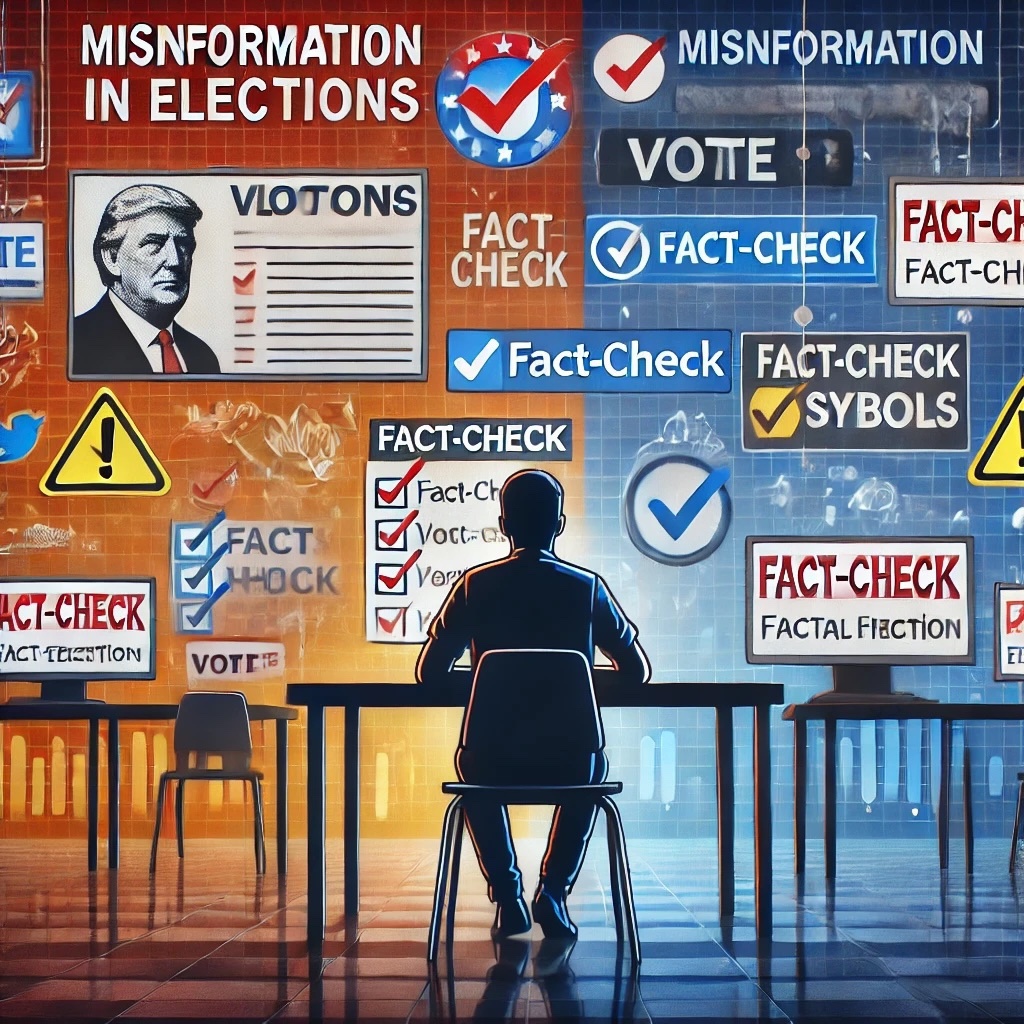
Truth on the Line: Battling Misinformation to Protect Our Elections

Elections are the cornerstone of democracy, a time when citizens decide the direction of their communities and countries. But in recent years, the rise of misinformation has put this vital process at risk, creating confusion, sowing doubt, and even changing how people vote. From wild conspiracy theories to fabricated news stories, misinformation has evolved into a serious threat to electoral integrity, and understanding how to combat it is more urgent than ever.

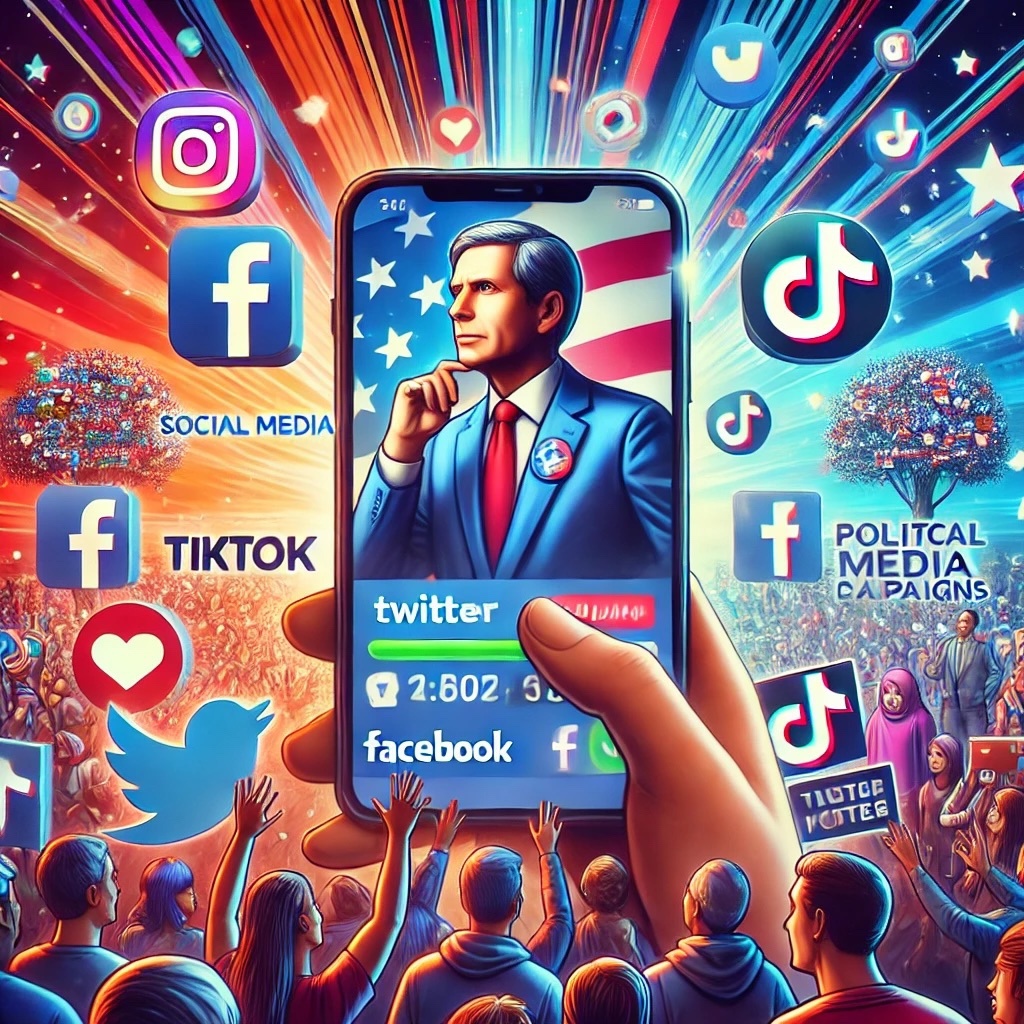
Misinformation spreads fast, often faster than the truth. In our age of instant communication, a simple tweet or post with misleading content can go viral in minutes, reaching thousands or even millions before the facts catch up. Social media platforms like Facebook, Twitter, and YouTube have become central to this issue, acting as both catalysts and battlegrounds for misinformation during election seasons.

Conspiracy theories, for instance, are designed to stir suspicion and often thrive in echo chambers where people seek information that confirms their beliefs. This type of misinformation plays directly on human psychology: we are more likely to share things that evoke strong emotions, like anger or fear, than dry facts. This dynamic has opened the door to bad actors who deliberately create false content to manipulate voters or disrupt the democratic process.

Misinformation doesn’t just exist in the digital sphere; it has real-life consequences. When voters are misled, their decisions at the polls are impacted, sometimes irreversibly. False information about voting locations or eligibility requirements can discourage people from voting or prevent them from casting a ballot altogether. Additionally, when people lose trust in the fairness of elections due to misinformation, it can undermine confidence in the entire democratic process.

In some cases, misinformation has even led to real-world confrontations, where people act on false beliefs. From protesting election results based on baseless claims to mistrusting election officials, the spread of misinformation is having a profound and potentially long-lasting effect on the way we experience and value democracy.

The fight against misinformation requires a multi-layered approach. Fact-checking initiatives have grown tremendously, with news organizations and independent groups verifying claims and sharing corrected information. But fact-checking alone is often not enough, as corrections rarely spread as quickly as the original misinformation.

Tech companies have stepped up with new tools to flag false content, though finding a balance between open expression and responsible moderation is challenging. For instance, some platforms now add warning labels to potentially misleading content, reducing its spread. However, the rapid pace of technology means that misinformation tactics are always evolving, pushing tech firms to remain vigilant and adaptive.

Educating the public is another vital solution. When people are equipped with critical thinking skills and know how to spot unreliable sources, they’re less likely to fall for misleading content. Schools, governments, and media organizations can work together to promote media literacy, helping citizens navigate information more wisely and make informed voting decisions.

Maintaining electoral integrity in an era of misinformation is a daunting task, but it’s one that must be pursued to protect the foundations of democracy. Each election cycle offers a chance to refine our approaches, whether through improved technology, broader education, or stronger collaboration across sectors. As misinformation continues to evolve, so too must our strategies for combating it, ensuring that when we vote, we are guided by facts, not fabrications.

The stakes are high, but the effort is worth it. When voters can trust that they’re participating in a fair and informed election, democracy becomes stronger, and society benefits as a whole. By working together to push back against misinformation, we can ensure that truth remains at the heart of our democratic process.

Related Posts

Honoring Our Heroes: The Legacy and Meaning of Veterans Day

Every November 11th, Americans come together to honor and celebrate the bravery and sacrifices of those who served in the United States Armed Forces. Veterans Day isn’t just a holiday; it’s a heartfelt tribute to millions of Americans who answered the call to serve their country. Originally celebrated as Armistice Day to mark the end of World War I, the day has evolved into a recognition of all veterans, past and present, who have contributed to the nation’s peace and freedom. Let’s take a look at the rich history, traditions, and the deeper meaning of Veterans Day and explore the ways we can all show our appreciation.

Veterans Day was originally known as Armistice Day, marking the anniversary of the end of World War I on November 11, 1918. In 1919, President Woodrow Wilson commemorated the day as a national holiday to honor those who had fought in what was, at the time, known as “the war to end all wars.” However, after the end of World War II and the Korean War, Americans felt the need for a holiday that would honor all U.S. veterans, not only those who had fought in WWI. In 1954, President Dwight D. Eisenhower signed legislation officially renaming the holiday to Veterans Day.

The spirit of Armistice Day—honoring peace and those who sacrificed for it—remains a central part of Veterans Day, but the holiday now recognizes the broader legacy of all service members. Each branch of the military—Army, Navy, Air Force, Marine Corps, Space Force, and Coast Guard—is honored, and Americans come together to pay tribute to those who dedicated themselves to protect their country and uphold democratic values.

Veterans Day is observed with a variety of ceremonies, parades, and gatherings that bring communities together. One of the most iconic traditions is the wreath-laying ceremony at the Tomb of the Unknown Soldier in Arlington National Cemetery. This solemn event honors the unidentified service members who died in defense of the country, serving as a powerful symbol of respect for the unknown but never forgotten.

Across the nation, parades fill the streets, schools hold assemblies, and veterans are often given the chance to share their stories. Many communities organize events where veterans and civilians can come together, allowing younger generations to hear firsthand about the experiences and sacrifices of those who served. Schools may also invite veterans to speak, helping children understand the value of service and the importance of honoring those who contribute to the nation’s security and values.

While honoring veterans on November 11th is meaningful, many people want to find ways to support veterans year-round. Veterans often face unique challenges as they transition to civilian life, including finding employment, accessing healthcare, and coping with mental health concerns. Volunteering at organizations that provide job placement assistance, therapy, housing, and social support can be a powerful way to give back to those who have given so much.

Many also choose to support businesses owned by veterans or to donate to charities like the Wounded Warrior Project, Veterans of Foreign Wars (VFW), and Fisher House Foundation. These organizations provide critical support, from medical assistance to scholarships and career resources. Every gesture, whether large or small, is a way of saying “thank you” to those who sacrificed so much for the nation’s freedom.

Veterans Day is more than a day on the calendar; it’s a reminder of the courage, dedication, and resilience that shape the nation’s character. As Americans, taking time to reflect on and appreciate the sacrifices made by veterans is an opportunity to recognize the liberties we sometimes take for granted. Their bravery, endurance, and willingness to serve inspire us to do our part in creating a society that values freedom, justice, and unity.

This Veterans Day, let’s honor not only the service members of the past but also those who continue to serve today. Let us remember that their sacrifices are not merely history—they are the foundation of our present and future freedoms. With every gesture of gratitude, we can show veterans and their families that we will always honor their service and cherish their commitment to the ideals of our nation.

Related Posts

Tweets, Trends, and Tactics: How Social Media Shapes Today’s Campaigns

Gone are the days when political campaigns relied solely on TV ads and public speeches. Today, social media platforms like Twitter, Facebook, and TikTok are where much of the political action happens. Campaigns have turned to these platforms not just as tools for connecting with voters but as powerful forces capable of swaying public opinion, driving engagement, and even changing the course of elections. But how exactly do these platforms shape the electoral landscape? Let’s take a closer look at the dynamic role of social media in modern political campaigns.

Social media allows politicians to connect with voters instantly, bypassing traditional media filters. Whether it’s a tweet from a candidate or a Facebook post from a campaign manager, information reaches voters in real time, giving candidates unprecedented control over their messaging. This immediate access means campaigns can quickly respond to events, issue clarifications, or reinforce their positions. However, the 24/7 nature of social media also makes campaigns vulnerable to missteps, where a single tweet or post can spark controversy.

One of the biggest advantages of social media is its ability to target specific audiences through ads. Platforms like Facebook and Instagram collect extensive data on users, allowing campaigns to segment voters based on demographics, interests, and even previous voting behavior. This data-driven approach lets campaigns tailor messages to resonate with specific groups, whether young voters on TikTok or suburban parents on Facebook. While effective, this level of targeting has raised questions about privacy and transparency, as well as concerns about echo chambers where voters see only content that aligns with their views.

TikTok dances, memes, and viral challenges might seem trivial, but they have become powerful tools for campaigns to engage young voters. Social media trends can rapidly amplify campaign messages, making politics more accessible and relatable to audiences who may not engage with traditional news. Memes, in particular, allow campaigns to express complex issues in simple, often humorous ways that are easy to share. However, these trends can be unpredictable, and what works for one candidate may backfire on another, as younger audiences are often quick to detect and reject inauthenticity.

Social media has also become a home for grassroots movements, where everyday people can organize, advocate, and fundraise for causes they care about. Platforms like Twitter and Instagram have helped drive movements around social justice, climate action, and healthcare reform. These movements can boost campaign visibility and even pressure candidates to address specific issues. For example, hashtags like #BlackLivesMatter and #MeToo started as grassroots campaigns on social media but grew into national conversations that have influenced political agendas and candidate platforms.

While social media offers new ways to reach voters, it also poses challenges, especially around misinformation. Fake news stories, manipulated images, and deepfake videos can quickly spread, influencing voter perceptions before fact-checkers can intervene. Campaigns must not only navigate these risks but also work to build trust and counter misinformation. In response, platforms have introduced fact-checking features, but the sheer volume of content makes it difficult to monitor everything effectively.

As social media continues to evolve, so will its role in elections. The platforms we rely on today may look completely different in the next election cycle, but one thing is clear: digital engagement is here to stay. Candidates who understand and harness the power of social media will continue to have an edge, as they can reach voters where they already are—scrolling, posting, and sharing online.

In the world of modern campaigns, social media is not just a tool; it’s a battleground, a megaphone, and a digital handshake. For better or worse, it has forever changed the way we experience politics.

Related Posts

Electoral Systems Around the Globe: How Different Methods Shape Democracies

The way votes are counted can drastically change the outcome of an election, but how much do we really understand about these methods? Around the world, countries use various electoral systems to select leaders, each with its own set of strengths and weaknesses. Let’s dive into three major systems—proportional representation, first-past-the-post, and ranked-choice voting—and explore how they influence political landscapes, voter satisfaction, and even social cohesion.

In a proportional representation (PR) system, the number of seats a party wins is directly proportional to the number of votes it receives. This system is popular in many European countries, such as Germany and Sweden. PR is known for producing diverse, multi-party legislatures because it encourages smaller parties to compete. Voters here feel their voices are more accurately represented since even a minority of votes can lead to a party gaining seats. However, PR systems sometimes lead to coalition governments, which can make decision-making a more collaborative but potentially slower process.

The first-past-the-post (FPTP) system, used in countries like the United States, United Kingdom, and India, is known for its simplicity. In each electoral district, the candidate who receives the most votes wins, regardless of whether they achieve an absolute majority. While this method is straightforward and often leads to stable, majority governments, it tends to favor larger parties, making it difficult for smaller parties to gain traction. Critics argue that FPTP can lead to “wasted” votes, where many people feel their voices aren’t heard if they vote for a losing candidate.

Ranked-choice voting (RCV) allows voters to rank candidates in order of preference. If no candidate receives an outright majority, the candidate with the fewest votes is eliminated, and their votes are redistributed according to voters’ next preferences. This process repeats until a candidate reaches a majority. RCV, used in places like Australia and certain U.S. cities, promotes greater voter satisfaction by ensuring that winners have broader support. It also encourages candidates to appeal to a wider audience, potentially reducing divisive campaigning. However, RCV is complex to administer, which can sometimes confuse voters.

These different systems are more than just methods of counting votes; they shape the entire political culture of a country. Proportional representation tends to foster multi-party systems and encourage compromise, while first-past-the-post often creates a two-party landscape with clearer, though sometimes polarized, policy positions. Ranked-choice voting offers a middle ground by allowing voters to express more nuanced preferences, which can reduce polarization and lead to candidates with broader appeal.

Ultimately, the choice of electoral system reflects the values and priorities of each society. As more people become aware of these differences, discussions about reform and the adaptability of these systems to their own communities grow. Each method carries the potential to reflect democracy in unique ways.

Related Posts

The People’s Voice: How Voting Rights Have Evolved to Reflect a True Democracy

From exclusion to empowerment, the story of voting rights in the United States is one of resilience, courage, and a continuous push toward fairness. At the heart of this journey is a fundamental principle: everyone deserves a voice in the decisions that shape their lives. But the road to universal suffrage has been long and winding, marked by key milestones and fierce battles for equality. Let’s take a look at how voting rights have evolved over the years, focusing on landmark moments like the 19th Amendment, the Voting Rights Act, and recent efforts to ensure all voices are heard.

When the United States was founded, voting was far from universal. In the late 18th century, the right to vote was largely restricted to white, land-owning men. This limited concept of who “deserved” to vote left out entire populations—women, people of color, and individuals who didn’t meet property qualifications. As the nation grew, so did the belief that more citizens should have a say in governance. However, it would take well over a century for substantial changes to emerge.

The fight for women’s suffrage was a turning point in American history, marked by the passionate activism of women like Susan B. Anthony, Elizabeth Cady Stanton, and countless others. For decades, women organized, marched, and protested for the right to vote. Their efforts culminated in the ratification of the 19th Amendment in 1920, a landmark achievement that granted women the right to vote. This amendment was monumental, not just because it expanded the electorate but because it empowered half of the population to have a say in laws that affected them.

While the 19th Amendment was a significant step, racial discrimination continued to disenfranchise Black voters and other minority groups, especially in the South. Practices like literacy tests, poll taxes, and outright intimidation were used to prevent people of color from voting. The Civil Rights Movement, led by figures like Dr. Martin Luther King Jr., highlighted these injustices, bringing national attention to the need for change. The result was the Voting Rights Act of 1965, a sweeping piece of legislation that aimed to eliminate racial discrimination in voting. By banning literacy tests and authorizing federal oversight in areas with a history of discrimination, the act opened the door for millions of Americans to exercise their rights freely.

Today, voting rights remain a dynamic issue, as activists work to expand access in the face of new challenges. Recent years have seen an increase in state-level voter ID laws and restrictions on mail-in voting, which some argue create barriers to voting. However, technology and advocacy groups have stepped up to bridge these gaps. Initiatives like early voting, same-day registration, and online voter registration aim to make voting easier and more inclusive, especially for young people, low-income individuals, and communities of color.

The fight for voting rights is ongoing. Every generation faces new challenges to ensuring that democracy truly reflects the will of the people. Through continued efforts to secure fair and equal access, America can move closer to fulfilling its promise of a government by and for all.

This journey reminds us that voting is not just a right; it’s a symbol of equality, power, and freedom.

Related Posts

Challenging the Count: How a Presidential Candidate Can Legally Contest an Election Outcome

In the United States, the electoral process is designed to reflect the voice of the people, ensuring that each vote matters in determining who will lead the country. But in an election as high-stakes as the presidential race, there can be instances where the losing candidate believes the result does not accurately reflect the votes. In these cases, candidates have legal avenues to challenge the outcome, ensuring fairness and transparency in the democratic process. This process is crucial not only for determining a clear winner but for reinforcing public trust in the election system.

Before a candidate can contest the outcome, there must be legitimate grounds for the challenge. Generally, these grounds include allegations of fraud, counting errors, voter suppression, or other irregularities that could have affected the result. Each claim must be substantiated with evidence, as baseless claims are not enough to launch a formal contest. State and federal courts require a clear reason to re-evaluate the results of a race as significant as the presidency, meaning the candidate must show that alleged errors or issues could have influenced the election’s outcome.

One of the primary ways to contest a presidential election is through a recount. Many states have rules for automatic recounts if the margin between candidates is exceptionally narrow, often less than 1% of the total votes. However, a candidate can request a recount if they believe errors occurred in the vote-counting process, even if the margin doesn’t automatically trigger one. Recounts involve re-tallying all votes, sometimes by hand, to ensure that each vote is counted accurately. Though time-consuming, recounts provide a transparent way to verify the results without drastic legal action.

If recounts don’t resolve the concerns, the next step involves filing lawsuits in state or federal courts. These lawsuits typically claim that voting irregularities, issues with ballot access, or procedural errors impacted the election outcome. For instance, a candidate may argue that specific ballots were improperly rejected or that certain voters faced barriers to casting their ballots. Once filed, these lawsuits are handled by judges who examine the evidence, hear testimonies, and ultimately determine whether the claims hold enough merit to affect the outcome. However, the legal burden of proof is high, requiring strong evidence to justify any change in results.

If challenges persist even after recounts and lawsuits, the U.S. Constitution provides an additional avenue through the Electoral College and Congress. After voters cast ballots, the Electoral College meets to formalize the election by voting on behalf of the states. Congress then meets to count these votes, and if there are objections to the certified results, members of Congress may challenge specific electoral votes. This process requires both a House representative and a Senate member to formally object to any state’s results, prompting debate and a vote on the issue. While it’s rare, this mechanism allows for additional scrutiny of the election.

In extraordinary cases, the contest may escalate to the U.S. Supreme Court. This level of intervention is highly uncommon but was famously seen in the 2000 Bush v. Gore election, where the Court ultimately decided on the recount process in Florida. For the Supreme Court to get involved, the case must present substantial constitutional questions or demonstrate that lower courts failed to address significant issues. If the Supreme Court rules on an election issue, its decision is binding, providing a definitive answer to the contest.

The process of contesting an election isn’t just about deciding who wins. It’s about ensuring the integrity of the system itself. When candidates have the option to challenge results legally, it reassures the public that elections are fair, accurate, and transparent. This right to contest is a fundamental part of American democracy, ensuring that the electoral process remains accountable and robust. Although challenging an election outcome is a lengthy and sometimes contentious process, it serves as a vital check within the democratic system, reinforcing the legitimacy of the final result.

Contesting a presidential election is a rare and often complex process, guided by legal standards and detailed procedures. Through recounts, lawsuits, and, in some cases, congressional or judicial intervention, the United States ensures that candidates have every opportunity to verify election outcomes. By navigating this careful legal process, the country demonstrates its commitment to a fair and transparent democracy, where the voice of the people is paramount.

Related Posts

Democracy in the Details: Understanding the U.S. Election Process and How Recounts Ensure Every Vote Counts

The United States election process is a cornerstone of American democracy, where citizens come together to select leaders at all levels of government. From local offices to the presidency, elections serve as the pulse of public opinion and the mechanism by which the people shape their government. But while casting a ballot might seem simple, the process of counting, verifying, and, if necessary, recounting those votes is a meticulous affair designed to ensure fairness and accuracy.

U.S. elections follow a step-by-step process that aims to ensure that the voices of American citizens are heard. The journey starts with voter registration, where eligible citizens sign up to vote. On Election Day or during the early voting period, voters cast their ballots, often using a combination of paper ballots, optical scan systems, or electronic voting machines. Once voting ends, officials begin the complex task of counting each vote, carefully recording results and verifying accuracy.

The process may appear uniform, but each state has its own unique approach, including different voting systems and rules for what counts as a valid ballot. This variation extends to recount procedures, which are triggered under certain conditions if results are extremely close or if an error or irregularity is suspected. These procedures help maintain the integrity of elections by allowing votes to be re-examined.

When an election is exceptionally close, the results are often reviewed through a recount to verify accuracy. While recount laws vary, they generally fall into two categories: automatic recounts and requested recounts. An automatic recount occurs when the margin of victory is within a certain threshold set by state law, often as narrow as a fraction of a percentage point. In contrast, a requested recount allows a candidate, political party, or group of voters to request a recount, usually covering the cost if the margin does not meet the state’s automatic threshold.

Once a recount is approved, officials review the ballots using one of three primary methods: manual recounts, machine recounts, or a mix of both. In a manual recount, officials visually inspect each ballot to determine voter intent, especially in cases where machines may have misread markings. Machine recounts involve running ballots through a counting machine again to catch potential counting errors. A hybrid approach combines both, offering a robust check for accuracy.

Recounts play a crucial role in upholding public confidence in the election process, particularly when results are razor-thin or contested. By allowing for recounts, the U.S. ensures that even the tightest races reflect the true will of the voters. Election officials follow strict protocols to preserve ballot integrity, limit access, and maintain transparency throughout the recount process. This transparency fosters trust, ensuring that all participants—candidates, supporters, and citizens—know that the election was fair and accurate.

In a democracy, the significance of each vote cannot be overstated. Recounts, while sometimes costly and time-consuming, honor the principle that every vote matters. They also highlight the importance of a transparent, error-averse election system, reassuring the public that the final result truly reflects their collective voice. Through recounts, the democratic process shines, showing that the U.S. is committed to electoral fairness and ensuring that every vote, down to the last one, is counted correctly.

The U.S. election process and recount procedures are designed to protect the foundation of American democracy. They ensure that elections are more than just numbers on a screen—they are a true representation of the people’s choice. Through recounts, every vote is validated, and the accuracy of each election is confirmed, reinforcing trust in the electoral system and in democracy itself.

Related Posts

Decoding the Electoral College: Why Every Vote Counts Twice

Every four years, millions of Americans head to the polls to cast their vote for the next President of the United States. On the surface, it seems like a straightforward process: vote for the candidate of your choice, and whoever gets the most votes wins. But as most people eventually discover—usually after their first or second presidential election—that’s not exactly how it works. What actually determines the winner of the presidency isn’t the nationwide popular vote. Instead, it’s something called the Electoral College, a uniquely American system that is as controversial as it is complex. It’s a concept that many people learn about in high school civics class, then promptly forget or misunderstand. Yet every time there’s a presidential election, especially a close or contentious one, the Electoral College comes roaring back into the public conversation, sometimes leaving citizens confused, frustrated, or downright furious.

So, what exactly is the Electoral College, and why does it exist? The short answer is that it’s a process established in the U.S. Constitution as a compromise between those who wanted Congress to select the President and those who preferred a direct vote of the people. The Founding Fathers, grappling with how to structure a new and fragile democracy, feared giving too much power to either the masses or a centralized body. They were wary of mob rule, concerned about uninformed voters, and also deeply influenced by the tensions between large and small states. They needed a system that would balance those competing interests while trying to maintain a sense of fairness. The Electoral College was born out of that compromise—not perfect, but functional, and crafted to serve a fledgling republic still experimenting with self-governance.

Here’s how it works in practice. Every state is allocated a number of electoral votes equal to the total number of its Senators and Representatives in Congress. Since every state has two Senators and at least one Representative, even the least populous states have a minimum of three electoral votes. In total, there are 538 electoral votes distributed across the 50 states and the District of Columbia, which, through the 23rd Amendment, gets three votes despite having no voting representation in Congress. To win the presidency, a candidate must secure a majority of those electoral votes—270 or more. If no candidate reaches that number, the decision goes to the House of Representatives, where each state delegation gets one vote to choose among the top three electoral vote-getters. That scenario is rare, but it has happened—most notably in 1800 and again in 1824.

Most states use a winner-take-all system to allocate their electoral votes. That means whichever candidate gets the most popular votes in that state gets all of its electoral votes. For example, if Candidate A wins 50.1% of the vote in Florida and Candidate B gets 49.9%, Candidate A gets all 29 of Florida’s electoral votes. It doesn’t matter if the margin is a single vote or a million. Only two states—Maine and Nebraska—break from this model. They use a proportional system based on congressional districts, awarding one electoral vote to the winner of each district and two additional votes to the statewide winner. This small variation has, on occasion, led to a split in those states’ electoral votes, but it rarely affects the national outcome.

Because of the winner-take-all approach, presidential campaigns tend to focus heavily on so-called “swing states”—states where the outcome is uncertain and either party has a chance of winning. These include places like Pennsylvania, Michigan, Wisconsin, Arizona, and Florida, among others. The reasoning is simple: there’s no point spending precious time and money in states that are firmly in one camp. California, for instance, reliably votes Democrat in presidential elections, while states like Alabama typically go Republican. As a result, voters in these “safe” states often feel overlooked, knowing their votes are unlikely to sway the outcome. Meanwhile, people in battleground states can find themselves inundated with campaign ads, rallies, and get-out-the-vote efforts. This uneven attention contributes to the feeling that some votes count more than others—not literally, but in terms of influence and impact.

The Electoral College also introduces the possibility that a candidate can win the presidency without winning the popular vote. This has happened five times in American history, most recently in 2016, when Donald Trump secured the presidency despite receiving nearly three million fewer votes nationwide than Hillary Clinton. It also happened in 2000, when George W. Bush won the Electoral College but lost the popular vote to Al Gore by more than half a million votes. These outcomes tend to spark intense debate, as they seem to contradict the democratic principle of “one person, one vote.” Critics argue that the system distorts representation and gives outsized influence to smaller states. For example, a voter in Wyoming has significantly more electoral power than a voter in California, simply because of the way the votes are distributed relative to population.

Supporters of the Electoral College, however, argue that it serves important functions. They point out that it forces candidates to build a broad, geographically diverse coalition to win—not just rack up votes in major urban centers. Without the Electoral College, they contend, candidates might only campaign in big cities like New York, Los Angeles, or Chicago and ignore rural areas entirely. They also argue that the system preserves the federal character of the United States, where states retain a certain degree of sovereignty and influence. The idea is that America is not a single unified nation, but a union of states, each with its own identity and interests. The Electoral College reflects that reality, giving each state a voice in the selection of the nation’s leader.

Still, the criticisms are not without merit. The disparity in electoral weight among states can feel jarring. Consider this: in 2020, there were roughly 193,000 people per electoral vote in Wyoming, but nearly 719,000 per vote in California. That means an individual vote in Wyoming carried almost four times the weight of a vote in California. While the Senate is also structured in a way that overrepresents small states, the impact is more acute in the presidency because it’s a single, national office. And unlike the Senate, where state populations were deliberately equalized by the Founders, the Electoral College is not based solely on a principle of balance—it mixes population-based and equal-state representation, often to perplexing effect.

Efforts to reform or abolish the Electoral College have been around almost as long as the system itself. Over the centuries, dozens of constitutional amendments have been proposed to eliminate it. The most significant push came after the 1968 election, when Richard Nixon won with just 43% of the popular vote in a highly fractured race. A bipartisan proposal to move to a direct popular vote passed the House but died in the Senate due to a filibuster. Since then, momentum for reform has come and gone, often gaining steam after controversial elections and then fading from public discourse. One of the most promising modern alternatives is the National Popular Vote Interstate Compact—a coalition of states pledging to award their electoral votes to the candidate who wins the national popular vote, regardless of their state’s individual outcome. The compact won’t take effect until enough states sign on to reach the 270-vote threshold. As of now, it’s about two-thirds of the way there.

For all its flaws, the Electoral College is deeply embedded in the U.S. political system. Changing it would require a constitutional amendment or a massive shift in public opinion and political will—both difficult prospects in a polarized era. Yet understanding how it works is essential to understanding American democracy. It’s not enough to say the system is broken or outdated without knowing how and why it came to be, and what purpose it’s meant to serve. Democracy is not just about casting a vote—it’s about knowing how that vote fits into the larger machinery of governance. The Electoral College is one of the gears in that machinery. It’s not perfect. It wasn’t designed to be. It was designed to function in a complex republic with competing interests and regional differences.

And here’s the human truth behind all the rules, numbers, and constitutional jargon: the Electoral College affects real people. It affects how campaigns are run, how voters feel represented, and how trust in the democratic process is built—or eroded. When a voter casts a ballot in a state where the outcome feels preordained, they might ask themselves, “Does my vote even matter?” That question doesn’t just reflect confusion; it reflects a sense of disconnection from the process, a sense that the system doesn’t see them. When the results of an election don’t align with the popular vote, some feel robbed, others feel vindicated, and still others feel something worse: apathy. That’s the danger of any system that feels too abstract, too mathematical, too removed from the people it’s meant to serve.

But the solution isn’t simple. Every reform idea brings its own complications. A direct popular vote sounds fairer in theory, but it also raises concerns about logistics, fraud, recounts, and regional dominance. Should the cities rule the countryside, or vice versa? Should every vote be weighed exactly the same, regardless of where it’s cast, or should geography and federalism play a role? These aren’t easy questions, and there’s no consensus answer. What there is, however, is a need for honest discussion—a willingness to look at the Electoral College not as a relic or a sacred cow, but as a tool. And like any tool, it should be judged by how well it performs the job we ask it to do.

In the end, the Electoral College is a reflection of America itself: complicated, contradictory, and always evolving. It forces us to wrestle with what kind of democracy we really want. Is it one where the majority always rules, or one where the structure tempers the passions of the moment? Is it one where every vote counts the same, or one where states have distinct voices in choosing national leaders? These aren’t theoretical debates—they’re conversations with consequences, ones that shape who leads the country, how they lead, and how legitimacy is conferred. Understanding the Electoral College means understanding a fundamental part of what it means to live in the United States, to participate in its grand, imperfect experiment.

For better or worse, every election is a reminder that this system is still very much in motion. Each vote cast, each state counted, each winner declared—all of it travels through a process designed in the 18th century and still unfolding in the 21st. Maybe that’s what makes the Electoral College so frustrating, and so fascinating. It’s not just about math. It’s about identity. It’s about trust. It’s about how 330 million people, scattered across an enormous and diverse nation, choose one person to represent them all.

Related Posts

Peace Across the Pond: How the Treaty of Ghent Ended the War of 1812

The Treaty of Ghent, signed on December 24, 1814, brought an official end to the War of 1812, a conflict that had deeply strained relations between the United States and Britain. The war itself was fueled by longstanding tensions, including British restrictions on American trade and forced recruitment of American sailors into the British Navy. The United States viewed these actions as provocations, while Britain, still entrenched in its battles against Napoleon in Europe, saw them as necessary.

The road to peace began when both countries realized the prolonged war was damaging to their economies and stability. The Treaty of Ghent negotiations took place in the quiet European city of Ghent, now part of Belgium, where American and British representatives met to reach common ground. Remarkably, the treaty largely restored the borders and relations between the two nations to pre-war conditions. This “status quo ante bellum” approach—returning things to how they were before the war—was unusual, as treaties often led to territorial changes or shifts in power. Instead, the treaty aimed for a broader peace and enduring stability.

The treaty’s impacts rippled far beyond the battlefield. In the United States, the end of the war spurred a sense of national unity and paved the way for economic growth and expansion. For Britain, it allowed a renewed focus on European conflicts and the eventual downfall of Napoleon. The War of 1812 and the Treaty of Ghent served as the last armed conflict between the United States and Britain, who later became close allies. The treaty, in effect, set the stage for the “Special Relationship” the two nations would develop in the 20th century, shifting from rivals to partners on the world stage.

The Treaty of Ghent reminds us that diplomacy, though complex, can bring lasting peace even when conflicts seem intractable. In 1814, across the Atlantic, leaders set aside their swords and signed a document that changed the course of history, showing that peace, often more enduring than war, can come from mutual respect and shared interests.

Related Posts

Unlocking the Metaphysical Universe: A Journey Beyond the Physical Realm

The idea of accessing the metaphysical universe—a reality beyond the physical world—has fascinated humanity for centuries. From ancient philosophers to modern spiritual seekers, people have long believed that there is more to existence than what we can perceive with our five senses. But what exactly is the metaphysical universe, and how can one tap into it?

The metaphysical universe refers to a realm that exists beyond the material world. It includes concepts like consciousness, the soul, spiritual energies, and other dimensions of existence that can’t be touched, seen, or measured by physical means. Think of it as a vast expanse where the rules of time and space bend and dissolve, revealing a deeper connection to the cosmos, and perhaps, to a higher purpose. Accessing this realm requires a shift in perspective, moving beyond our day-to-day experiences and tapping into the infinite potential of our inner selves.

The first step in accessing the metaphysical universe is to cultivate awareness. This isn’t just about being mindful in the present moment (although mindfulness is a valuable tool), but about awakening to the idea that reality extends beyond the visible and the tangible. Practices like meditation, breathwork, and deep contemplation help quiet the mind and open the door to higher states of consciousness. In these states, you may start to notice subtle shifts in perception—a feeling of connectedness to the world around you, or moments of clarity that reveal profound insights.

In the metaphysical realm, everything is energy. Many believe that accessing this dimension involves aligning yourself with certain vibrational frequencies. The idea is that your thoughts, emotions, and intentions all carry energy, and by consciously raising your vibration through practices like gratitude, compassion, and positivity, you can attune yourself to higher planes of existence. Techniques such as sound healing, Reiki, or even simple acts of kindness can help elevate your energy, allowing you to feel more in sync with the metaphysical universe.

Another key to unlocking the metaphysical universe lies in inner exploration. The deeper you dive into understanding your true nature, the more you can transcend the limitations of the physical world. The metaphysical journey is often described as an inward one, where you explore your own consciousness to find answers about your place in the cosmos. Lucid dreaming, astral projection, and out-of-body experiences are ways that people have described venturing into these otherworldly spaces. These practices allow your consciousness to experience reality outside the confines of your physical body, offering glimpses into the expansive metaphysical world.

Throughout history, people have accessed the metaphysical universe through mystical experiences—those moments that defy logic and reason but feel deeply real on a spiritual level. These might come during moments of profound meditation, deep prayer, or spontaneous insights that seem to transcend everyday thinking. Mystical experiences often reveal truths about the universe, life, and existence that go far beyond what we can comprehend intellectually. By being open to these moments and trusting in the mystery of the unknown, we can experience the metaphysical directly.

The metaphysical universe is closely tied to intuition, the inner knowing that doesn’t rely on the rational mind. To access the metaphysical, it’s important to learn to trust your gut feelings and subtle inner guidance. Intuition often serves as the compass for navigating the unseen, offering nudges and insights that guide you toward a greater understanding of yourself and the universe. By cultivating a relationship with your intuition, you can tune in to the metaphysical dimensions that surround and influence your everyday life.

At the core of the metaphysical universe is the idea of oneness—that we are all connected, not just to one another, but to every aspect of the cosmos. Accessing the metaphysical world often involves realizing this interconnectedness on a profound level. Many spiritual teachings suggest that the separation we feel from others and from the universe is an illusion, and that by transcending the ego, we can experience the true unity of all existence. This realization can be life-changing, helping you see beyond the limitations of the physical world and tap into the infinite possibilities of the metaphysical universe.

Related Posts
Bahrain’s Ancient Wells: A Lifeline in the Desert

Nestled within the arid landscape of Bahrain, an ancient tradition continues to sustain life—fetching water from wells. Long before modern infrastructure brought desalination plants and pipes to the island, the people of Bahrain relied on wells to access the life-giving water hidden beneath their sandy land. These wells are not only functional but also deeply woven into Bahrain’s cultural fabric, a testament to the ingenuity and resilience of its people in the face of harsh desert conditions.

Bahrain, meaning “two seas” in Arabic, historically referred to the island’s fresh underground water juxtaposed against the surrounding salty sea. For centuries, the discovery and use of wells were vital for survival. Bahrain’s unique geological features included a layer of limestone that allowed freshwater springs to emerge from underground aquifers. These springs, often linked to historic wells, provided Bahrainis with clean water for drinking, farming, and daily needs in a landscape that would otherwise have been inhospitable.

Communities in Bahrain would gather around these wells, making them social hubs as well as critical sources of water. Families would use buckets tied to long ropes, lowering them deep into the earth to bring up cool, refreshing water. This wasn’t merely a task but a communal activity, one that reflected the values of sharing and cooperation that still resonate in Bahraini society today.

The tradition of well-digging also carries spiritual significance. Water is seen as a divine blessing in the Quran, and the act of digging for water was often accompanied by prayers and ceremonies, asking for protection and success in securing the precious resource. In the desert, the presence of a well was a sign of hope, life, and prosperity. Bahrain’s wells are not only practical marvels but also relics of human perseverance.

Though modern water sources have largely replaced the need for wells, many of these ancient structures remain, preserved as heritage sites. They are silent witnesses to a time when water was more than a convenience—it was a vital treasure. Today, they remind us of the deep connection between people and the land they inhabit, and how Bahrain’s history has been shaped by the search for water.

As Bahrain moves forward, balancing development with conservation, these wells stand as symbols of sustainability and respect for natural resources. They are a call to remember that even in a world of abundance, we should never take life’s essentials for granted.

Related Posts
Liberty’s Embrace: The Inspiring Tale of the Statue of Freedom

The resplendent Statue of Liberty, an illustrious portrayal of unfettered freedom and democracy, stands proudly tall on Liberty Island in the New York Harbor. It was meticulously crafted by the skilled hands of the renowned French sculptor Frédéric Auguste Bartholdi and was ceremoniously inaugurated on October 28, 1886. This gargantuan monument has left an indelible impression as an everlasting symbol of hope and opportunity for the countless immigrants who sought a brighter future in the United States. Rising to an impressive height of 305 feet, this awe-inspiring masterpiece ensnares the attention of every onlooker with its majestic presence.

The neoclassical design of the statue embodies a draped female figure, symbolizing Libertas, the Roman goddess of freedom. She adroitly wields a torch aloft in her right hand, signifying enlightenment, while her left hand firmly clasps a tablet engraved with the momentous date of American independence, July 4, 1776. Adorning her crown are seven spikes, which serve as representations of each continent, encompassing the vast seas as well. Notably, her feet repose upon a fractured chain, serving as a poignant symbol of the nation’s arduous struggle against slavery. Functioning as a radiant beacon of hope and enlightenment, the Statue of Liberty has warmly welcomed countless immigrants to the shores of the United States, serving as a poignant reminder of the nation’s unwavering dedication to freedom, diversity, and the pursuit of the cherished American Dream.

Even in contemporary times, this stunning statue continues to captivate tourists hailing from various corners of the globe, drawing numerous visitors who come to marvel at its splendor and delve into its rich historical significance. The Statue of Liberty surpasses its physical existence as it embodies unity, inspiration, and the enduring spirit that characterizes America.

Related Posts