Latest Articles

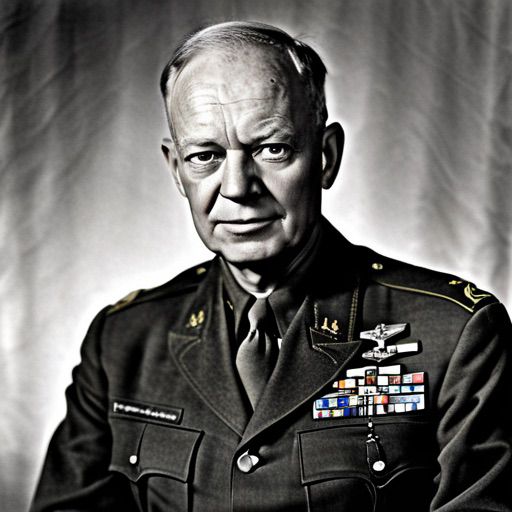
From General to President: The Leadership Lessons of Dwight D. Eisenhower

Dave

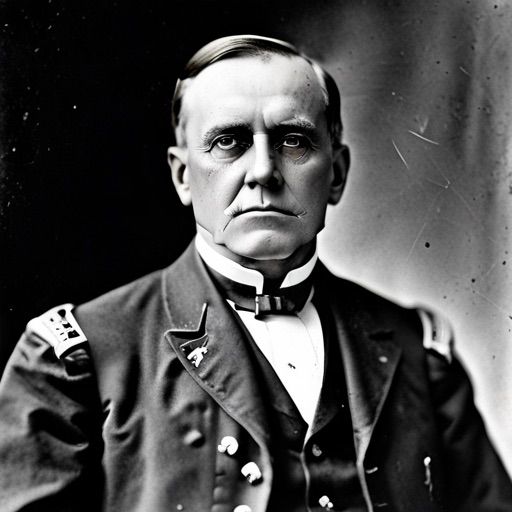
a man wearing a uniform
Dwight D. Eisenhower, also known as “Ike,” was a legendary figure in American history, who served as the 34th President of the United States from 1953 to 1961. Born in Denison, Texas, on October 14, 1890, he spent his formative years in Kansas. Before his presidency, Eisenhower had a remarkable military career, graduating from the prestigious United States Military Academy at West Point in 1915. He went on to serve his country in both World Wars, becoming a highly respected and decorated military leader.

Eisenhower’s greatest achievement was his role as the Supreme Commander of the Allied Forces in Europe during World War II. He led the successful D-Day invasion of Normandy, which helped turn the tide of the war in favor of the Allies. He was a strategic mastermind and inspired his troops with his unwavering leadership, earning him the nickname of “The General.”

After the war, Eisenhower continued to serve his country in various roles, including as the Army Chief of Staff and as President of Columbia University. As President of the United States, Eisenhower focused on domestic issues, such as infrastructure, education, and civil rights. His most notable achievement was signing the Federal Aid Highway Act of 1956, which authorized the construction of the interstate highway system, revolutionizing transportation in America. He also championed civil rights and signed the Civil Rights Act of 1957, which marked the first federal civil rights legislation since Reconstruction.

Eisenhower’s foreign policy was characterized by the Cold War and the looming threat of nuclear war. He worked tirelessly to contain the spread of communism, signing the Southeast Asia Treaty Organization (SEATO) to prevent its spread in Asia. He also signed the Eisenhower Doctrine, which authorized the use of military force to protect American interests in the Middle East.

After his presidency, Eisenhower retired to his farm in Gettysburg, Pennsylvania, where he enjoyed a quiet life. He passed away on March 28, 1969, at the age of 78. Eisenhower is remembered as a beloved president who was a true leader during World War II, a tireless advocate for infrastructure and civil rights, and a dedicated defender of American interests during the Cold War.


Related Posts

Unleashing the Giants: Exploring the World’s Monumental Orders

Dave

View of earth with the United States facing front
The world of big orders is a fascinating one, spanning across sectors and industries that showcase the vast scale and intricate complexity of global commerce. Let’s dive into some jaw-dropping examples that will leave you in awe.

Picture this: Saudi Aramco, the colossal oil titan, placing an order worth a mind-boggling $50 billion. They teamed up with a consortium of companies to develop the Marjan and Berri offshore oil fields. This monumental transaction not only underscores the tremendous significance of the energy sector but also highlights the mind-blowing amount of financial firepower required to extract and produce oil on such a grand scale.

But wait, there’s more! Boeing, the aviation giant, managed to secure an order from Emirates Airlines that will make your head spin. Brace yourself for this: 150 777X aircraft, valued at an astounding $56 billion. This massive deal not only showcases the ever-increasing demand for air travel worldwide but also highlights the pivotal role the aviation industry plays in shaping our interconnected planet.

Now, let’s shift gears and delve into the realm of technology. Behold, Apple, the tech titan we all know and love. When it comes to their iPhone models, their orders for components from various suppliers are simply staggering. With millions of devices sold globally, the order size for these components can easily soar into the billions of dollars. This mind-blowing figure emphasizes the immense impact and significance of the consumer electronics industry in our tech-driven world.

These awe-inspiring examples demonstrate that the biggest orders in the world are often associated with sectors that wield immense power over the global economy. From energy to transportation, and from technology to aviation, these industries shape the way we live, work, and connect with one another on a global scale. Prepare to be captivated by the sheer magnitude of these orders as we unveil the exciting world of big business.

Related Posts

The Legacy of Harry S. Truman: From Humble Beginnings to the Presidency and Beyond

Dave

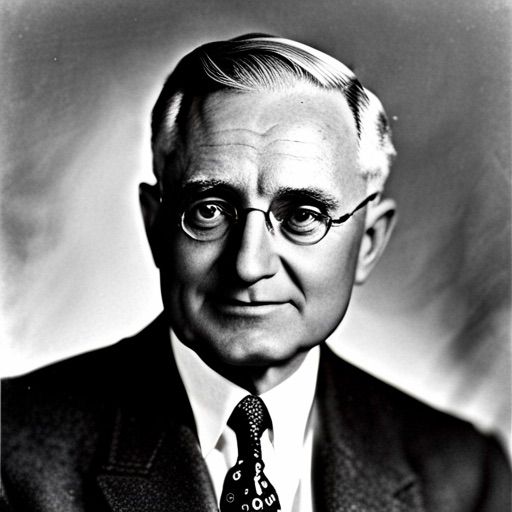
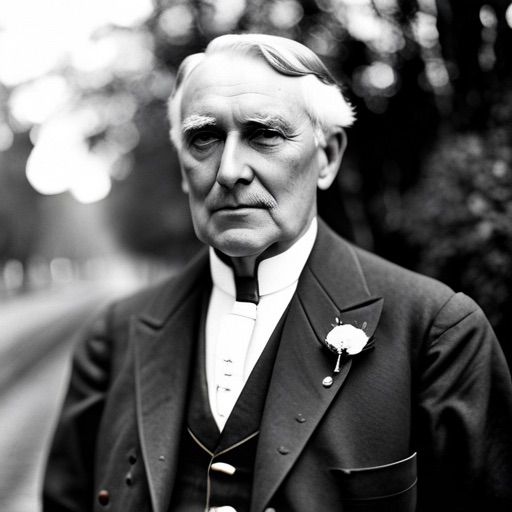
a man wearing a suit and tie looking at the camera
Harry S. Truman, an iconic figure in American history, served as the 33rd President of the United States from 1945 to 1953. Born on May 8, 1884, in Lamar, Missouri, Truman grew up in a farming family, instilling the values of hard work and perseverance that would later shape his presidency.

As President, Truman played a pivotal role in several significant events that shaped the course of history. He oversaw the end of World War II, which culminated in the atomic bombings of Hiroshima and Nagasaki, forcing Japan to surrender and bringing the war to a close. In addition, Truman helped establish the United Nations and the Marshall Plan, aimed at rebuilding Europe after the war.

However, Truman’s presidency was not without challenges. The onset of the Cold War marked a period of heightened tensions between the United States and the Soviet Union, leading to the arms race and the establishment of NATO. Truman’s domestic policies, including the Fair Deal, aimed to expand social welfare programs and civil rights, but faced opposition from conservatives.

Despite his many achievements, Truman faced criticism for his handling of the Korean War and the controversial firing of General Douglas MacArthur. His approval ratings were low when he left office in 1953, but his legacy has since been reevaluated. Truman is now widely regarded as a decisive and effective leader during a critical time in American history, who paved the way for future leaders to navigate the complexities of global politics.

Related Posts

Franklin D. Roosevelt Received an Excellent Education and Began his Political Career at a Young Age

Dave

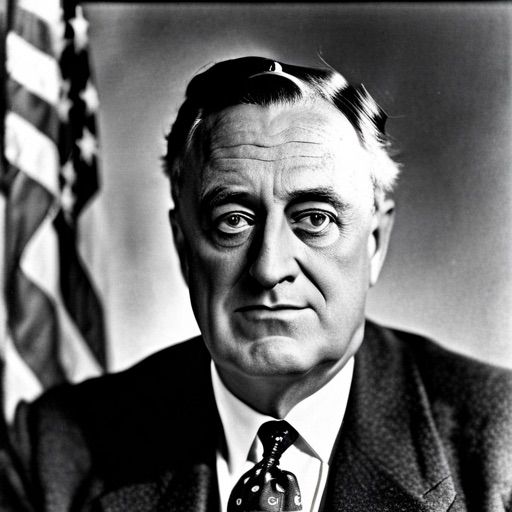
a man wearing a suit and tie
Meet Franklin D. Roosevelt, affectionately known as FDR, the 32nd President of the United States who led the country from 1933 until his passing in 1945. He is widely regarded as one of the greatest U.S. presidents in history, having played an instrumental role in shaping the country during some of its darkest moments.

Born in 1882 to a wealthy family in Hyde Park, New York, Roosevelt received an excellent education and began his political career at a young age. He was elected to the New York State Senate in 1910, and nothing could deter him, not even the tragic incident of contracting polio in 1921, which left him paralyzed from the waist down. He remained resolute in his quest for political success.

In 1932, amid the Great Depression, Roosevelt won the presidential election and immediately set to work implementing a series of programs known as the New Deal. This initiative provided jobs and welfare to millions of Americans, including the creation of the Civilian Conservation Corps, Works Progress Administration, and Social Security Administration. With the government taking an active role in the economy, Roosevelt’s leadership helped stabilize the country and prevent social unrest.

FDR also led the United States through World War II, guiding the country through some of its darkest days. He was instrumental in building the Allied coalition, planning and executing the D-Day invasion, and a strong advocate for the establishment of the United Nations, which was created after the war to promote international cooperation and prevent future conflicts.

While not immune to criticism, Roosevelt’s legacy as a transformative leader who guided the country through its most challenging moments remains strong. Today, he is remembered as a champion of the common man, a tireless advocate for social justice, and one of the greatest presidents in American history.

Related Posts

Herbert Hoover Led a Life of Remarkable Achievements Despite Facing Early Adversity

Dave

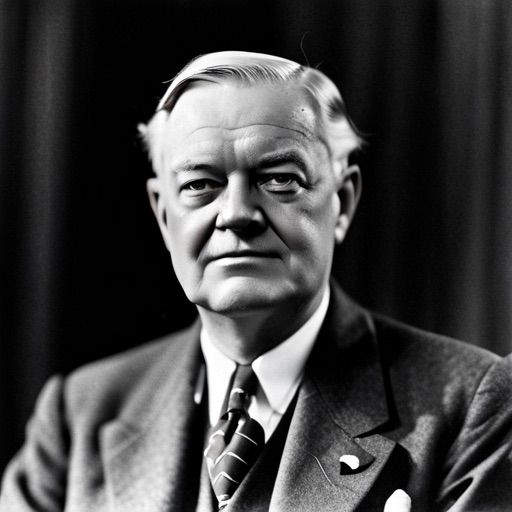
a man wearing a suit and tie smiling and looking at the camera
Herbert Hoover, the 31st President of the United States, led a life of remarkable achievements despite facing early adversity. Born on August 10, 1874, in West Branch, Iowa, Hoover lost his parents at a young age. However, he refused to let his circumstances define him and went on to attend Stanford University, where he earned a degree in mining engineering.

Hoover’s ingenuity and business acumen propelled him to great heights, and he became a successful mining engineer and businessman. But his presidency was marked by the Great Depression, a catastrophic financial crisis that began shortly after he took office. Despite his best efforts to address the crisis, his initiatives were largely unsuccessful, and he faced intense criticism for his response to the economic downturn.

Hoover’s belief in the power of individual initiative and self-reliance made him hesitant to intervene directly in the economy, ultimately contributing to his political downfall. However, despite his struggles as President, Hoover remained dedicated to public service throughout his later years. He served on various government commissions and continued to advocate for humanitarian aid and relief efforts.

Hoover was also a prolific writer, delving into topics ranging from mining and engineering to politics and history. His numerous books and articles are a testament to his intellectual curiosity and his unwavering commitment to learning and growth.

Today, Hoover’s legacy is a complex one, reflecting both his triumphs and his struggles. Although his presidency is often remembered for its shortcomings during the Great Depression, his life and career demonstrate the importance of perseverance and determination in overcoming adversity. His contributions to engineering and business continue to be felt to this day, and his commitment to public service and humanitarian causes serves as an inspiration to many. Overall, Herbert Hoover remains an important figure in American history, embodying both the challenges and opportunities that define the American experience.

Related Posts

The Over Inflated Strength of Schedule Rankings at the Start of the Season Gives the SEC an Unfair Advantage

Dave


The SEC college football teams are no strangers to controversy! The ongoing debate about whether they receive an unfair advantage at the start of the season is a hot topic among football enthusiasts. Some argue that the team rankings are inflated, giving the SEC teams an edge based on their strength of schedule. While others believe that this provides a fair advantage, the primary reason why this argument exists is because the SEC teams often play weaker non-conference opponents, which artificially inflates their rankings.

It’s all about the rankings system, with teams gaining points for wins against high-ranked opponents. The SEC teams’ easier non-conference schedule gives them an advantage in the rankings, which some argue is unfair. Additionally, this means that the SEC teams may not be as dominant as they seem, and other teams are left to struggle against them. For example, teams from the Big Ten or Pac-12 conferences often play tougher non-conference games, making it harder for them to compete against SEC teams. This can impact their rankings and leave them at a disadvantage.

However, others argue that it’s a fair play, as the SEC teams still have to battle it out against tough conference opponents. The SEC is widely regarded as one of the most competitive conferences in college football, with several top-ranked teams. Moreover, SEC teams also have to play in the SEC championship game, which can be just as challenging as any non-conference game.

The debate about whether SEC college football teams receive an unfair advantage at the start of the year is a complex issue with valid arguments on both sides. While some believe that the rankings system should be changed to level the playing field, others believe that it provides a fair advantage. Ultimately, the decision lies in the hands of the NCAA and other governing bodies. Whichever way they decide to go, one thing’s for sure – the SEC will continue to be at the center of the college football universe!

Related Posts

Calvin Coolidge was a Man of Quiet Strength and Unwavering Principles

Dave

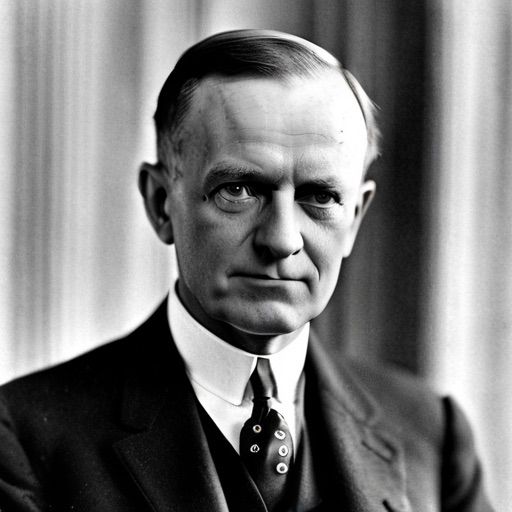
a man wearing a suit and tie
Calvin Coolidge, the 30th President of the United States, was a man of quiet strength and unwavering principles. Born on the Fourth of July in 1872 to a family of Vermont farmers, Coolidge rose to national prominence during the Boston Police Strike of 1919. His calm and steady leadership during the crisis earned him a reputation as a decisive and effective leader.

In 1920, Coolidge was chosen as Vice President under Warren G. Harding, and after Harding’s sudden death in 1923, he became President. During his presidency, Coolidge continued his predecessor’s pro-business policies and oversaw a period of unprecedented economic growth, known as the “Roaring Twenties.” He signed into law the Revenue Act of 1924, which lowered income tax rates and increased the personal exemption, putting more money in the pockets of hardworking Americans.

Coolidge was also a champion of peace, supporting the Kellogg-Briand Pact, which renounced war as an instrument of national policy. He recognized the growing importance of radio broadcasting and established the Federal Radio Commission to regulate the industry.

Despite his popularity and success as a leader, Coolidge declined to seek a second full term in 1928, citing his belief in limited government and the dangers of becoming too entrenched in power. After leaving office, he retired to Massachusetts, where he wrote his autobiography and made occasional public appearances.

While some praise Coolidge’s commitment to small government and individual liberty, others criticize his lack of action on issues such as civil rights and labor reform. Regardless of one’s opinion, Coolidge’s legacy as a president who championed free enterprise and limited government continues to influence American politics to this day.

Related Posts

Warren G. Harding Grew up in a Modest Family and Worked in his Father’s Newspaper

Dave

a man wearing a suit and tie

Warren G. Harding, the 29th President of the United States, lived an extraordinary life that began on November 2, 1865, in the small town of Blooming Grove, Ohio. Despite growing up in a modest family, Harding’s ambition and determination led him to become the owner of the Marion Daily Star in 1884, where he honed his skills in journalism and developed his passion for politics.

As his reputation grew, so did his involvement in civic affairs, and he eventually became the Lieutenant Governor of Ohio in 1903. Harding’s political career skyrocketed when he was elected as a U.S. Senator from Ohio in 1915, where he championed pro-business policies and supported the League of Nations.

In 1920, Harding’s determination and popularity earned him the Republican nomination for president, which he won by a landslide victory. His inauguration in March 1921 marked a new era of prosperity and stability for the nation as he promised a “return to normalcy” after the chaos of World War I. His presidency was characterized by a reduction in government regulation, economic prosperity, and the signing of the Fordney-McCumber Tariff Act.

However, despite his efforts to bring stability to the country, Harding’s administration was plagued by corruption scandals, including the infamous Teapot Dome scandal, where government officials were found to have accepted bribes in exchange for leasing federal oil reserves to private companies.

Despite the scandals, Harding remained popular with the American people, who appreciated his affable personality and his efforts to restore the country’s economy and promote peace. Sadly, his presidency was cut short when he died suddenly of a heart attack in San Francisco on August 2, 1923, during a tour of the western United States.

Overall, Warren G. Harding’s legacy is a mixed one. While he is remembered for his efforts to restore the economy and bring stability to the country, he is also known for the corruption that occurred under his watch. Nonetheless, Harding’s life and accomplishments serve as a reminder of the power of determination and hard work in achieving success.

Related Posts

Sun Tzu: The Art of War and its Enduring Influence

Dave

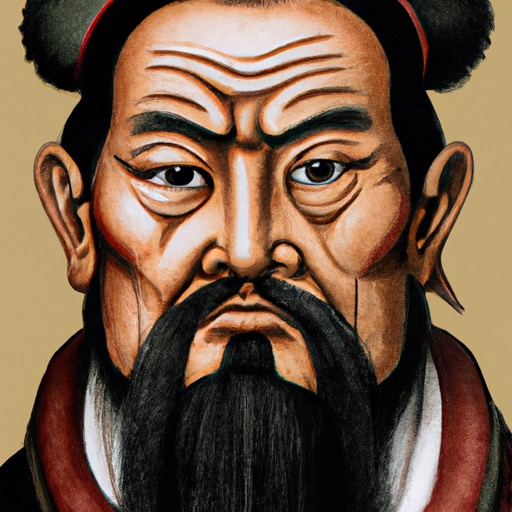
Photo realistic high definition image of Sun Tzu, a renowned Chinese general, military strategist, and philosopher
Sun Tzu, a renowned Chinese general, military strategist, and philosopher, lived during the Eastern Zhou period. His masterpiece, “The Art of War,” has achieved profound recognition as one of history’s most influential military treatises. Beyond its military applications, Sun Tzu’s philosophy emphasizes the significance of strategy, deception, and adaptability. This paper explores the key principles outlined in “The Art of War,” their broad impact, and the enduring legacy of Sun Tzu’s teachings in various domains.

1. Sun Tzu: The General, Strategist, and Philosopher:
Briefly introduce Sun Tzu as a Chinese figure from the Eastern Zhou period.
Highlight his status as a general, military strategist, and philosopher.
Emphasize the timelessness of his ideas and their relevance across disciplines.
2. “The Art of War”: A Classic and Influential Work:
Describe “The Art of War” as a renowned and influential book.
Explain its significance beyond military circles, extending to business, politics, and sports.
Discuss the book’s structure, comprising 13 chapters addressing different aspects of warfare, leadership, and strategic planning.
3. Key Principles from “The Art of War”:
a) Knowing Oneself and the Enemy:
Elaborate on the importance of self-assessment and understanding the strengths and weaknesses of both sides.
Highlight the role of this knowledge in effective decision-making.
b) Strategy and Planning:
Discuss Sun Tzu’s emphasis on meticulous planning and strategic thinking.
Explain how victory can be achieved by exploiting weaknesses, creating advantages, and minimizing risks.
c) Deception and Misdirection:
Explore Sun Tzu’s advocacy for the use of deception and illusion to confuse and mislead opponents.
Provide examples of tactics such as feigning weakness and gathering intelligence through spies.
d) Adaptability and Flexibility:
Emphasize the importance of adaptability and flexibility in response to changing circumstances.
Discuss how successful commanders adjust their strategies and tactics accordingly.
e) Leadership and Command:
Highlight the significance of strong leadership, clear communication, and effective command structures.
Discuss the role of trust and loyalty in inspiring troops.
f) Terrain and Timing:
Explain Sun Tzu’s consideration of terrain and timing as crucial factors in warfare.
Discuss the impact of understanding geographical and environmental conditions.
g) Winning Without Battle:
Explore Sun Tzu’s argument for achieving victory without engaging in direct conflict.
Discuss diplomatic means, alliances, and psychological warfare as methods of undermining the enemy’s will to fight.
4. The Enduring Influence of Sun Tzu:
Reflect on the broader impact of “The Art of War” beyond military contexts.
Discuss its application and relevance in business, politics, and sports.
Highlight the enduring popularity and study of Sun Tzu’s teachings in contemporary society.

Conclusion:
Sun Tzu’s “The Art of War” stands as a testament to the timeless wisdom of strategy, deception, and adaptability. His teachings, rooted in ancient warfare, continue to inspire and guide individuals in diverse fields. Sun Tzu’s emphasis on understanding oneself and the enemy, meticulous planning, and flexibility resonates with the quest for success and excellence in various domains. As we navigate the complexities of the modern world, Sun Tzu’s profound insights remain invaluable for those seeking strategic advantage and effective leadership.

Related Posts

Strategies for Reducing America’s National Debt

Dave


America’s debt is a ticking time bomb that needs immediate attention. It’s a complex issue that requires a comprehensive solution. Although there are a few approaches to reduce the trillions of dollars of debt, each comes with its own set of challenges.

One approach is to reduce spending. The government can consider cutting back on discretionary spending such as defense spending or foreign aid. However, this can be a politically sensitive task. It requires the political will to make tough decisions and the willingness to face the consequences.

Another approach is to increase revenue. This can be done by raising taxes or expanding the tax base. However, this can be met with resistance from the public as it can discourage investment and economic growth.

Alternatively, the government can focus on economic growth. By investing in infrastructure, education, and technology, the government can increase economic output. This will generate more revenue and reduce the debt burden. However, this approach requires careful planning and a long-term commitment to see results.

Lastly, the government can consider restructuring the debt. This can involve refinancing or renegotiating the terms of the debt. However, this approach can have negative consequences such as a reduction in credit rating.

In conclusion, the issue of America’s debt requires a combination of these approaches to be addressed. It will require political will, careful planning, and a willingness to make tough decisions. The clock is ticking, and it’s time to act before it’s too late.

Related Posts

Woodrow Wilson was Known for his efforts to Promote Peace and Democracy

Dave

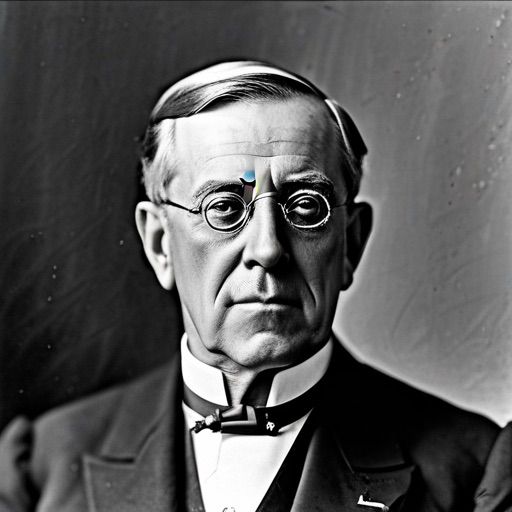
a man wearing glasses posing for the camera
Woodrow Wilson, the 28th President of the United States, was a man of great conviction and vision. Serving in office from 1913 to 1921, he left an indelible mark on American history with his unwavering commitment to promoting peace and democracy worldwide.

During his presidency, Wilson ushered in a wave of domestic and foreign policy achievements that still reverberate today. He established the Federal Reserve System, created the Federal Trade Commission, and passed the Clayton Antitrust Act. Furthermore, he was a champion of women’s rights, instrumental in the passage of the 19th Amendment which gave women the right to vote.

Wilson’s foreign policy was characterized by his passionate belief in democracy and self-determination. He was a key figure in the establishment of the League of Nations, an international organization aimed at preventing future wars and promoting cooperation among nations. Though the United States did not ultimately join the League, Wilson’s vision for a more peaceful world order continues to inspire international efforts to this day.

However, Wilson’s legacy is not without controversy. He oversaw the segregation of federal agencies and the military during his presidency, and his handling of the First World War and the rise of fascism in Europe faced criticism. Despite these shortcomings, Wilson’s contributions to the country and the world are still studied and debated, making him a significant figure in American history.

Related Posts

William Howard Taft was Dedicated to the Rule of Law

Dave

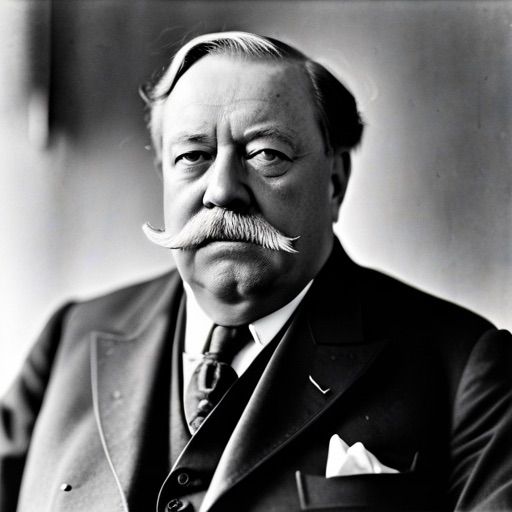
a man wearing a suit and tie

William Howard Taft, the 27th President of the United States, was a man of many talents. His legal expertise and dedication to the rule of law were evident throughout his career, and he served as a judge, Solicitor General, and Secretary of War under President Theodore Roosevelt before assuming the presidency himself in 1909.

Taft’s presidency was marked by his focus on trust-busting, conservation, and foreign policy. He continued many of the policies of his predecessor, Theodore Roosevelt, including enforcing the Sherman Antitrust Act and expanding national parks and forests. But Taft was also a trailblazer, introducing the 16th Amendment, which established a federal income tax.

One of Taft’s most notable achievements on the world stage was negotiating the Knox–Porter Resolution, which officially ended the Russo-Japanese War. He also established the Dollar Diplomacy policy, which aimed to promote American business interests abroad by providing financial support to countries in need.

Despite these successes, Taft’s presidency was not without controversy. He faced criticism from both progressive and conservative factions within his own party, and his relationship with Roosevelt became strained. But Taft remained committed to the rule of law and his contributions to American jurisprudence cannot be denied.

After leaving office, Taft went on to serve as a law professor at Yale University and eventually became Chief Justice of the United States from 1921 to 1930. While his legacy may be mixed, there is no denying that Taft was a man of great accomplishments and a true champion of the law.

Related Posts

Theodore Roosevelt a Famous American President

Dave
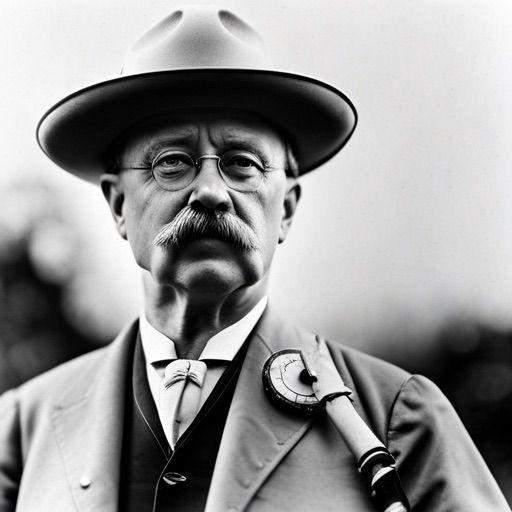
a man wearing a suit and hat

Theodore Roosevelt

Theodore Roosevelt was not only a famous American president, but also an influential figure who left an indelible mark in the history of the United States. Born in the bustling city of New York in 1858, Roosevelt grew up in a wealthy family. Despite being a sickly child who suffered from asthma, he never let his condition get in the way of his passions. In fact, he embraced them wholeheartedly, including his love for hunting, hiking, and studying natural history.

Roosevelt’s insatiable thirst for knowledge led him to attend Harvard University, where he honed his writing skills, eventually becoming a prolific author who wrote on a range of subjects, from history and politics to nature. His writing prowess would later come in handy when he stepped into the political arena in the late 19th century as a reformer, serving as a member of the New York State Assembly. There, he championed various progressive causes, including civil service reform and workers’ rights, earning himself a reputation as a fearless advocate for the people.

Roosevelt’s drive for change and his unrelenting spirit saw him appointed as the Police Commissioner of New York City, where he took on corruption and worked to improve the city’s police force. However, it was his leadership during the Spanish-American War, leading the Rough Riders, a volunteer cavalry unit, which propelled him to national hero status and ultimately the governorship of New York in 1899.

In 1901, Roosevelt’s life took a dramatic turn when President William McKinley was assassinated, and he became the 26th President of the United States. As president, he continued his progressive agenda, including trust-busting, conservation, and workers’ rights. He also oversaw the construction of the Panama Canal and was a staunch advocate for American imperialism.

Roosevelt’s legacy as a reformer, conservationist, and American hero is still felt today, almost a century after his death in 1919. His impact on American politics and public life remains unmatched, and he is undoubtedly one of the greatest presidents the United States has ever had.

Related Posts

College Football has Taken the Weather as a Factor out of the Sport

Dave


College football has long been a beloved American pastime, with millions of fans tuning in each year to watch their favorite teams battle it out on the field. However, one aspect of the game that has changed dramatically over the years is the impact of weather on gameplay. In the early days of college football, weather was often a significant factor that could have a huge impact on the outcome of a game. Rain, snow, and wind could all make it difficult for players to move the ball effectively, and many games were won or lost based on weather conditions alone.

However, in recent years, college football has taken the weather as a factor out of the sport. Advances in technology and the introduction of domed stadiums have made it possible for games to be played in almost any weather conditions, without significantly affecting gameplay. This has led to a more consistent and predictable experience for fans, who no longer have to worry about the weather ruining their favorite team’s chances of winning.

While some fans may argue that taking the weather out of the sport has made it less exciting or less challenging, the reality is that it has actually made the game more fair and more accessible to players of all skill levels. By eliminating the impact of weather conditions, teams are able to focus more on their actual gameplay strategies and less on adapting to changing weather patterns.

In conclusion, while the impact of weather on college football may be a thing of the past, the sport continues to thrive and evolve in exciting new ways. Whether you’re a die-hard fan or a casual observer, there’s no denying the thrill of watching some of the best athletes in the world compete on the gridiron, rain or shine.

Related Posts

William McKinley was Known for his Unwavering Support for the Gold Standard

Dave
a man wearing a suit and tie smiling at the camera

William McKinley

Step back in time with me to the late 1800s, where William McKinley was born and raised in Niles, Ohio in 1843. Despite his humble beginnings, McKinley had a strong determination to succeed, which led him to become a schoolteacher before enlisting in the Union Army during the Civil War.

After the war, he pursued higher education, studying law and eventually becoming a member of the Ohio bar in 1867. McKinley’s political career took off as he served in the U.S. Congress for 14 years, where he became known for his unwavering support of protective tariffs and the gold standard.

In 1891 and 1893, McKinley was elected Governor of Ohio, where he demonstrated exceptional leadership skills, paving the way for his presidential bid. During his presidency, he oversaw a period of remarkable economic growth and expansion. He was a trailblazer in promoting civil rights, particularly the advancement of African American voting rights in the South.

McKinley’s legacy was not only defined by his accomplishments but also by his tragic death. In September 1901, he was shot by an anarchist while attending the Pan-American Exposition in Buffalo, New York. Despite the best efforts of medical professionals, McKinley succumbed to his injuries eight days later. His untimely death robbed America of a strong and steady leader, leaving a deep impact on the nation’s history.

Related Posts

Grover Cleveland 2nd Term

Dave
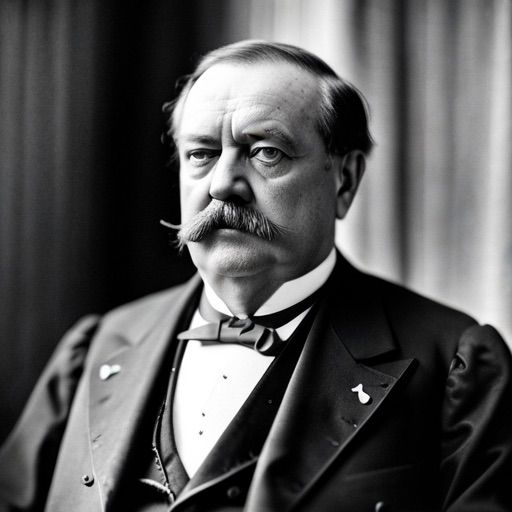
a man wearing a suit and tie

Grover Cleveland

Grover Cleveland, a man of many accomplishments, was the only president in US history to serve non-consecutive terms. He held office twice, from 1885-1889 and then again from 1893-1897, during a time of tremendous change and upheaval.

During his second term, Cleveland had to navigate a series of crises, including a brutal economic depression, labor unrest, and tensions with Spain over Cuba’s independence. Despite these challenges, Cleveland was a staunch fiscal conservative, committed to reducing government spending and cutting tariffs. He also championed civil service reform and helped establish the Interstate Commerce Commission to regulate the railroad industry.

One of the most controversial decisions of Cleveland’s second term was his handling of the Pullman Strike of 1894. When workers at the Pullman Palace Car Company went on strike to protest wage cuts and layoffs, Cleveland sent in federal troops to break up the strike. His decision was widely criticized by labor unions and progressive reformers, who saw it as an attack on workers’ rights.

Cleveland’s foreign policy was also a source of controversy during his second term. He was opposed to American expansionism and imperialism, and he refused to annex Hawaii or acquire territories in the Pacific. However, his support for Cuban independence from Spain created increased tensions with the Spanish government, ultimately leading to the Spanish-American War in 1898, after Cleveland left office.

Despite these challenges and controversies, Cleveland’s second term was marked by significant accomplishments and contributions to American history. His legacy includes his commitment to fiscal conservatism, civil service reform, and his efforts to regulate the railroad industry. Grover Cleveland was truly a president of the people, navigating turbulent times with strength and conviction.

Related Posts

Unlocking the Secrets of Fort Knox: Beyond the Gold

Dave


Fort Knox, a United States Army post nestled in the heart of Kentucky, is much more than just a military base. It’s the home of the United States Bullion Depository, a fortress that safeguards a significant portion of the nation’s gold reserves. The depository building is a true engineering marvel, with its sturdy granite walls, impenetrable reinforced steel doors, and advanced security systems that make it nearly impossible to breach.

The gold reserves stored in Fort Knox have long been a symbol of American wealth and power, with an estimated 147 million ounces of gold currently stashed inside the depository, valued at over $200 billion. Yet, Fort Knox has served multiple purposes throughout its history. During World War II, it served as a storage site for important documents, and as a training ground for tank crews.

Visitors to Fort Knox are in for a treat, as they can explore the depository and the surrounding area while learning about the site’s rich history and significance. From the military base to the gold repository, Fort Knox is an iconic symbol of American strength and security that will continue to play a crucial role in the nation’s history for generations to come.

Related Posts

The White House: A Grand and Iconic Symbol of American Power and Influence

Dave


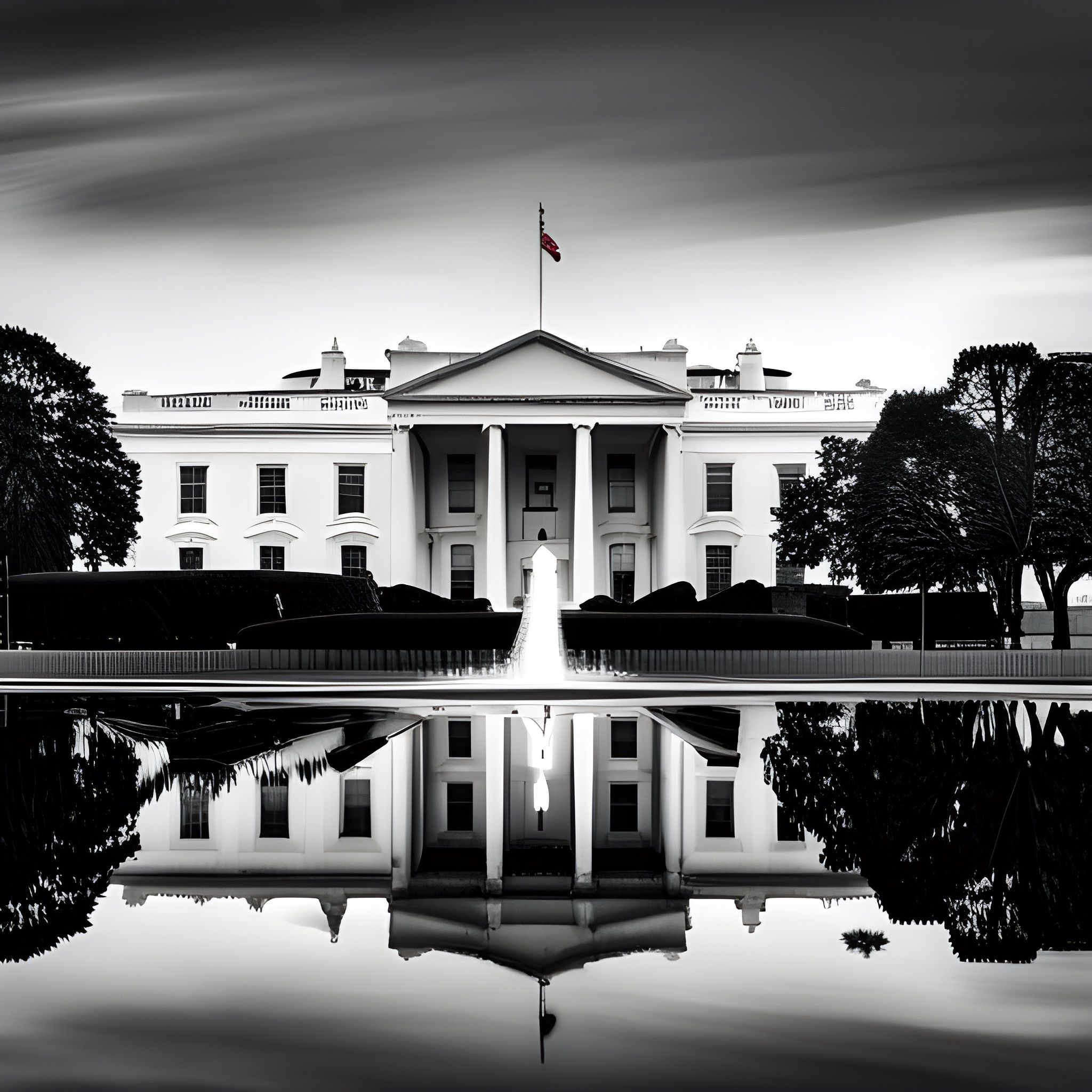
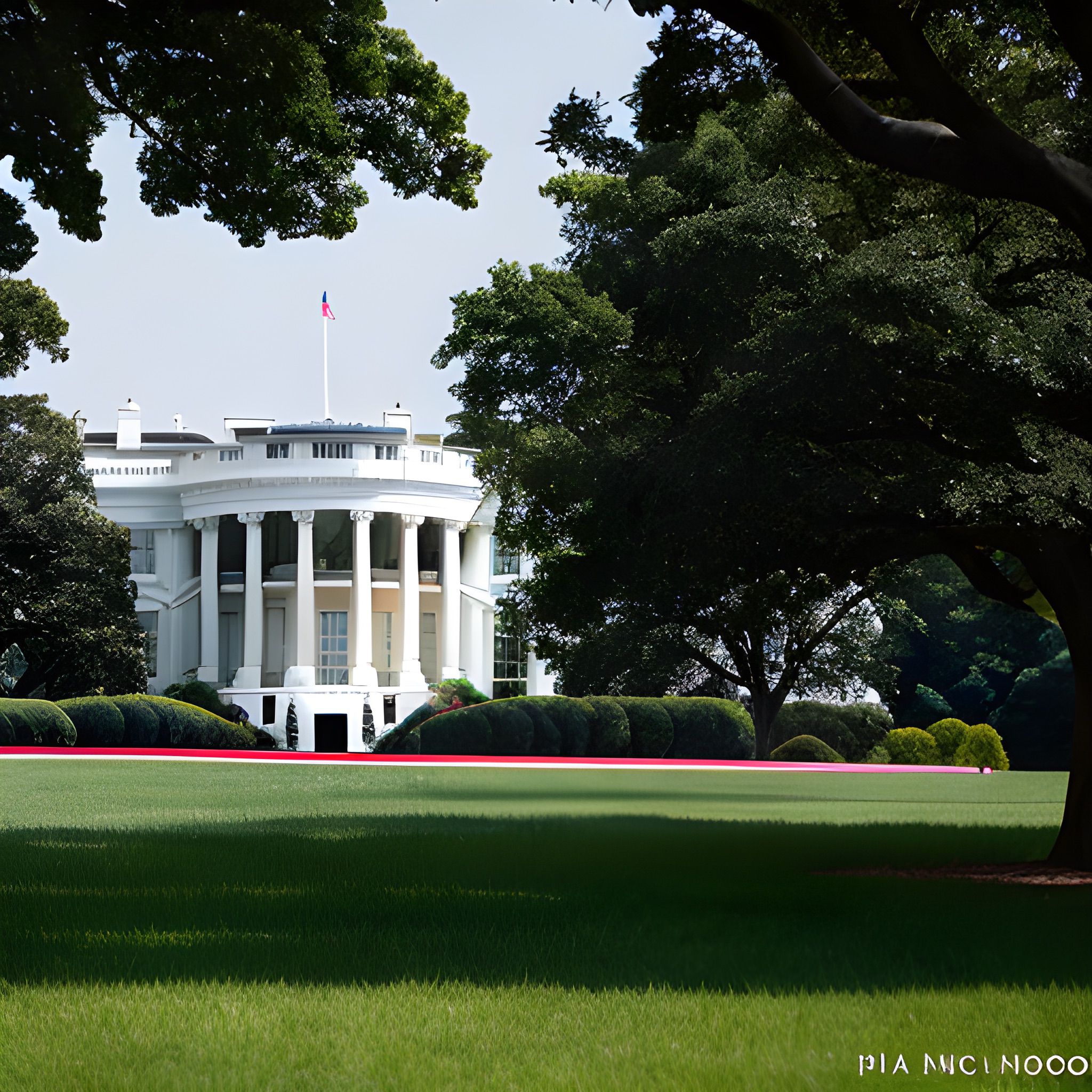
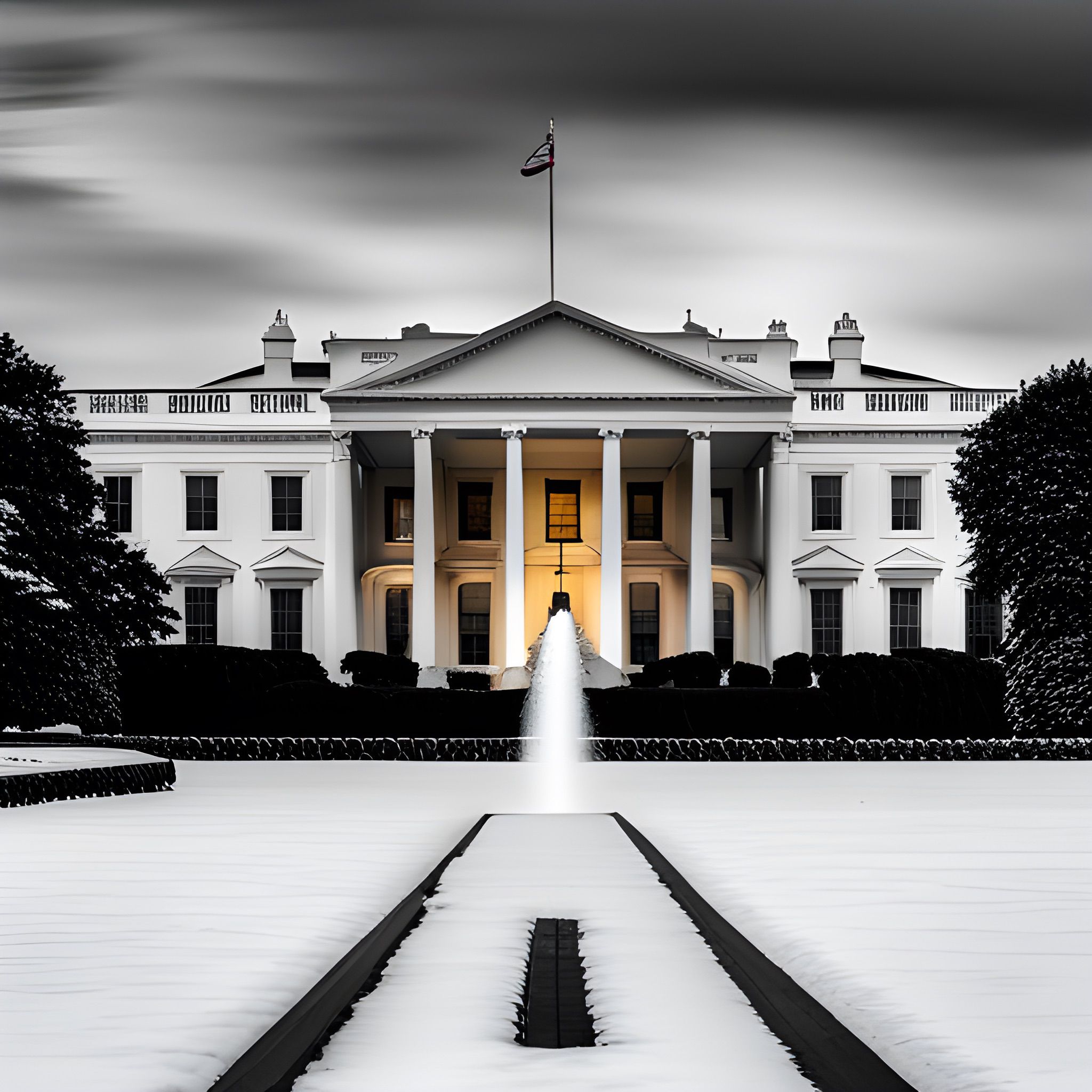
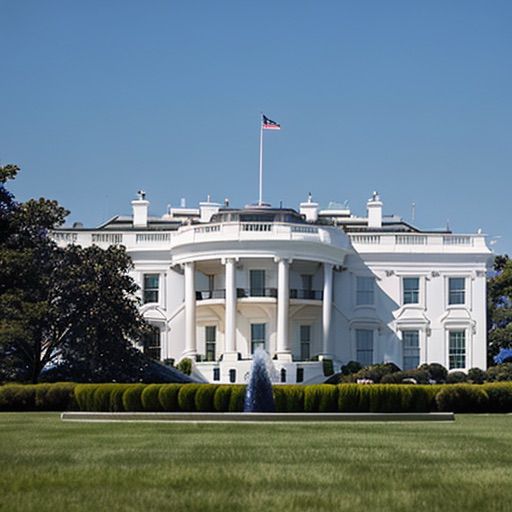
Nestled at 1600 Pennsylvania Avenue NW in Washington D.C. stands a grand and historic building that millions of people look up to. The White House, the official residence and workplace of the President of the United States, represents more than just a building. It is a symbol of American power and influence, an iconic edifice where history is made.

The White House is a sprawling complex that includes the Executive Residence, East Wing, West Wing, and Eisenhower Executive Office Building. The Executive Residence, the central part of the White House, is where the President and their family reside. It is a magnificent structure that features awe-inspiring rooms such as the Oval Office, the State Dining Room, and the Lincoln Bedroom. Meanwhile, the East Wing houses the First Lady’s office and the White House Social Secretary’s office. The West Wing, on the other hand, is where the President’s office and the offices of senior staff and advisors are located. The Eisenhower Executive Office Building, across the street from the White House, houses the offices of many of the President’s other advisors and staff.

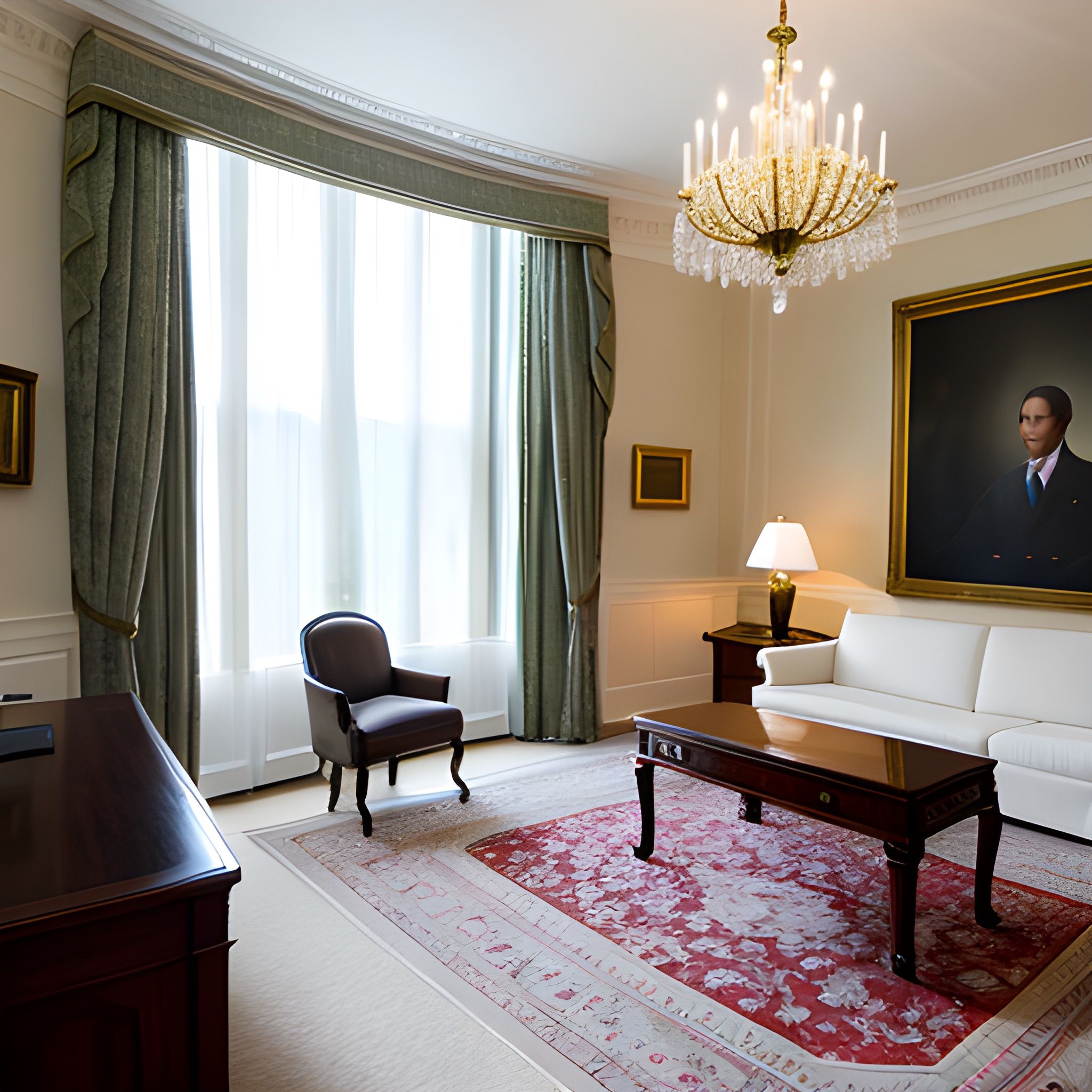
Stepping inside the White House is a surreal experience. From the grandeur of the building to the sense of history that permeates every corner, there is a palpable sense of awe that takes over. The halls are adorned with portraits of former Presidents and other important historical figures, and the furniture and decor exude elegance and sophistication. The staff are courteous and professional, making every visitor feel welcome and comfortable.

But for those who work at the White House, life can be incredibly demanding and fast-paced. The President’s schedule is always packed with countless meetings, briefings, and events to attend. The staff work long hours and are under a great deal of pressure to perform at their best. However, the sense of purpose and importance that comes with working at the White House is unparalleled, and many people consider it the opportunity of a lifetime.

In conclusion, the White House is an architectural masterpiece that goes beyond its physical structure. It represents the pinnacle of American power and influence, a place where history is made, and where people from all over the world come to pay homage. Whether you are a tourist visiting for the first time or a staff member who works there regularly, the White House is a place that will leave you in awe and inspire you. It is, without a doubt, a privilege to have the opportunity to be inside such a historic and important building.

Related Posts

Benjamin Harrison Born into a Family of Political Powerhouses

Dave
a man wearing a suit and tie

Benjamin Harrison

Step right up and meet Benjamin Harrison, the 23rd President of the United States! Born into a family of political powerhouses in North Bend, Ohio in 1833, Harrison had big shoes to fill as his grandfather, William Henry Harrison, was also a U.S. President, though his tenure was cut short after just one month due to an untimely death.

Nevertheless, Harrison was determined to make his own mark. He studied law at Miami University in Ohio and began his political career in Indianapolis, Indiana. When the Civil War broke out, he served in the Union Army and rose to the rank of brigadier general before returning to his legal career and diving headfirst into Republican Party politics.

Harrison’s dedication and hard work paid off when he was elected to the U.S. Senate from Indiana in 1881, a position he held until 1887. In 1888, he clinched the presidency, promising to focus on increasing tariffs and promoting economic growth. And he did not disappoint! Harrison signed the McKinley Tariff Act of 1890, which helped to boost the economy, and the Sherman Antitrust Act, which aimed to prevent monopolies and promote fair competition.

But Harrison’s presidency was not without controversy. One of his notable actions was the support for the construction of the first federal immigration station on Ellis Island, which opened in 1892. However, the Lodge Bill, which would have authorized the federal government to oversee elections in the South and prevent voter suppression of African Americans, was defeated in the Senate. Furthermore, the economy experienced a severe downturn during his presidency, leading to criticism of his economic policies.

Despite these challenges, Harrison’s commitment to promoting economic growth and competition through tariffs and antitrust laws paved the way for future success. After losing his bid for re-election in 1892, Harrison returned to practicing law and remained active in Republican Party politics until his death in 1901 at the age of 67. He may have had his ups and downs, but Benjamin Harrison will always be remembered as a President who fought for what he believed in.

Related Posts