
Latest Articles
Once You Wake Up, You Don’t See Politics, Entertainment or Celebrities Anymore

China Built the Great Wall Over 2000 Years Ago and Still Don’t Have Any Mexicans

Pearl Harbor to Peace: Honoring History, Building Bridges Between Japan and the United States

The attack on Pearl Harbor stands as an extraordinary moment in history, forever altering the dynamic between Japan and the United States. But in the aftermath of this tragic event, both nations have tirelessly strived to rise above the pain, forging a path of understanding and cooperation. Embracing the significance of our shared past is a crucial step, enabling us to learn from past mistakes and honor the sacrifices made.
Following the devastating attack on Pearl Harbor, which claimed the lives of thousands of Americans, tensions between Japan and the United States reached unprecedented heights. However, in the subsequent decades, both nations recognized the imperative of healing wounds and nourishing a spirit of reconciliation. Commemorative events, memorial services, and educational initiatives all serve as reminders of the enduring need to champion peace and comprehension.
The efforts to bridge the gap between Japan and the United States have been diverse and ceaseless. Cultural exchanges have played a pivotal role, fostering mutual respect and admiration. Through the realms of art, music, and sports, both nations have showcased their distinctive traditions, kindling a sense of unity among their people. Additionally, educational programs have been developed to foster cross-cultural understanding and exchange among students, ensuring that younger generations grow up with a profound appreciation for the shared values and history of both nations.
Diplomatic endeavors have also been instrumental in solidifying the bond between Japan and the United States. The signing of the Treaty of Mutual Cooperation and Security in 1960 marked a significant milestone, cementing the alliance between the two nations. This treaty, alongside subsequent agreements and partnerships, has facilitated enhanced collaboration in areas such as defense, trade, and technology. Through diplomatic channels, Japan and the United States have successfully addressed mutual concerns and worked towards a shared vision of peace and prosperity.
In recent years, the relationship between Japan and the United States has continued to evolve and deepen. The commemoration of the 75th anniversary of the attack on Pearl Harbor in 2016 served as a poignant reminder of the progress made in healing past wounds. Both nations joined hands to pay homage to the lives lost and reaffirm their unwavering commitment to peace and friendship. This event exemplified the transformative power of remembrance in fostering understanding and emphasized the importance of ongoing efforts to bridge the gap between the two nations.
The journey from Pearl Harbor to peace is an ongoing endeavor, necessitating unwavering dedication and commitment from both Japan and the United States. By honoring history, recognizing the pain of the past, and diligently working towards a shared future, these two nations have showcased to the world the resolute power of reconciliation. As the world confronts new challenges, it becomes increasingly crucial for countries like Japan and the United States to lead by example, demonstrating that peace and understanding can triumph even in the face of adversity.
Related Posts
Unlocking the Secret to Optimal Health Coverage: A Guide to Choosing the Perfect Health Care Plan

Health insurance is like a superhero that comes to your rescue when you’re in need of medical attention. It’s an essential aspect of life that provides financial protection and helps you cover the costs of medical expenses when you’re sick, injured, or need medical care. But with so many health insurance plans available in the market, finding the perfect plan can be overwhelming.
The secret to unlocking the perfect health insurance plan is to start by understanding your healthcare needs. Take a moment to assess your health status, the frequency of your medical visits, and the type of medical care you require. This will help you narrow down your options and choose a plan that matches your needs, providing you with the required coverage at an affordable price.
When selecting a health insurance plan, affordability is a significant factor to consider. Some plans may offer lower premiums, but they may have higher deductibles. This means that you’ll have to pay a higher amount before the insurance coverage kicks in. On the other hand, some plans may offer lower deductibles but higher premiums, which may be more cost-effective in the long run. It’s essential to weigh the pros and cons of each plan and choose one that fits your budget.
Another crucial factor to consider is the provider network of the health insurance plan. Make sure your preferred healthcare providers are within the network, as this will help you save money on out-of-pocket expenses. Additionally, check if the plan covers the specific medical services you require, such as maternity care, mental health, or prescription drugs. Understanding the coverage limits and exclusions will help you avoid any surprises when you need medical attention.
Before making a decision, it’s crucial to review the plan’s terms and conditions carefully. Some plans may have restrictions on pre-existing conditions, waiting periods, and coverage for experimental treatments. Make sure to read and understand every detail of the plan to ensure that you’re getting the coverage you need.
In conclusion, finding the perfect health insurance plan requires careful consideration and evaluation of your healthcare needs, budget, provider network, and plan terms and conditions. Taking the time to understand these factors will help you make an informed decision and get the best coverage at an affordable price. Remember to review your plan regularly to make sure it still meets your needs as your health status changes over time. Don’t let the daunting task of finding the perfect health insurance plan stop you from protecting yourself and your loved ones.
Related Posts
From Windy Wellington to Stunning Auckland: A Kiwi Adventure Takes Flight
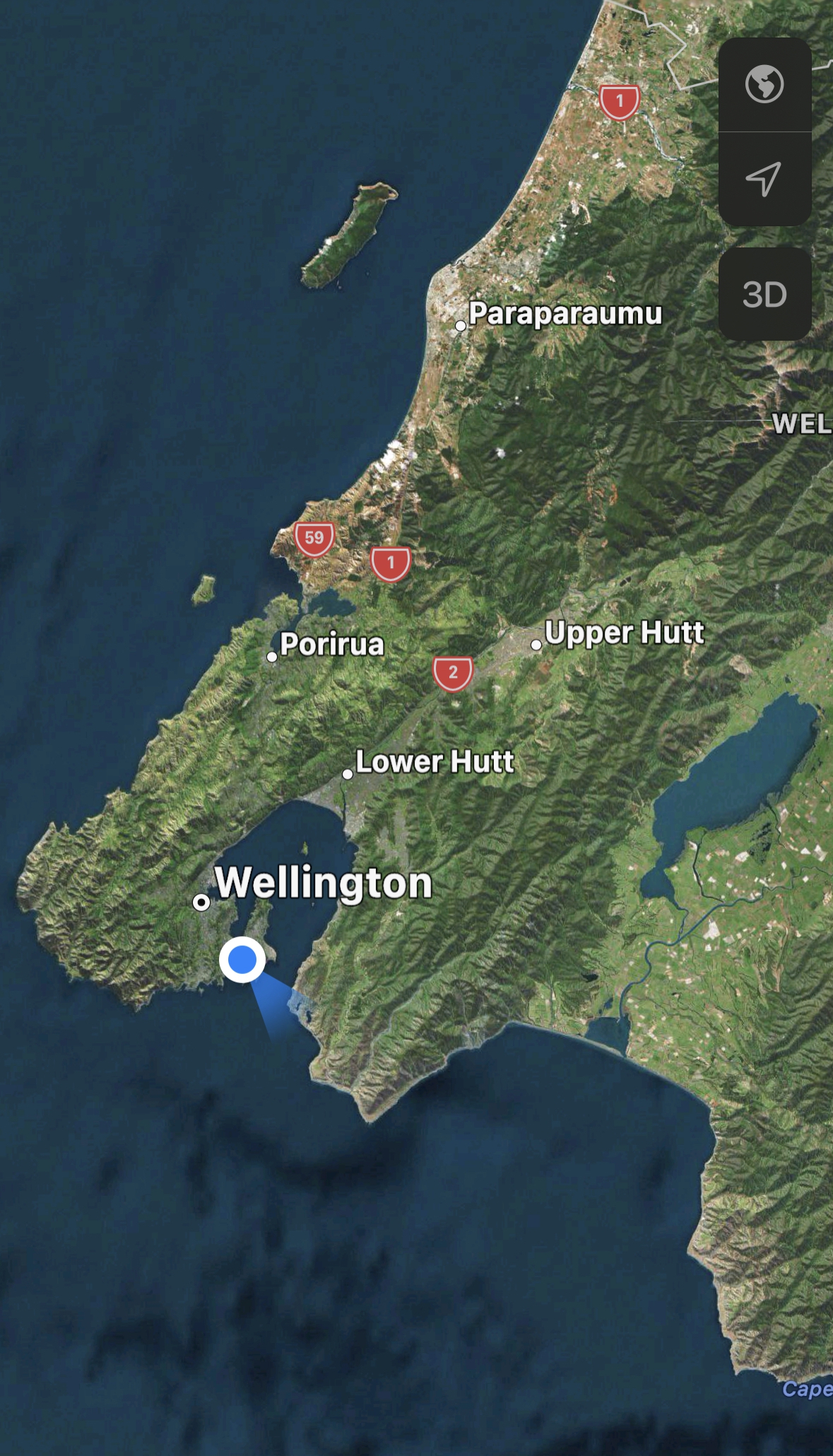

































Travel between Wellington and Auckland, New Zealand is an adventure filled with breathtaking landscapes and picturesque moments that are perfect for capturing in photographs. As you embark on this journey, you will find yourself surrounded by stunning natural beauty that showcases the diversity and charm of New Zealand. From the vibrant streets of Wellington, the capital city, to the bustling metropolis of Auckland, there are countless opportunities to capture the essence of this incredible country. Along the way, you can snap photos of the rolling hills and lush greenery that line the highways, creating a scenic backdrop that is quintessentially New Zealand. As you traverse the North Island, you may stumble upon hidden gems such as the stunning Kapiti Coast or the mesmerizing Tongariro National Park, each offering its own unique charm and striking landscapes that are a photographer’s dream. From rugged coastlines to serene lakes, the journey between Wellington and Auckland is dotted with numerous opportunities to capture the true essence of New Zealand’s natural wonders. Additionally, the cultural richness and vibrant cityscapes that these two cities offer cannot be missed. Wellington, known for its vibrant arts scene and quirky café culture, is a treasure trove of street art, colorful buildings, and captivating waterfront views. Auckland, on the other hand, boasts a skyline dotted with iconic landmarks such as the Sky Tower and the Auckland Harbour Bridge, providing ample opportunities for stunning cityscape shots. Whether you are captivated by the beauty of nature or fascinated by the urban landscapes, the photos of travel between Wellington and Auckland will undoubtedly leave you with a visual diary of unforgettable memories.
Related Posts
Silencing Intelligence: The Dangerous Trend of Muting Minds to Spare the Stupid

Meet People the Old Fashioned Way

Where do Women Have the Curliest Hair





Hair, oh glorious hair! It’s a masterpiece on each person’s head, unique and full of surprises. Forget about those old-fashioned stereotypes that claim women have the curliest locks. The truth is, hair texture and curliness are as diverse as the colors of the rainbow, regardless of gender.
Let’s break it down, shall we? Hair texture is like a genetic fingerprint, determined by the magical combination of our genes. There’s no secret lair or specific ethnicity where women exclusively rock the curliest tresses. Nope, not at all!
Take a moment to appreciate the vibrant tapestry of hair types that grace our world. Women from all walks of life flaunt an exquisite array of styles, ranging from sleek and straight to bouncy waves, luscious curls, and even tightly coiled wonders. It’s a true celebration of hair diversity!
But wait, there’s more! Factors like ethnic background, climate, and personal care routines can also sprinkle some magic into the curl pattern and texture of our locks. For instance, individuals with African heritage often sport hair with tight curls or coils, known as the fabulous Type 4 hair. On the other hand, those with European roots may showcase a delightful spectrum of hair, from silky straight to gentle waves to loose curls, falling under the enchanting categories of Type 1 to Type 3 hair.
Let’s not forget the most important lesson of all: embracing the natural beauty of our hair in all its forms. Every texture, every wave, and every curl is a testament to the glorious diversity that exists within us. Beauty, my friend, comes in countless shapes and sizes, and there’s no specific location that holds the monopoly on the curliest hair.
So, let’s raise our combs and brushes to celebrate the wonders of hair, in all its textured glory!
Related Posts
Empowering Democracy: Navigating the Divide Between Being Ruled and Being Governed
The contrast between being ruled and being governed goes beyond mere semantics. It hinges on the manner in which authority is wielded and the extent of control imposed on individuals within a society. When we speak of being ruled, we’re referring to a scenario where a single entity or individual wields absolute power and control over a population. Often, this is achieved through force or coercion. In this paradigm, rulers prioritize their own interests, maintaining their authority through fear and suppression, while disregarding the needs and rights of the people they govern.
On the flip side, being governed evokes a more democratic and participatory approach to leadership. In a governed society, power is shared among multiple governing bodies or institutions. Decisions are made collectively, taking into account the diverse needs and opinions of the population. Governance places great importance on transparency, accountability, and safeguarding individual rights. It involves the establishment of laws, regulations, and policies aimed at maintaining social order, promoting justice, and ensuring the welfare and well-being of citizens.
Unlike being ruled, being governed allows for active participation from individuals in the decision-making process. It empowers them with a voice and provides an opportunity to shape the trajectory of their society. At its core, the distinction between being ruled and being governed lies in the degree of freedom, inclusivity, and respect for human rights that define the relationship between the governing authority and the governed population. It’s a fundamental difference that determines the quality of life and the collective destiny of a society.