Latest Articles

Tanganyika gains independence

Elias Rowen

In the aftermath of World War II, the international landscape underwent significant transformations as colonial empires began to crumble and newly emerging nations claimed their right to self-determination. In East Africa, the long-standing British colony of Tanganyika was among those that ultimately gained its independence on December 9, 1961. This milestone marked a pivotal moment in African history, as it became one of the first territories on the continent to break free from colonial shackles.

The story of Tanganyika’s struggle for independence began many years earlier, with the seeds of resistance sown during the early 20th century. In the midst of World War I, British forces had invaded German East Africa, which was subsequently mandated to Britain by the League of Nations after Germany’s defeat. The mandate period saw a surge in African nationalism and anti-colonial sentiment across Tanganyika, fueled by growing discontent over colonial rule and the treatment of local populations.

During this era, various African leaders emerged who would later play pivotal roles in shaping the course of independence movements throughout the continent. Among them was Julius Nyerere, who in 1954 became one of the founding members of the Tanganyika African National Union (TANU). As a stalwart advocate for Tanzanian self-determination, Nyerere’s vision for an independent nation fueled widespread support among the local population.

In the mid-20th century, Tanganyika found itself at the forefront of African nationalism. The winds of change sweeping across the continent were unmistakable, with newly minted nations such as Ghana and Mali setting the stage for a new era of pan-African unity and collective self-liberation. It was against this backdrop that Britain’s colonial administration in Tanganyika faced mounting pressure from various quarters to hasten the pace of reforms.

In 1958, the British government announced its intention to grant internal self-government to Tanganyika by 1960. While seen as a significant concession by some, many critics argued it fell short of genuine independence and merely allowed for increased African representation within the existing colonial framework. Nyerere’s TANU, in particular, pressed on with demands for complete autonomy and accelerated decolonization.

As internal pressure continued to build, Tanganyika’s struggle for self-determination was further galvanized by external factors. The Cold War rivalry between the United States and the Soviet Union also had a profound impact on African politics during this period. Britain, eager to maintain its influence in the region, found itself increasingly entangled in a delicate balancing act between accommodating local demands for reform and safeguarding the interests of Western powers.

Tanganyika’s first major step towards independence was marked by the holding of a national referendum in 1960. Voters overwhelmingly approved a resolution calling for the country to be renamed Tanzania, a moniker chosen to reflect its ethnic diversity and African heritage. This pivotal event set the stage for further negotiations between British authorities and local leaders.

In January 1961, the Tanganyika Parliament passed the Independence Act, paving the way for Nyerere’s government to assume full control over internal affairs. As colonial rule gave way to self-governance, Britain agreed to grant independence by the end of 1961. With less than a year remaining before Tanganyika’s formal declaration of independence, local authorities took steps to consolidate power and prepare for the inevitable handover.

In November 1961, Nyerere returned from a three-month world tour that had taken him to key African nations, Asia, and Europe in an effort to solidify international support for his country’s new status. His diplomatic endeavors yielded tangible results, as newly independent Ghana, Nigeria, and Senegal pledged their backing for Tanganyika’s sovereignty.

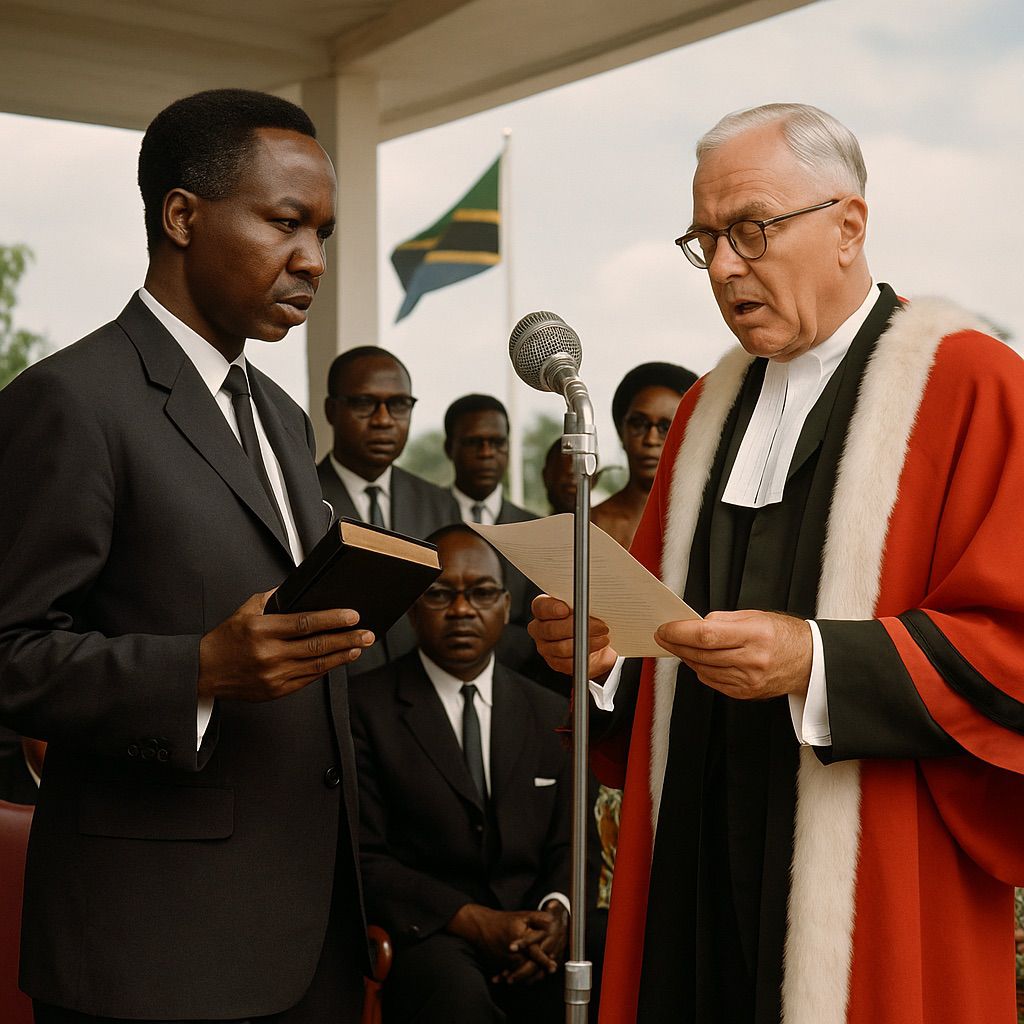
On December 9, 1961, Julius Nyerere took the oath of office before a packed assembly of parliamentarians and distinguished guests at the State House in Dar es Salaam. The momentous occasion marked the realization of a decades-long struggle by African nationalists in Tanganyika to free their country from colonial shackles. As Nyerere declared the nation’s independence, he hailed this turning point as a triumph for Tanzanian self-determination and a milestone in Africa’s unrelenting quest for freedom.

With its newfound sovereignty, Tanzania set out on a unique path under Nyerere’s stewardship. His vision of African socialism and pan-African unity guided domestic policies aimed at rapidly developing infrastructure, promoting rural development, and strengthening the economy through state-led initiatives. While internal challenges persisted in the wake of independence, Tanzania emerged as one of Africa’s most vibrant success stories during this period.

The path to full independence marked by Tanganyika on December 9, 1961 had far-reaching implications for African nations still grappling with colonial legacies and regional tensions. As African states began asserting their sovereignty, they drew inspiration from Tanzania’s determination and willingness to challenge Western dominance in the region. In doing so, they further galvanized a nascent pan-African movement that would shape global politics for decades to come.

As Tanganyika celebrated its hard-won independence, the echoes of this triumph resonated across Africa and beyond. The country’s emergence as a sovereign nation was met with jubilation by its people, who had fought tirelessly for decades to break free from colonial shackles. Julius Nyerere, now the nation’s first prime minister, stood at the forefront of this momentous occasion, his voice ringing out in celebration of Tanzania’s newfound freedom.

The journey to independence had been long and arduous, marked by periods of both triumph and tragedy. The seeds of resistance had been sown during World War I, when British forces invaded German East Africa. This event sparked a wave of African nationalism that would sweep across the continent, fueling demands for self-determination and an end to colonial rule.

Tanganyika’s struggle for independence was inextricably linked to the broader pan-African movement, which sought to unite African nations against the common enemy of colonialism. The likes of Kwame Nkrumah, Ghana’s first president, and Sekou Toure, Guinea’s leader, were key figures in this movement, which drew inspiration from the struggles of other colonized peoples around the world.

As the 1950s gave way to the 1960s, Tanganyika found itself at the forefront of African nationalism. The winds of change sweeping across the continent were unmistakable, with newly minted nations such as Ghana and Mali setting the stage for a new era of pan-African unity and collective self-liberation. It was against this backdrop that Britain’s colonial administration in Tanganyika faced mounting pressure from various quarters to hasten the pace of reforms.

Nyerere’s TANU, which had emerged as a major force on the Tanzanian political scene, pressed on with demands for complete autonomy and accelerated decolonization. The organization’s vision for an independent Tanzania was clear: a nation built on the principles of African socialism and pan-African unity, where the rights and dignity of all citizens were respected.

As internal pressure continued to build, Tanganyika’s struggle for self-determination was further galvanized by external factors. The Cold War rivalry between the United States and the Soviet Union also had a profound impact on African politics during this period. Britain, eager to maintain its influence in the region, found itself increasingly entangled in a delicate balancing act between accommodating local demands for reform and safeguarding the interests of Western powers.

The complex web of alliances and rivalries that characterized the Cold War era had significant implications for Africa’s struggle for independence. The Soviet Union, which had long been sympathetic to African nationalist movements, provided critical support to Nyerere and his colleagues as they navigated the treacherous waters of decolonization.

Meanwhile, the United States, keen to maintain its dominance in the region, sought to promote stability and security through its aid programs and diplomatic efforts. This created a delicate dynamic, as both superpowers vied for influence in Africa while Nyerere’s government struggled to assert its sovereignty.

In January 1961, the Tanganyika Parliament passed the Independence Act, paving the way for Nyerere’s government to assume full control over internal affairs. As colonial rule gave way to self-governance, Britain agreed to grant independence by the end of 1961. With less than a year remaining before Tanganyika’s formal declaration of independence, local authorities took steps to consolidate power and prepare for the inevitable handover.

The months leading up to independence were marked by intense diplomatic activity, as Nyerere’s government sought to solidify international support for its new status. In November 1961, Nyerere returned from a three-month world tour that had taken him to key African nations, Asia, and Europe in an effort to galvanize backing for Tanzania’s sovereignty.

His diplomatic endeavors yielded tangible results, as newly independent Ghana, Nigeria, and Senegal pledged their backing for Tanganyika’s sovereignty. This marked a significant turning point in the struggle for independence, as it underscored the growing recognition of Africa’s new nations on the world stage.

On December 9, 1961, Julius Nyerere took the oath of office before a packed assembly of parliamentarians and distinguished guests at the State House in Dar es Salaam. The momentous occasion marked the realization of a decades-long struggle by African nationalists in Tanganyika to free their country from colonial shackles.

As Nyerere declared the nation’s independence, he hailed this turning point as a triumph for Tanzanian self-determination and a milestone in Africa’s unrelenting quest for freedom. His voice echoed across the continent, inspiring millions of Africans who had fought tirelessly for generations to break free from colonial rule.

With its newfound sovereignty, Tanzania set out on a unique path under Nyerere’s stewardship. His vision of African socialism and pan-African unity guided domestic policies aimed at rapidly developing infrastructure, promoting rural development, and strengthening the economy through state-led initiatives.

While internal challenges persisted in the wake of independence, Tanzania emerged as one of Africa’s most vibrant success stories during this period. The country’s economic growth, fueled by Nyerere’s innovative approaches to agricultural development and industrialization, was nothing short of remarkable.

As African states began asserting their sovereignty, they drew inspiration from Tanzania’s determination and willingness to challenge Western dominance in the region. In doing so, they further galvanized a nascent pan-African movement that would shape global politics for decades to come.

Tanzania’s independence had far-reaching implications for Africa’s future. It marked a new era of African self-determination and collective action, as nations across the continent began to assert their sovereignty and challenge the legacy of colonialism.

The echoes of Tanganyika’s triumph still resonate today, inspiring generations of Africans who continue to strive for freedom, justice, and equality in all its forms. As Julius Nyerere himself once said, “Africa is not a country; it is a continent of many nations.” The story of Tanzania’s independence serves as a powerful reminder of the enduring power of African solidarity and determination.

In the years that followed, Africa’s pan-African movement continued to gain momentum, as countries such as Kenya, Uganda, and Malawi joined the growing ranks of independent nations. This marked a significant turning point in African history, as continent-wide unity and collective action began to reshape the regional landscape.

The 1960s saw Africa emerge as a major force on the world stage, with newly independent nations asserting their sovereignty and challenging Western dominance in the region. The United States, eager to maintain its influence in Africa, found itself increasingly entangled in a complex web of alliances and rivalries with other superpowers vying for control.

As the Cold War rivalry between the United States and the Soviet Union reached its peak, African nations were caught in the midst of this global struggle. Tanzania, under Nyerere’s leadership, emerged as a key player on the continent, forging close ties with both superpowers while steadfastly maintaining its independence.

The country’s unique position was further solidified by its commitment to pan-African unity and collective self-liberation. Tanzania’s vision for an African socialism that prioritized social welfare, economic development, and international solidarity resonated across the continent, inspiring a new generation of leaders and nations committed to building a more just and equitable world.

In this context, Tanzania’s independence marked not only the realization of a long-fought struggle but also the beginning of a new era in African history. As Nyerere himself observed, “The age of colonialism is over; the age of African self-determination has begun.”
Related Posts

The Day Charles and Diana Broke the World’s Heart

Elias Rowen

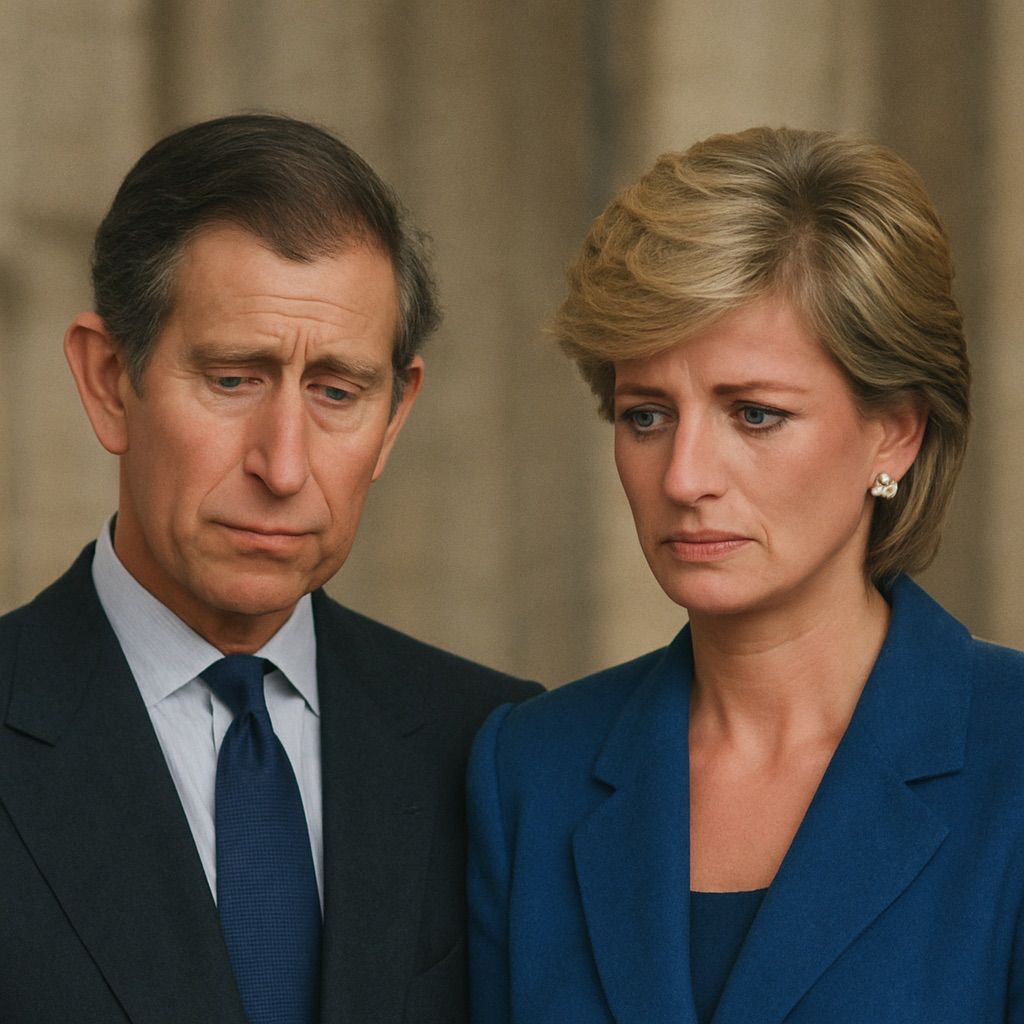
The announcement on December 9, 1993, that Prince Charles and Princess Diana were formally separating struck with the force of a global tremor. Even in an age before social media and instantaneous digital headlines, the news traveled at near-lightning speed, rippling across continents, igniting conversations, and shattering illusions that millions had held for more than a decade. Their marriage had been portrayed to the world as a fairytale, a modern royal romance scripted for adoration, photographed endlessly, and replayed in every glossy publication imaginable. Yet beneath the glitter of tiaras and televised weddings lay fissures that had deepened quietly, painfully, and inevitably until the very foundation of their union finally gave way. What the world saw as a romantic dream had, for its participants, become a space of loneliness, resentment, and unmet expectations.

It is almost impossible to understand the magnitude of the announcement without stepping back to consider the intensity of the spotlight under which Charles and Diana lived from the moment the public first became aware of their courtship. Prince Charles, heir to the British throne and bound by centuries of expectation, had long been under pressure to marry. Diana Spencer, radiant, shy, and barely out of her teens when she entered royal life, became an overnight sensation. Their 1981 wedding was not just a national celebration—it was a global event, watched by an estimated 750 million people. The couple appeared poised to bring a breath of freshness and charm back into the monarchy. Diana, with her warmth and emotional intelligence, connected with ordinary people in a way few royals ever had. Charles, scholarly and thoughtful, represented tradition and continuity. For a brief moment, the pairing felt perfect.

But no fairy tale can survive if its characters feel trapped inside it.

The early signs of strain appeared almost immediately. While Diana struggled to adapt to the rigid protocols of royal life, Charles found himself caught between the duty to shape Diana into a future queen and his own emotional entanglement with Camilla Parker Bowles—a relationship that had roots far deeper than the public realized. Their personalities, already mismatched, became increasingly incompatible under the scrutiny of press cameras and palace expectations. Diana’s vulnerability, her eagerness to love and be loved, clashed with Charles’s emotional reserve and his need for intellectual compatibility. And as Diana later admitted, there were three people in the marriage, and “that’s a bit crowded.”

The royal machine continued forward, expecting the young couple to simply adapt, but Diana’s internal struggles soon became overwhelming. The pressures of her role collided with her personal insecurities, leading her into a dark battle with bulimia, depression, and profound isolation. She often appeared luminous on the outside—smiling for cameras, hugging children, comforting HIV patients, shaking hands with the marginalized long before the rest of the world understood the importance of such gestures—but behind closed doors, she was unraveling. Her emotional pleas went largely unheard, dismissed, or misunderstood. Charles, unused to such expressions of vulnerability, retreated further, turning more frequently toward the steady companionship of Camilla.

By the early 1990s, the marriage was visibly deteriorating. British tabloids, hungry for royal drama, published stories of infidelity, emotional outbursts, secret phone calls, and private despair. Both Charles and Diana became subjects of relentless media scrutiny, but their responses differed sharply. Charles, trained for emotional restraint, kept silent, even as speculation mounted. Diana, feeling voiceless and misunderstood, began subtly pushing back—using interviews, carefully chosen moments, and emotional honesty to tell her side of the story. She was charismatic, relatable, heartbreakingly human. Millions saw her not as a flawed royal but as someone trapped in a gilded cage, fighting to be heard.

The moment that brought the simmering crisis to a full boil came in November 1993, just weeks before the separation announcement. Charles and Camilla were photographed together at a private gathering on the eve of his 50th birthday. Though the relationship had long been whispered about, the intimate nature of the image ignited a media firestorm. Newspapers splashed the photographs across their front pages with bold headlines hinting at betrayal, marital collapse, and humiliation. Diana, who had been trying desperately to maintain some semblance of dignity, was devastated. The picture was more than an image—it was a public confirmation of what she had known privately for years.

In response, she agreed to a series of interviews where her sadness, fragility, and frustration spilled into the open. She never explicitly accused Charles of infidelity, but her emotional honesty made it clear that something had shattered between them that could not be repaired. To some viewers, she appeared brave, finally speaking truths long buried. To others, she seemed lost, overwhelmed, and longing for someone—anyone—to take her pain seriously. Either way, the interviews set the stage for what everyone sensed was coming.

When the official announcement finally arrived on December 9, 1993, it still hit the public with startling force. The Buckingham Palace statement was brief, careful, and coldly formal, noting simply that Charles and Diana were separating and that both would continue carrying out their public duties. But beneath the palace wording was a far more complicated reality: the collapse of the most famous marriage in the world.

Public reaction was swift and deeply emotional. Diana’s supporters wept openly, angry at Charles for what they saw as years of neglect or betrayal. Others sympathized with Charles, believing he had been pressured into a marriage that was doomed from the start. Camilla became a lightning rod, the target of harsh criticism that would follow her for years. The monarchy, already navigating a changing cultural landscape, found itself facing a crisis of public trust.

In the months that followed, the separation evolved into a new normal. Charles continued seeing Camilla, though carefully, aware of public anger. Diana withdrew, spending more time with William and Harry, immersing herself in humanitarian causes that allowed her to channel her pain into purpose. Her work became not only a contribution to the world but also a lifeline—something meaningful to grasp while her personal life splintered.

By August 1996, the separation officially ended in divorce. What had once been heralded as a royal love story now lay in archives and biographies as one of the most tragic mismatches in modern monarchy. Yet from the ashes of the marriage, both Charles and Diana would transform in profound ways. Charles eventually married Camilla in 2005, beginning a new chapter marked by stability and mutual understanding. Diana found love again, at least privately, and continued to evolve into the global humanitarian icon she is remembered as today.

Her death in 1997 froze her legacy in time, sealing her image as the “People’s Princess,” a figure who exposed the vulnerability behind royal glamour and challenged the monarchy to become more human. Even now, decades later, the impact of Charles and Diana’s marriage continues to shape how the public understands the royal family—its pressures, its expectations, its failures, and its need to evolve.

Their story is not simply a tale of infidelity, miscommunication, or shattered expectations. It is a narrative about two people placed in a system larger than themselves, struggling to reconcile personal identity with public duty. It is about the toll that emotional neglect can take, even in the most privileged settings. It is about how love, or the lack of it, can reshape institutions and alter cultural landscapes.

Most of all, it is a reminder that even the most iconic figures—those who appear unbreakable under the flash of cameras—are still human, still fragile, still capable of heartbreak. The separation of Charles and Diana may have marked the end of a marriage, but its echoes continue to resonate as lessons about empathy, vulnerability, and the complexities of love under pressure.

Related Posts

Separation of Church and State in France

Elias Rowen

The tension between church and state in France is not a story that can be contained neatly within a single century, nor is it a tale shaped by just a few rulers, lawmakers, or religious figures. Instead, it is a sweeping saga stretched across more than a thousand years, filled with ideological clashes, shifting centers of power, bold declarations, quiet reforms, and violent upheavals that repeatedly forced the French people to examine what it truly meant to live in a society where faith, governance, and identity were so deeply intertwined. The centuries-long struggle to define the proper balance between spiritual authority and secular power created modern France as much as any revolution or monarch ever could. The idea of laïcité, which today stands as one of the most defining characteristics of the French Republic, did not emerge overnight. It was shaped, challenged, broken apart, rebuilt, misunderstood, weaponized, and defended again and again through the unpredictable tides of history.

In the earliest chapters of this story, the Catholic Church did not merely influence France—it defined it. During the early Middle Ages, the Church was not just a spiritual guide but an institution intertwined with every corner of life. It owned immense tracts of land, administered justice in many territories, collected taxes, regulated education, and set moral standards. Kings such as Clovis I and Charlemagne legitimized their rule through their association with the Church. To be crowned by a saintly figure or blessed by the Pope himself was more than symbolism—it was political necessity. Religion wove itself into the very fabric of kingship, making secular power and spiritual authority two sides of the same coin.

Yet, power is never stable for long, and as feudal structures gave way to centralized monarchy, French rulers began asserting themselves in ways that threatened the Church’s dominance. The rise of absolute monarchy in the 16th and 17th centuries created a dramatic shift. Kings like Henry IV understood that France could not survive permanently fractured along confessional lines. His Edict of Nantes attempted to bring religious tolerance into the national conversation—an unprecedented move for the time. Though it did not separate church and state, it challenged the assumption that Catholicism must be the sole moral compass of the nation.

The Edict’s promise of tolerance, however, proved fragile. When Louis XIV came to power, he pursued a vision of France defined by Catholic unity. He revoked the Edict of Nantes, forcing Protestants to flee, convert, or practice in secret. It was a moment when the pendulum swung violently back toward religious dominance. Louis XIV saw himself not only as a king but as God’s appointed steward for France, and he believed that spiritual uniformity strengthened political power. His rule demonstrated both the apex of French absolutism and the vulnerability of individual liberty under a government blended so thoroughly with religious authority.

But storms were gathering that would soon alter the landscape entirely. The Enlightenment challenged the foundations the Church had long relied upon. Philosophers such as Voltaire and Rousseau condemned the entanglement of religious authority in civic life, accusing it of promoting intolerance, inequality, and intellectual stagnation. These criticisms did not remain in the realm of theory—they seeped into cafés, salons, and ultimately the hearts of those who would lead the French Revolution.

When the Revolution erupted in 1789, it tore through the institutions of the past with a ferocity never before seen. The Church, which had been one of the wealthiest and most powerful forces in France, was suddenly recast as an enemy of reason and a symbol of tyranny. Church lands were seized. Clergy were forced to swear loyalty to the state. Religious orders were dissolved. The Revolutionaries believed that liberty could not flourish until the Church’s grip on public life had been shattered. The Declaration of the Rights of Man and Citizen announced that no person could be forced to practice a religion or refrain from one, laying the groundwork for modern secularism.

Still, the Revolution was anything but consistent. While one faction sought to erase religion entirely, another—led eventually by Robespierre—embraced a quasi-religious civic spirituality. A new calendar replaced the Christian one, churches were renamed “Temples of Reason,” and religious festivals were rewritten with revolutionary meaning. Yet even these attempts were short-lived. The Revolution devoured its own, and France lurched forward into the era of Napoleon.

Napoleon, with his characteristic pragmatism, recognized that stability required a delicate balance. He crafted the Concordat of 1801, reestablishing the Catholic Church—but under strict government supervision. It was a compromise: religion could return, but only on the state’s terms. Napoleon’s famous Civil Code enshrined secular principles, guaranteeing equality before the law and protecting freedom of conscience. The Church was no longer the master of France but a partner, albeit a subordinate one.

This uneasy coexistence continued through the Bourbon Restoration and the July Monarchy, as political ideologies clashed and power shifted between conservative and liberal forces. Throughout the 19th century, the Church continued to influence education and social policy, even as many reformers attempted to push France further toward secularism. These opposing currents collided spectacularly during the Third Republic.

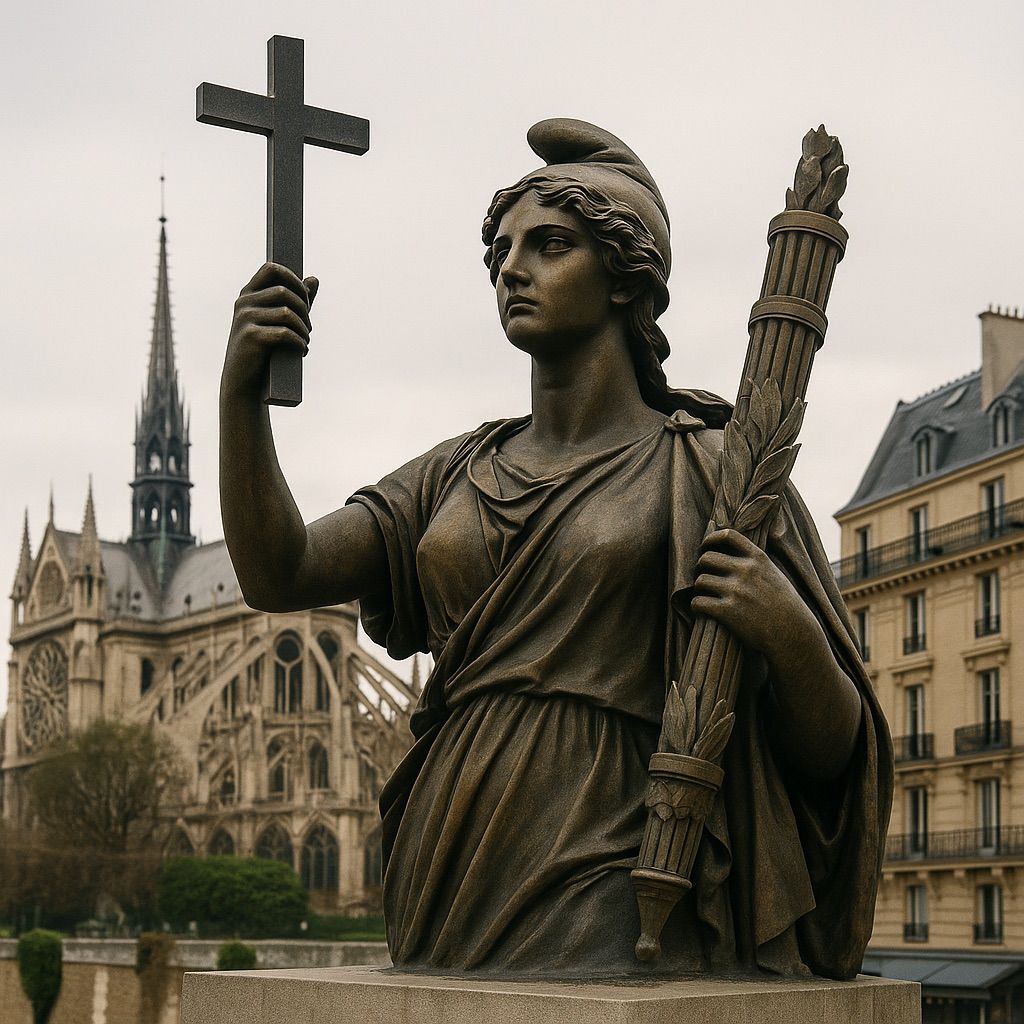
If there is one moment where laïcité truly crystallized into its modern form, it was during the Third Republic between 1870 and 1940. Traumatized by the Franco-Prussian War and seeking to redefine national identity, French leaders embraced secularism as the backbone of the Republic. The Jules Ferry laws established free, mandatory, secular education, cutting the Church out of one of its last major spheres of influence. In 1905, the Law on the Separation of Churches and the State severed financial ties, declaring the state neutral in matters of faith and guaranteeing freedom of religious practice. For many, it was liberation. For others, it was a betrayal. But regardless of sentiment, it was irreversible: France had officially become a secular republic.

And yet the story does not end there, because laïcité is not merely a legal doctrine—it is a living concept, constantly reshaped by social change, immigration, global politics, and cultural identity. In the 20th and 21st centuries, new questions emerged. While France once struggled primarily with Catholic influence, it now grapples with being a multi-faith society where Islam, Protestantism, Judaism, and secularism itself coexist uneasily at times. Laws regarding headscarves in schools, burqas in public spaces, halal food in cafeterias, and religious symbols in government buildings reignited debates about where to draw the line between public order and individual freedom.

Critics argue that laïcité is sometimes used as a political weapon rather than a neutral principle—that it is applied unevenly, often under the guise of countering extremism but with effects that disproportionately impact minority communities. Supporters, on the other hand, insist that laïcité preserves equality by ensuring that no religion dictates public life. They argue that it allows citizens from all backgrounds to live together peacefully, without fear of religious domination or coercion.

These tensions came into sharp focus as France reckoned with terrorism, debates on immigration, the legacy of colonialism, and shifting demographics. The ideal of laïcité became a mirror reflecting the nation’s anxieties, hopes, and contradictions. And through it all, the question persisted: can a society truly be neutral on matters of faith while also protecting the individual’s right to express it?

France’s answer remains complex, evolving, and far from unanimous.

The history of the separation of church and state in France is, at its core, a story of identity. It is about how a nation understands itself, what it values, and who it includes. The French people have fiercely defended both religious freedom and secular governance, even when the two seem to conflict. They have endured centuries of turmoil, revolution, and reinvention to forge a society where citizens are free to believe—or not believe—without allowing any one faith to dominate the public sphere.

Laïcité is not perfect. It is neither universally applied nor universally understood. Yet it remains one of the most defining principles of modern France, shaping every debate from education and law to clothing and cuisine. Whether applauded as a triumph of equality or criticized as a veil for cultural exclusion, it is inseparable from the nation’s political and cultural DNA.

And so the story continues—not with a definitive conclusion, but with a living, breathing tension that reflects the complexities of human society itself. France stands today as both a product of its long struggle and an ongoing experiment, forever trying to balance faith and freedom, tradition and modernity, identity and coexistence. The conversation is far from over, but the centuries that have come before prove one thing unmistakably: the relationship between church and state may evolve, but it will never cease to matter.

Related Posts

Soviet Union Dissolved at Belavezha Accords

Elias Rowen

The collapse of the Soviet Union in 1991 felt, to many who lived through it, like watching a glacier crack apart in real time—slow at first, almost imperceptible, and then suddenly explosive, unstoppable, and world-changing. It was a moment that reshaped international politics, ended a decades-long ideological conflict, and forced millions of people to rethink their identities overnight. Yet despite how monumental the collapse appears in hindsight, it was not the result of any single action, speech, or political decision. Instead, it was the culmination of decades of contradictions, internal weaknesses, bold reforms, lost faith, rising nationalism, and individual personalities whose ambitions collided at precisely the wrong—or right—moment in history. The Soviet Union had always projected an image of impenetrable strength, but in the end, the foundations had hollowed so deeply that the slightest tremor could send the whole structure crumbling.

To understand the Soviet Union’s dissolution, one must go back to the early 20th century, when the Russian Empire imploded under the combined pressures of war, poverty, and political upheaval. Lenin and the Bolsheviks capitalized on that chaos, promising a radically new world—a society built on the principles of equality, ideological purity, and total state control. For decades, the Soviet system expanded across continents, transforming itself into a superpower that rivaled the United States and dominated the narrative of global politics. From the ashes of tsarism arose a nation that commanded fear, respect, and bewilderment around the world.

Yet even during the height of its power, the Soviet Union carried within it the seeds of its eventual disintegration. The sheer size of the empire—spanning 11 time zones and housing over 100 nationalities—meant that unity came through force rather than organic cohesion. Stalin’s brutal tactics kept the republics tightly bound, but at the cost of enormous suffering. The traumas of collectivization, purges, and war crimes lay hidden beneath the might of Soviet propaganda. The façade was powerful enough to intimidate outsiders, but fragile enough that once cracks appeared, they spread rapidly.

After Stalin’s death, the Soviet leadership searched for stability—something calm, predictable, manageable. But a system built on centralized control is inherently brittle, and beneath the bureaucratic monotony of the Khrushchev and Brezhnev eras, resentment simmered. National identity, suppressed but not erased, continued to live quietly in Ukrainian villages, Baltic cities, and the Caucasus mountains. The economy, for all its industrial output, lagged dangerously behind the West. Consumers wanted more than empty shelves and long lines. Technology fell further behind each year. And the political system remained rigid and unresponsive, choking off innovation in a world that was rapidly evolving.

By the 1980s, the Soviet Union was no longer merely struggling—it was ossifying. Factories relied on outdated machinery. Citizens joked about shortages that no longer felt funny. And the government’s attempt to maintain control through secrecy and censorship increasingly felt like a relic of another century. Enter Mikhail Gorbachev, a leader unlike any who had come before him—energetic, articulate, reform-minded, and deeply aware that change was no longer optional. He believed the system could be saved, but only if it was opened, restructured, and reimagined.

His reforms—glasnost, meaning openness, and perestroika, meaning restructuring—were designed to revitalize a failing economy and modernize the Soviet state. But in practice, they loosened the bolts holding the entire structure together. Glasnost revealed truths the government had hidden for decades: corruption, environmental disasters, state-sponsored atrocities, and the sheer inefficiency of central planning. Millions experienced a profound shock as they learned that the world outside was freer, wealthier, and more technologically advanced than they had been led to believe. Perestroika introduced market-style reforms, but without the necessary safeguards, creating inflation, unemployment, and confusion in a society that had never known them.

For the first time, Soviet citizens began questioning not just policies, but the entire legitimacy of the system. If the government had lied about the past, could it be trusted with the future?

Meanwhile, nationalism—long suppressed but never extinguished—burst into the open. The Baltic states led the charge, forming human chains, organizing mass demonstrations, and reviving a cultural pride that had survived decades of Russification. Others soon followed. Armenia, Georgia, Ukraine, Moldova—all began imagining a future outside Soviet control. The idea of independence, once unthinkable, became a rallying cry that spread like wildfire.

The external world was changing too. Across Eastern Europe, communist governments fell one by one, unable to survive the wave of revolutions sweeping the continent. The Berlin Wall, that imposing symbol of ideological division, collapsed almost overnight. For the first time since World War II, Eastern Europe was breaking free from Moscow’s grip. The Soviet Union could not suppress these movements without risking international condemnation—and perhaps more dangerously, internal rebellion.

Inside the USSR, political tensions escalated dramatically. Boris Yeltsin, once a rising star within the Communist Party, reinvented himself as a populist reformer and direct rival to Gorbachev. While Gorbachev tried to preserve the union through compromise, Yeltsin championed Russian sovereignty and democratic reform. Their rivalry grew so fierce that it became impossible for the Soviet state to function coherently. Two visions of the future collided: one trying to save the Soviet Union, the other trying to move beyond it.

The summer of 1991 marked the point of no return. Hardline members of the government, terrified that Gorbachev’s reforms would destroy the state, attempted a coup. Tanks rolled into Moscow. Troops surrounded key buildings. Gorbachev was placed under house arrest. But in one of history’s most defining images, Boris Yeltsin climbed atop a tank outside the Russian White House and denounced the coup, calling on citizens to resist. Tens of thousands gathered in the streets, barricading the city and defying the military. The coup collapsed within days, but the damage was irreversible. The Communist Party’s authority evaporated. Gorbachev returned to Moscow weakened, while Yeltsin emerged as the hero of the people.

In the months that followed, the republics declared independence one after another. Ukraine’s vote for independence in August 1991 shocked even seasoned political observers—its overwhelming support meant that the second-largest republic was gone for good. Without Ukraine, the Soviet Union was a union in name only.

Then came December 8, 1991. In a secluded forest lodge in Belavezha, the leaders of Russia, Ukraine, and Belarus signed an agreement stating that the Soviet Union “as an international subject and geopolitical reality” had ceased to exist. It was a stunning declaration, drafted quietly and signed without ceremony. A country that had controlled one-sixth of the planet had dissolved on a winter morning without a single shot fired.

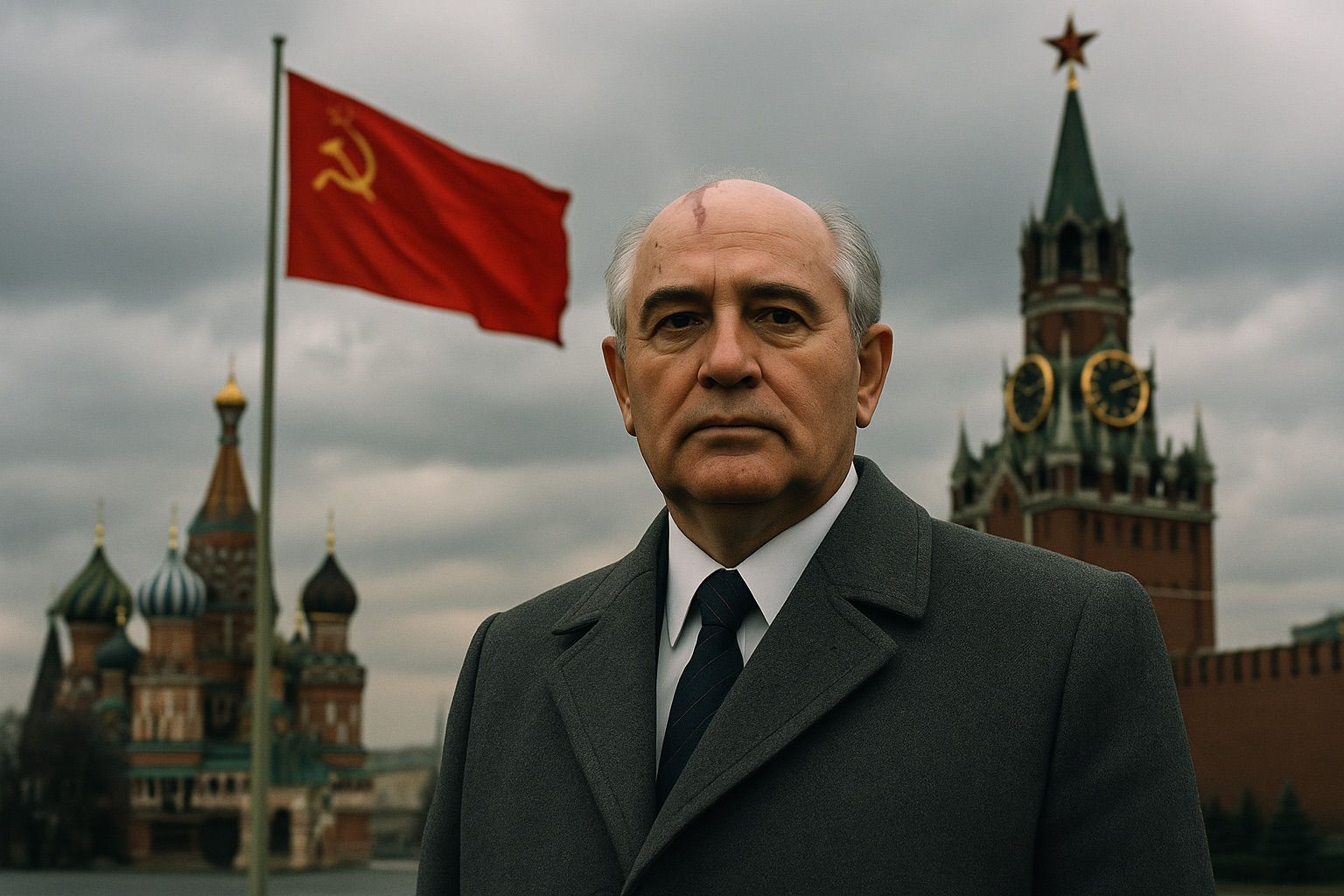
Gorbachev, stunned and increasingly powerless, resigned shortly afterward. On December 25, 1991, the red Soviet flag over the Kremlin was lowered for the last time and replaced with the tricolor of the Russian Federation. After nearly 70 years, the Soviet Union was gone.

Yet the collapse was not clean or simple. It unleashed enormous uncertainty—economic turmoil, political instability, and regional conflicts that continue to shape global affairs today. Russia struggled through a chaotic transition, marked by corruption, poverty, and a desperate attempt to redefine its national identity. The Baltic states pushed rapidly toward NATO and EU integration. Ukraine faced internal divisions that still echo through modern geopolitics. Central Asia navigated a path between independence and authoritarian consolidation. Meanwhile, the West declared victory in the Cold War, believing liberal democracy had triumphed once and for all.

But history is rarely so tidy. The legacy of the Soviet collapse is still unfolding, its effects rippling across the political landscape decades later. The resurgence of nationalism, renewed great-power rivalries, and debates over sovereignty all trace their roots back to 1991. The world that emerged in the aftermath is still grappling with the contradictions created by the sudden disappearance of a superpower.

If there is one lesson to be learned, it is that political systems—no matter how vast or powerful—are never as stable as they appear. Empires can vanish in a moment. Ideologies can crumble under the weight of their own contradictions. And leaders, whether visionary or flawed, can inadvertently unleash forces they cannot control. The Soviet Union’s dissolution was not merely the collapse of a government. It was the unraveling of a worldview, the end of an era, and the beginning of a new global reality that continues to evolve.

Even today, when looking back on those final months, the collapse feels almost surreal. A superpower with millions of soldiers, thousands of nuclear weapons, and decades of ideological dominance simply… ended. Not with a war, not with an invasion, but with signatures on a document in a quiet Belarusian forest. The shockwaves of that moment still reverberate in international conflicts, diplomatic tensions, economic relationships, and the identities of millions who once called themselves Soviet citizens.

History often moves slowly, but sometimes it crashes forward with breathtaking speed. In 1991, the world watched as one of the most powerful empires in human history dissolved into memory—its fall as dramatic, complex, and consequential as its rise. And to this day, the question that lingers is not only why the Soviet Union collapsed, but what its fall means for the future of nations still wrestling with the same forces of nationalism, reform, ambition, and identity that tore an empire apart.

Related Posts

How Pearl Harbor Pulled America Into the Fire of WWII

Elias Rowen

On an otherwise ordinary Sunday morning in Hawaii, when the world seemed quiet and the horizon glowed with the soft colors of sunrise, an event unfolded that would shatter the rhythm of daily life and alter the course of history forever. December 7, 1941, was meant to be peaceful—a day for sailors to rest, for families to gather, for soldiers to take a rare breath between drills. Yet, in a matter of minutes, calm transformed into chaos, and the United States found itself thrust into the center of a global conflict it had tried for years to avoid. The attack on Pearl Harbor wasn’t merely a tactical strike; it was a moment that tore through America’s consciousness, awakening a nation and steering it down a path that would define the 20th century.

But to understand the shock and devastation of that morning, one must look back at the decades of tension simmering beneath diplomatic language and political maneuvering. Relations between Japan and the United States had been deteriorating long before the bombs fell. Japan, seeking resources and dominance in Asia, saw itself as a rising power constrained by Western influence. The United States, wary of Japan’s ambitions, used economic pressure—particularly through embargoes—to curb its expansion. These sanctions, especially the American oil embargo, cut deep. Oil was the lifeblood of Japan’s military machine, and without it, the empire’s ambitions would wither before ever reaching fruition.

Resentment had been building in Japan for years. After World War I, the Treaty of Versailles left Japan feeling slighted and excluded from the global stage it believed it deserved. Western powers had dictated the postwar order, carving up influence and privileges in Asia, and Japan believed it had been denied its rightful place among them. These grievances fueled nationalism, militarism, and a sense of destiny that the Japanese government would use to justify its aggressive expansion through China and Southeast Asia.

The United States watched these developments with increasing concern. The invasion of China, the occupation of Manchuria, and the forced march through Southeast Asia signaled a Japan willing to use force to claim territory and resources. America, committed to protecting its own interests in the Pacific and supporting China through various aid programs, felt compelled to respond. In 1940 and 1941, sanctions escalated—freezing Japanese assets, restricting exports, and finally imposing the devastating oil embargo. Without oil, Japan’s military strength would evaporate within months. Its leaders faced a grim reality: submit to American pressure and abandon their imperial ambitions, or strike decisively before their war machine ran dry.

They chose the latter.

In secret meetings, Japan’s military strategists crafted a daring plan—one that would aim to cripple the U.S. Pacific Fleet at Pearl Harbor in a single, devastating blow. This operation, meticulously designed under the leadership of Admiral Isoroku Yamamoto, sought to neutralize American naval power long enough for Japan to secure the territories it desired. If successful, Japan hoped, the United States would be forced into negotiation rather than war.

As the sun rose on December 7, American sailors began their day unknowingly beneath the shadow of incoming disaster. Some were preparing for church. Others were still asleep. Routine filled the base: engines being checked, flags being raised, breakfast being served. Life seemed simple, predictable, ordinary.

Then the sky darkened with the silhouettes of Japanese aircraft.

The attack was swift, brutal, and shockingly effective. The first wave of bombers tore through the sky just before 8 a.m., dropping torpedoes and armor-piercing bombs onto the anchored battleships below. The USS Arizona exploded with such violent force that entire sections of the ship disintegrated instantly, taking the lives of more than a thousand crew members in seconds. The USS Oklahoma capsized, trapping hundreds inside its hull. Smoke filled the air as flames engulfed ships and oil spread across the water, turning the harbor into a burning graveyard.

American forces scrambled to respond, but confusion and lack of preparation hindered their efforts. Many pilots were killed before they could reach their planes. Anti-aircraft guns fired frantically through smoke and fire, but the precision and coordination of the Japanese attack overwhelmed the defenses. By the time the second wave swept through, the destruction was nearly complete.

When the final explosions faded and the sky quieted, Pearl Harbor lay in ruins. More than 2,400 Americans had been killed. Battleships smoldered beneath the waves. Aircraft were reduced to twisted metal across the airfields. The Pacific Fleet, the pride of American naval power, had suffered catastrophic losses.

News of the attack spread across the United States with dizzying speed. Radios interrupted Sunday programming with urgent bulletins. Newspapers rushed out extra editions. Families gathered around living-room radios, listening in stunned silence as reporters described the devastation a world away. The sense of disbelief quickly gave way to outrage. Japan’s attack was widely perceived as treacherous—a strike launched while diplomats still engaged in negotiations in Washington, D.C. The American public, previously divided on whether to support involvement in World War II, united almost instantly.

President Franklin D. Roosevelt, known for his steady leadership and resonant voice, addressed Congress the next day in what would become one of the most iconic speeches in American history. His words were deliberate, powerful, and infused with the gravity of the moment:

“December 7th, 1941—a date which will live in infamy.”

The phrase echoed across the nation. It still echoes today. Roosevelt spoke not just to lawmakers, but to every American hurting, angered, and afraid. He described the attack as deliberate and unprovoked, and he called for action—not merely as retaliation, but as a moral imperative.

Congress declared war on Japan almost unanimously.

America had entered World War II.

From that moment on, the nation transformed itself at a staggering pace. Young men enlisted in droves. Factories retooled for war production. Women entered the workforce in unprecedented numbers, filling roles once reserved for men. American industry became a juggernaut, producing ships, tanks, planes, and ammunition at a rate the world had never seen. A country still struggling from the aftershocks of the Great Depression became the engine of the Allied victory.

The attack on Pearl Harbor also set off a chain reaction across the world. Germany and Italy declared war on the United States, pulling America fully into the global conflict. Meanwhile, Japan expanded across Asia, capturing territories and pushing deeper into the Pacific. But its initial success was short-lived. The United States recovered quickly, rallying its forces and striking back with fierce determination. Battles like Midway, Guadalcanal, and Leyte Gulf turned the tide of the war, slowly but steadily pushing Japan back toward its own shores.

The war in the Pacific would become one of the most brutal theaters of combat in human history. Island by island, American forces fought through unforgiving jungles, entrenched fortifications, and kamikaze attacks. The cost in lives was staggering. Yet America persisted, driven not only by strategy but by memory—the memory of Pearl Harbor, of the lives lost, of the shock and betrayal that had galvanized the nation.

When the war finally ended in 1945 after the bombings of Hiroshima and Nagasaki, the world stood transformed. Japan, devastated and demoralized, surrendered. The United States emerged as a global superpower. The geopolitical landscape reordered itself around new alliances and tensions, many of which still shape international relations today.

But Pearl Harbor remains, even decades later, a symbol etched deeply into the American consciousness. It represents vulnerability and resilience, tragedy and transformation, loss and determination. The memorials that stand over the sunken ruins of the USS Arizona remind visitors that the morning of December 7 was not merely an attack—it was a turning point. A catalyst. A moment when history shifted and the world was never the same again.

To reflect on Pearl Harbor is to acknowledge the fragility of peace, the unpredictability of conflict, and the extraordinary capacity of nations to rise from devastation. It is a reminder that history is shaped not only by decisions made in grand halls of diplomacy, but by the sacrifices of individuals whose names may never appear in textbooks. Their memory lives on in the stories retold, the lessons remembered, and the determination to never allow such a tragedy to repeat itself.

In Roosevelt’s immortal words, December 7, 1941, truly is “a date which will live in infamy.” Not just as a chapter in history, but as a reminder of courage, unity, and the enduring will of a nation that refused to be broken.

Related Posts