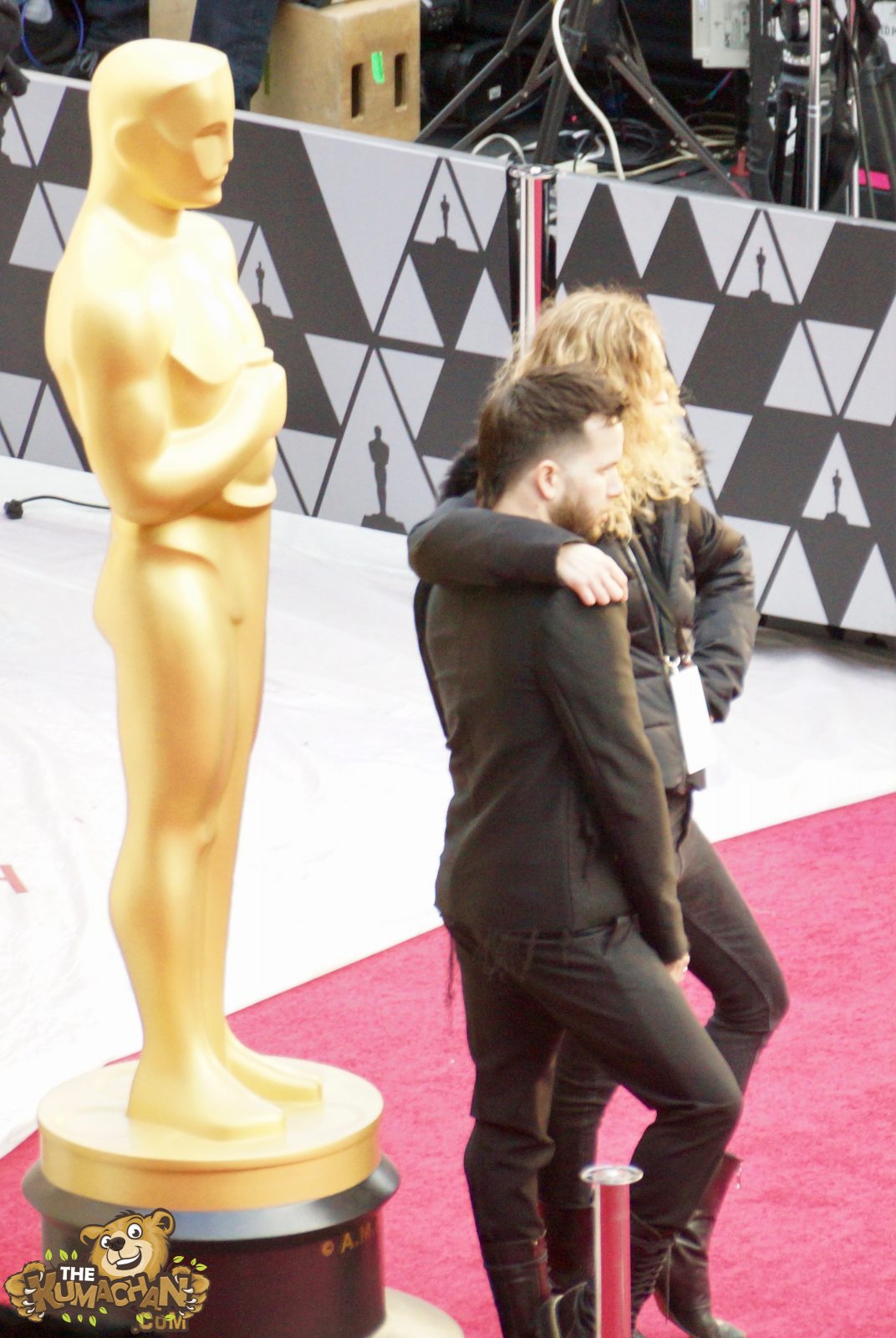
Guests are making their way in and getting photos taken on the red carpet. Everybody likes to get their photo taken with a 7 foot tall faux statue.
Oscar Guests Starting to Arrive
On the Red Carpet
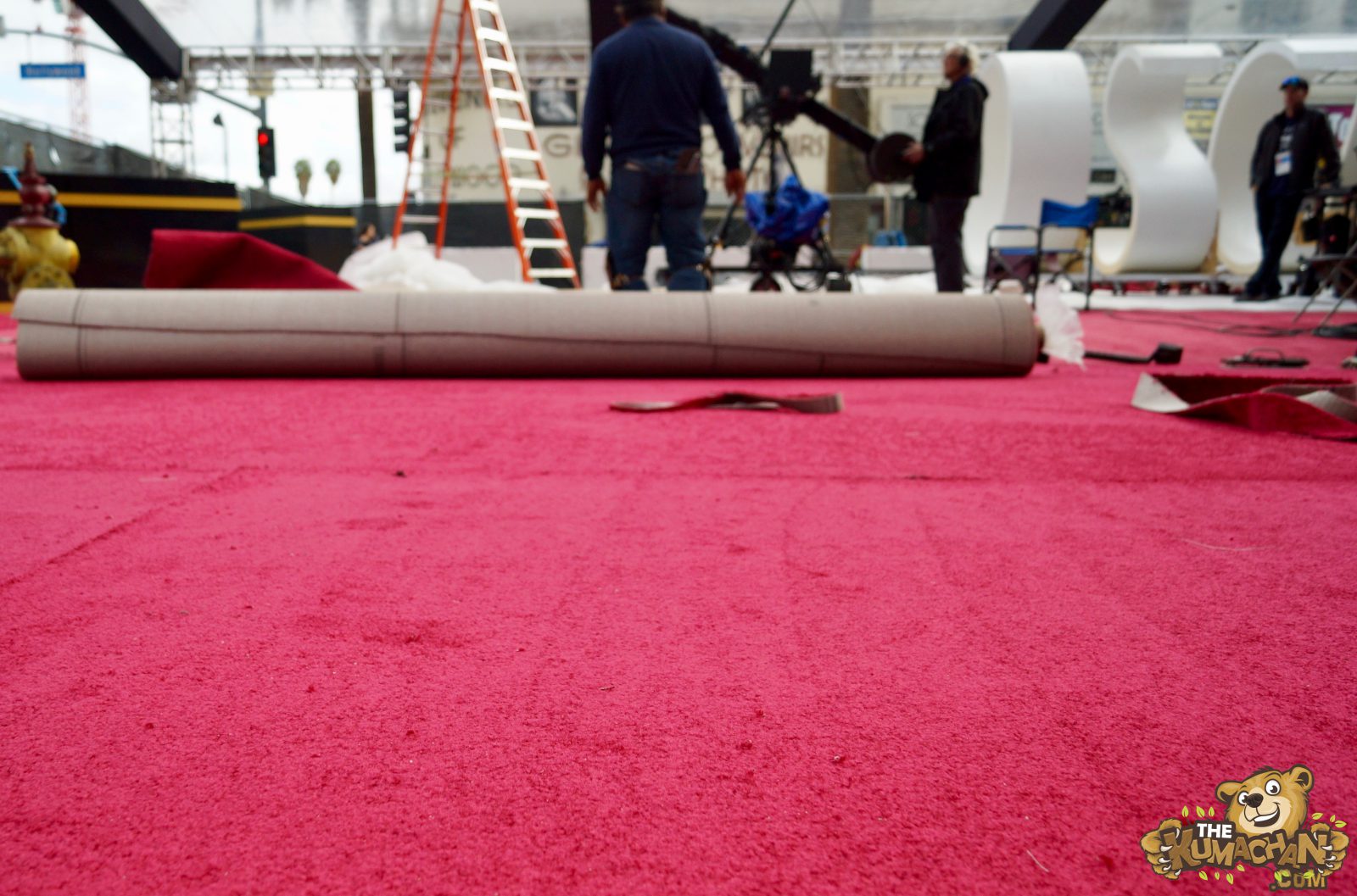



The red carpet has been rolled out. The curtains have been hanged. The stage is set for the gala event to commence. Join us to for periodic updates about different events throughout the day.
Related Posts
El Capitan is Ready For the Red Carpet
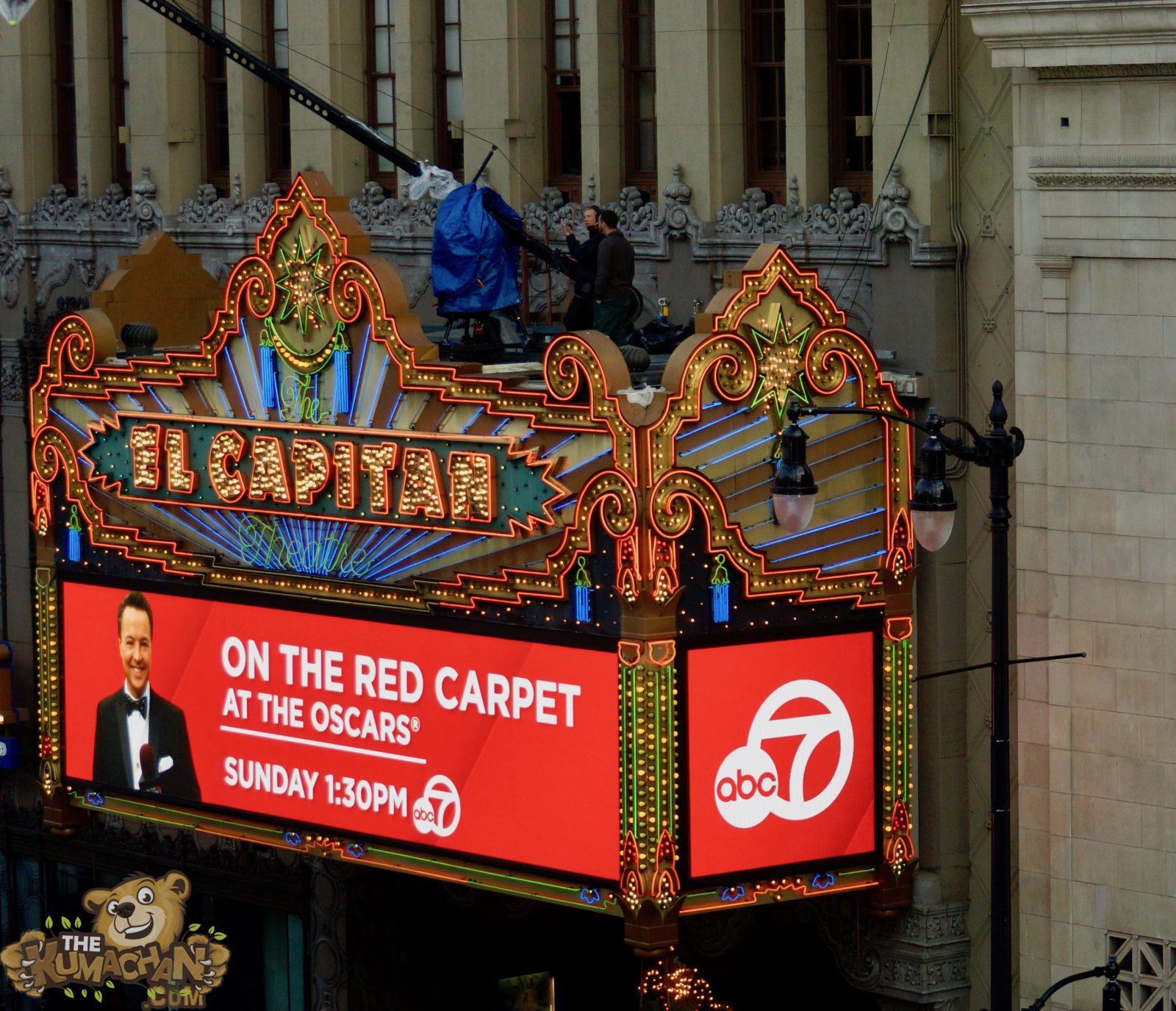
The El Capitan Theater is ready for “On the Red Carpet” to begin in preparation for the 90th Oscars that is being hosted by Jimmy Kimmel.
Related Posts
Backstage Look at the Oscars

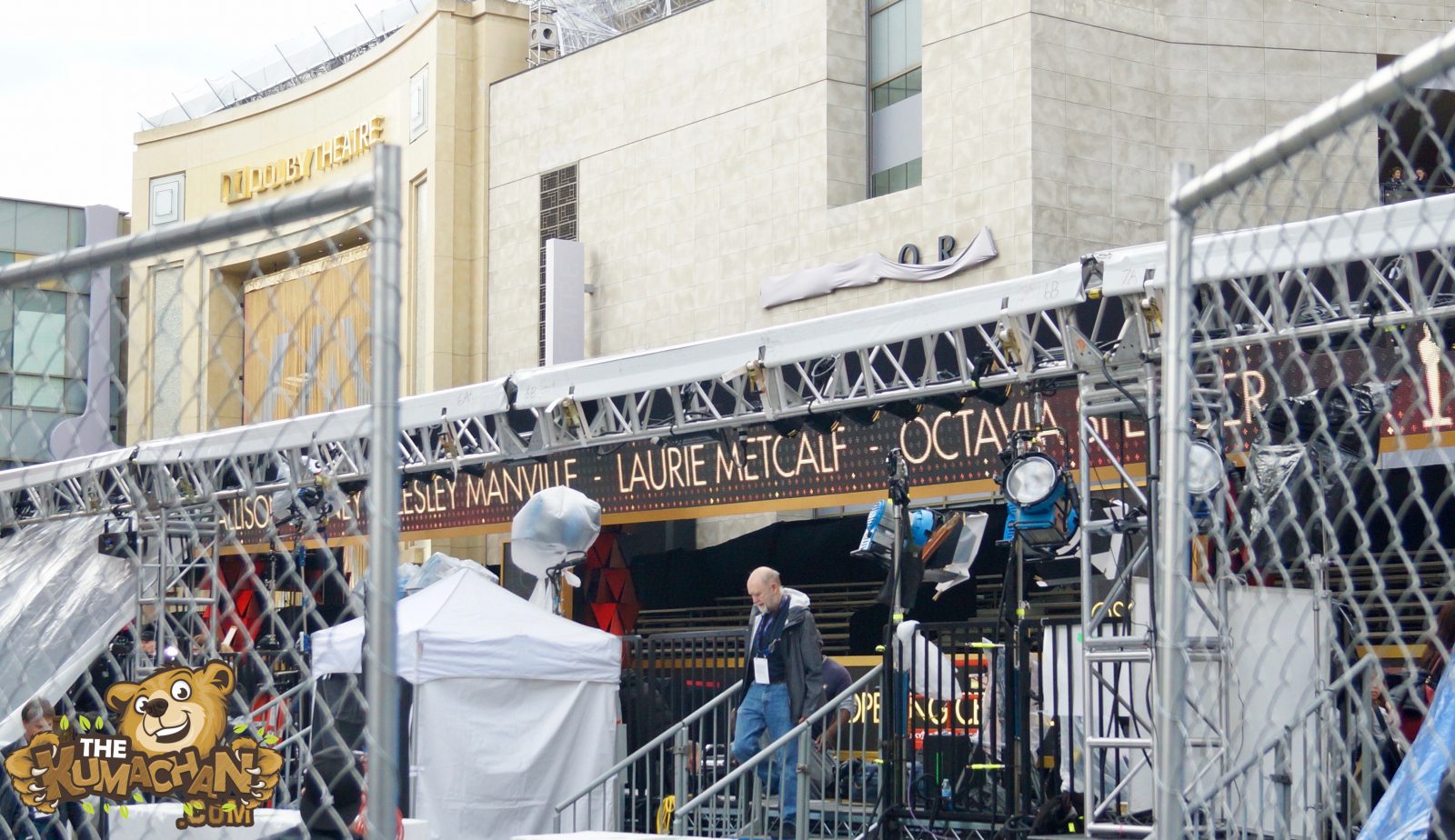
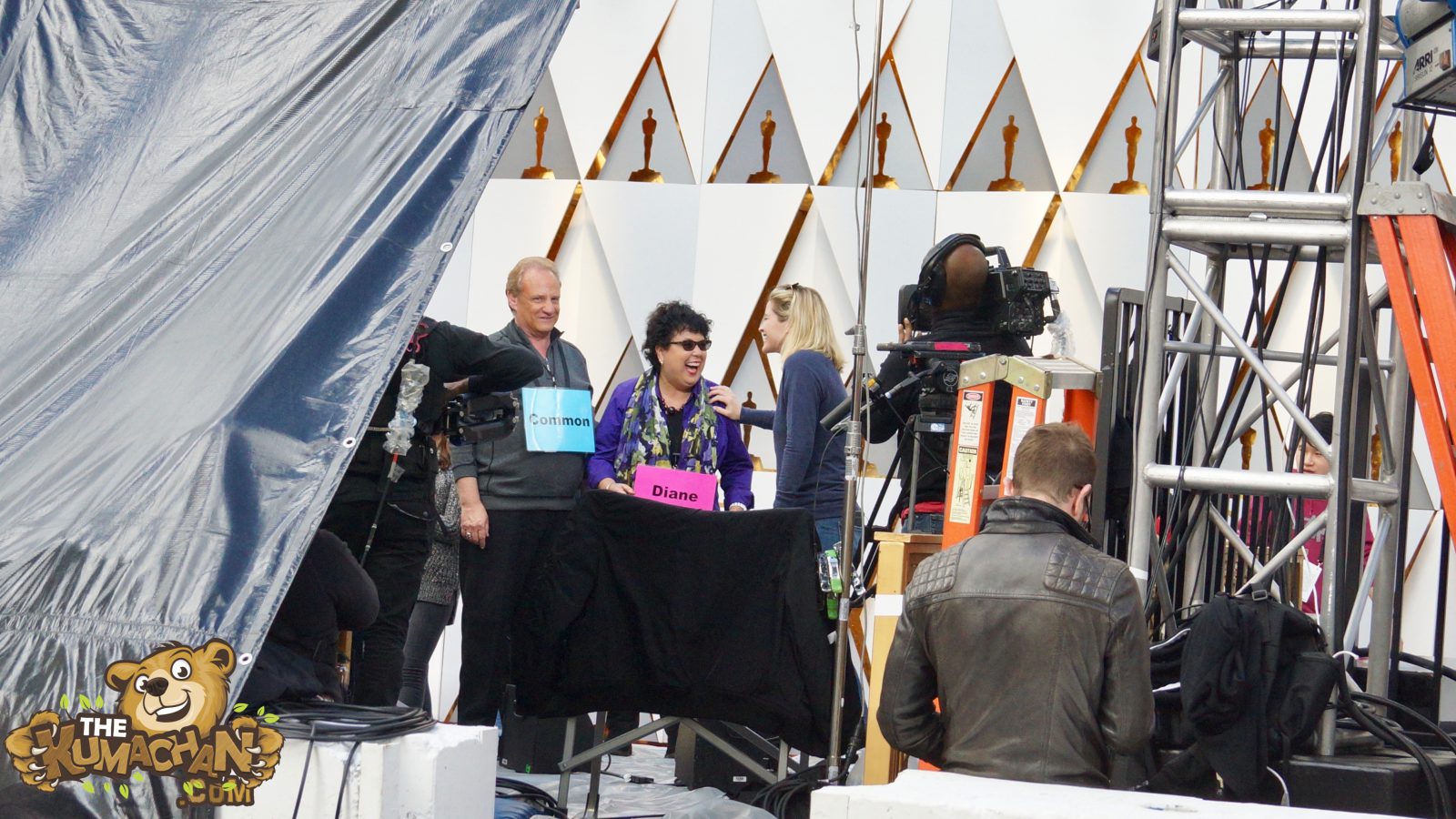
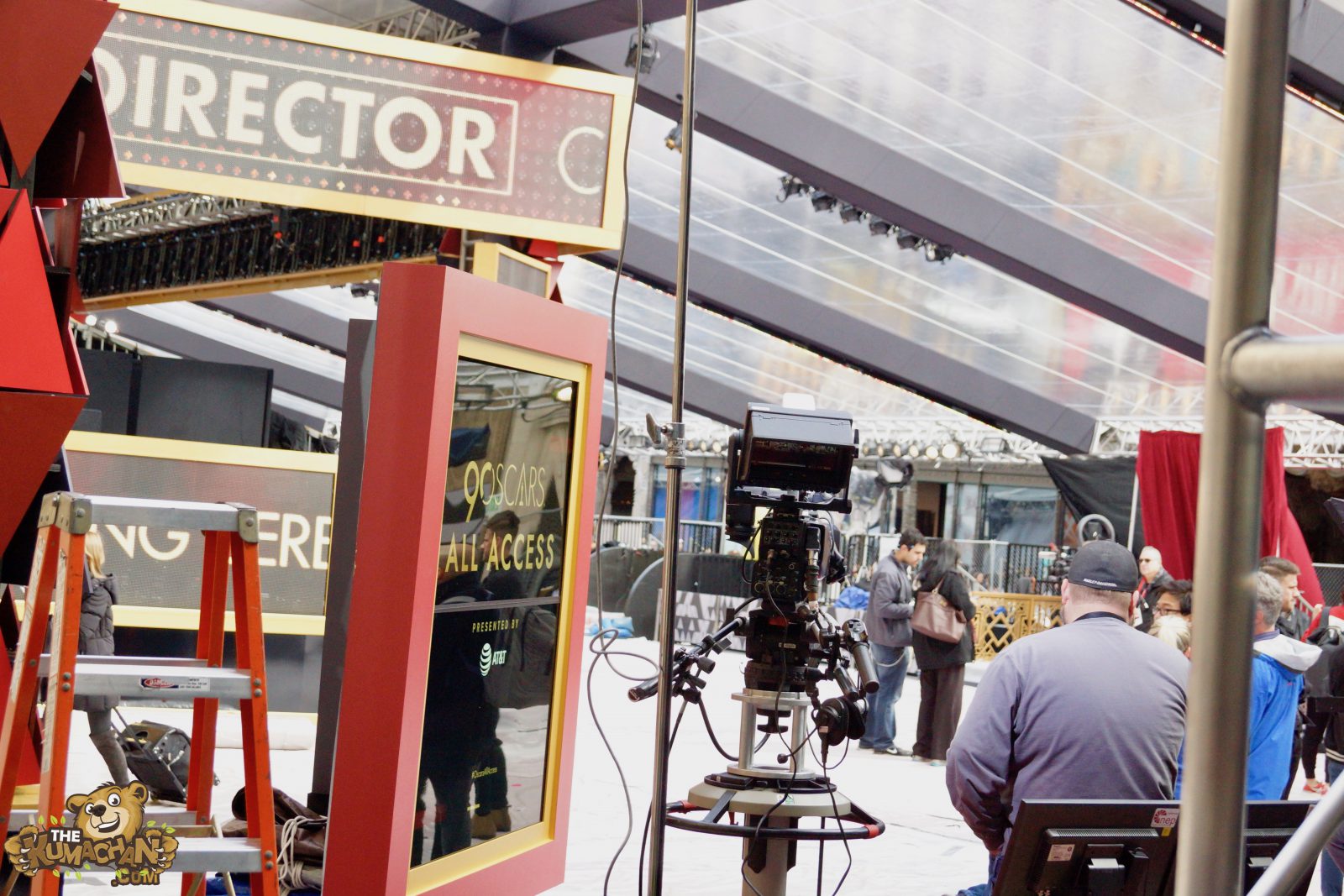
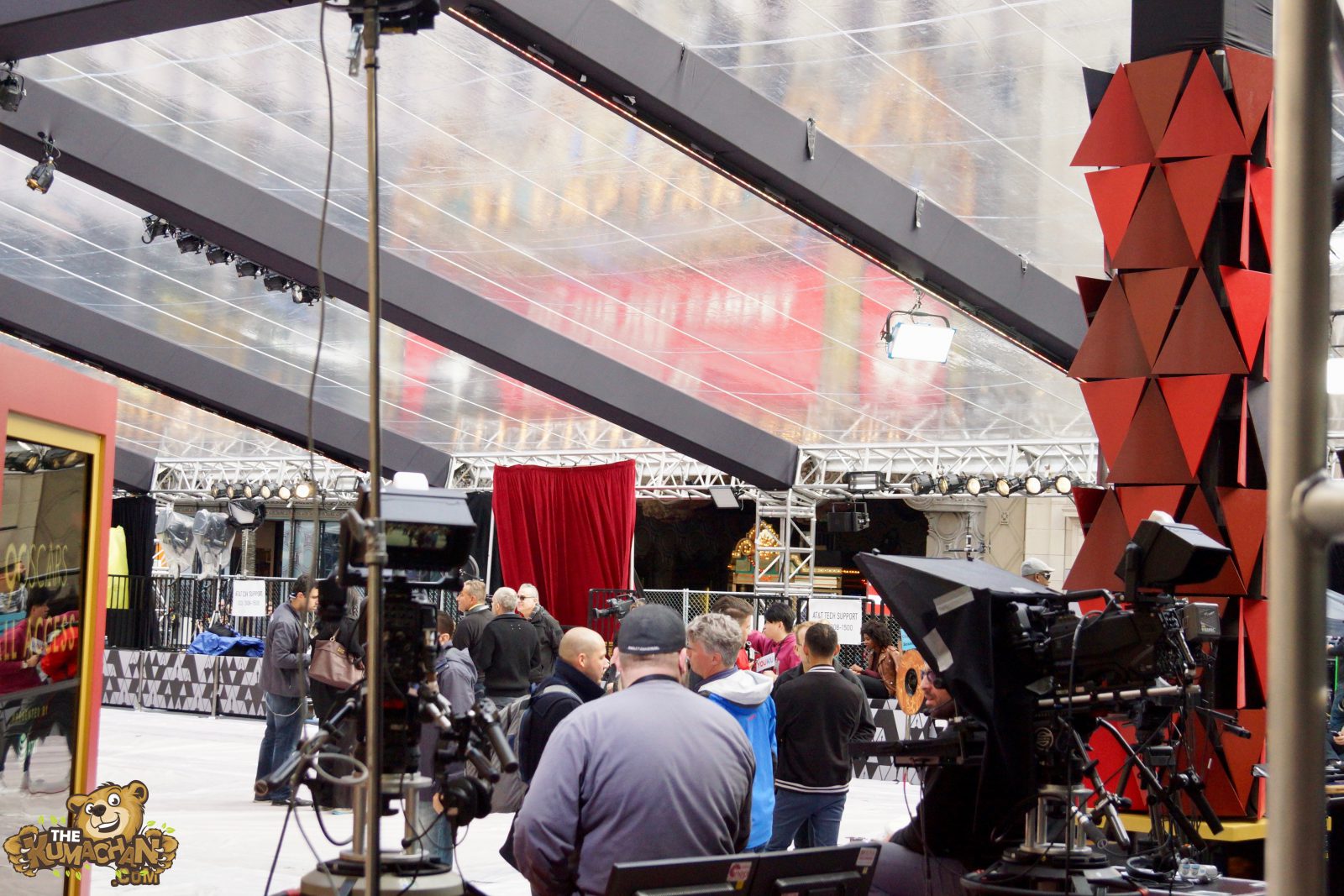
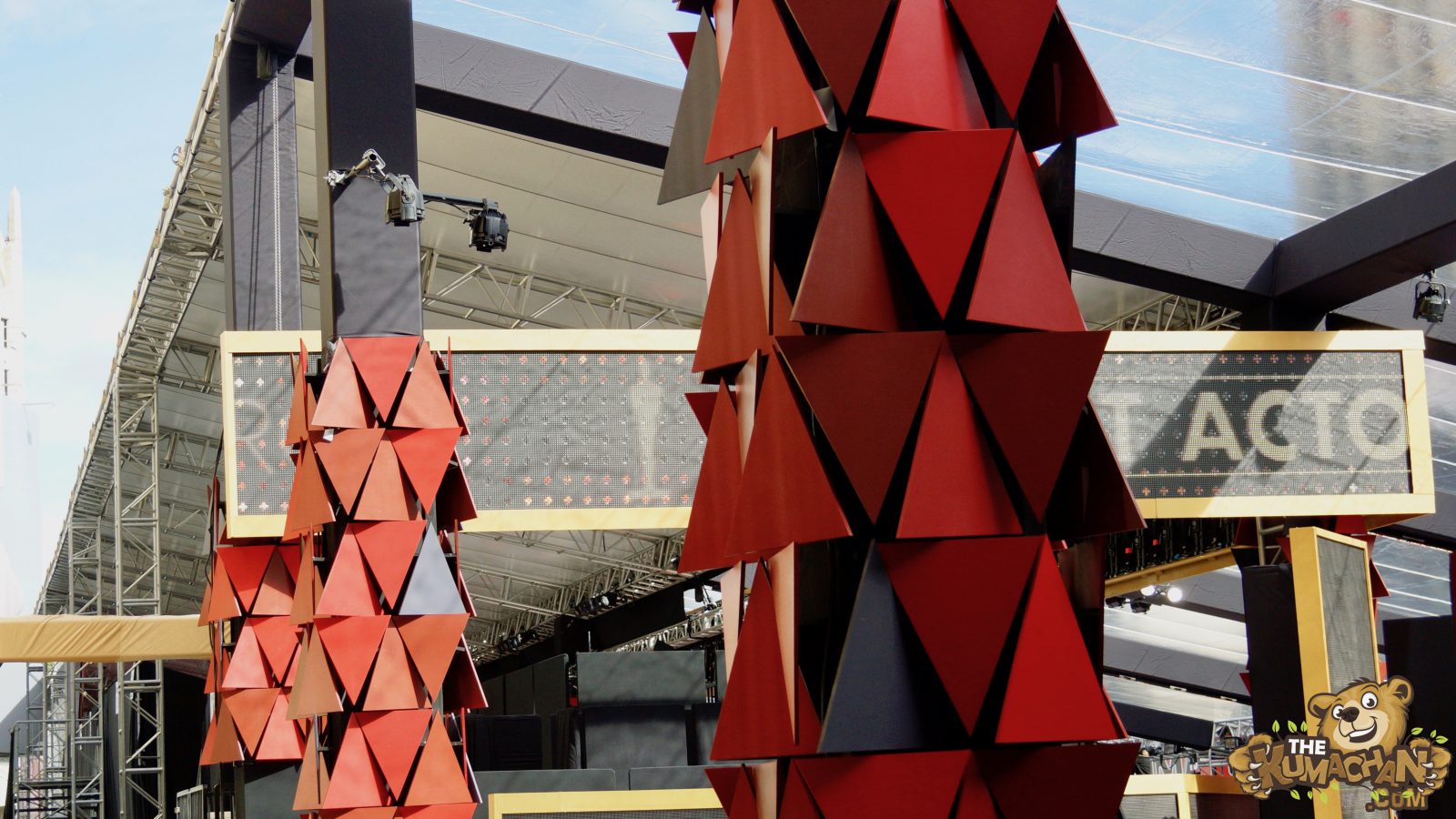
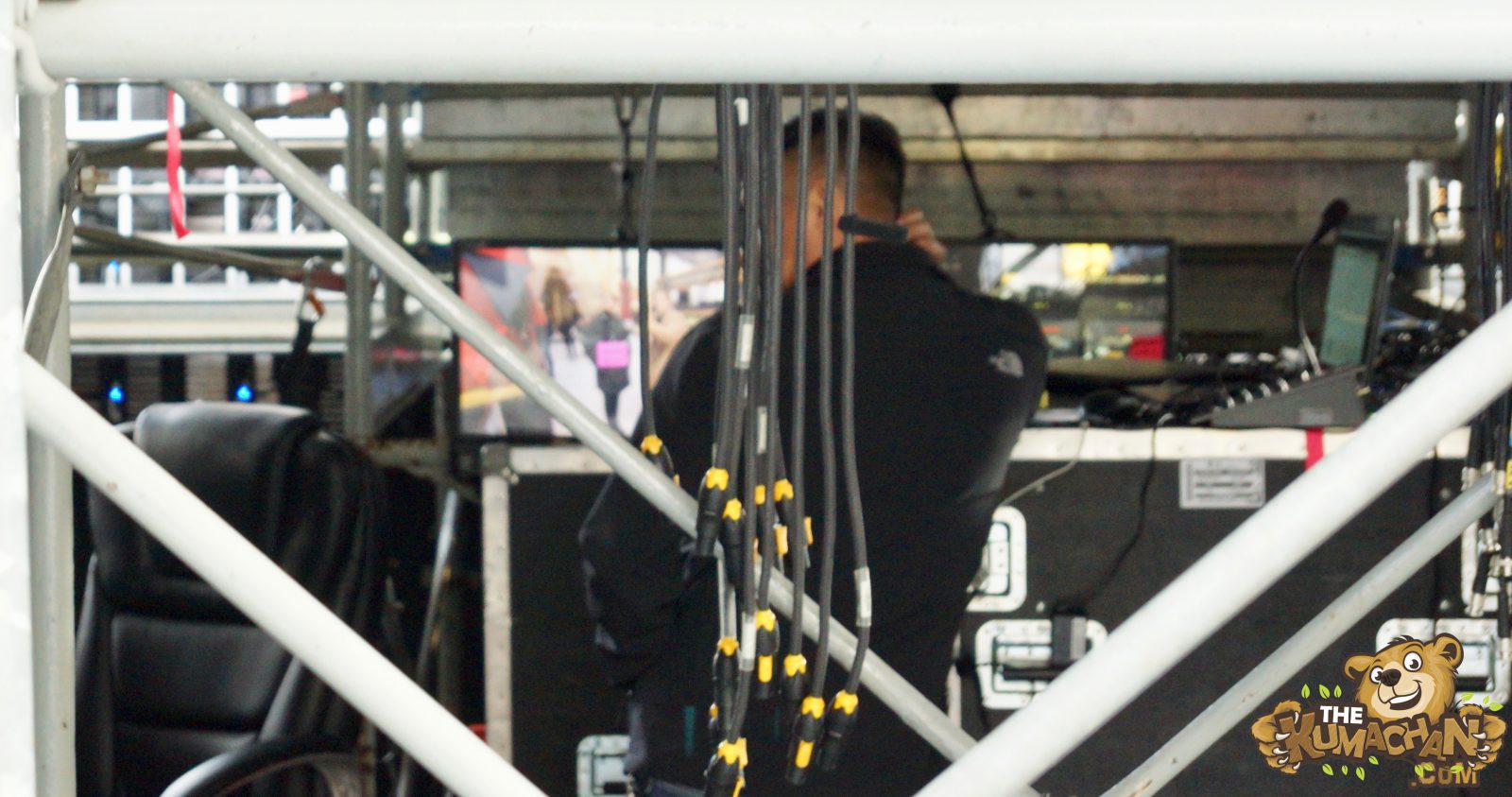
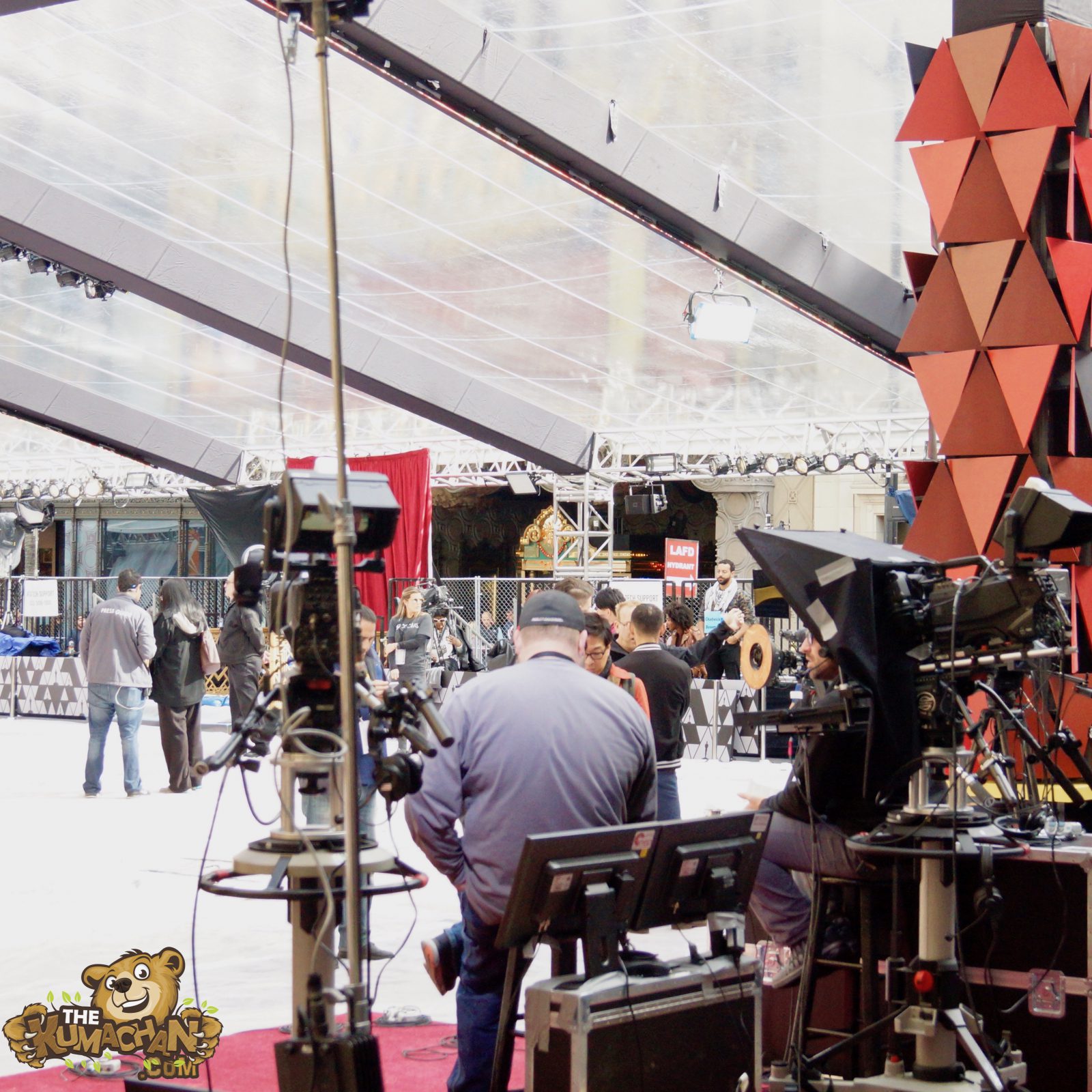
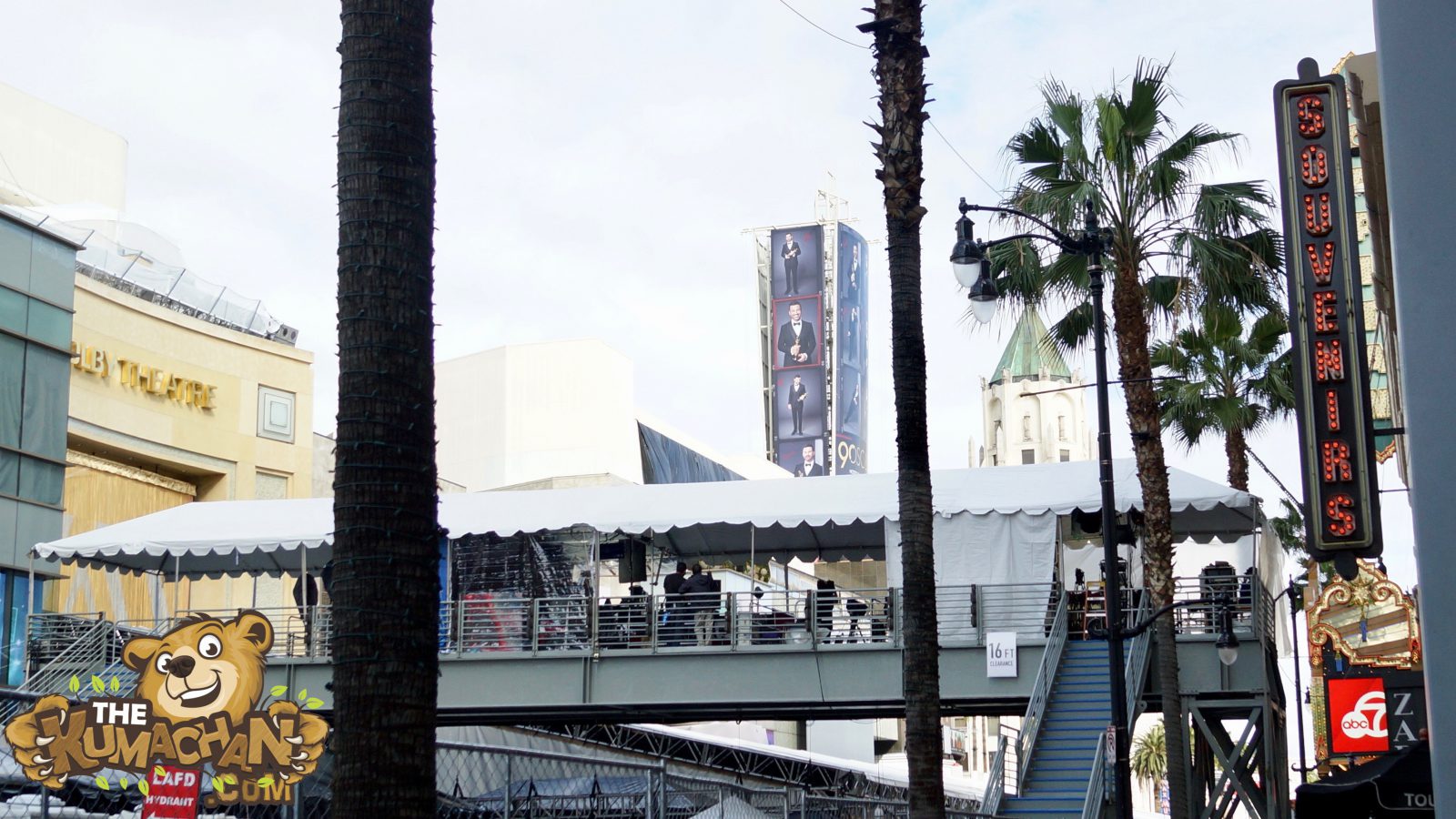
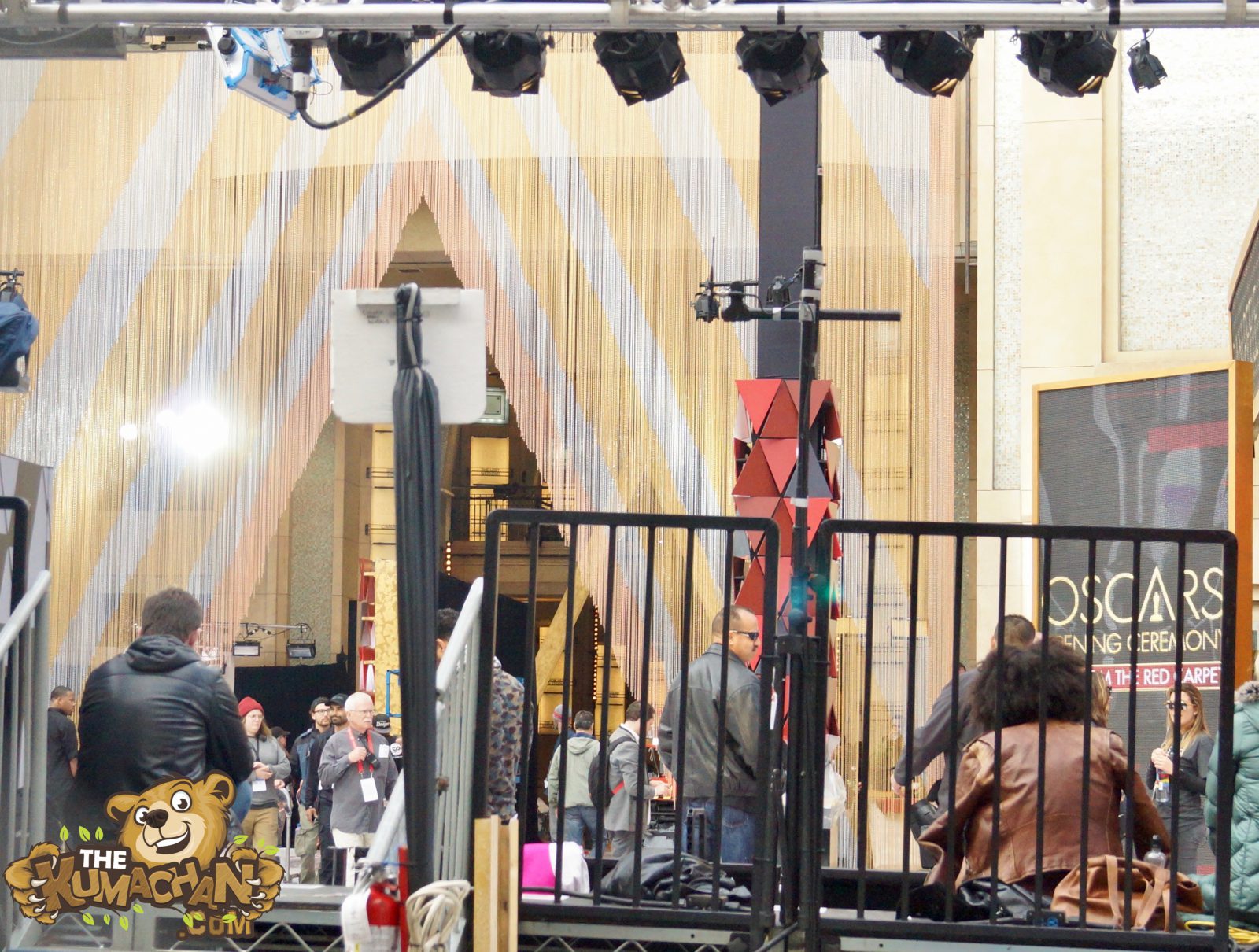
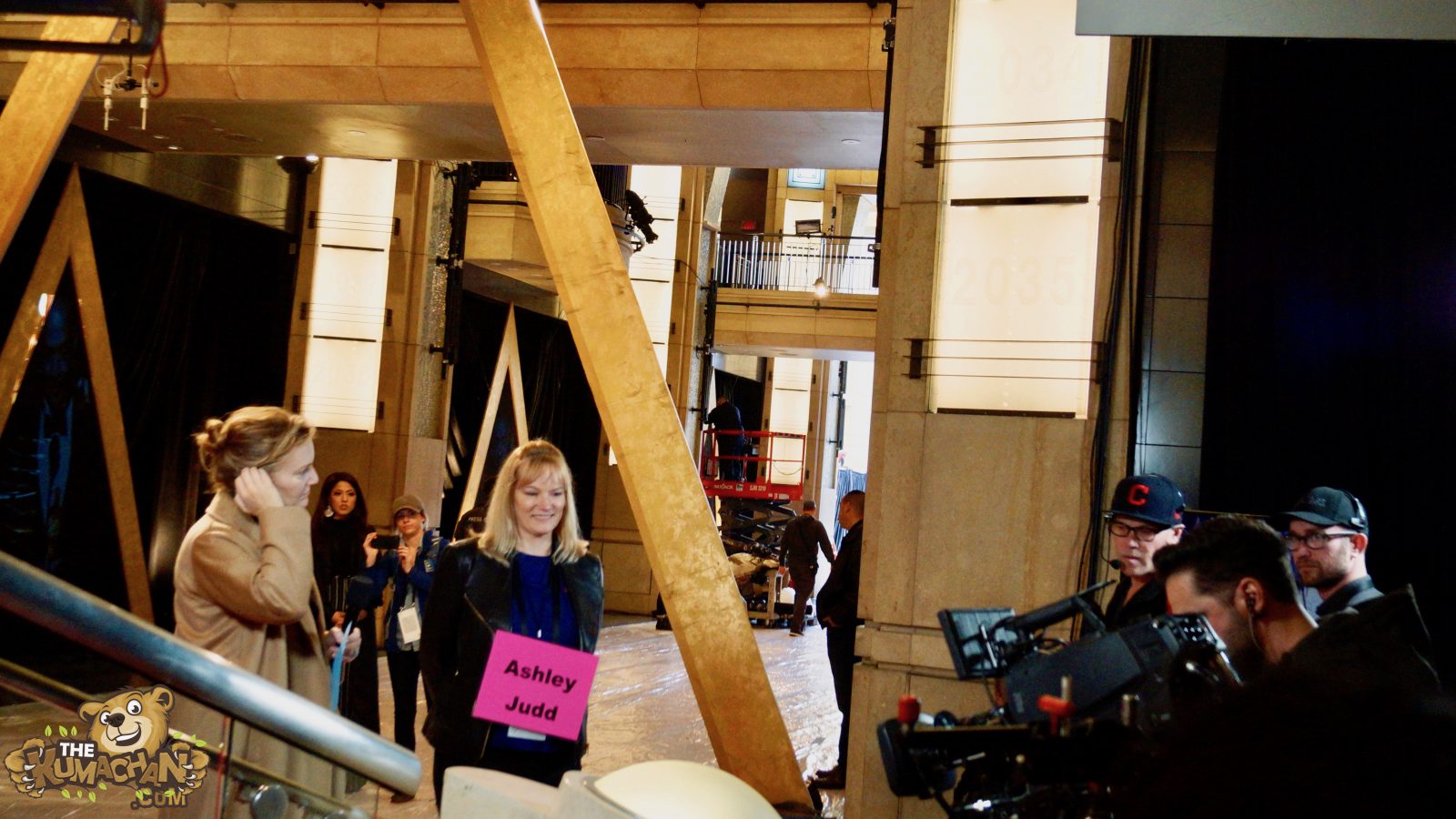
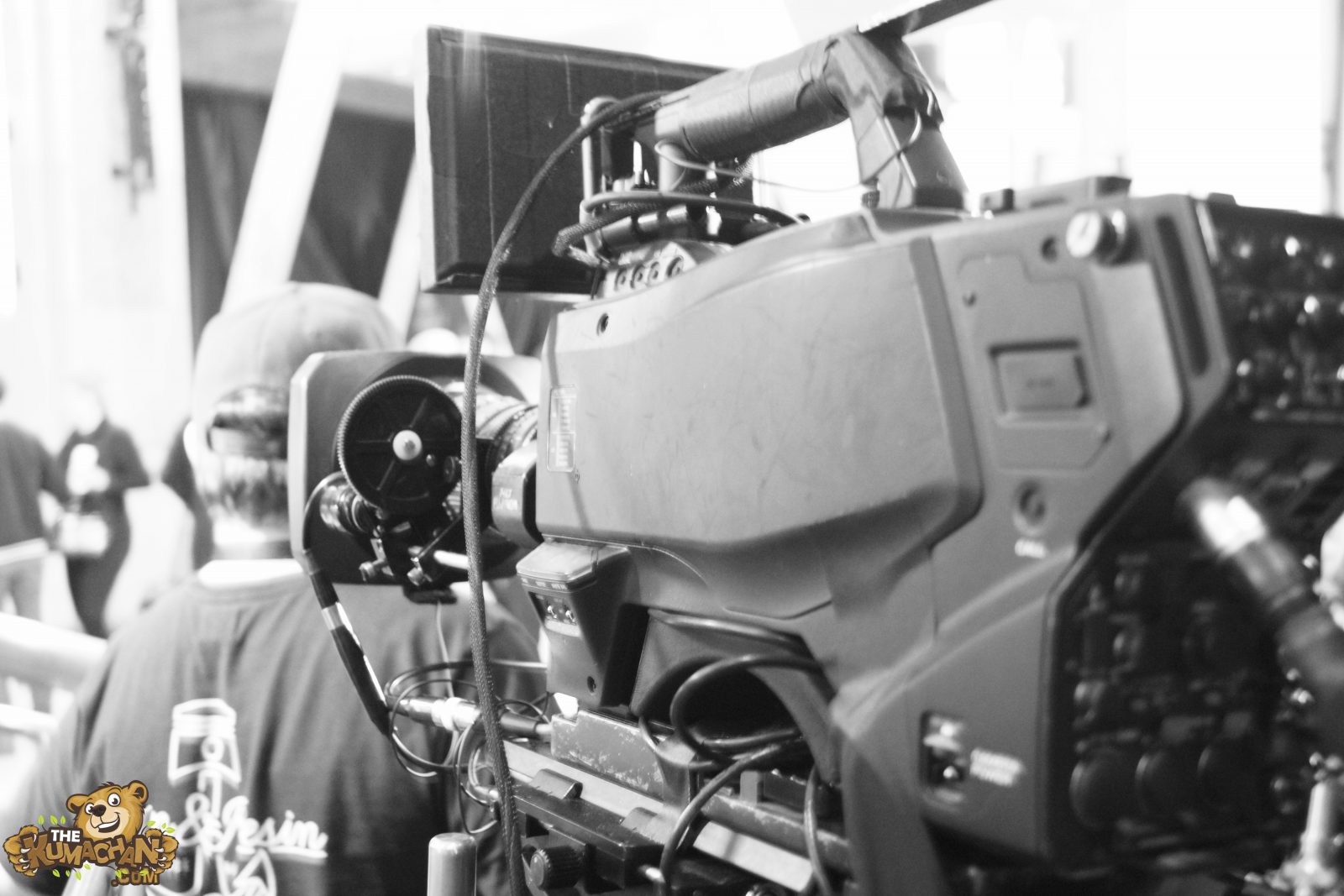
We were able to get a first hand backstage look at everything that goes into hosting the Academy Awards. It is quite remarkable to see all the people setting up the decorations, walls, lighting, sound, cameras, carpeting, and making sure that everything is in place and ready for the event to go off without a hitch. It looks like a lot of organized chaos.
Related Posts
Jimmy Kimmel Gets Ready to Host the Oscars

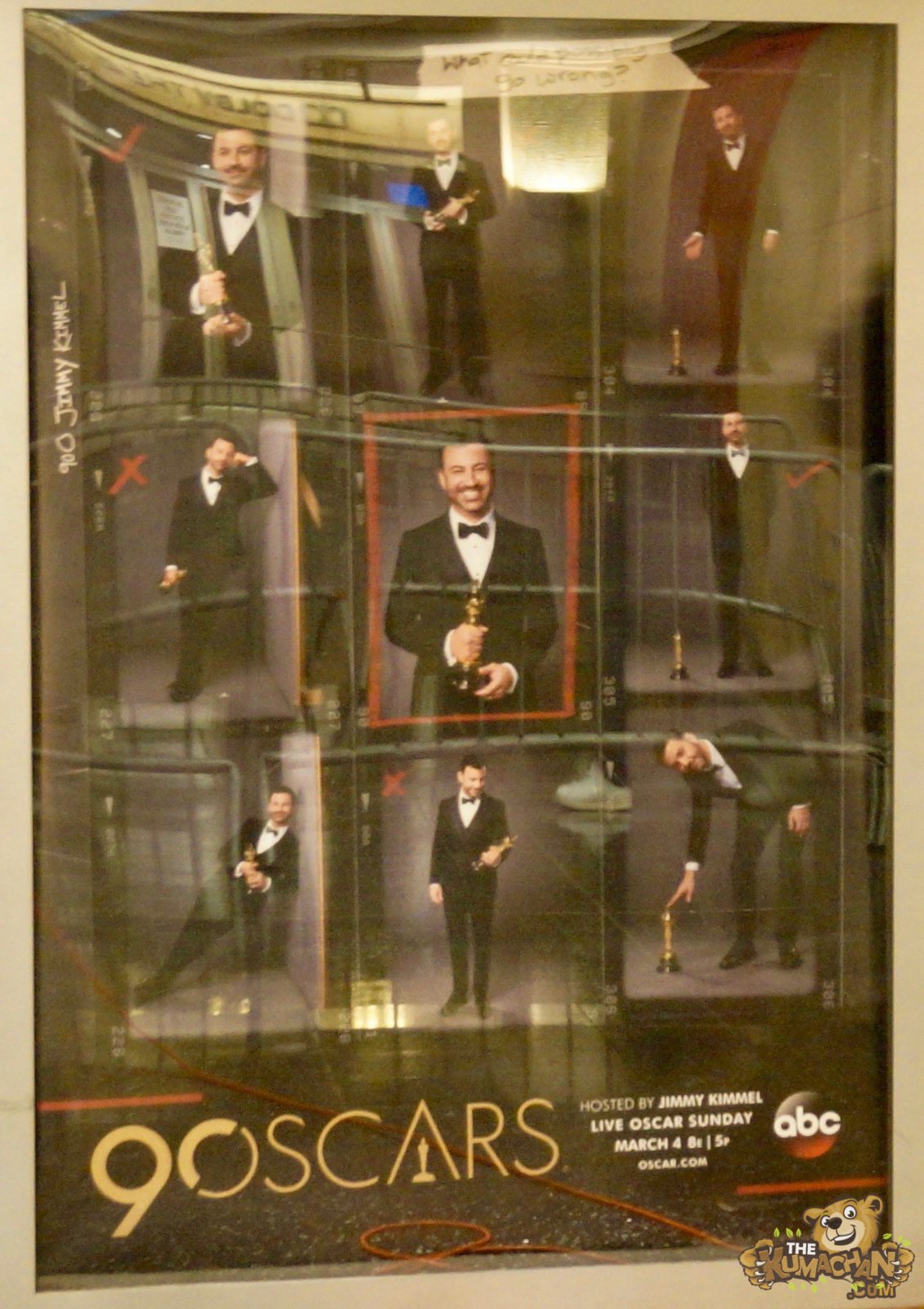
Jimmy Kimmel is getting ready and practicing for hosting the 90th Academy Awards tonight on ABC at 8 P.M. Easter/5 P.M. Pacific.
Related Posts
Donald J. Trump Works out a Trade Deal with Kim Jong-Un


Donald J. Trump has worked out a new trade deal with Kim Jong-Un that has many Democrats and liberals steaming mad. I wonder if this will be new topic for Hollywood to bash the President of the United States at the 90th Oscars today.
Related Posts

Iraq Hut Surrounded by Mines
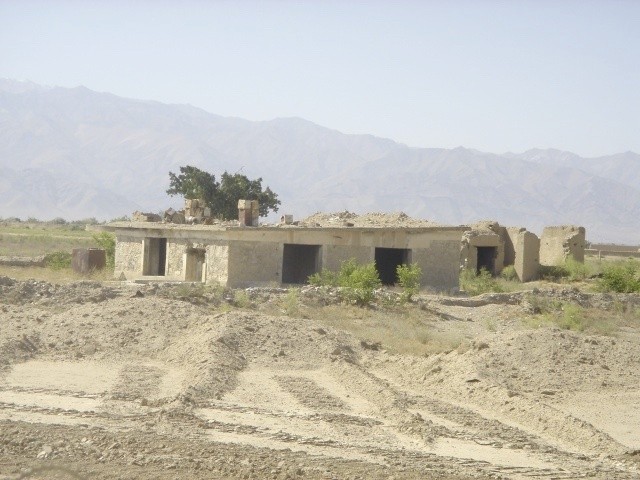
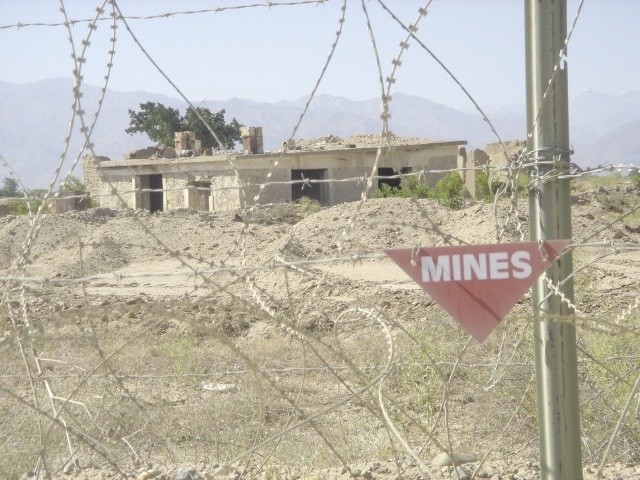
Don’t go walking off the beaten path. You might find more than you bargained for. In this instance here was a hut that had some mines that needed to be cleared.
Related Posts
Smart-ass Answers of 2017
SMART ASS ANSWER #6
It was mealtime during an airline flight.
‘Would you like dinner?’, the flight attendant asked John, seated in front..
‘What are my choices?’ John asked.
‘Yes or no,’ she replied.
SMART ASS ANSWER #5
A flight attendant was stationed at the departure gate to check tickets. As a man approached, she extended her hand for the ticket and he opened his trench coat and flashed her.
Without missing a beat, she said, ‘Sir, I need to see your ticket, not your stub.’
SMART ASS ANSWER #4
A lady was picking through the frozen turkeys at the grocery store, but she couldn’t find one big enough for her family. She asked a stock boy, ‘Do these turkeys get any bigger?’
The stock boy replied, ‘No ma’am, they’re dead.’
SMART ASS ANSWER #3
The police officer got out of his car as the kid who was stopped for speeding rolled down his window. ‘I’ve been waiting for you all day,’ the officer said.
The kid replied, Yeah, well I got here as fast as I could.’
When the cop finally stopped laughing, he sent the kid on his way without a ticket.
SMART ASS ANSWER #2
A truck driver is driving along on the freeway and notices a sign that reads: Low Bridge Ahead. Before he knows it, the bridge is right in front of him and his truck gets wedged under it. Cars are backed up for miles.
Finally a police car comes up. The cop gets out of his car and walks to the truck driver, puts his hands on his hips and says, ‘Got stuck, huh?’
The truck driver says, ‘No, I was delivering this bridge and I ran out of gas.’
SMART ASS ANSWER OF THE YEAR 2017!
A college teacher reminded her class of tomorrow’s final exam. ‘Now class, I won’t tolerate any excuses for you not being here tomorrow. I might consider a nuclear attack or a serious personal injury, illness, or a death in your immediate family, but that’s it, no other excuses whatsoever!’
A smart-ass student in the back of the room raised his hand and asked, ‘What would you say if tomorrow I said I was suffering from complete and utter sexual exhaustion?’
The entire class was reduced to laughter and snickering. When silence was restored, the teacher smiled knowingly at the student, shook her head and sweetly said, ‘Well, I guess you’d have to write the exam with your other hand.’
A BONUS EXTRA
A woman is standing nude looking in the bedroom mirror. She is not happy with what she sees and says to her husband, ‘I feel horrible; I look old, fat and ugly. I really need you to pay me a compliment.’
The husband replies, ‘Your eyesight’s damn near perfect.
Related Posts

New Store
Two businessmen in a new shopping mall were sitting down for a break in their soon-to-be new shop…
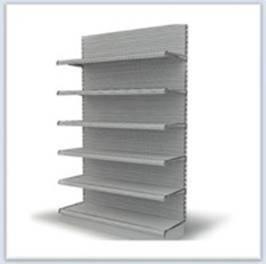
As yet, the shop wasn’t ready, with only a few shelves set up. One said to the other, “I bet any minute now some pensioner is going to walk by, put their face to the window, and ask what we’re selling.”

No sooner were the words out of his mouth when, sure enough, a curious old woman walked to the window, had a peek, and in a soft voice asked, “What are you selling here?”
One of the men replied sarcastically, “We’re selling ass-holes.”
Without skipping a beat, the dear old woman said, “Must be doing well…Only two left!.”
Related Posts
Ordinances Found Out on Mission
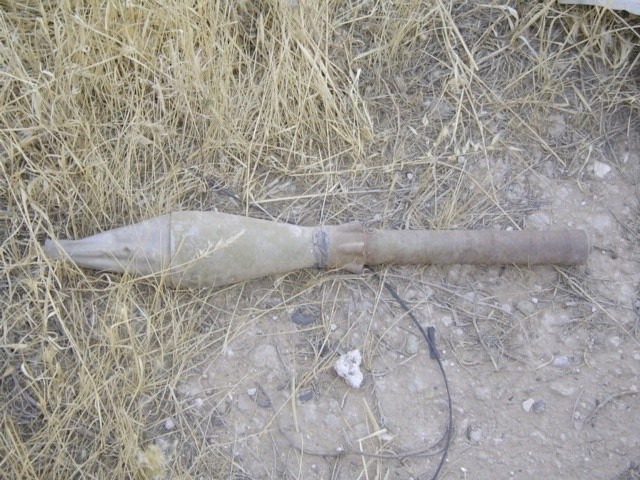
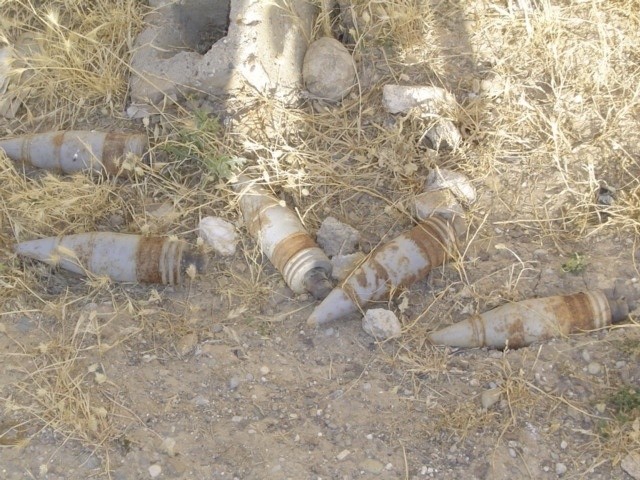
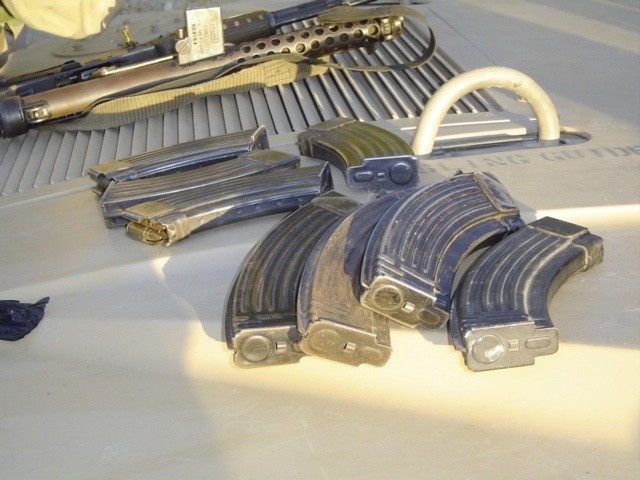
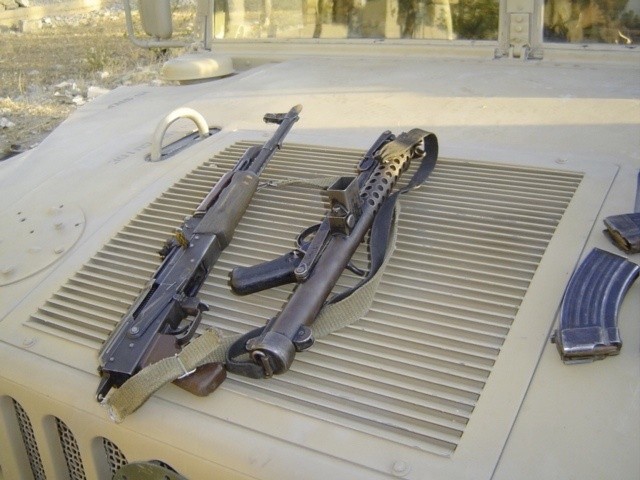
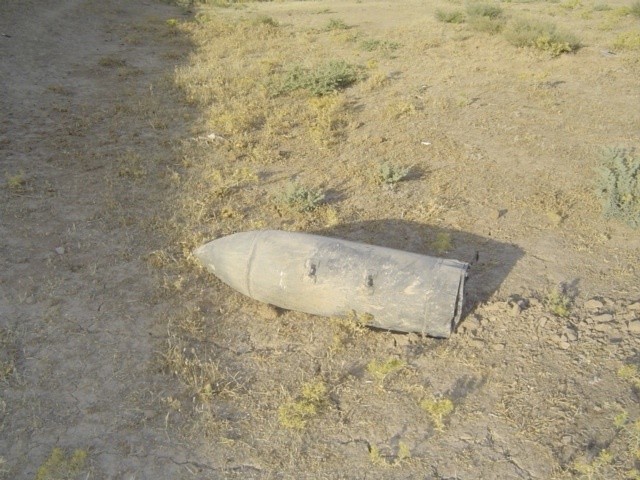
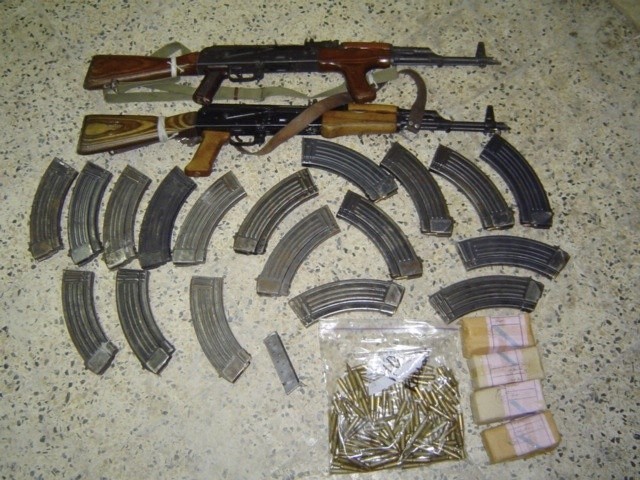
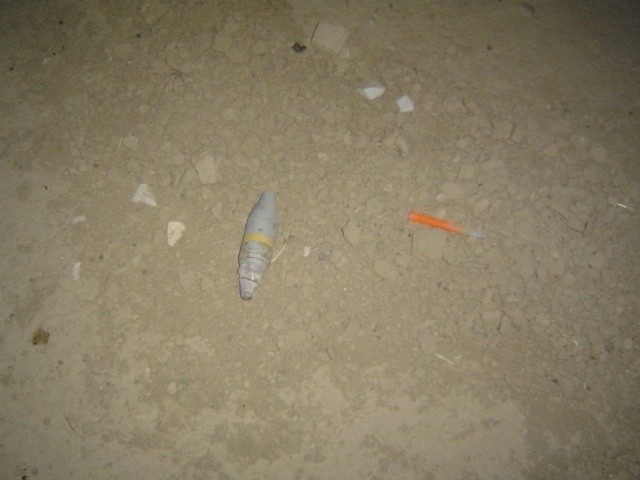
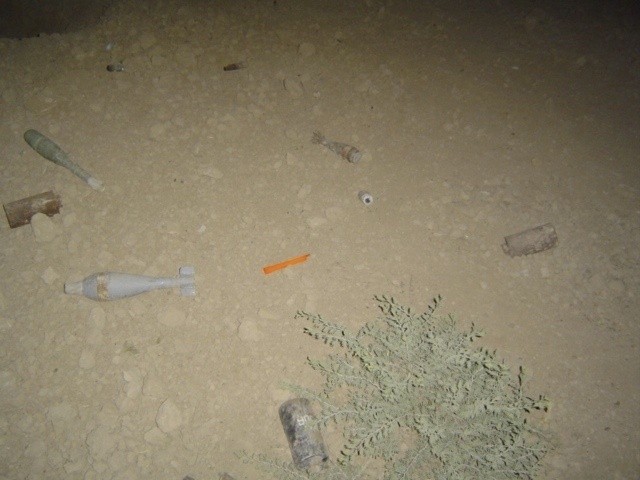
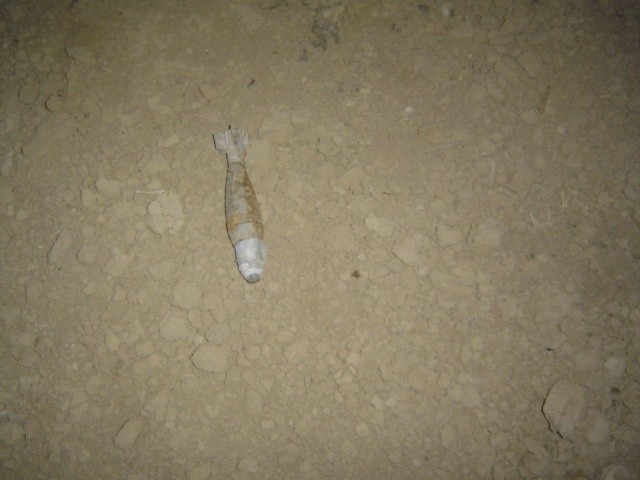
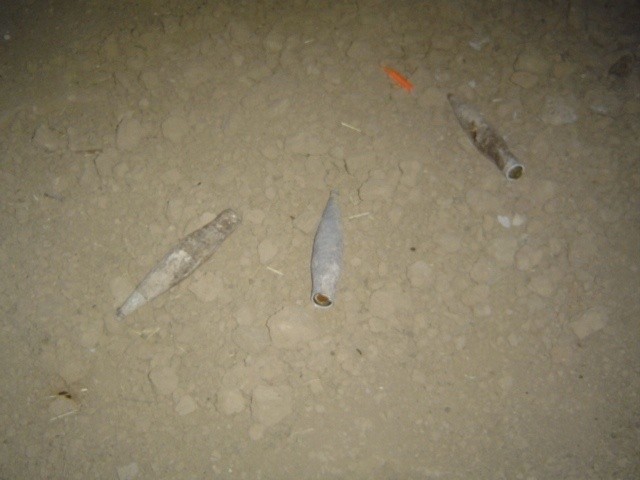
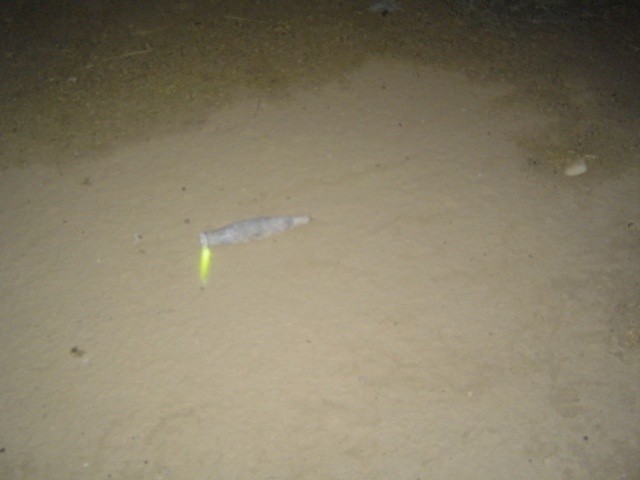
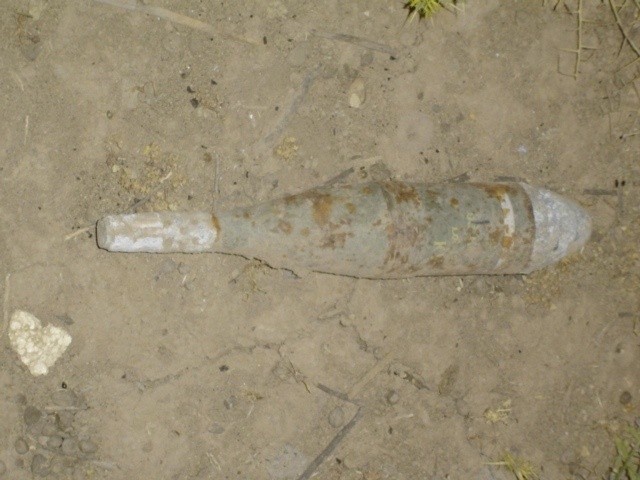
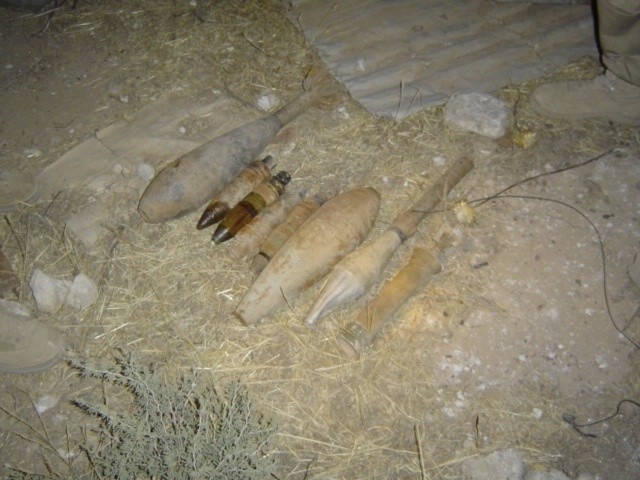
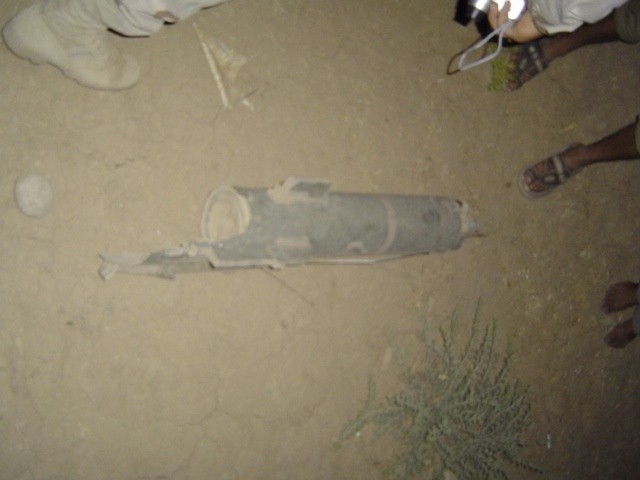
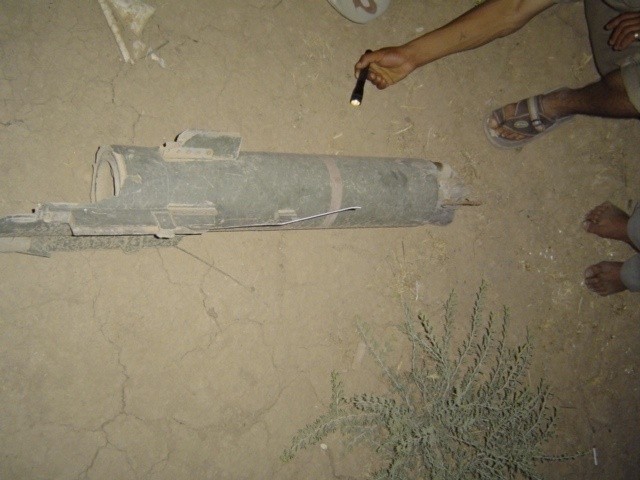
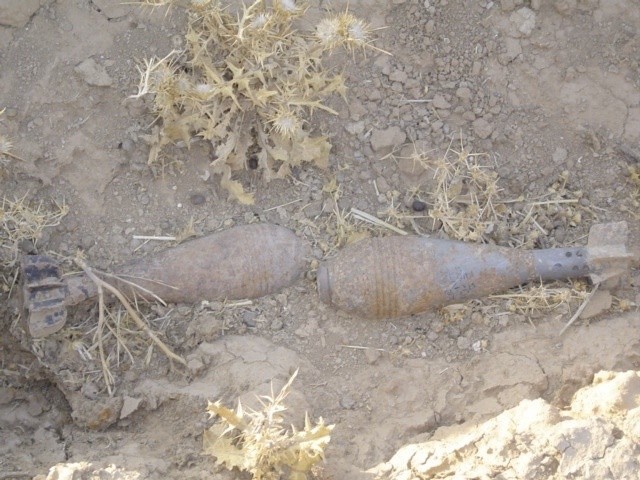
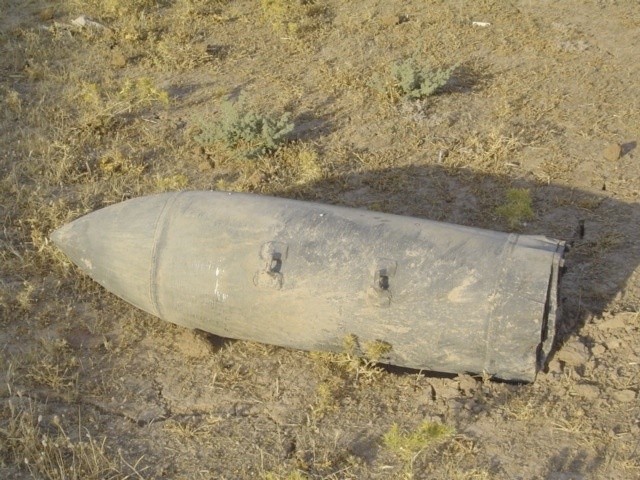
Here are some items you don’t want to find out on a night mission.
Related Posts
Saddam Hussein Palace
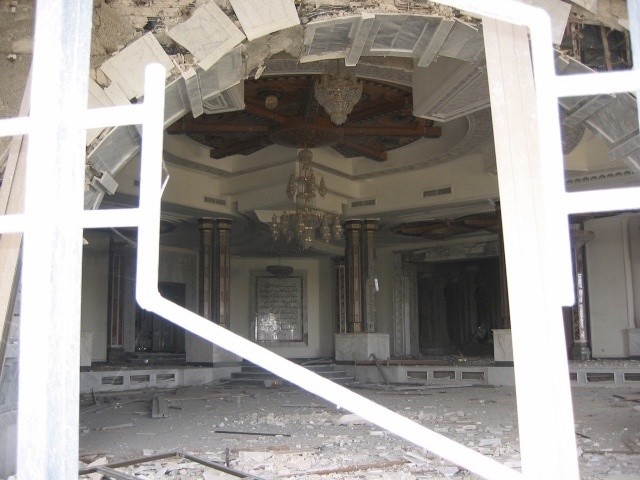
Here is one of Saddam Hussein’s palaces in Iraq after the U.S. military came in and crashed his party.
Related Posts
Democrat Training Camp
Video of a Democrat Training Camp. Take a look at some of these trainees. They certainly fit the bill for to be democrats.
Related Posts
Wired for Power: The Hidden Story of Kadena’s DMS-100 Telephone Switch
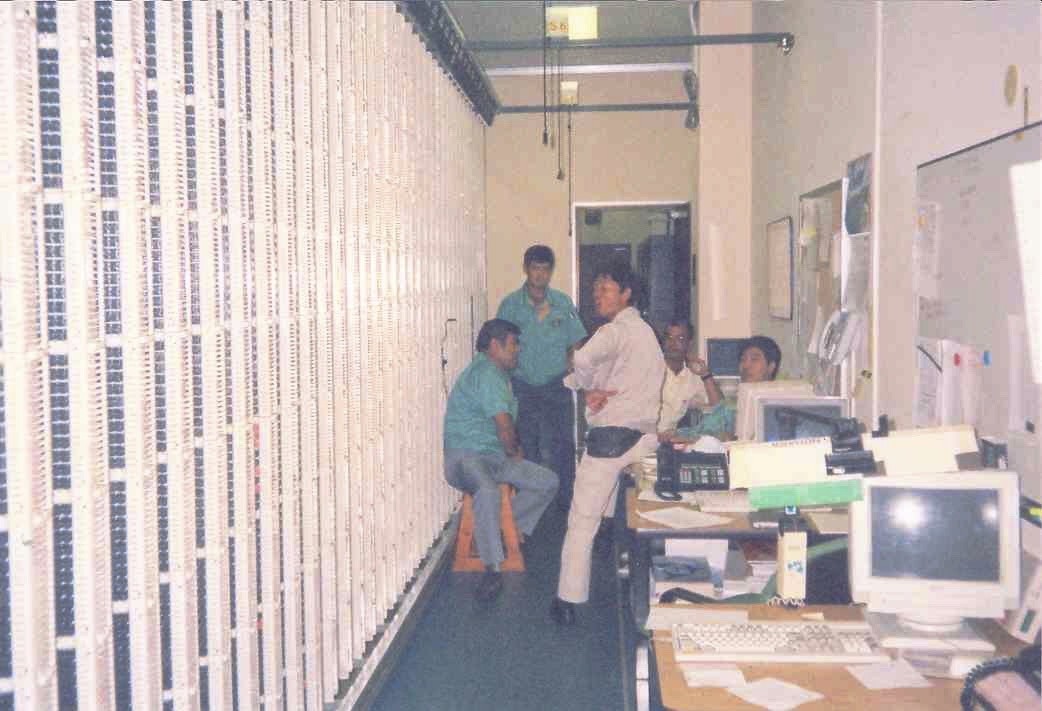
At first glance, the photograph seems simple enough: a group of Okinawan technicians standing proudly in the telephone exchange at Kadena Air Base, with the vast metal skeleton of the main distribution frame stretching behind them like a cathedral of wires. Their posture is relaxed but purposeful, each man aware that the work they do, often invisible to outsiders, keeps the great machinery of a major U.S. Air Force installation running smoothly. On the left of the frame rises the intricate lattice of jumpers, blocks, and copper lines that form the nervous system of the switch, a sight familiar to any communications engineer. But to the untrained eye, it is simply a wall of wires. Hidden behind this frame, and central to their labor, is a piece of equipment that defined an era of military communications: the DMS-100 digital switch. To understand its presence at Kadena is to understand both the story of technology in the late twentieth century and the story of the people—Americans and Okinawans alike—who kept it alive.
The DMS-100 was not just a machine; it was a declaration that the world had entered a new age of connectivity. Built by Northern Telecom (later Nortel), it was one of the most sophisticated digital telephone switching systems of its time. Unlike the clunky electromechanical gear it replaced, with its relays and crossbars clicking endlessly in dusty rooms, the DMS-100 operated with silent precision. It was digital, fast, and flexible, able to handle tens of thousands of lines and trunks, supporting both military circuits and civilian calls. For a base like Kadena, the largest U.S. Air Force installation in the Pacific, it was a revolution. The DMS-100 could seamlessly connect commanders to Washington, families to relatives back home, and airmen to their Okinawan neighbors, all through a web of copper, fiber, and logic spread across racks of cards and frames.
But the machine itself was only half the story. The other half lived in the hands of the Okinawan technicians who worked in that room every day. They were local nationals, hired to provide expertise and continuity in a place where American personnel rotated every few years. They learned the DMS-100’s inner workings with care, mastering the art of tracing faults through miles of jumper wire, swapping out line cards, and maintaining the main distribution frame so that every telephone in the sprawling base had a voice. They were electricians, engineers, troubleshooters, and teachers rolled into one. Their quiet competence was essential: while the airmen came and went, while commanders rose through the ranks and departed, these men stayed. Their presence ensured the switch remained stable, reliable, and ready for anything.
Life in the switch room was a blend of monotony and urgency. On most days, the technicians clipped wires, traced circuits, and updated documentation. The hum of the air conditioning mixed with the occasional crackle of a test set and the faint whiff of solder. But on some days, when storms knocked out lines or when urgent orders demanded new circuits, the pace quickened. Then they moved with the urgency of men who knew that every second mattered, that behind the tangle of wire lay missions, families, and the very reputation of the base. To them, each pair of copper lines carried more than electrons; it carried the lifeblood of communication.
The DMS-100 was a marvel in its time. Using time-division switching, it transformed analog voice signals into digital data, sliced into tiny time slots and switched through memory. This allowed conversations to be routed quickly, efficiently, and with remarkable clarity. Unlike the old analog exchanges, which often introduced noise and distortion, the DMS-100 delivered clean, crisp connections. It could scale easily, too, handling thousands of users while supporting services like voicemail, call forwarding, and conference calls—features that sound trivial now but were transformative in the 1980s and 1990s. For Kadena, with its thousands of personnel and its constant readiness for operations across the Pacific, the DMS-100 was indispensable.
Yet it was not just about the technology. It was about the intersection of cultures inside that switch room. Americans brought the system, trained on it briefly before moving to their next duty station, while Okinawans provided long-term stewardship. These local workers were often bilingual, navigating both technical manuals in English and the daily chatter in Japanese or Okinawan dialects. They embodied the hybrid nature of the base itself: an American outpost embedded in the soil of Okinawa, dependent on the skills and dedication of its host community.
Their work was often invisible to outsiders. When an airman picked up a phone to call home, he rarely thought about the main distribution frame or the men who kept it in order. When a commander patched into a secure conference call with Pacific Command, the thought rarely extended to the Okinawan technician who had tested the circuit that morning. But invisibility did not mean insignificance. These technicians were like the unseen gears of a watch, ensuring that time kept moving, that missions were not delayed, that families could speak across oceans.
The switch itself stood as a monument to the Cold War era. Kadena was a frontline installation, tasked with projecting airpower across the Pacific and standing ready for crises on the Korean Peninsula, in Taiwan, or beyond. Communications were as important as fuel or munitions. A scrambled message, a dropped call, or a failed line could spell disaster in an age where minutes could determine outcomes. The DMS-100 provided reliability and redundancy, with hot-swappable line cards, fault-tolerant design, and constant monitoring. It was a system built for an age of tension, where the flow of information was as strategic as the positioning of bombers on the flight line.
And yet, the photograph captures something more human than technological. The men in the picture are not machines. They are smiling faintly, standing with casual ease, dressed not in uniforms but in the simple clothes of workers who know their craft. They represent continuity, a steadying presence in a base defined by rotation and transience. In their hands, the main distribution frame is not an abstraction; it is a daily reality, a challenge to be met with patience and skill.
Over time, the DMS-100 would be replaced by newer systems. Digital switches gave way to packet-switched networks, to VoIP, to software-defined solutions that run in data centers rather than in rooms filled with copper. But the legacy of the DMS-100 remains, especially in places like Kadena. It represents the bridge between eras: from analog to digital, from isolated switches to global connectivity. And it represents the bridge between peoples: Americans and Okinawans working together, not in the glare of headlines or the roar of jets, but in the quiet hum of a switch room.
To write about a telephone switch is to risk boredom, but to write about the people who kept it alive is to tell a story of resilience and cooperation. The DMS-100 was an engineering marvel, but its real magic lay in the hands of the men who maintained it. They transformed it from a box of circuits into the heartbeat of a community. They ensured that when a young airman called his parents, when a commander briefed Washington, when two friends chatted across base housing, the line was clear. They turned the abstract into the intimate, the global into the personal.
The story of Kadena’s DMS-100 is a reminder that history is not only written in battles or treaties but also in wires and voices, in the invisible labor of those who ensure we can speak to one another. The men in the photograph are not famous, but they are part of the great chain of history, their work woven into the story of a base, a nation, and an alliance that has endured for decades. And though the DMS-100 may now be silent, replaced by newer machines, its legacy endures in the voices it once carried, in the lives it connected, and in the bonds it strengthened.
So the next time one looks at the flight line or the radar domes of Kadena, it is worth remembering the quieter rooms, the telephone switches, the distribution frames, and the technicians who kept them alive. For in those rooms, history was not only observed but enabled, one call at a time.
Related Posts
Thailand Street Vendors
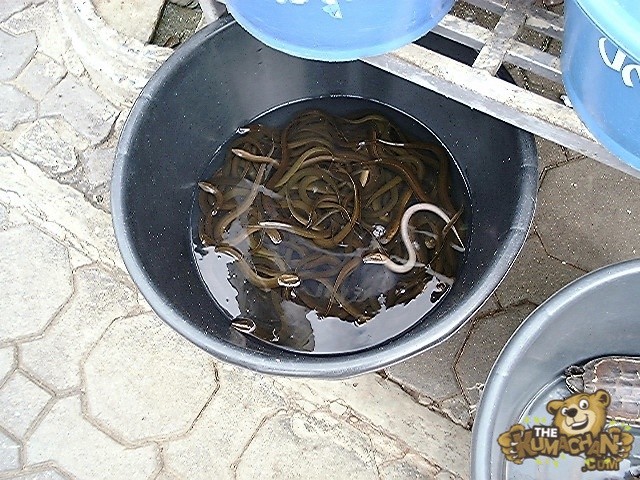
In Thailand street vendors will sell you anything. Here one has a nice bucket of eels to sell. Yummy!
Related Posts
Little Johnny Famous Quotes
A teacher decides to let students out early if they can name some quote origins.
Teacher: “Who said ‘Four Score and Seven Years Ago’?”
Before Johnny can open his mouth, Susie says, “Abraham Lincoln.”
“That’s right, Susie, you can go home.”
Teacher: “Who said ‘I Have a Dream’?”
Before Johnny can open his mouth, Mary says, “Martin Luther King.”
“That’s right, Mary, you can go.”
Teacher: “Who said ‘Ask not, what your country can do for you’?”
Before Johnny can open his mouth, Nancy says, “John F. Kennedy.”
“That’s right, Nancy, you may also leave.”
The teacher turns her back. Johnny yells in frustration, “I wish those dumb bitches would keep their mouths shut!”
The teacher turns around and she is livid and yells: “WHO SAID THAT?!”
Johnny replies: “Harvey Weinstein. I’ll see you tomorrow?”
Related Posts
Meanwhile in Minnesota…
It’s been snowing all night. So the morning goes like this;
8:00 I made a snowman.
8:10 A feminist passed by and asked me why I didn’t make a snow woman.
8:15 So, I made a snow woman.
8:17 The nanny of the neighbors complained about the snow woman’s voluptuous chest.
8:20 The gay couple living nearby grumbled that it could have been two snowmen instead.
8:25 The vegans at No. 12 complained about the carrot nose, as veggies are food and not to decorate snow figures with.
8:28 I am being called a racist because the snow couple is white.
8:31 The Muslim gent across the road wants the snow woman to wear a headscarf.
8:40 Someone calls the cops who show up to see what’s going on.
8:42 I am told that the broomstick of the snowman needs to be removed because it could be used as a deadly weapon. Things get worse after I mutter : “Yeah, if it’s up your a***”
8:45 Local TV news crew shows up. I am asked if I know the difference between snowmen and snow-women? I reply, “Snowballs” and am called a sexist.
8:52 My phone is seized and thoroughly checked while I am being blindfolded and flown to the police station in a helicopter.
9:00 I’m on the news as a suspected terrorist bent on stirring up trouble during this difficult weather.
9:10 I am asked if I have any accomplices.
9:29 A little known jihadist group has claimed it was their plot.
Moral: There is no moral to this story. It’s just the America we live in today!
Related Posts




Temple Art in Thailand
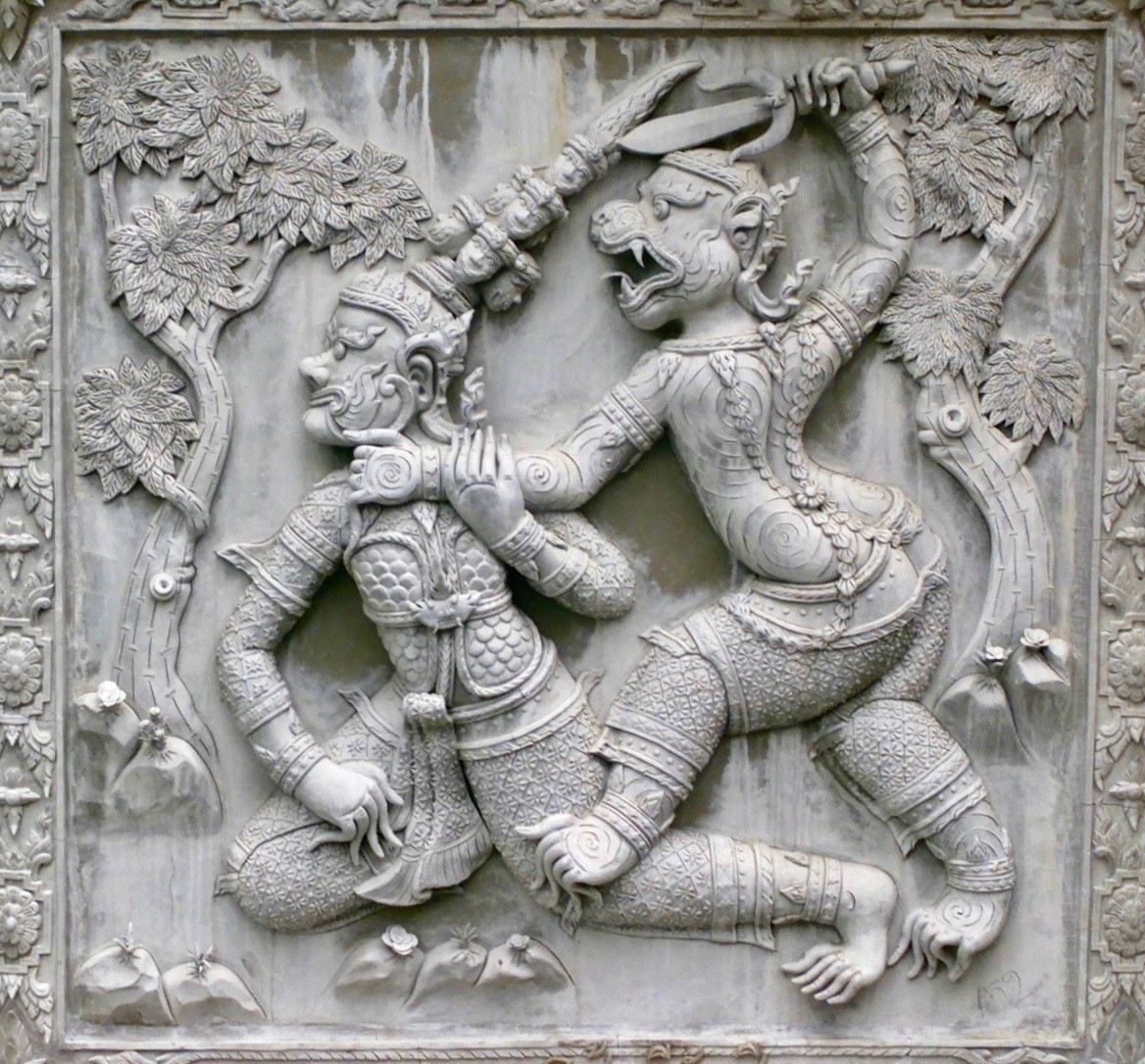
Here is some art that was in a Thai temple. I really like the depiction of the characters.
Related Posts
Thailand Buddha
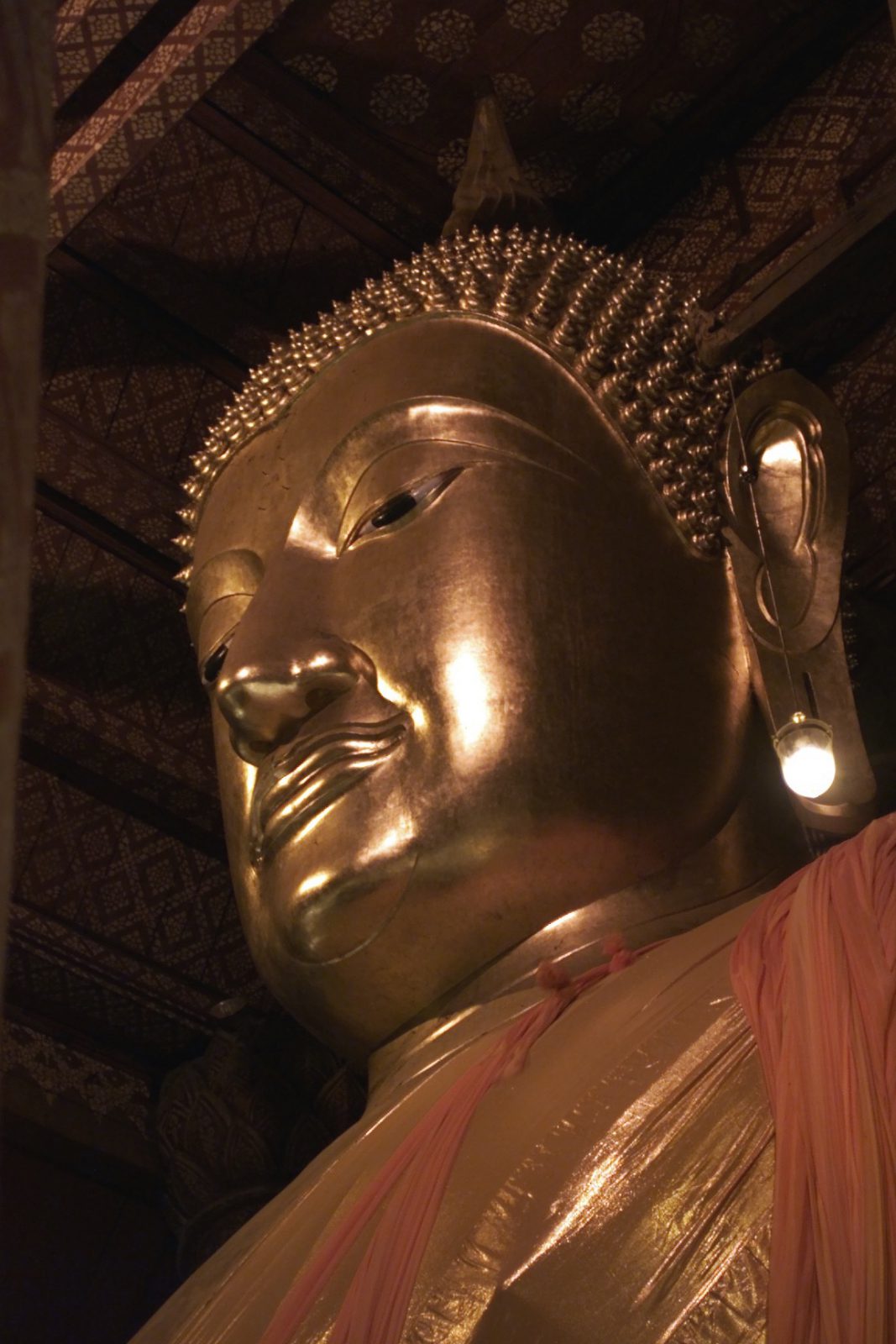
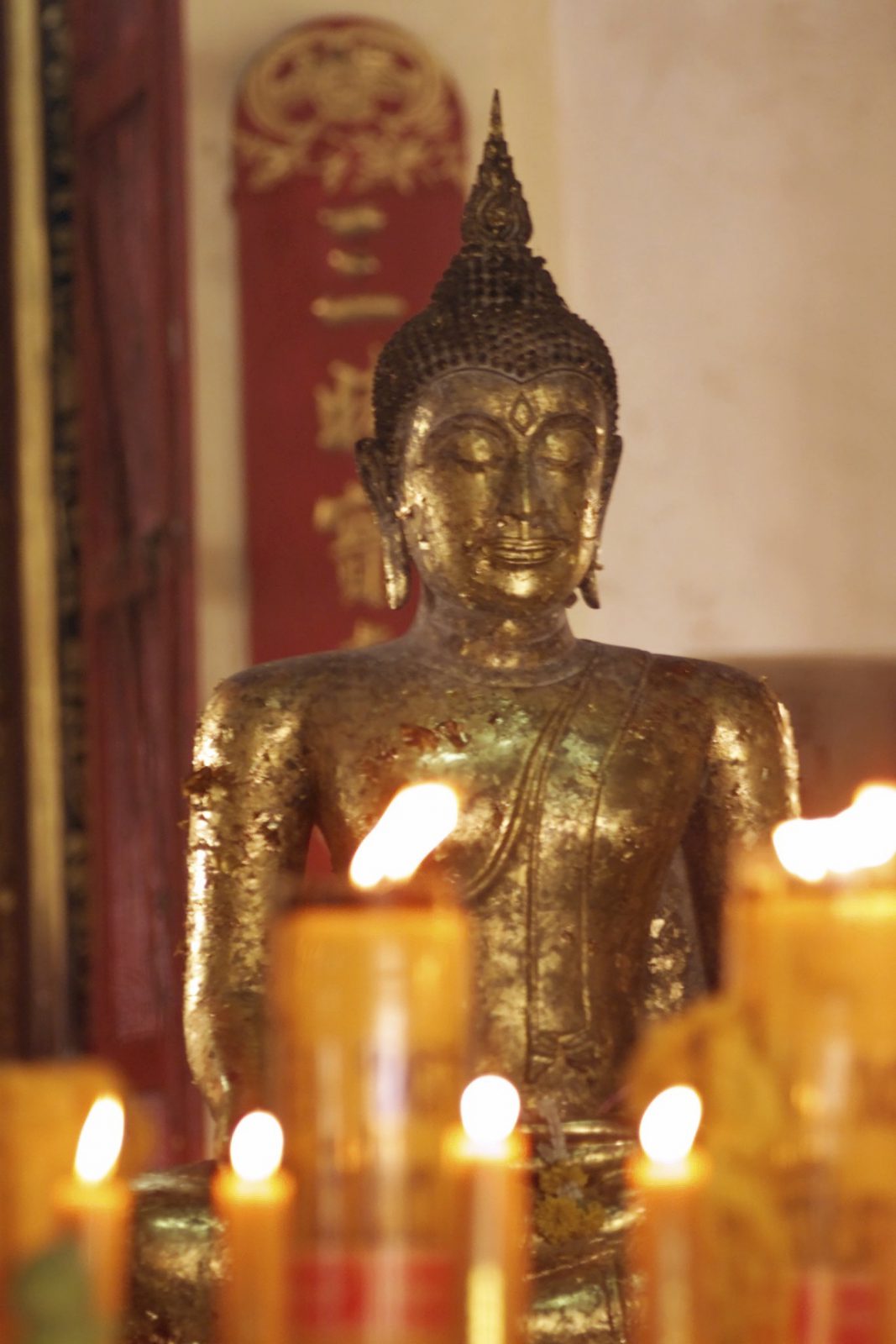
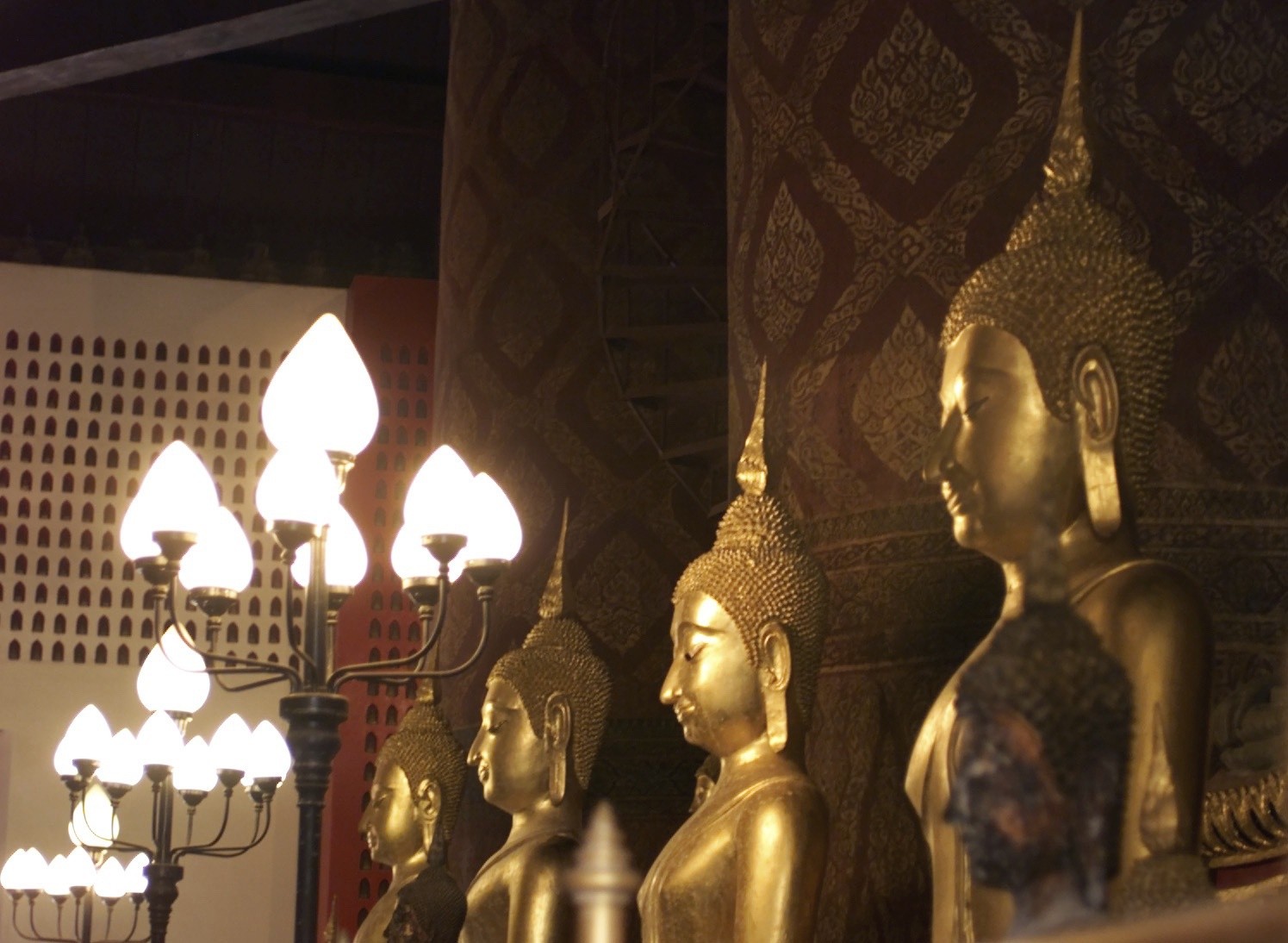
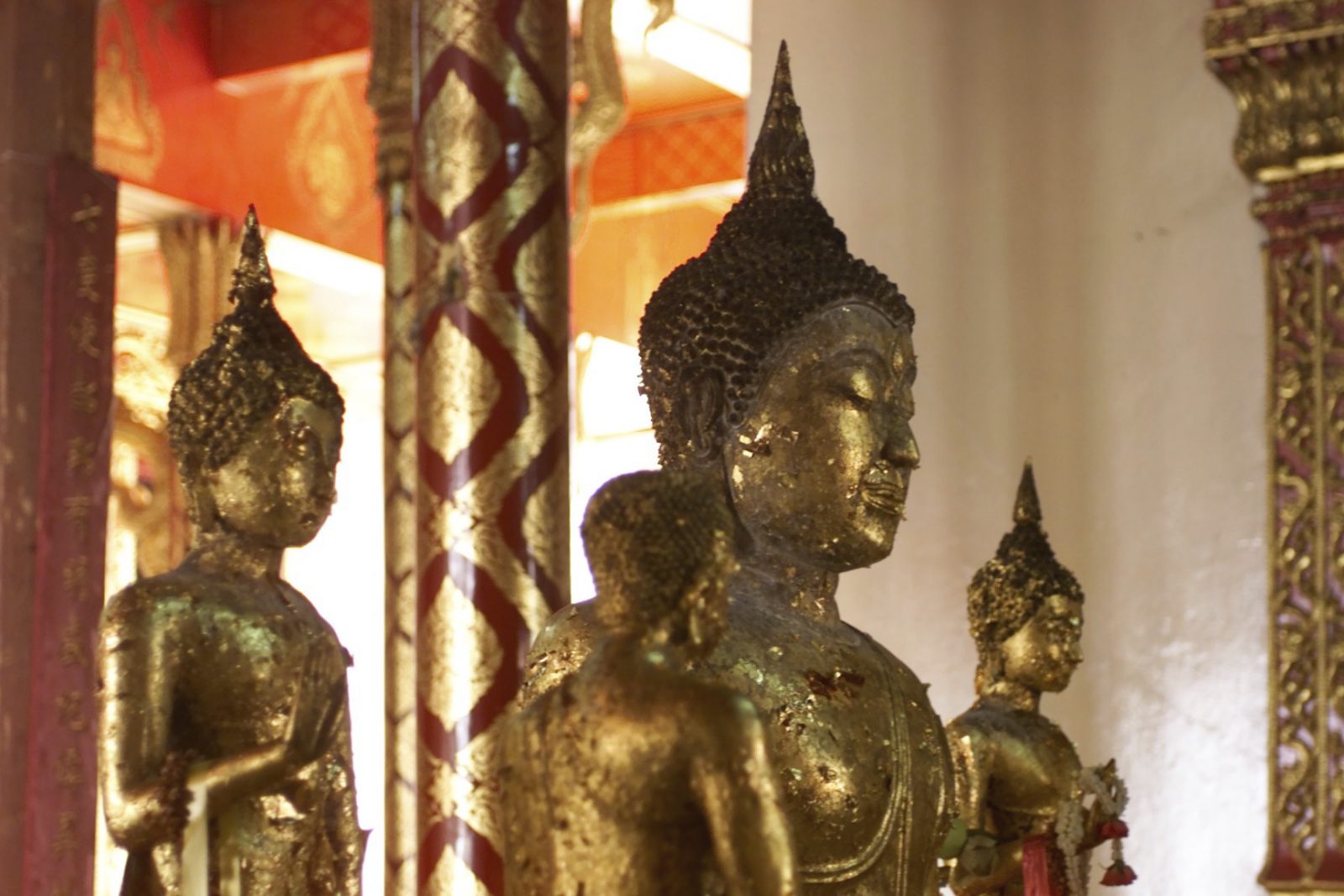
Here are some different photos of Buddha statues in Thailand. What is real interesting is the differences between the buddha in Japan and the Buddha in Thailand.
Related Posts
Bellows Air Force Station
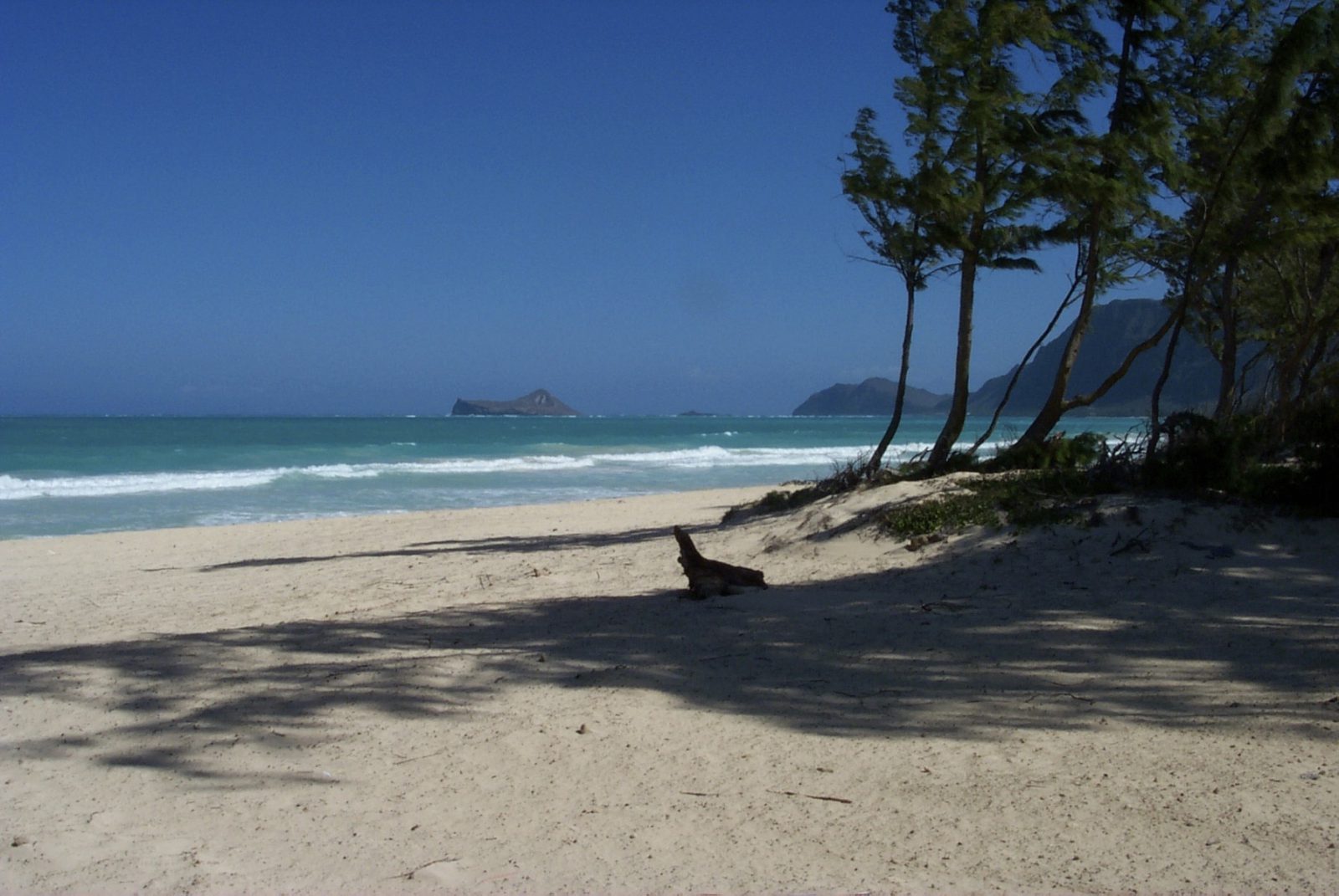
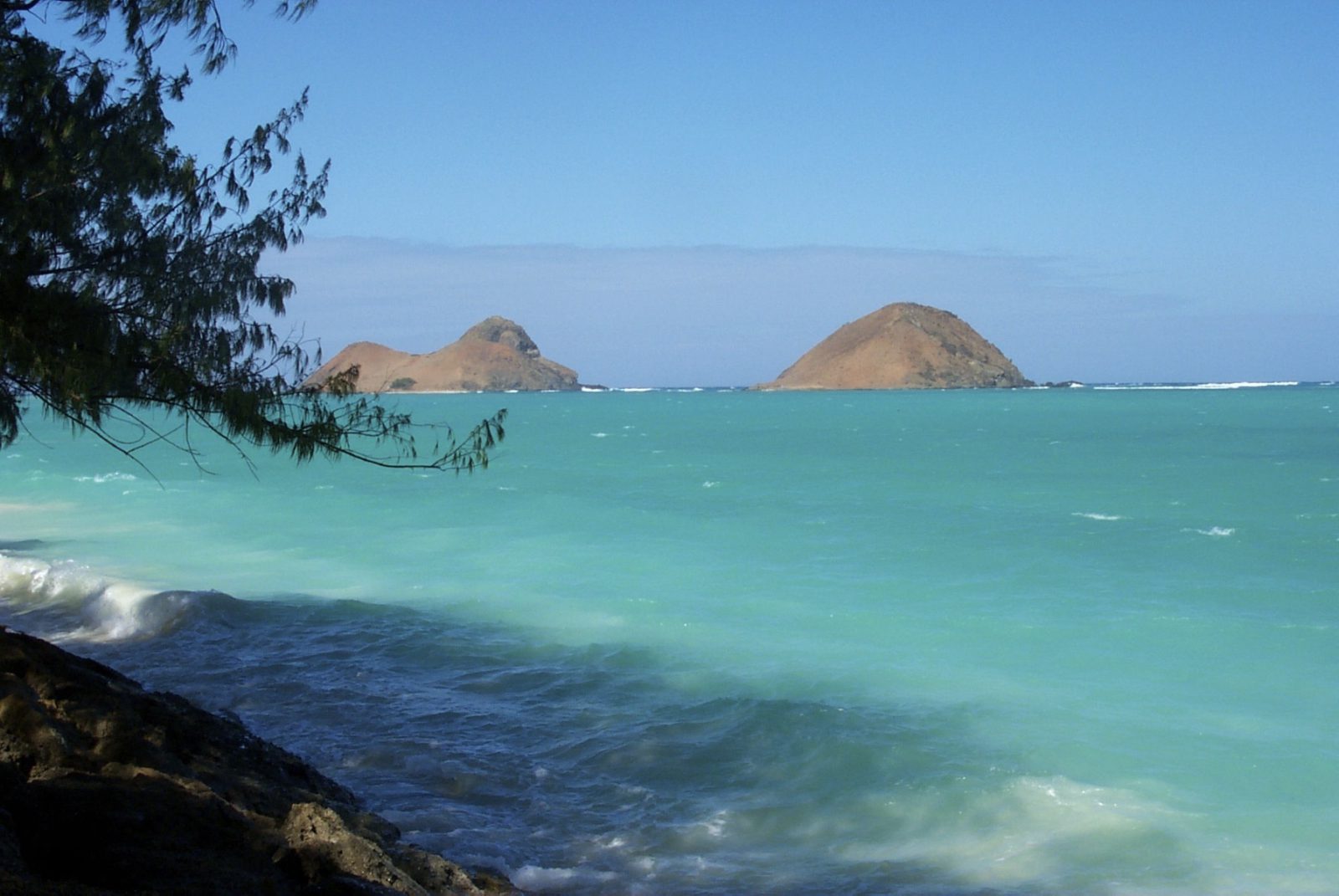
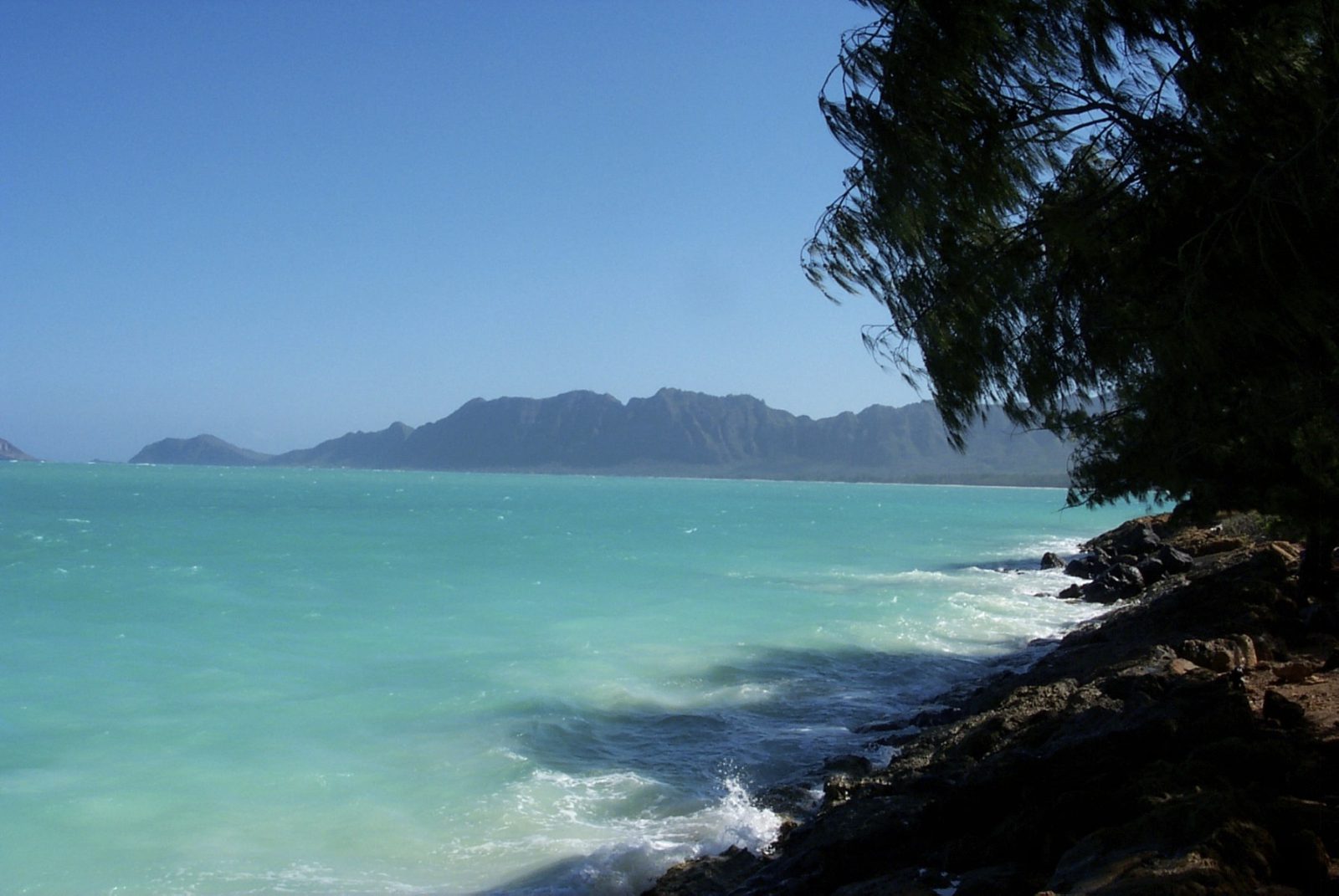
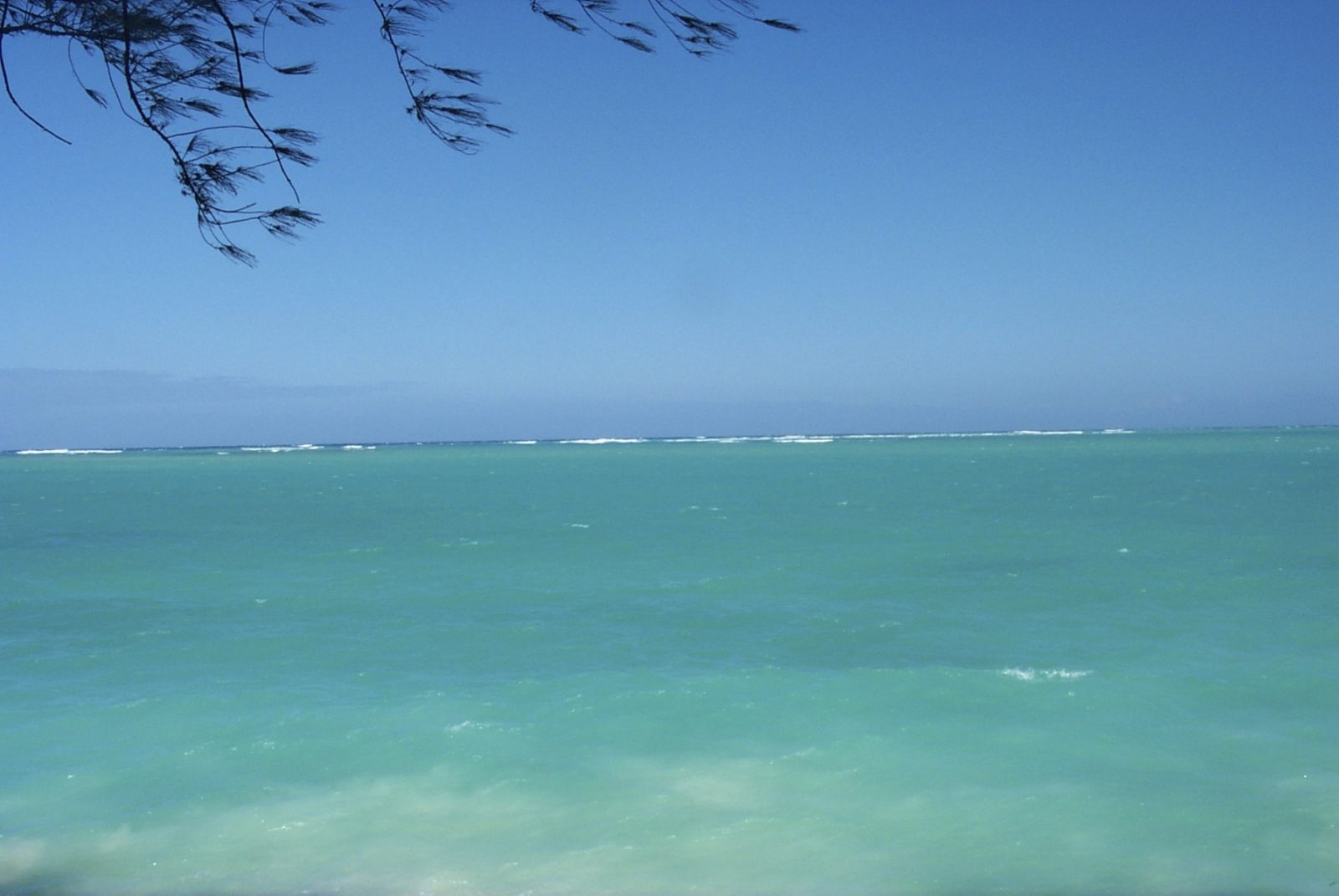
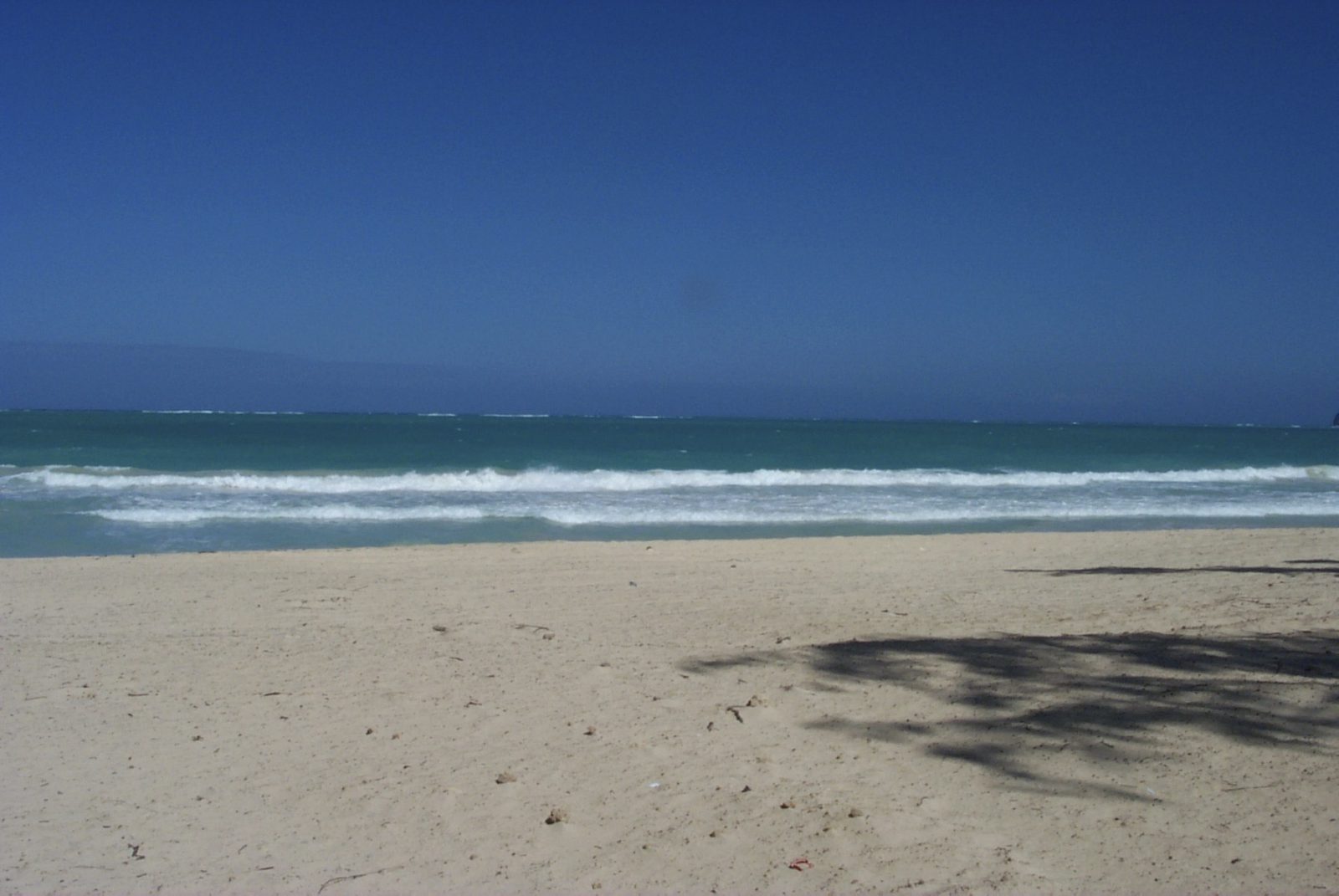
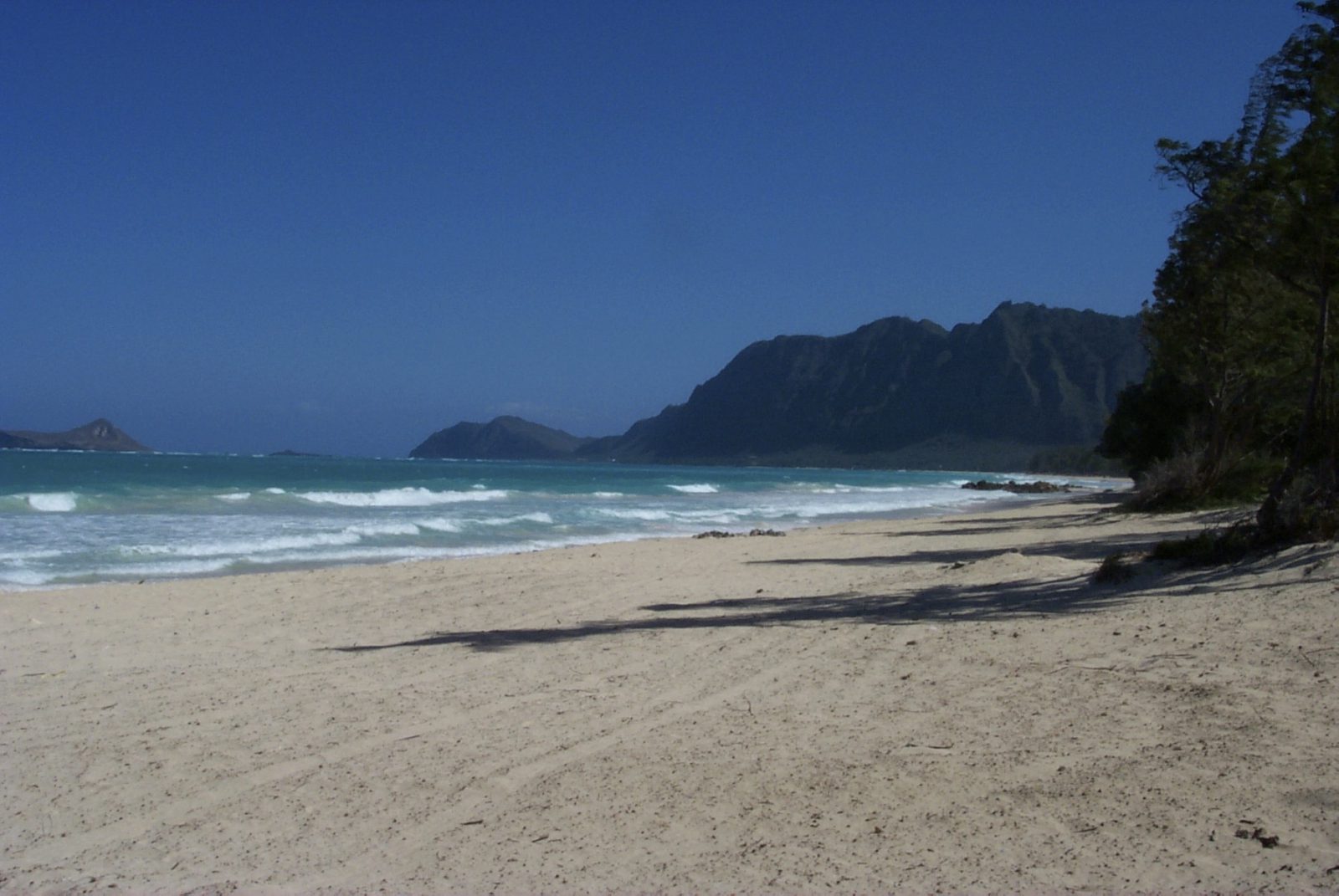
Bellows Air Force Station is one of my favorite beaches on the island of Oahu in Hawaii. If you want to go body boarding or just spend the day at the beach, this is a nice perfect sandy beach to do so.
Related Posts
Destroyed Bayji Bridges in Iraq
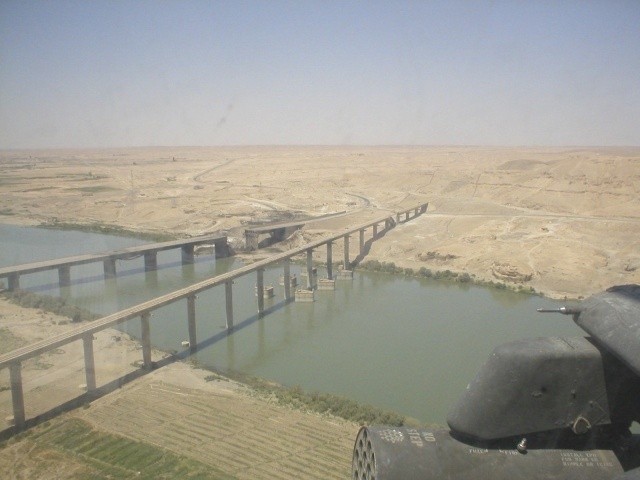
Arial view from an attack helicopter of the destroyed Bayji bridges in Iraq.
Related Posts
Bazaar in Iraq
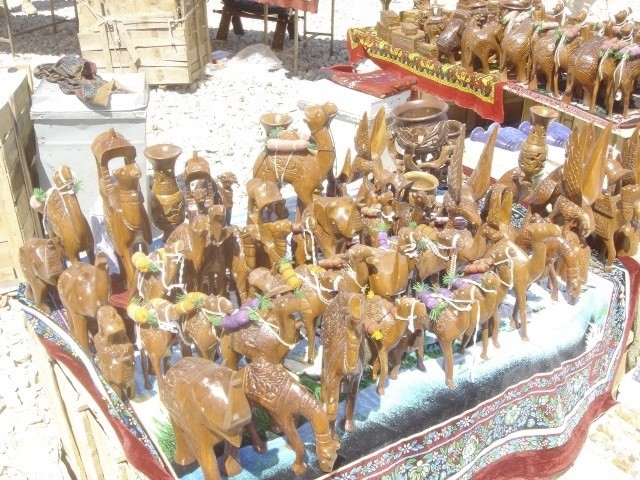
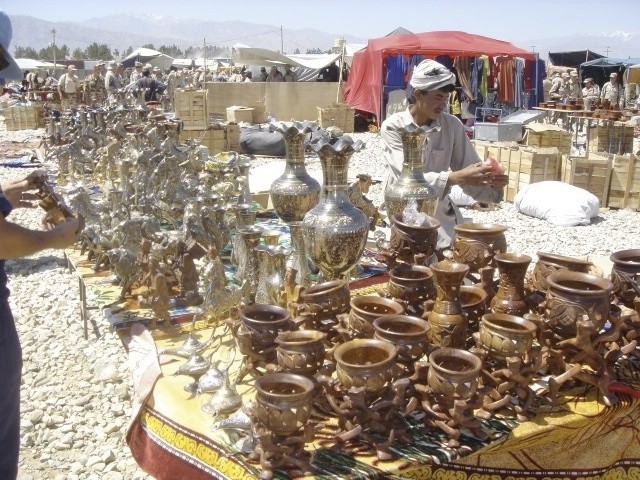
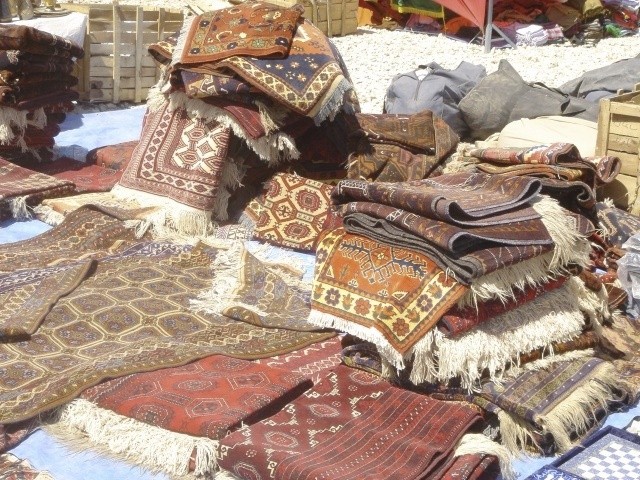
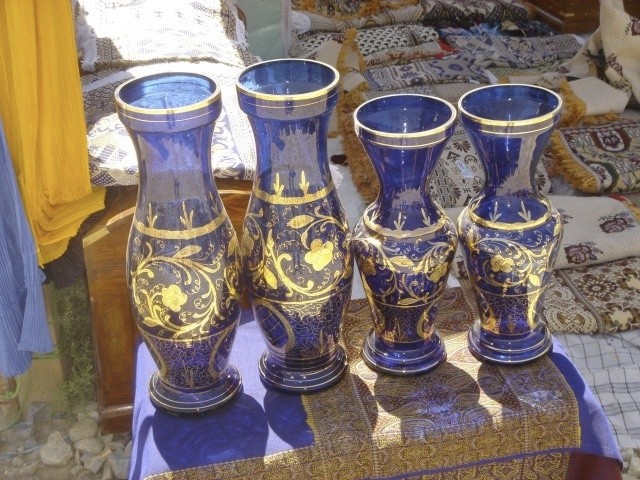
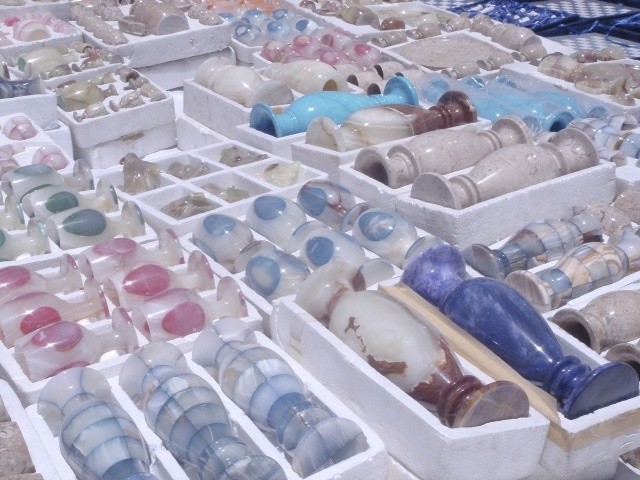
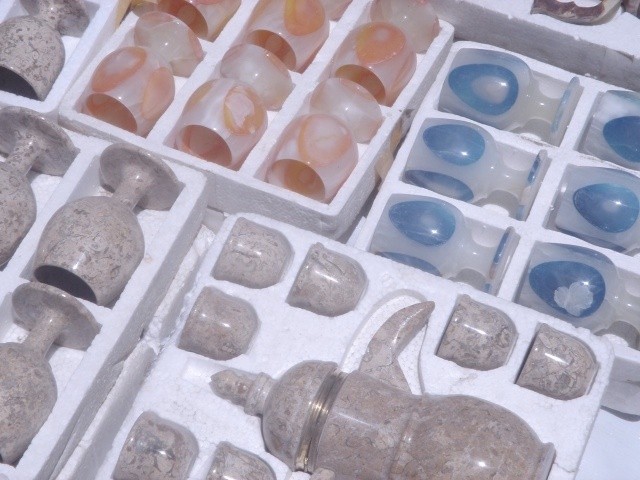
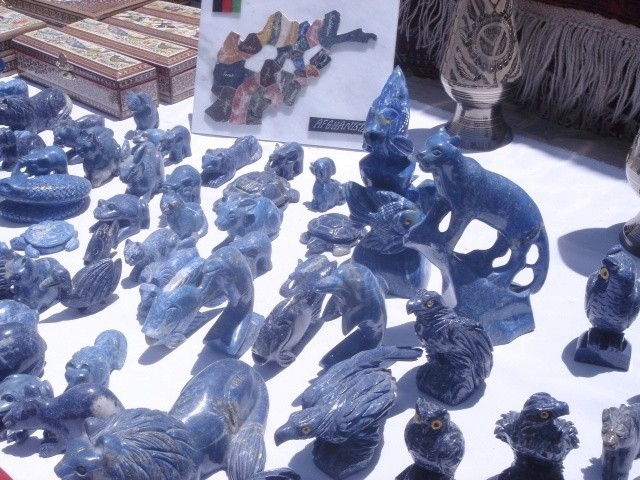
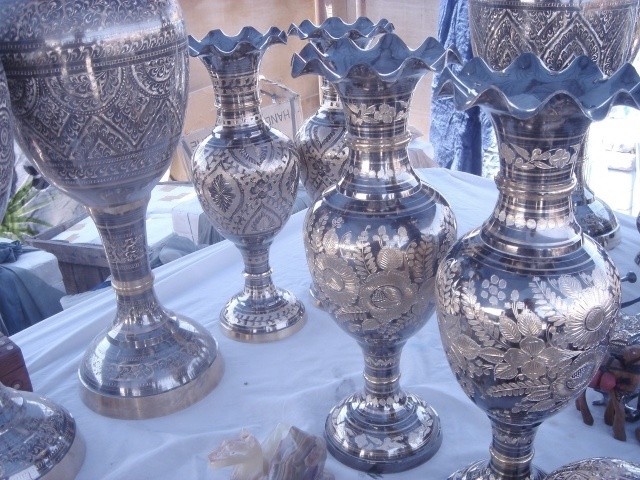
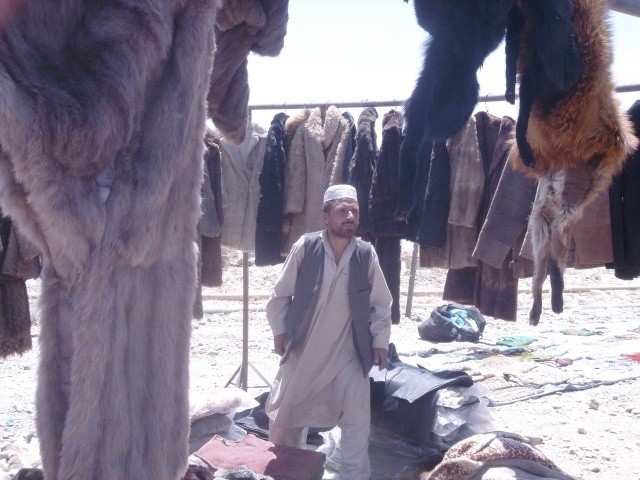
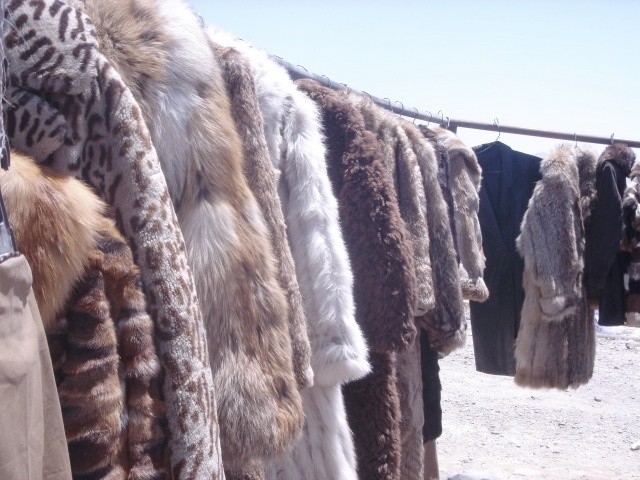
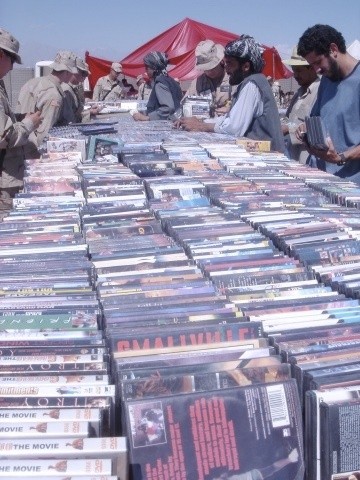
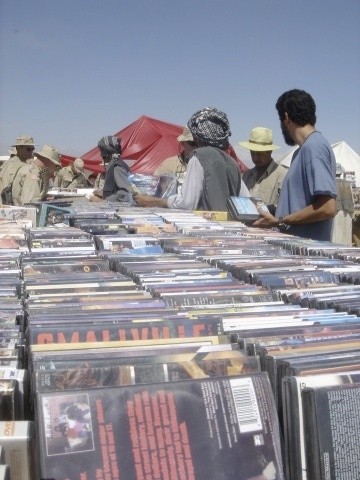
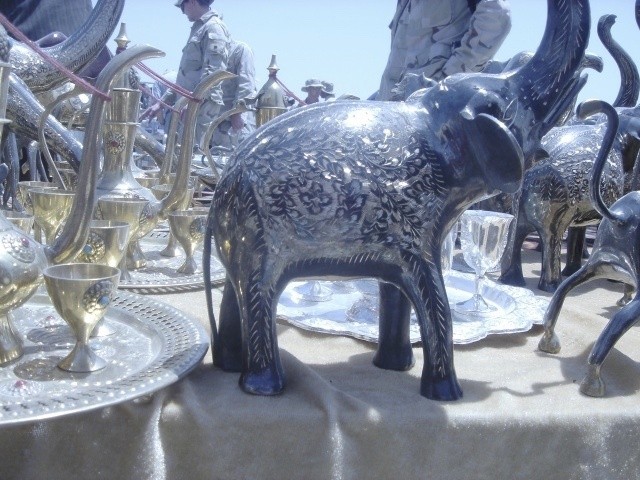
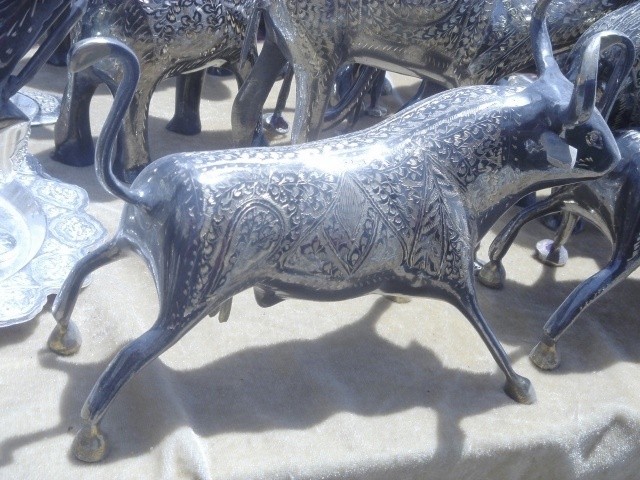
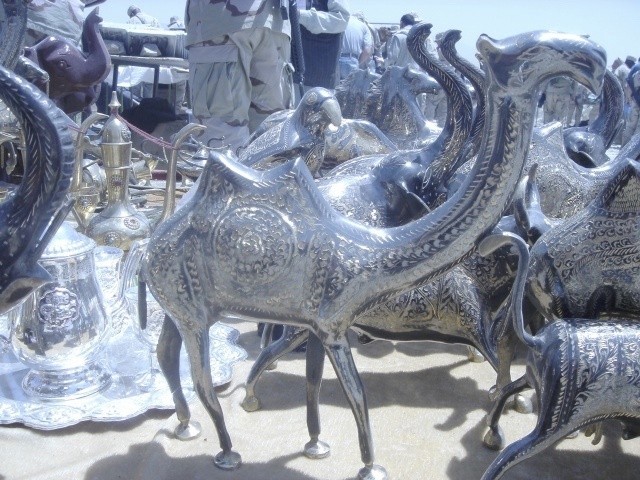


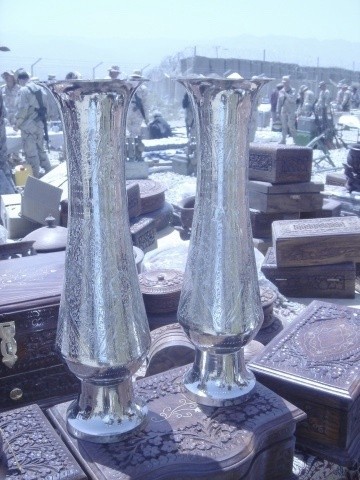
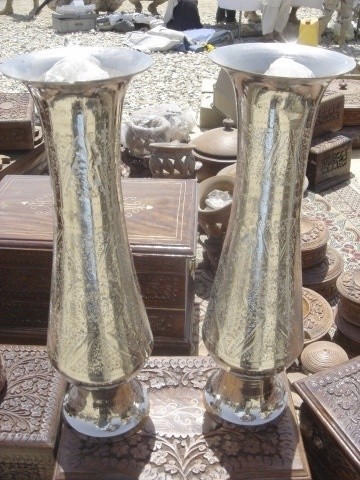

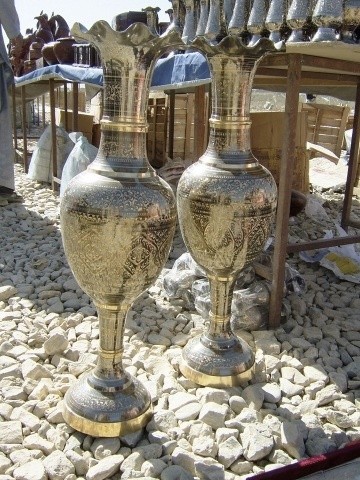
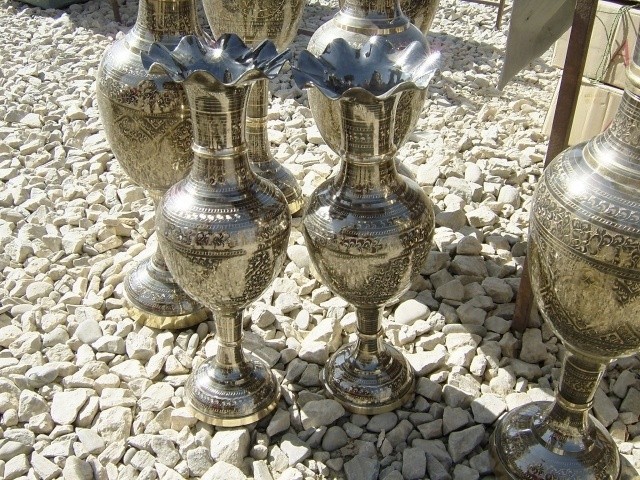
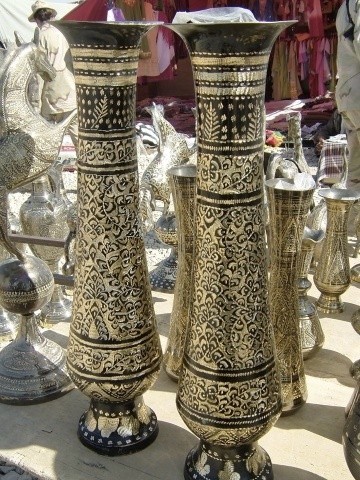
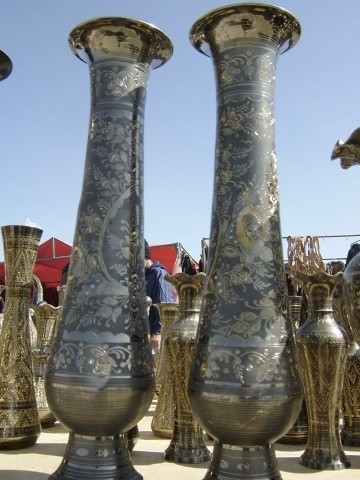
Here are some photos of a bazaar in Iraq. It shows some of the stuff that was being bartered.
Related Posts
Arial View of Baghdad, Iraq
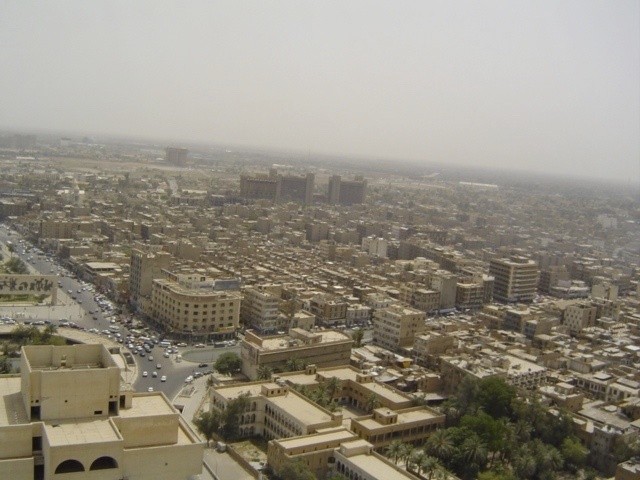
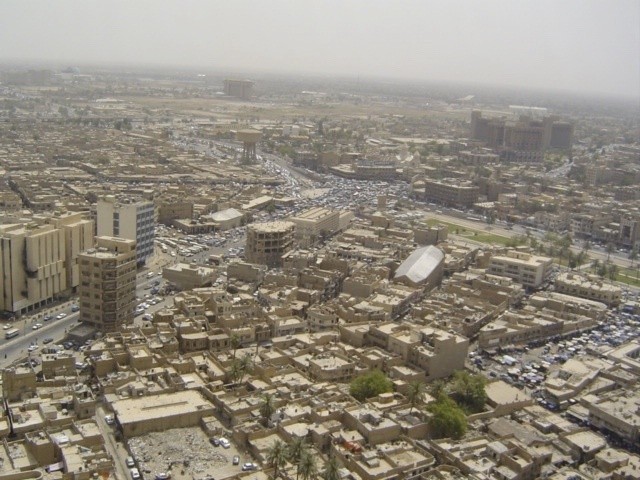
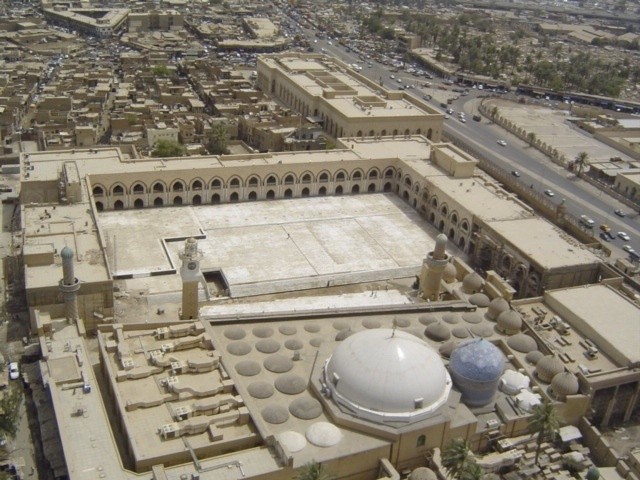
Here are a couple arial view photos of Baghdad and one of a palace in Iraq.
Related Posts
Sights Around Enoshima
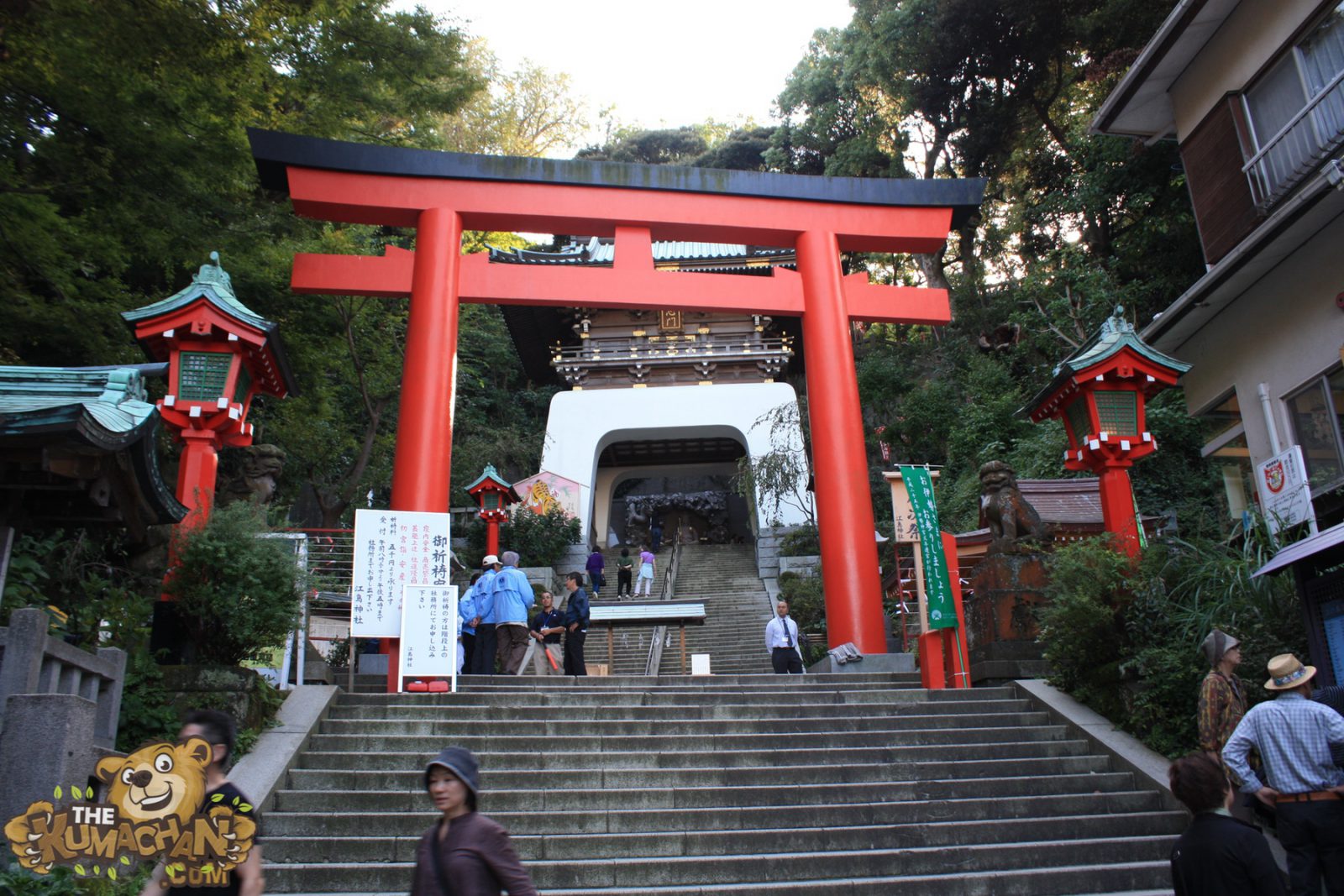
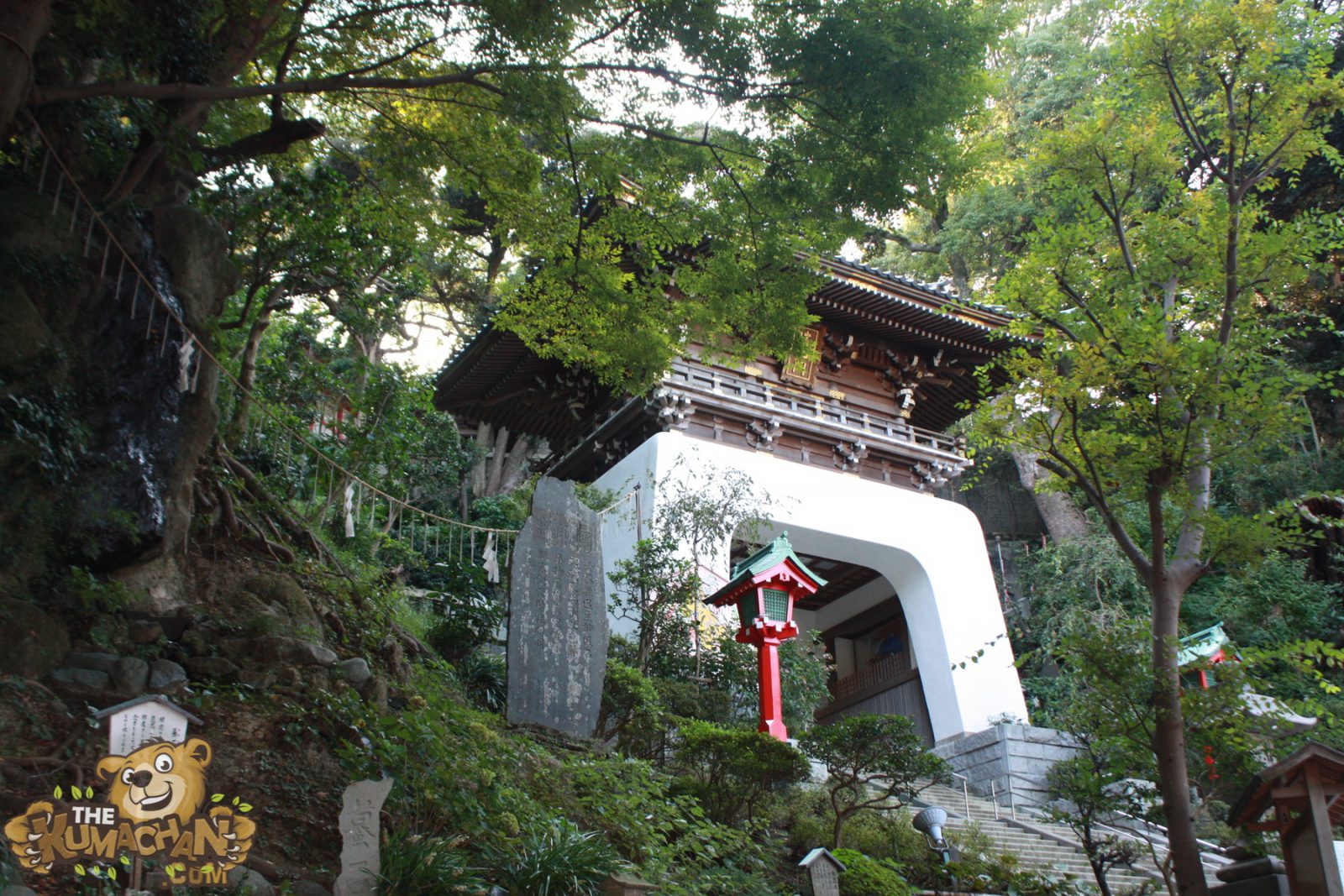
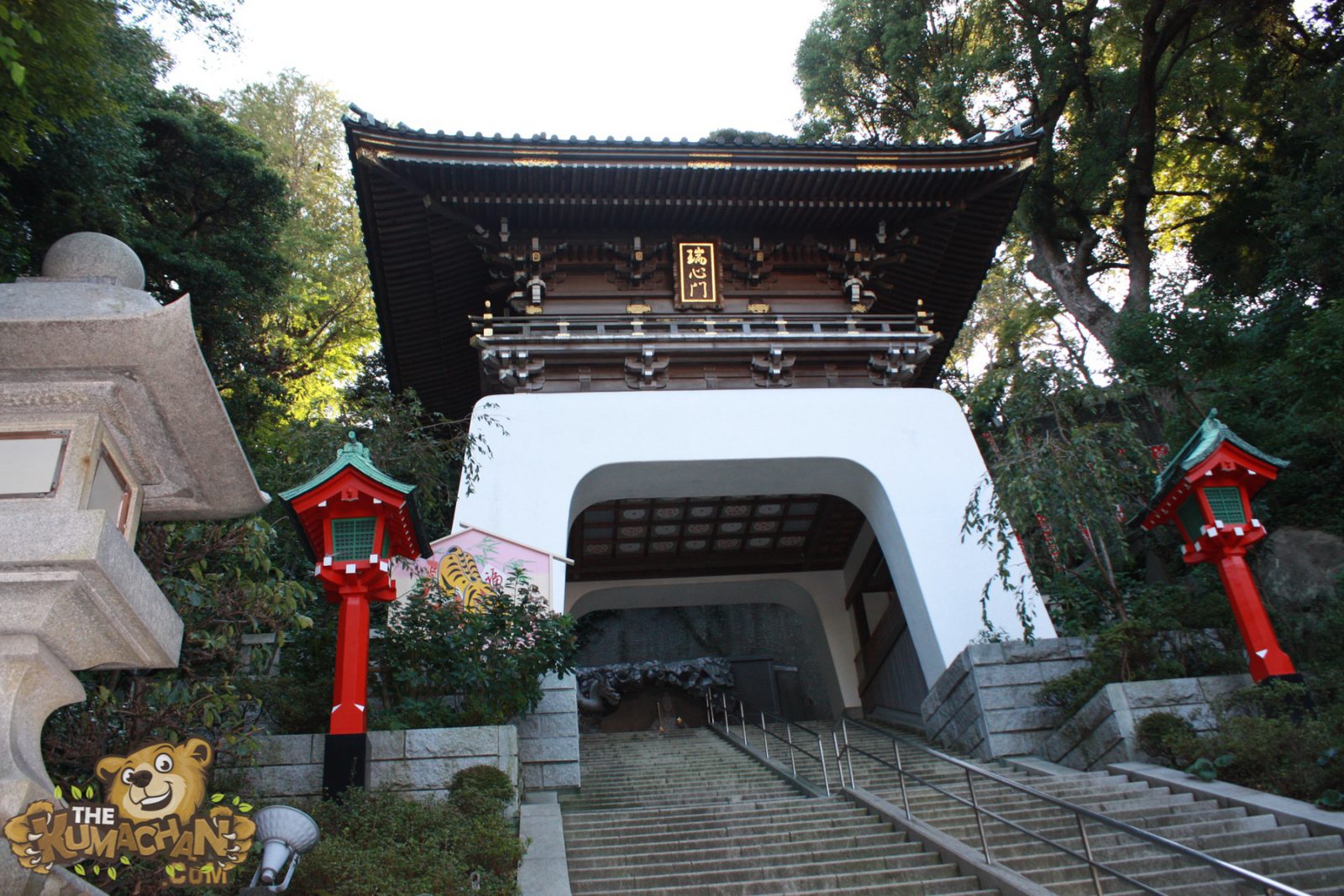
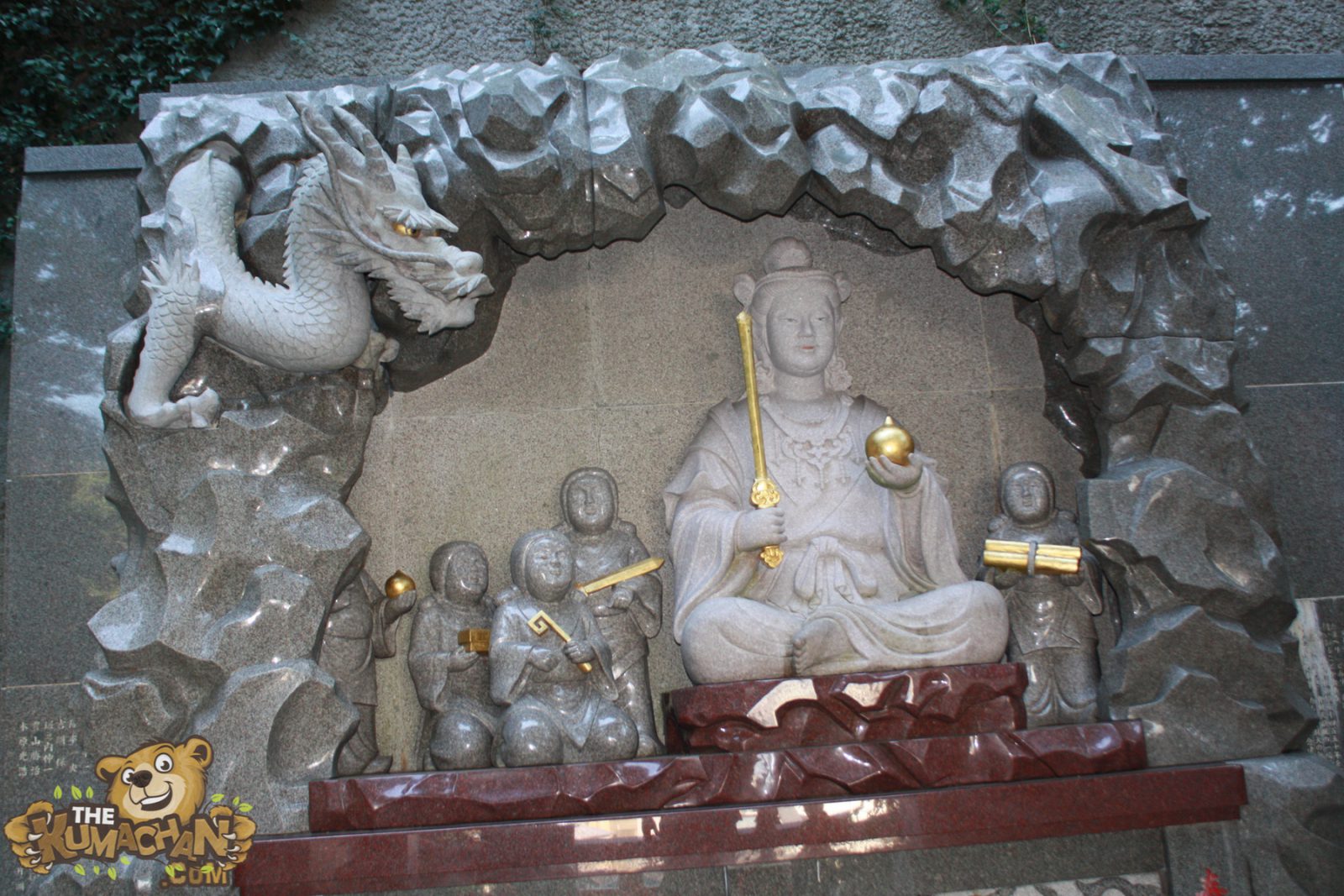
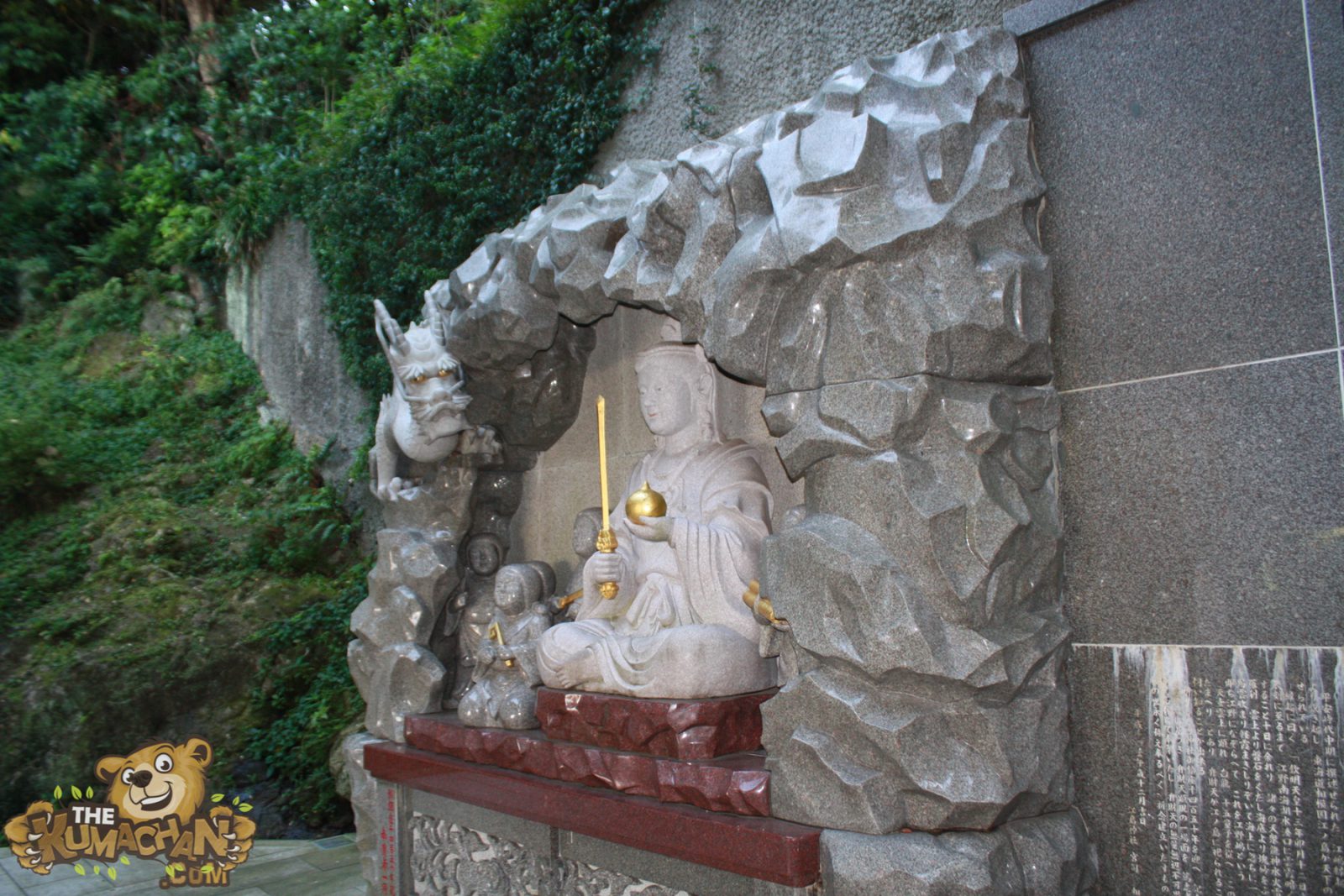
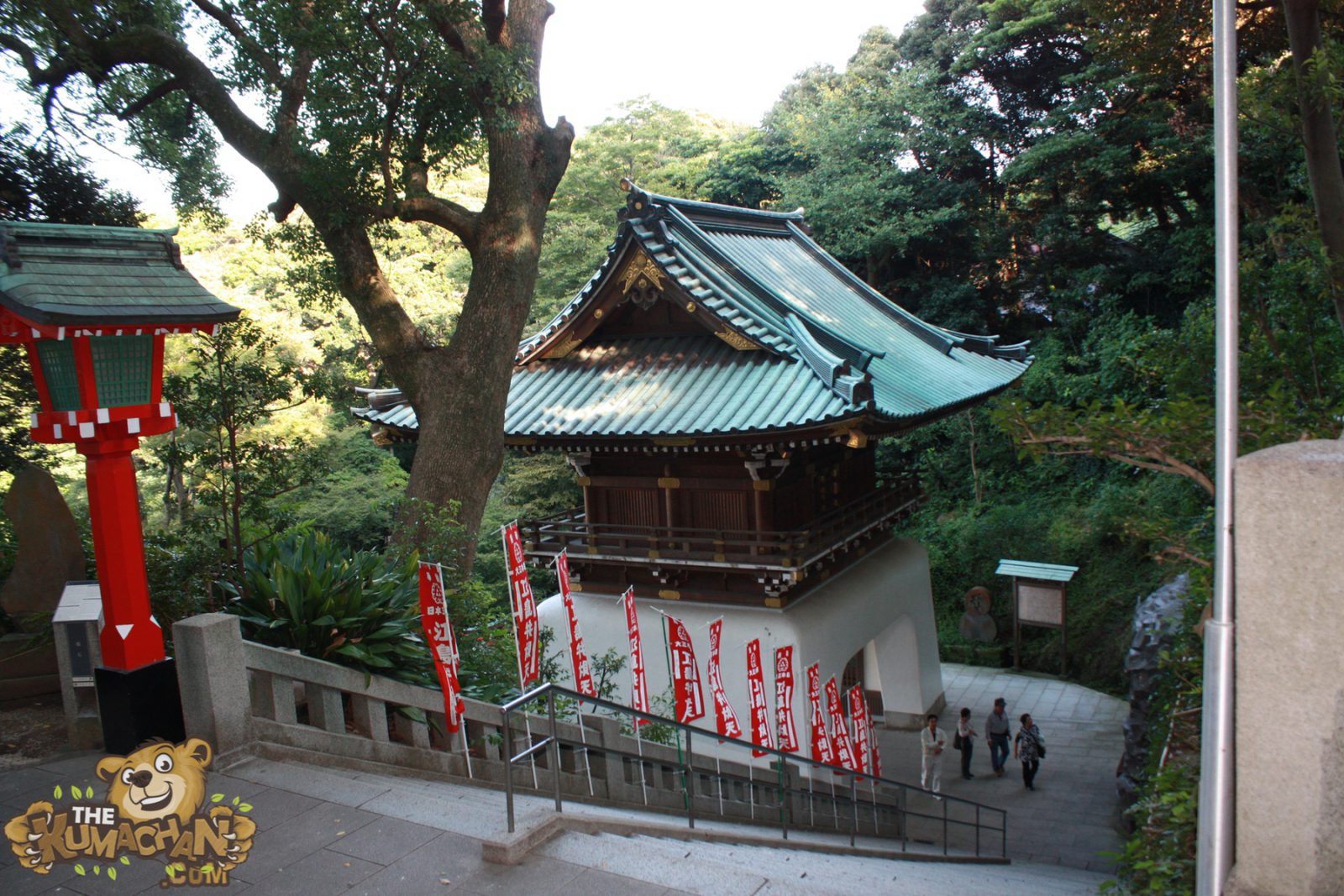
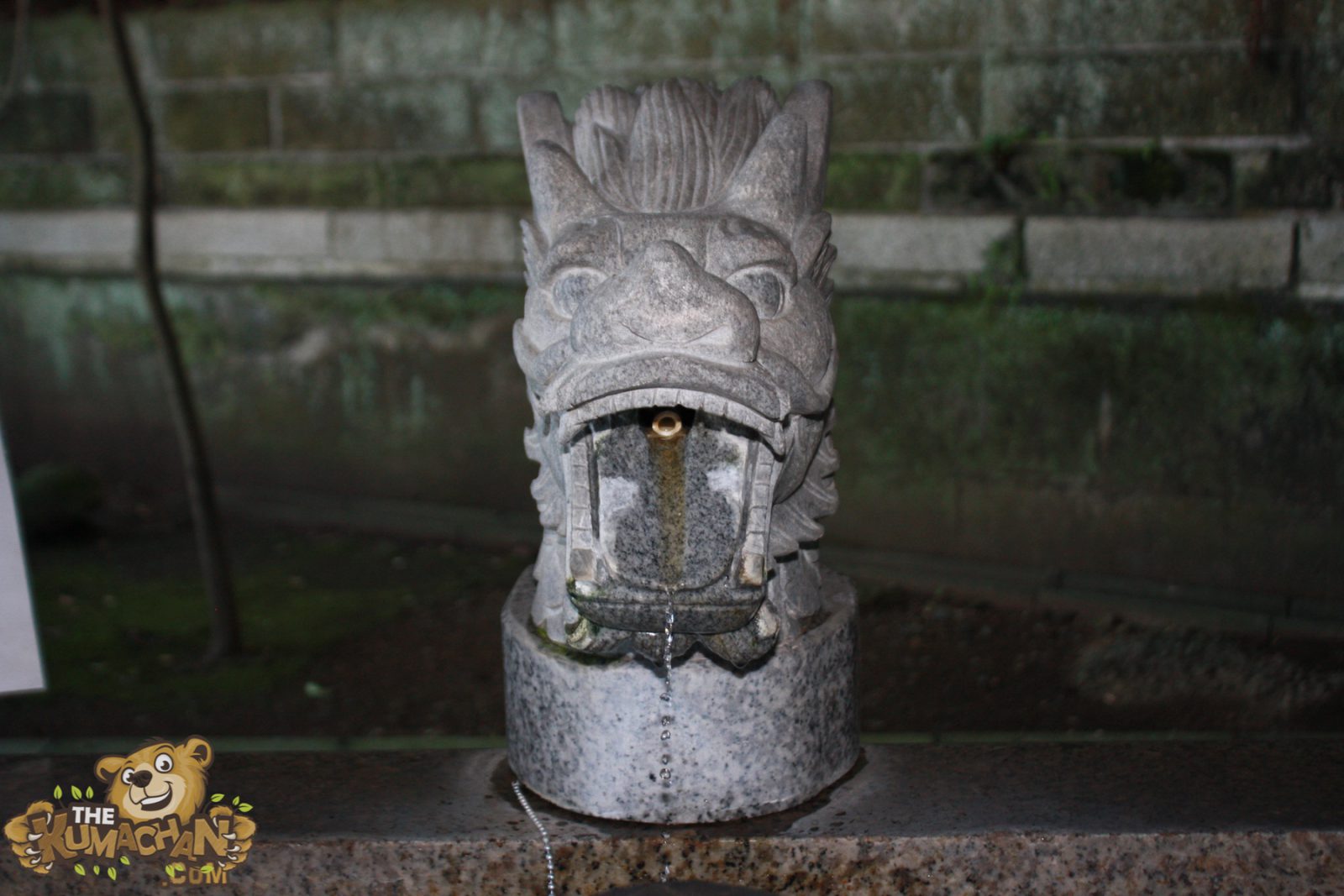
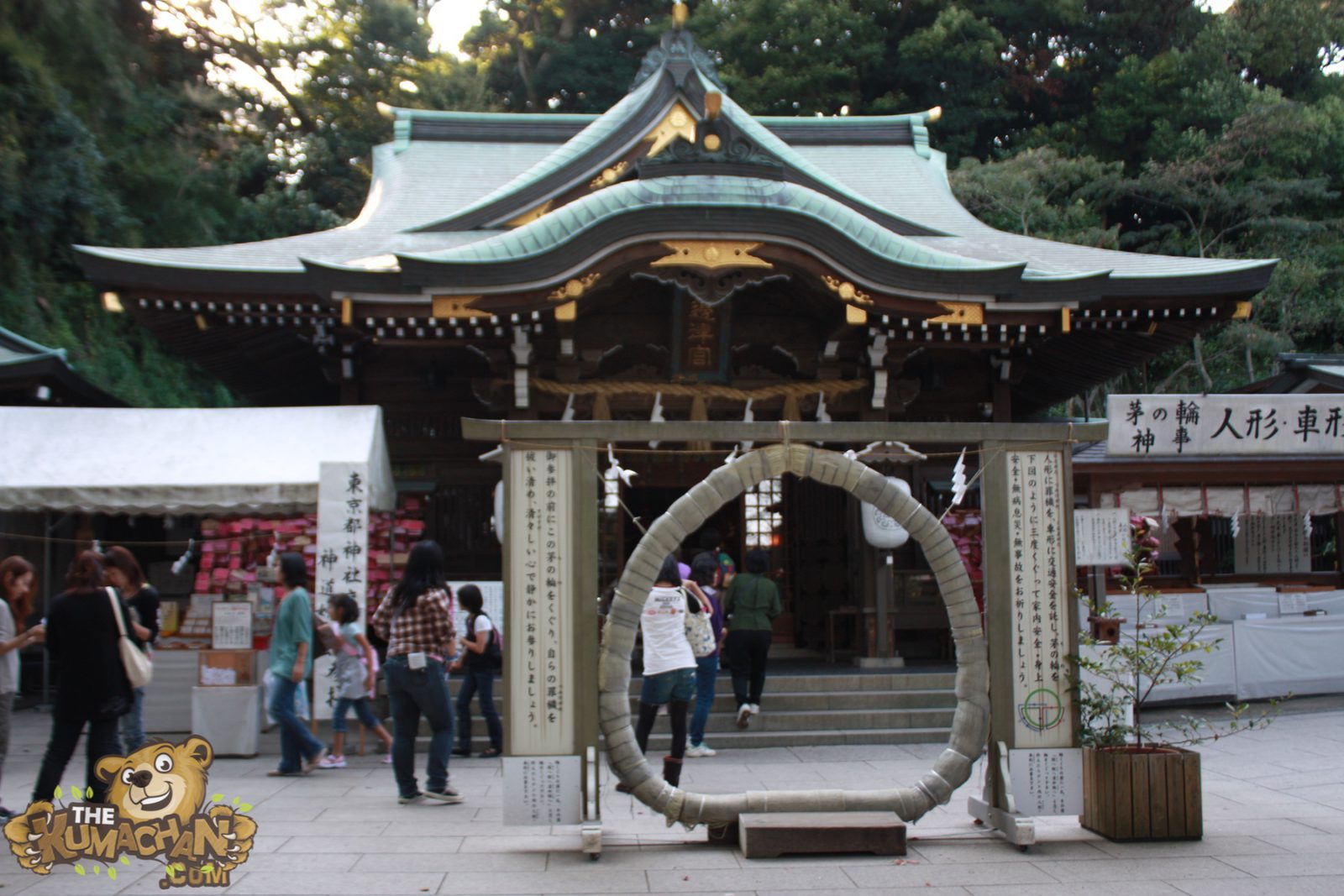
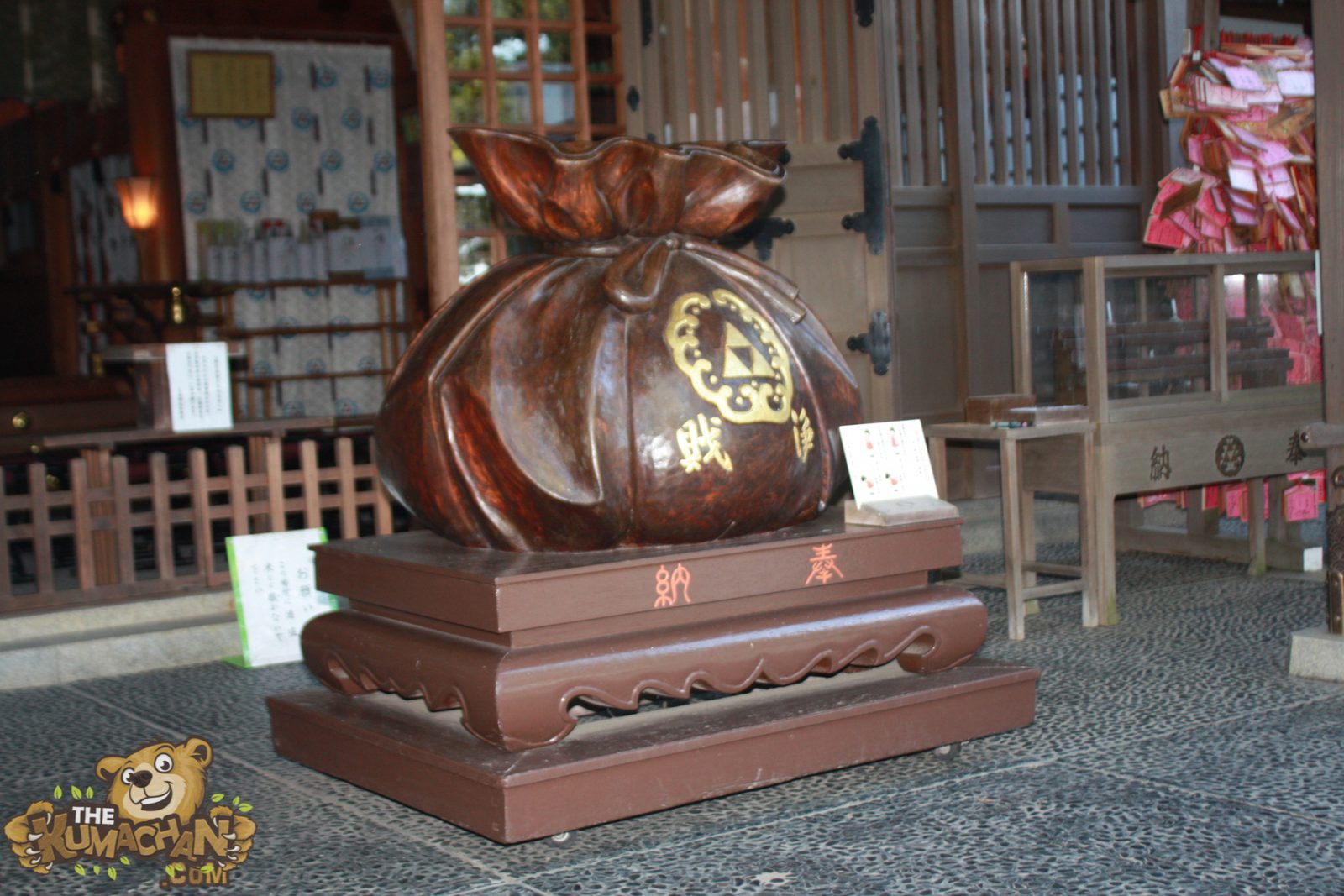
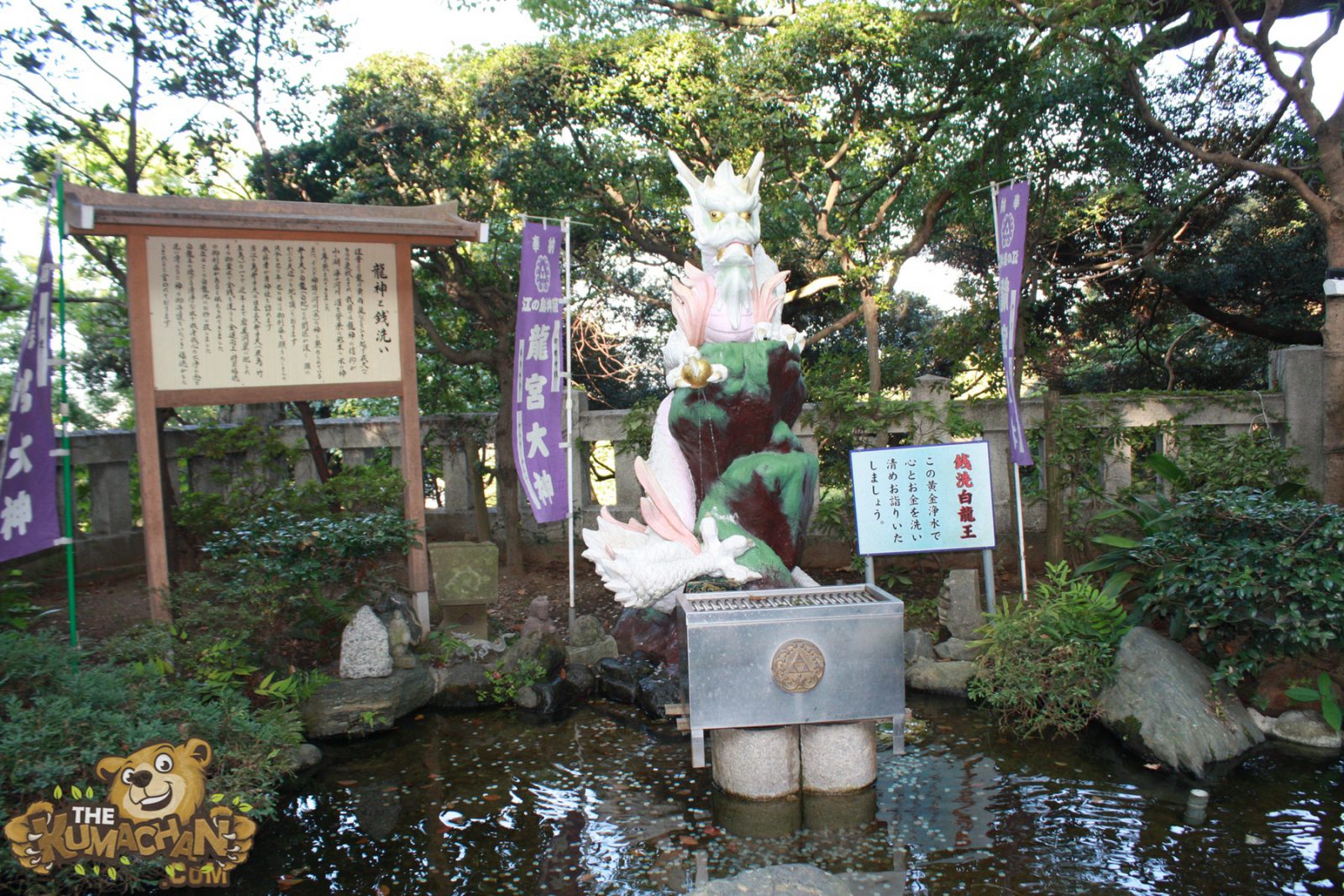
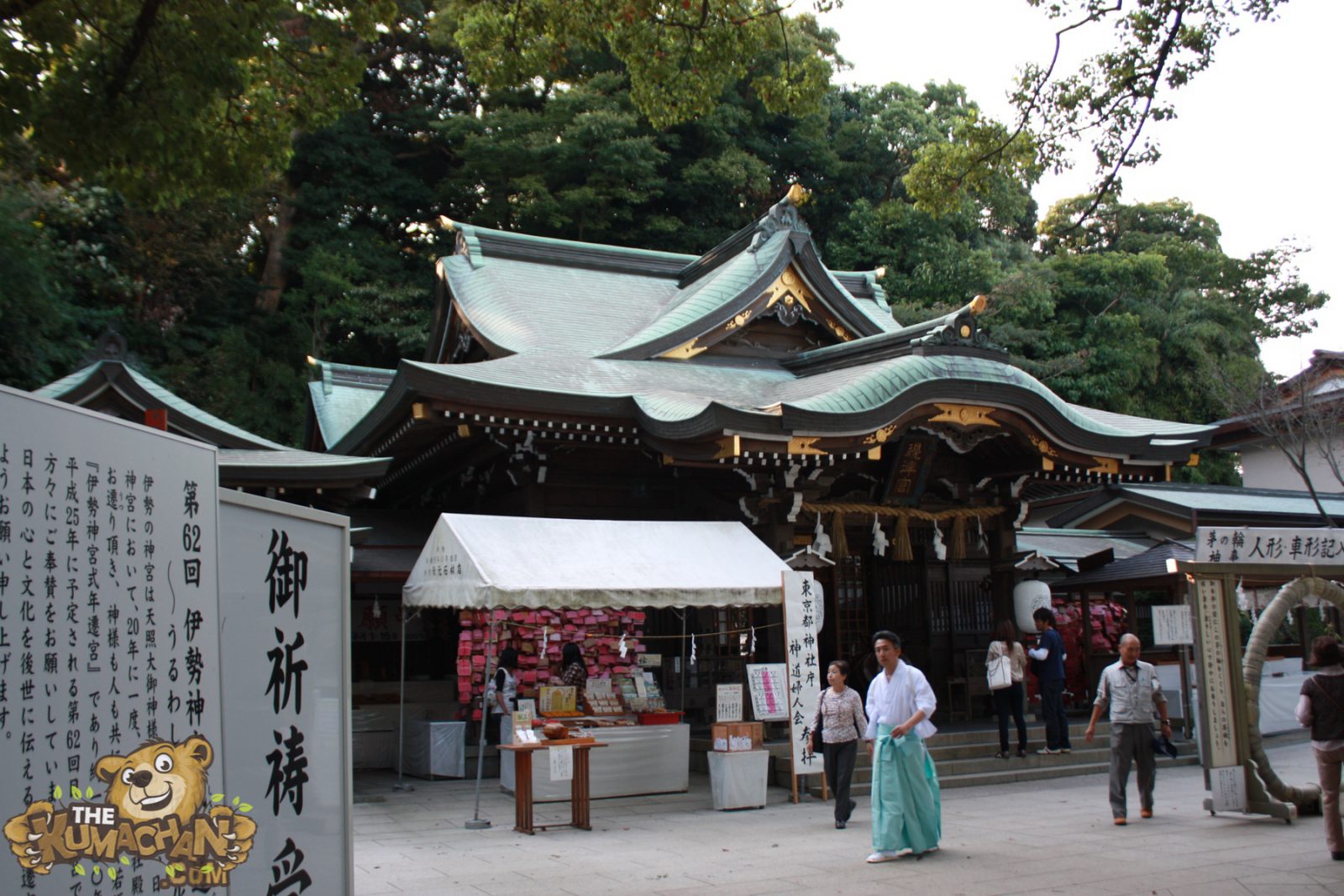
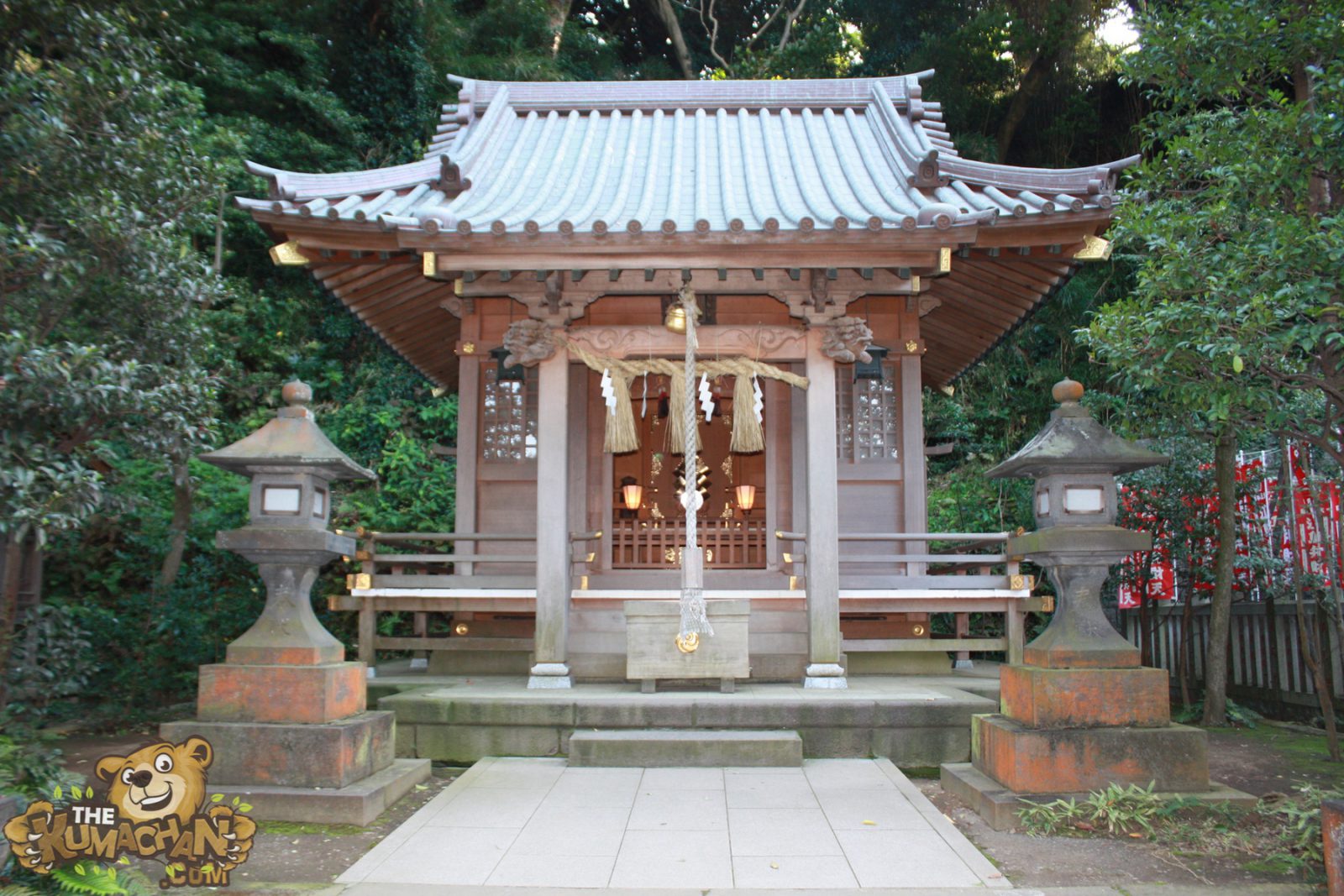
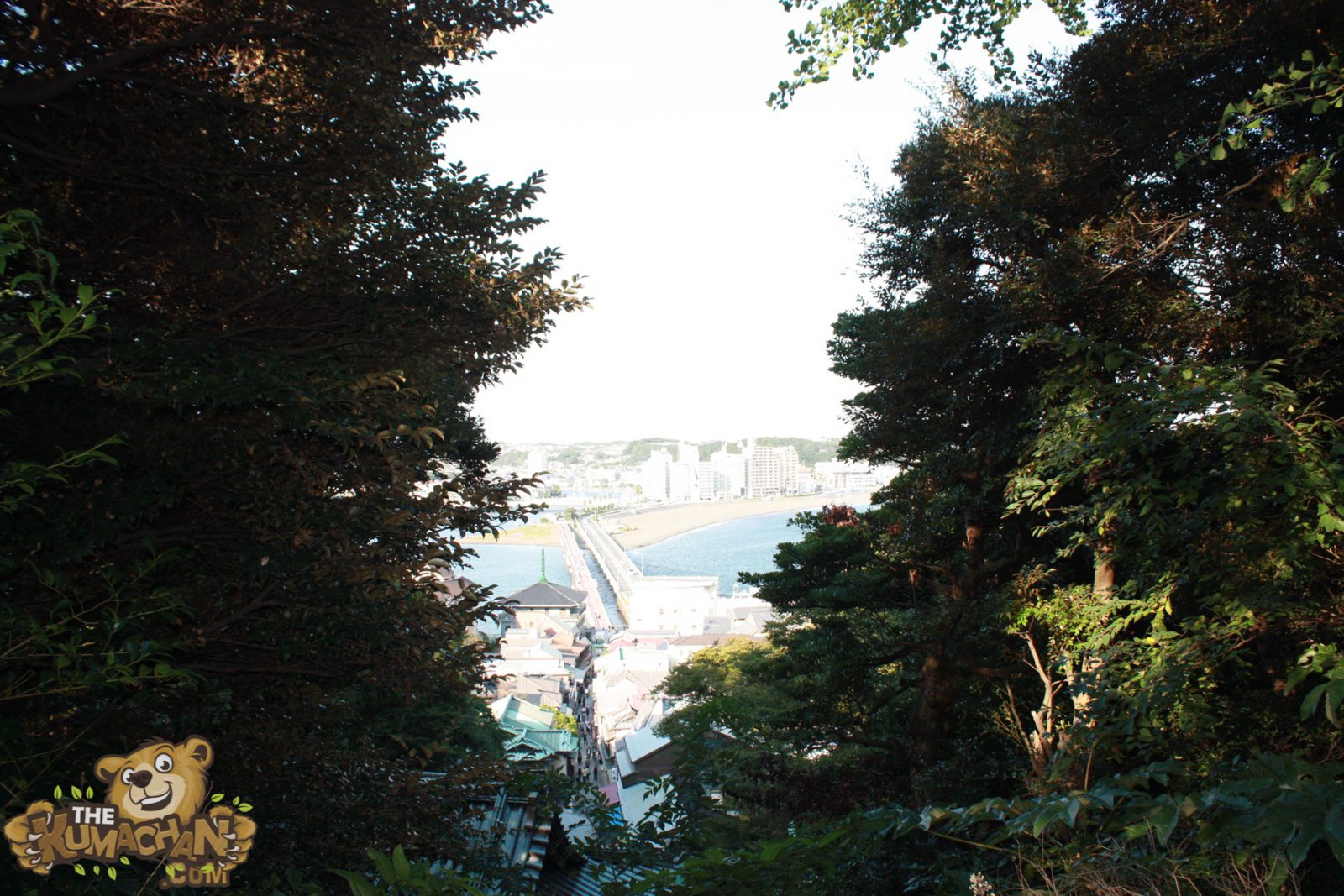
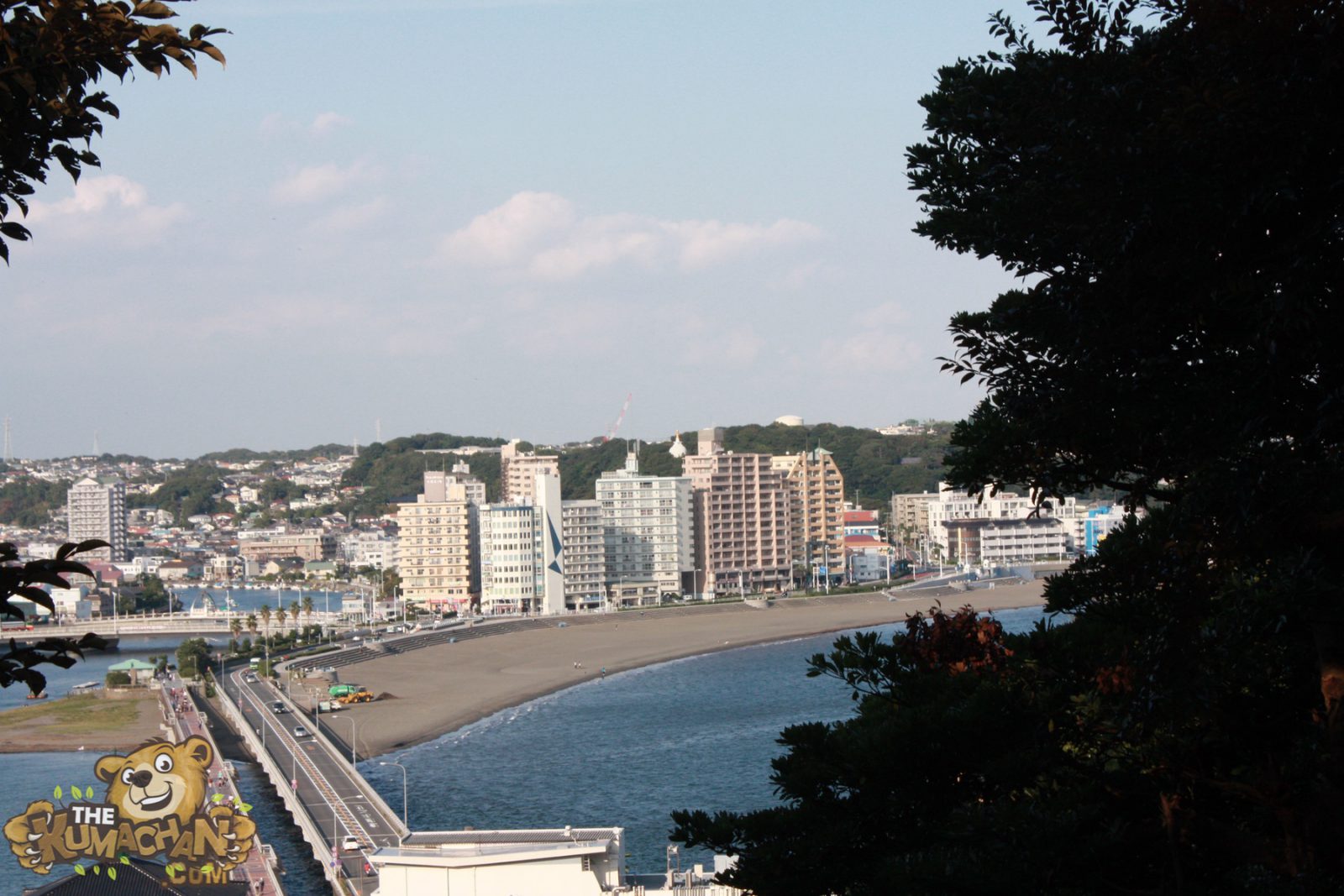
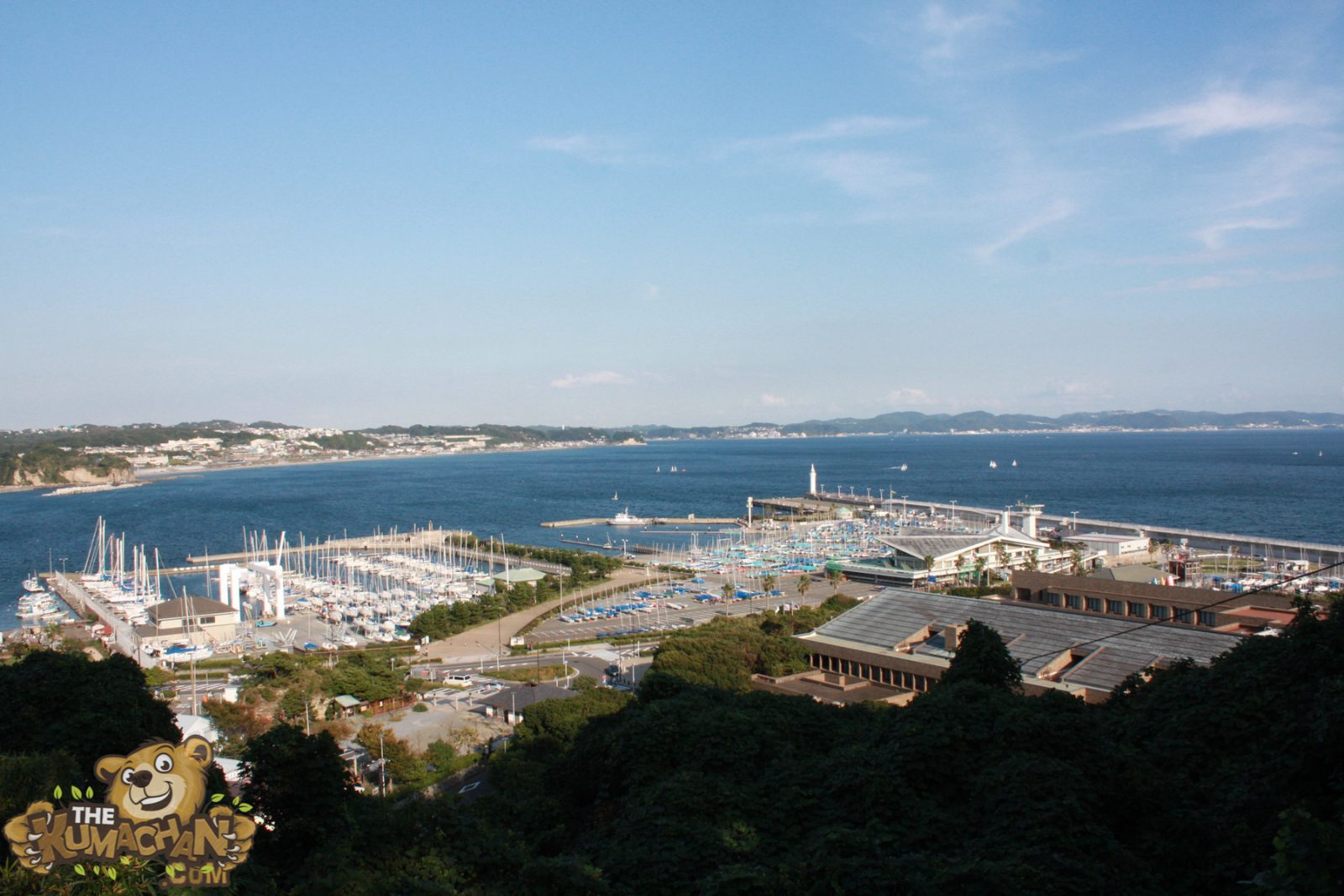
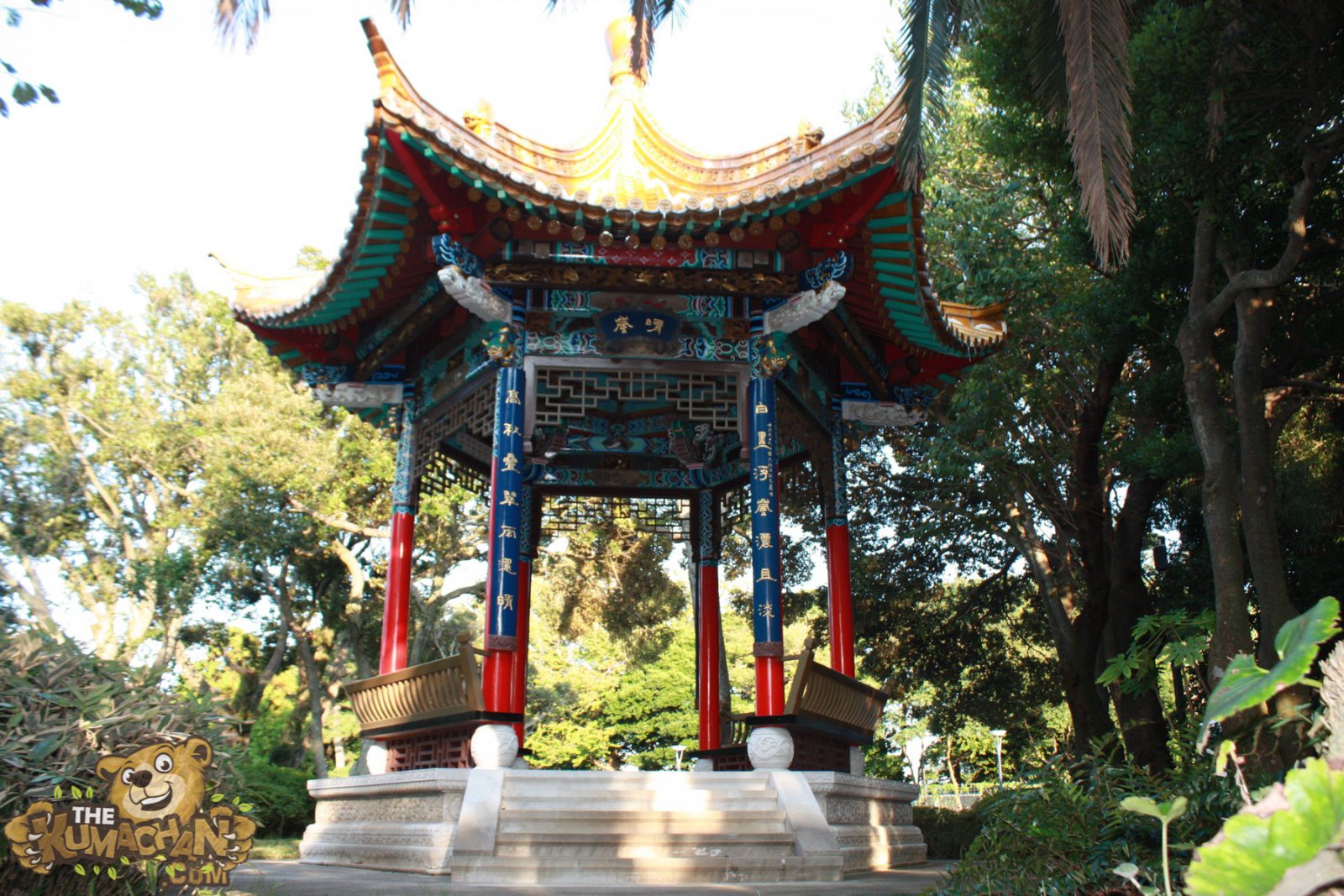
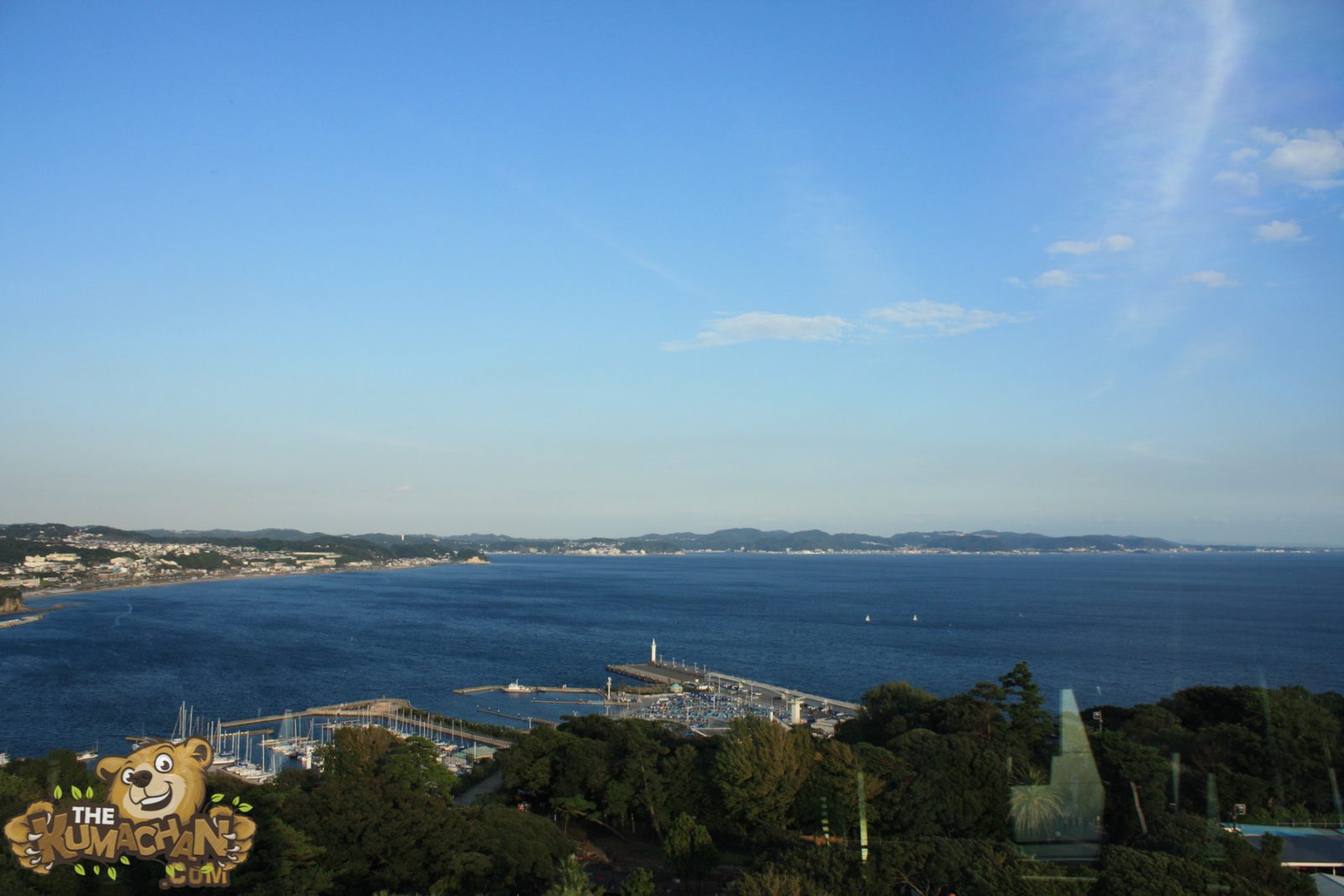
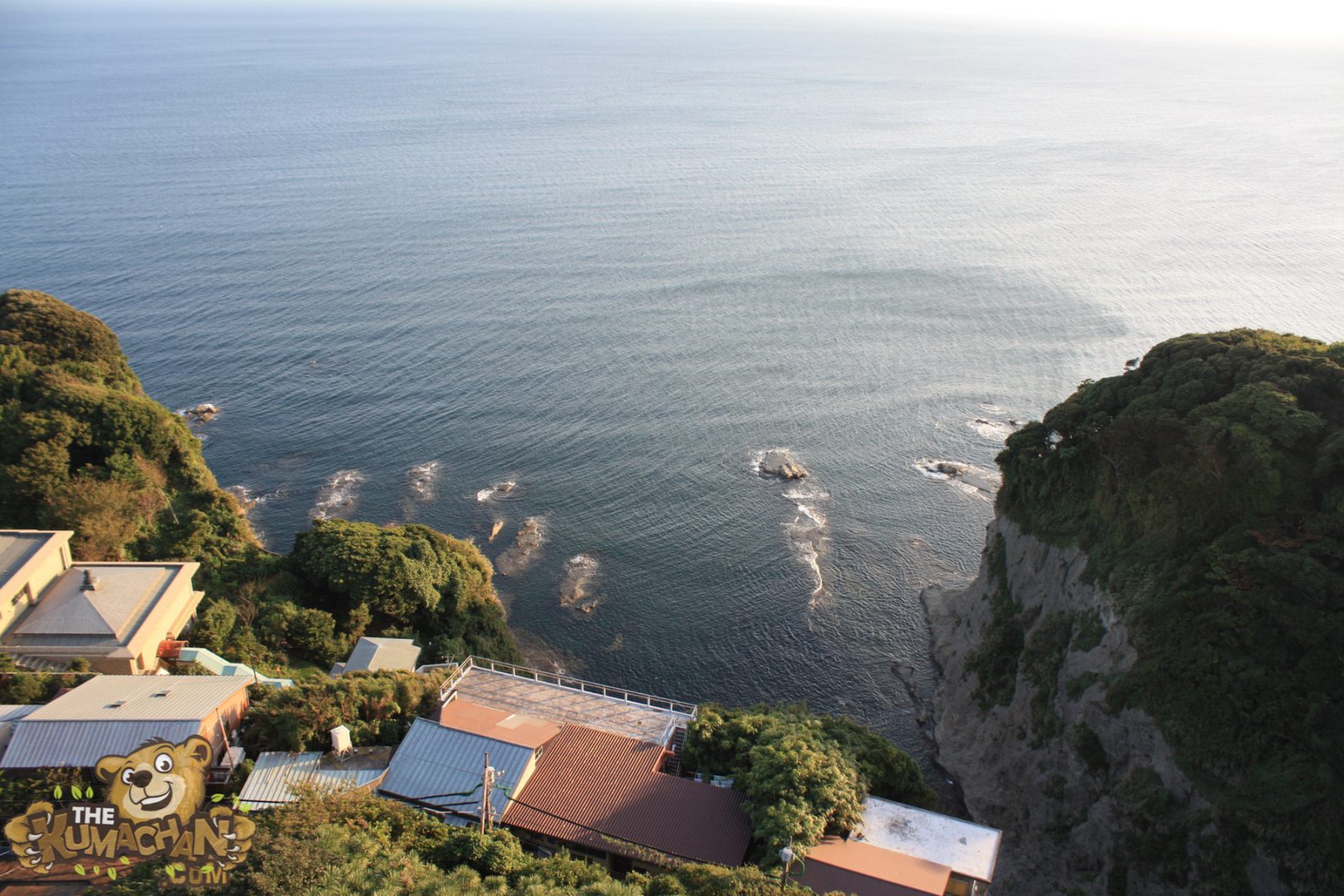
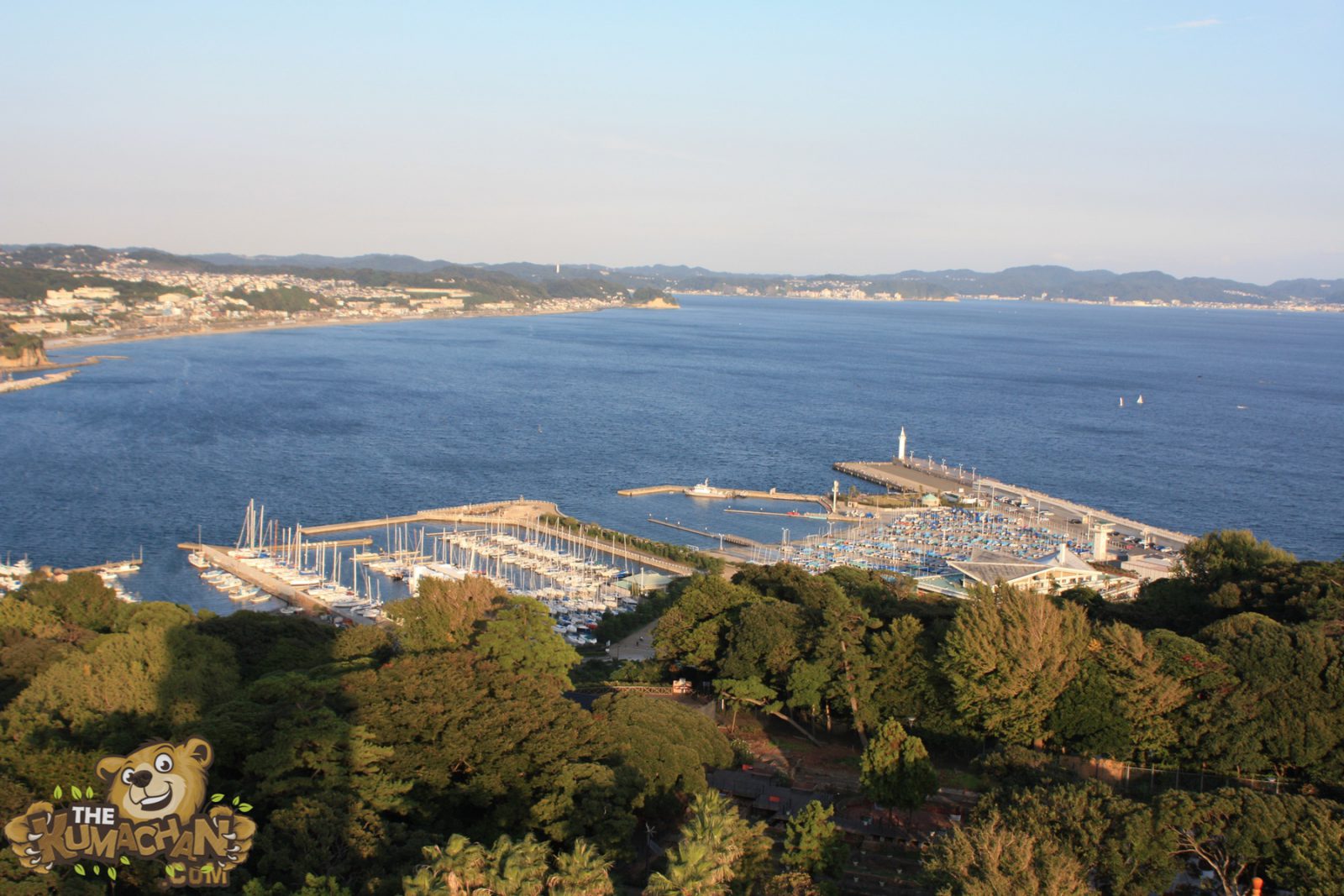
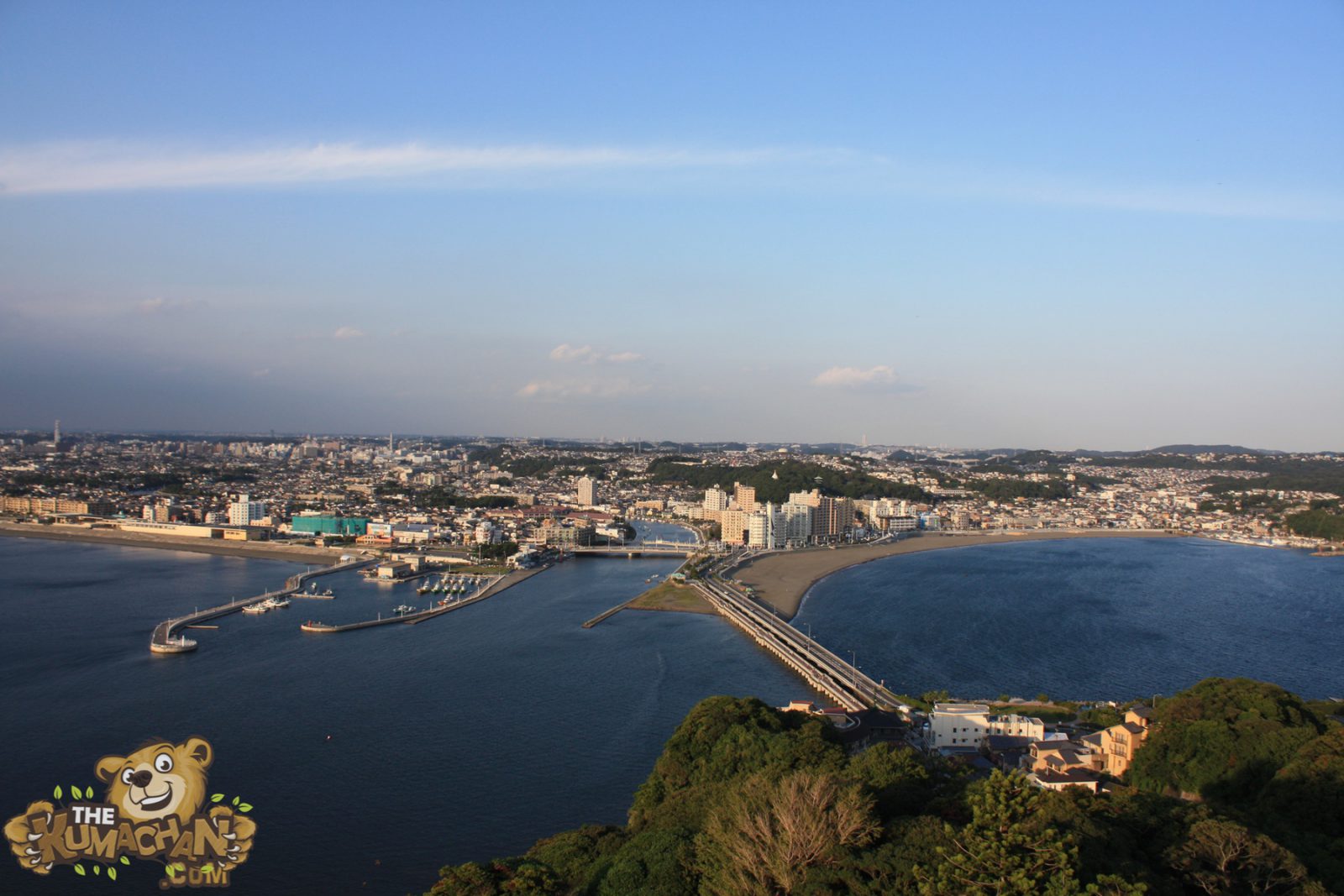
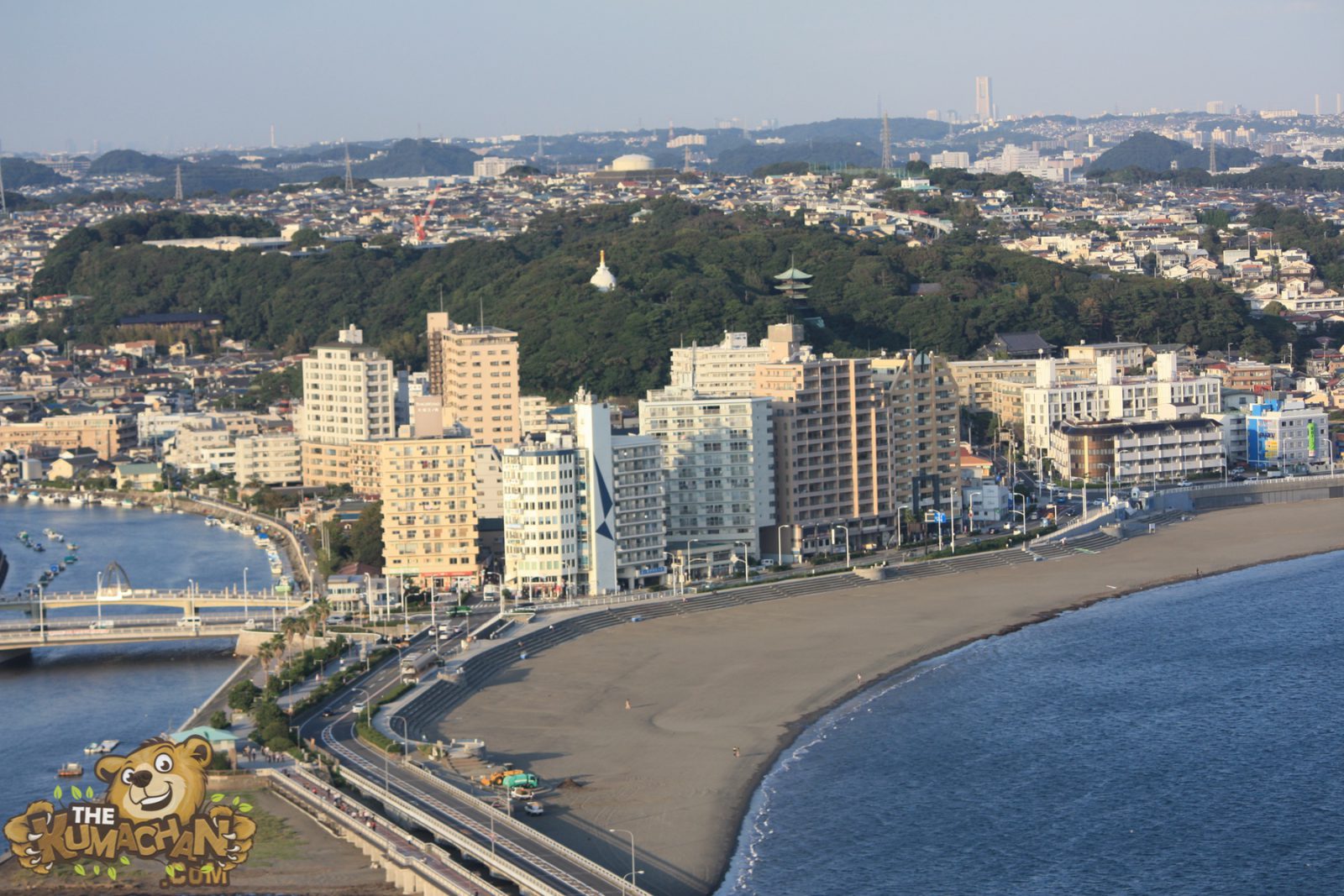
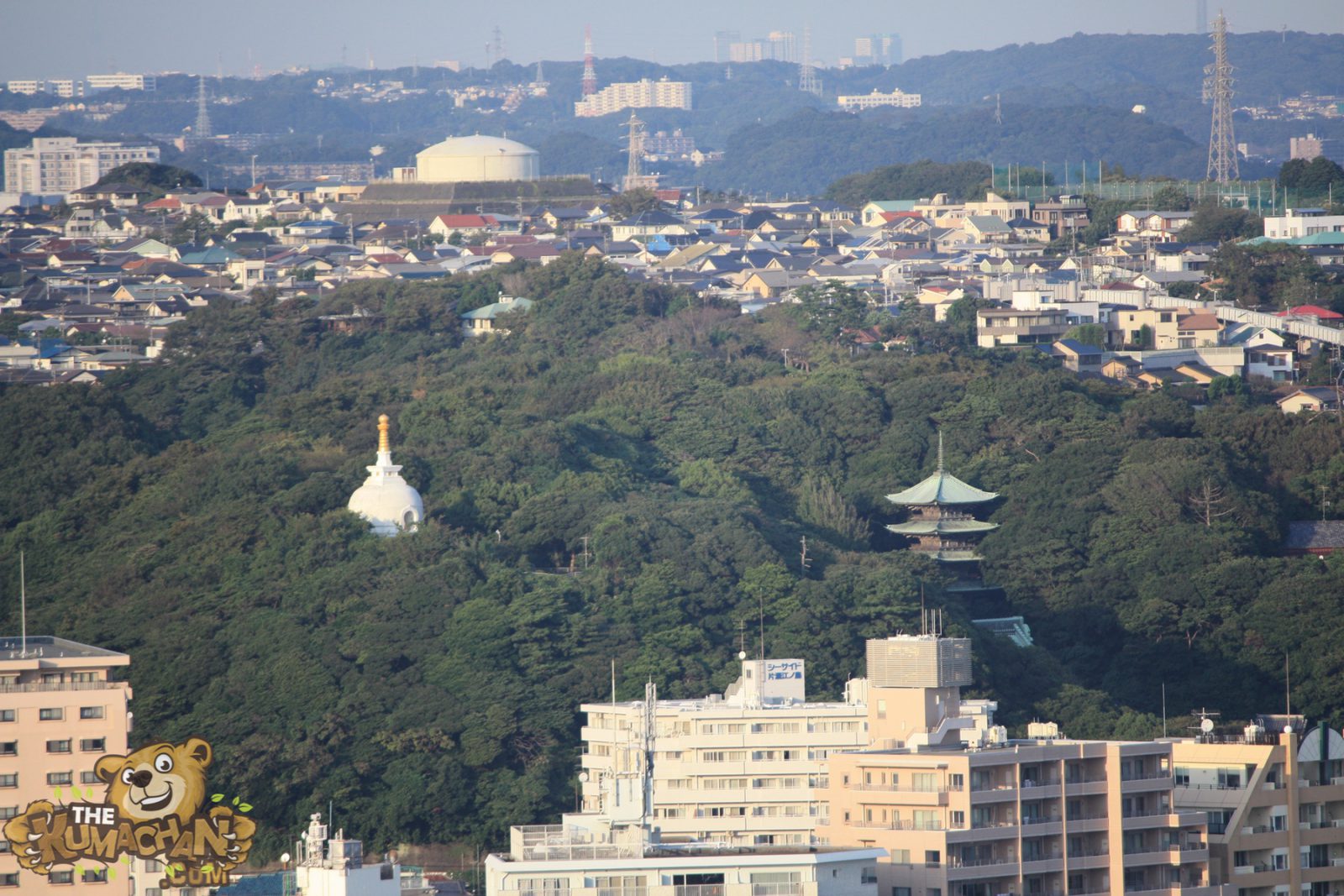
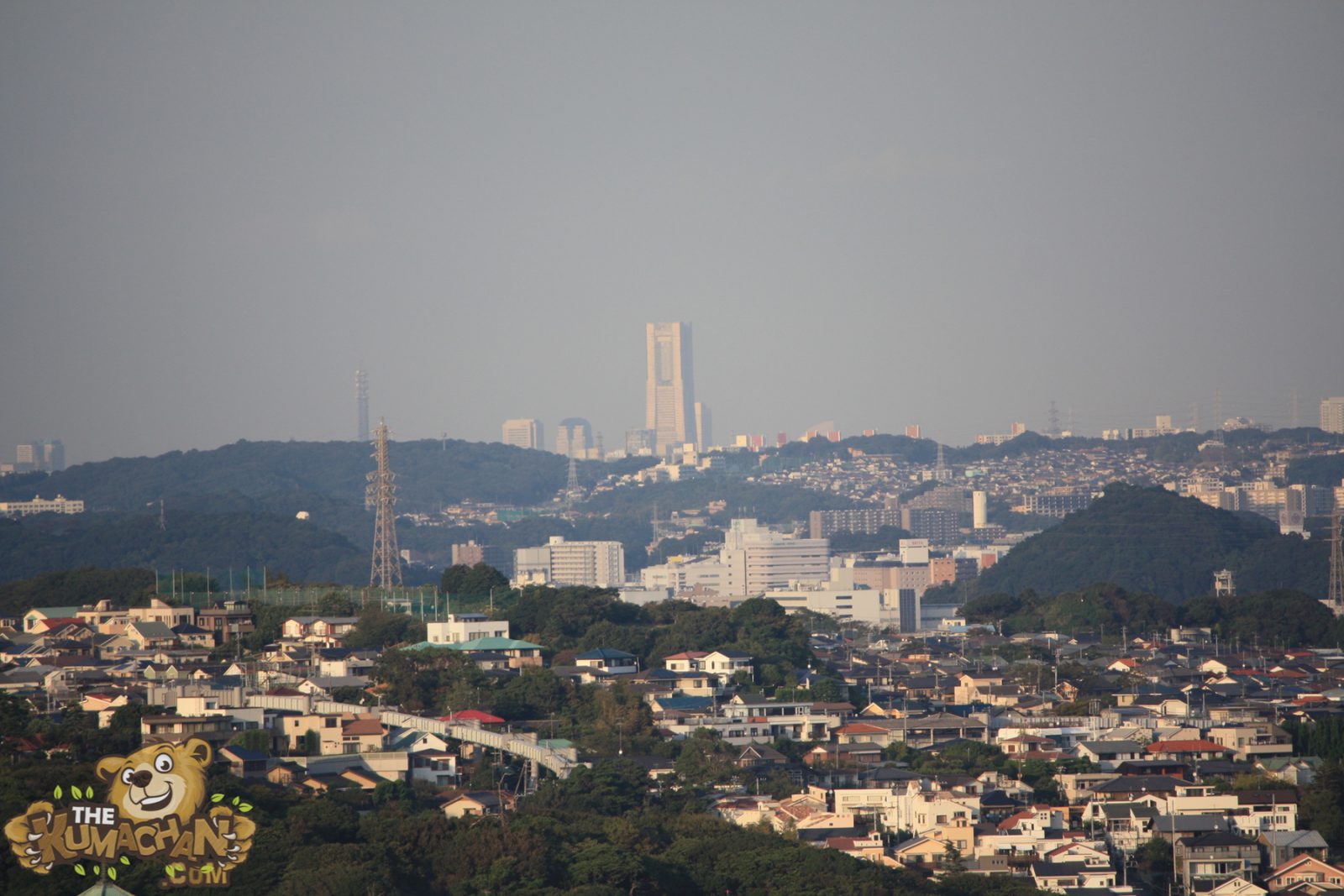
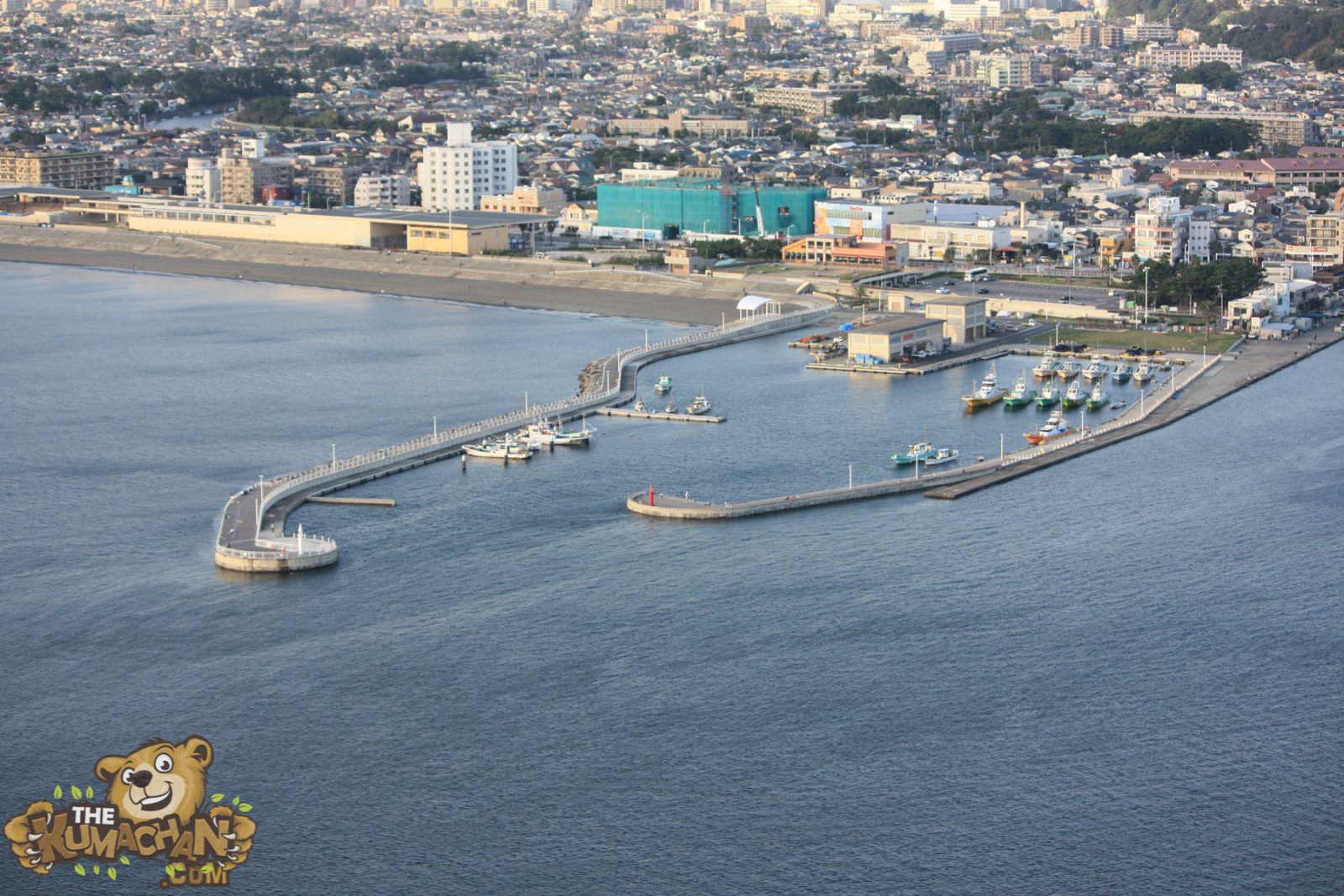
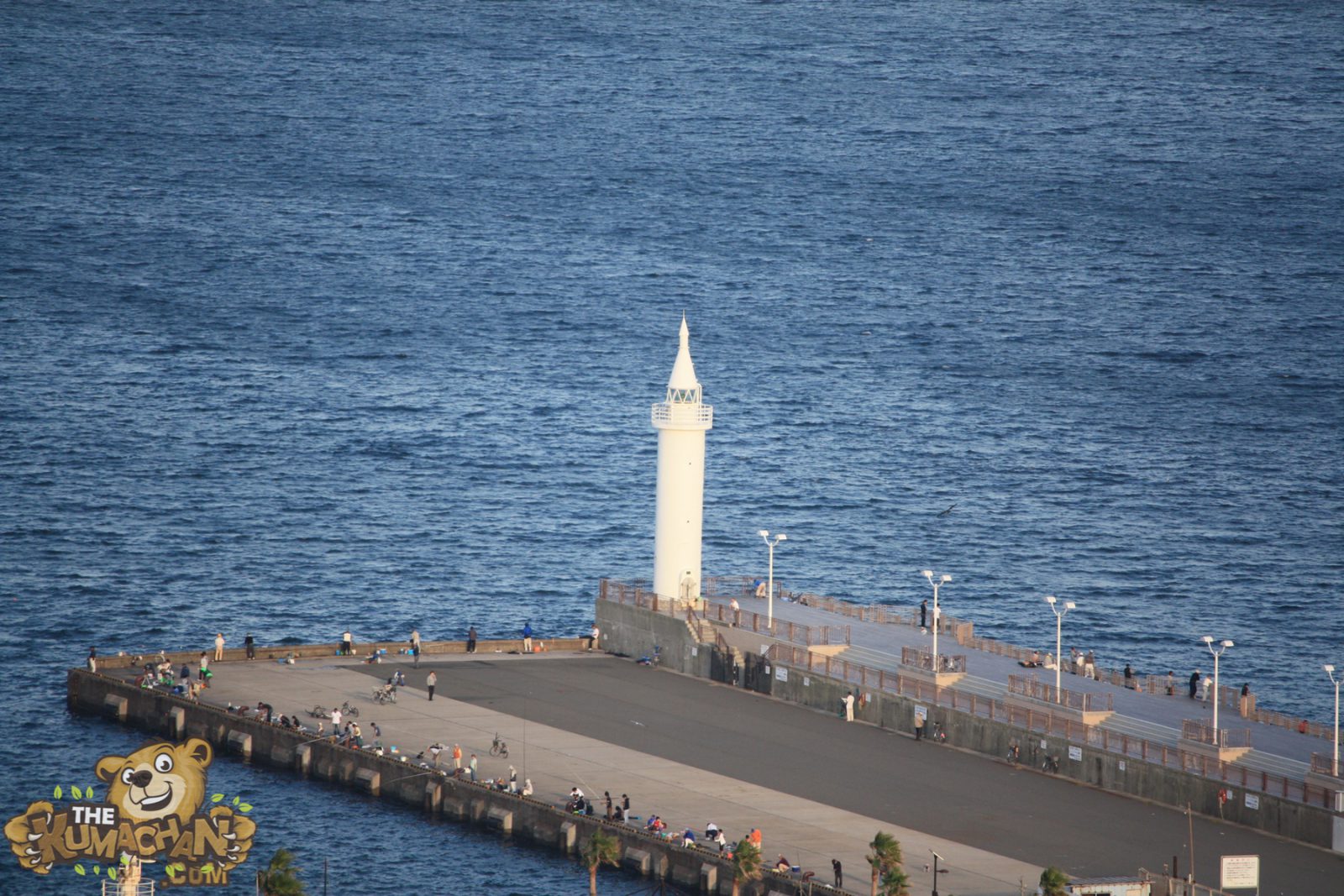

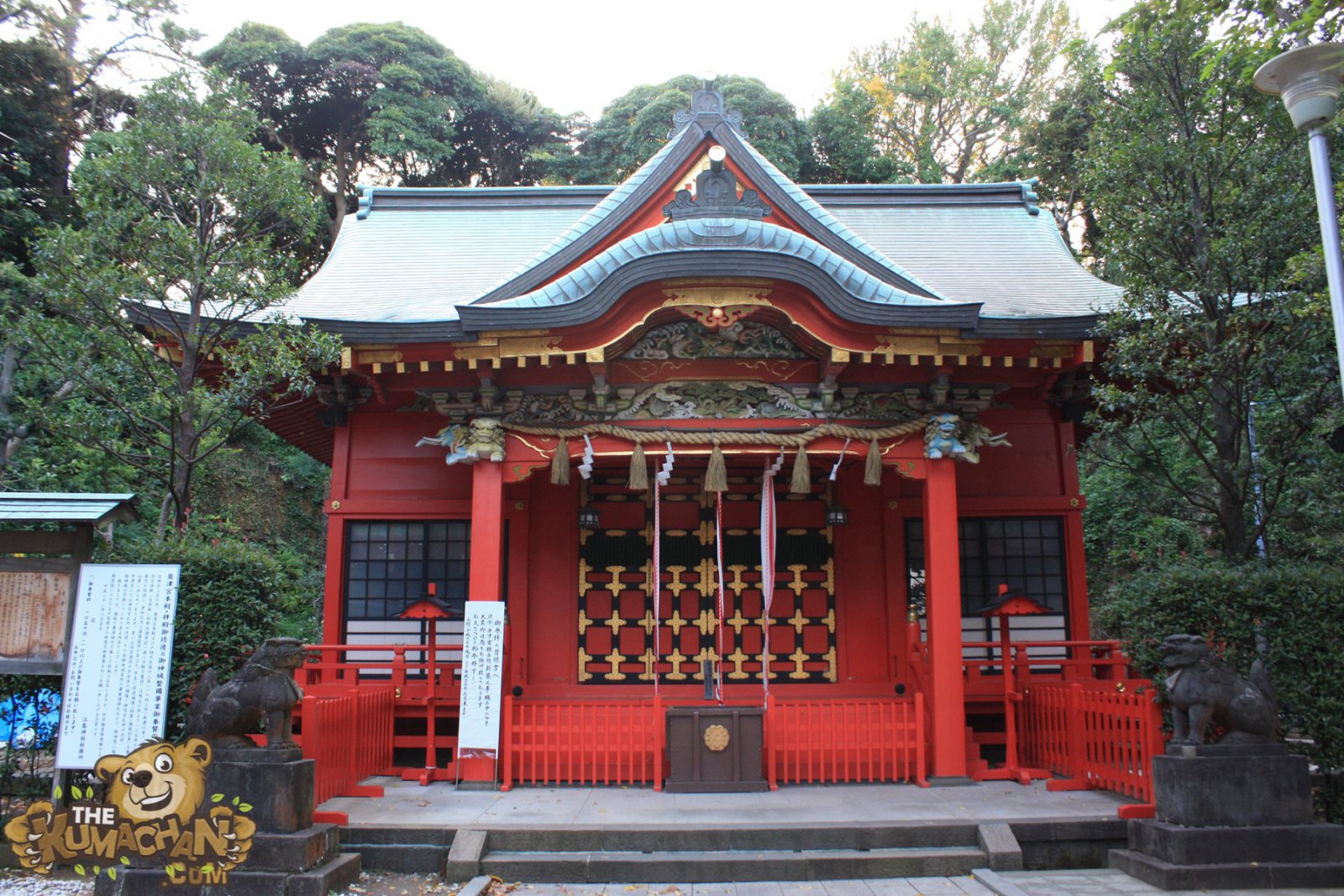
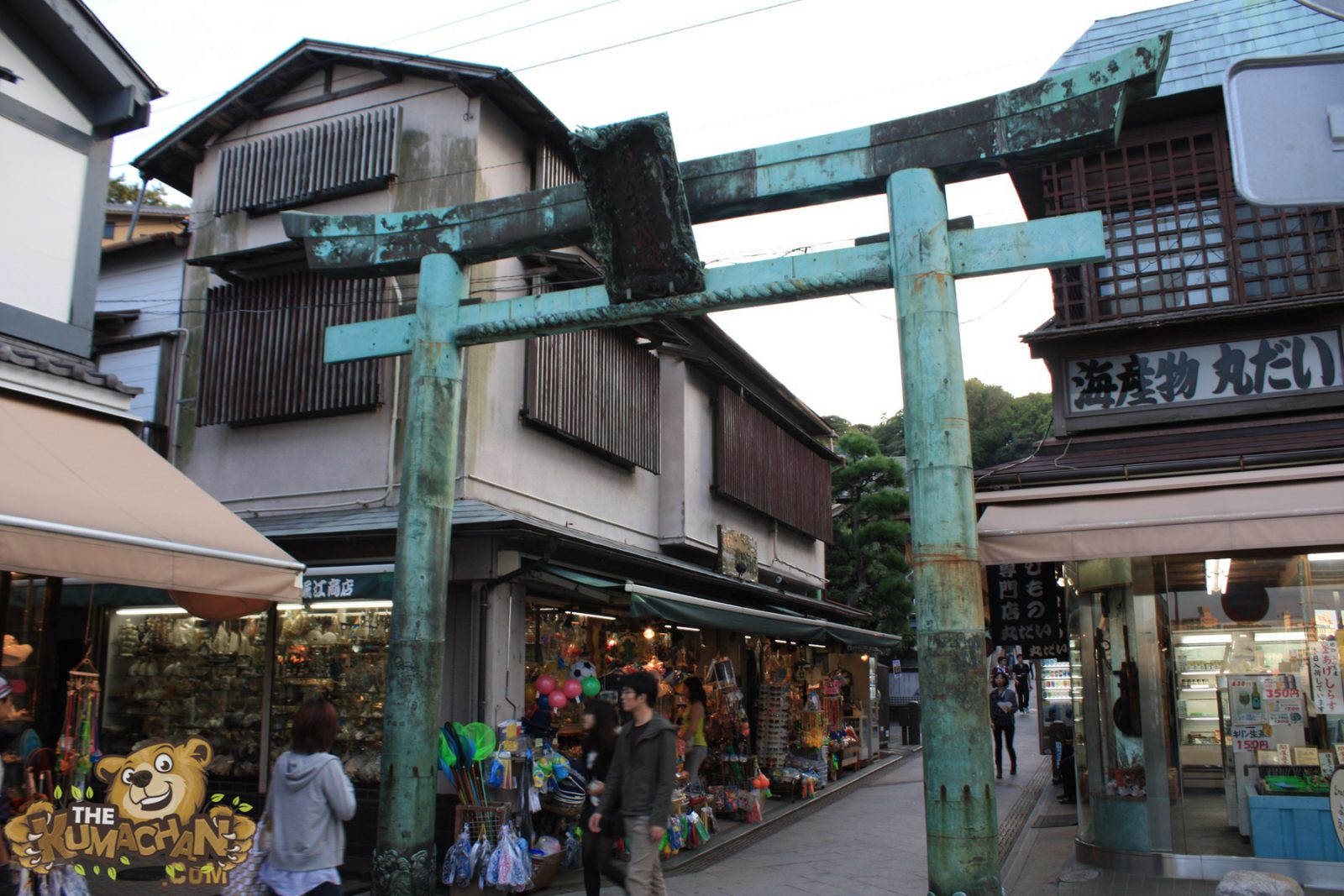
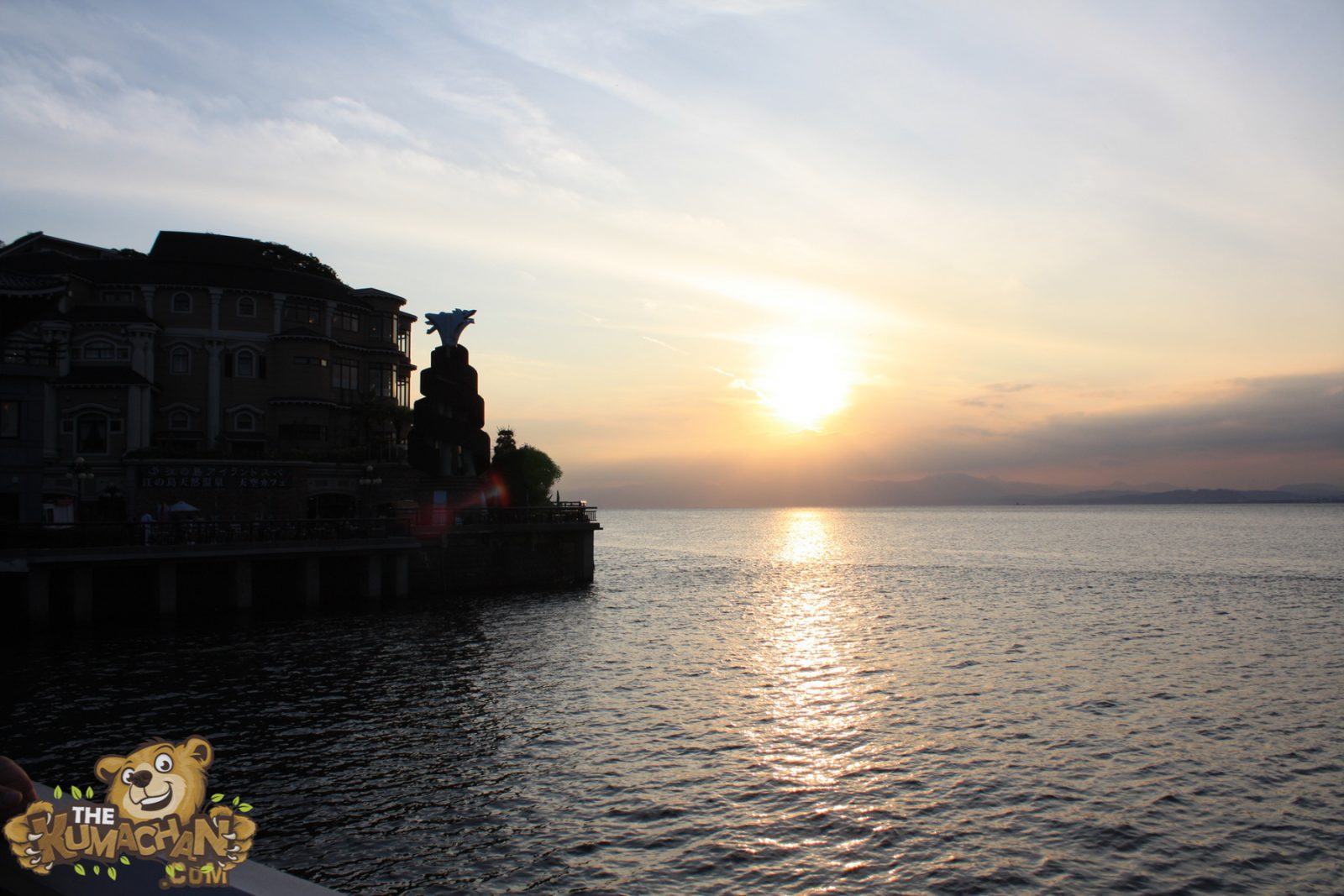
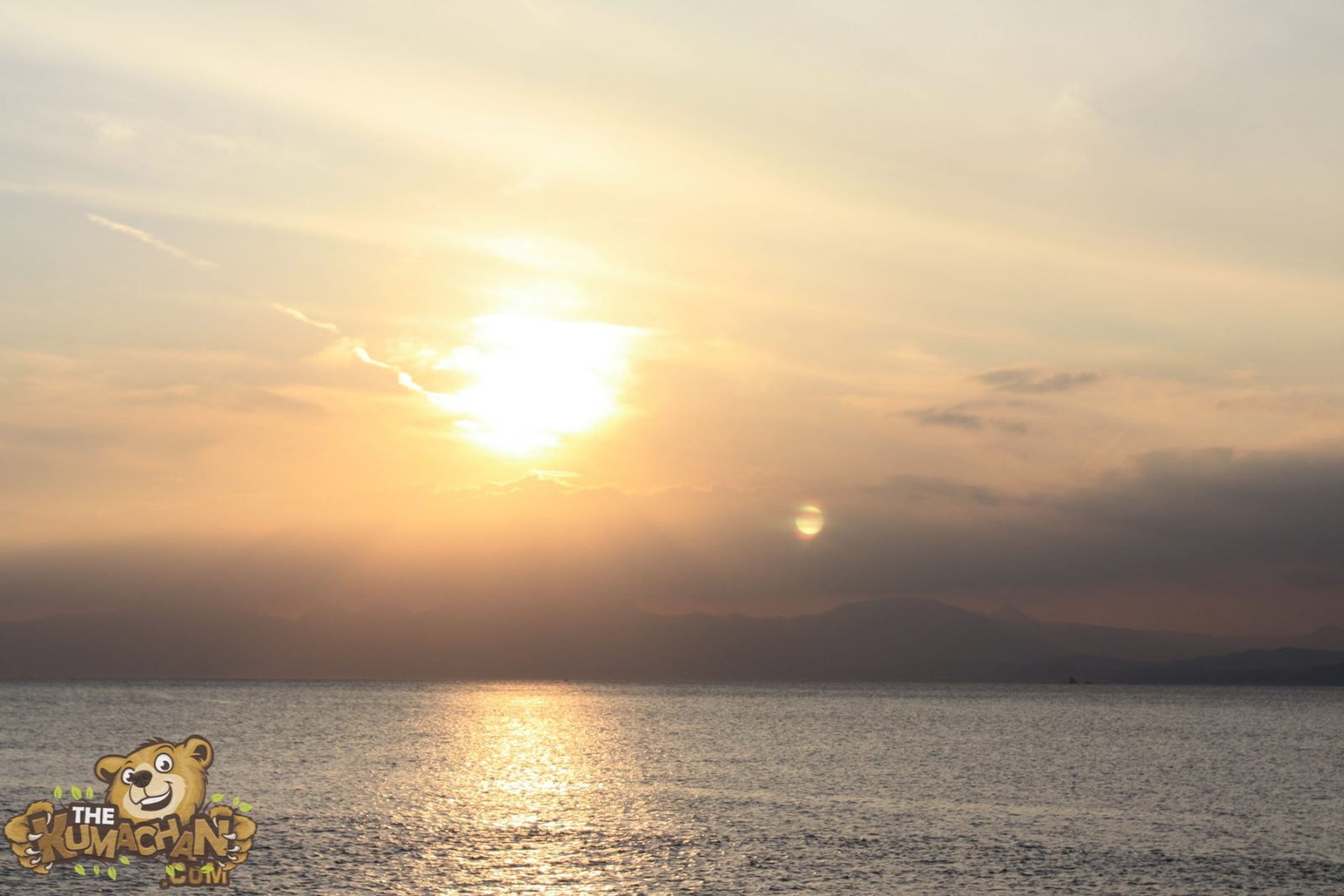
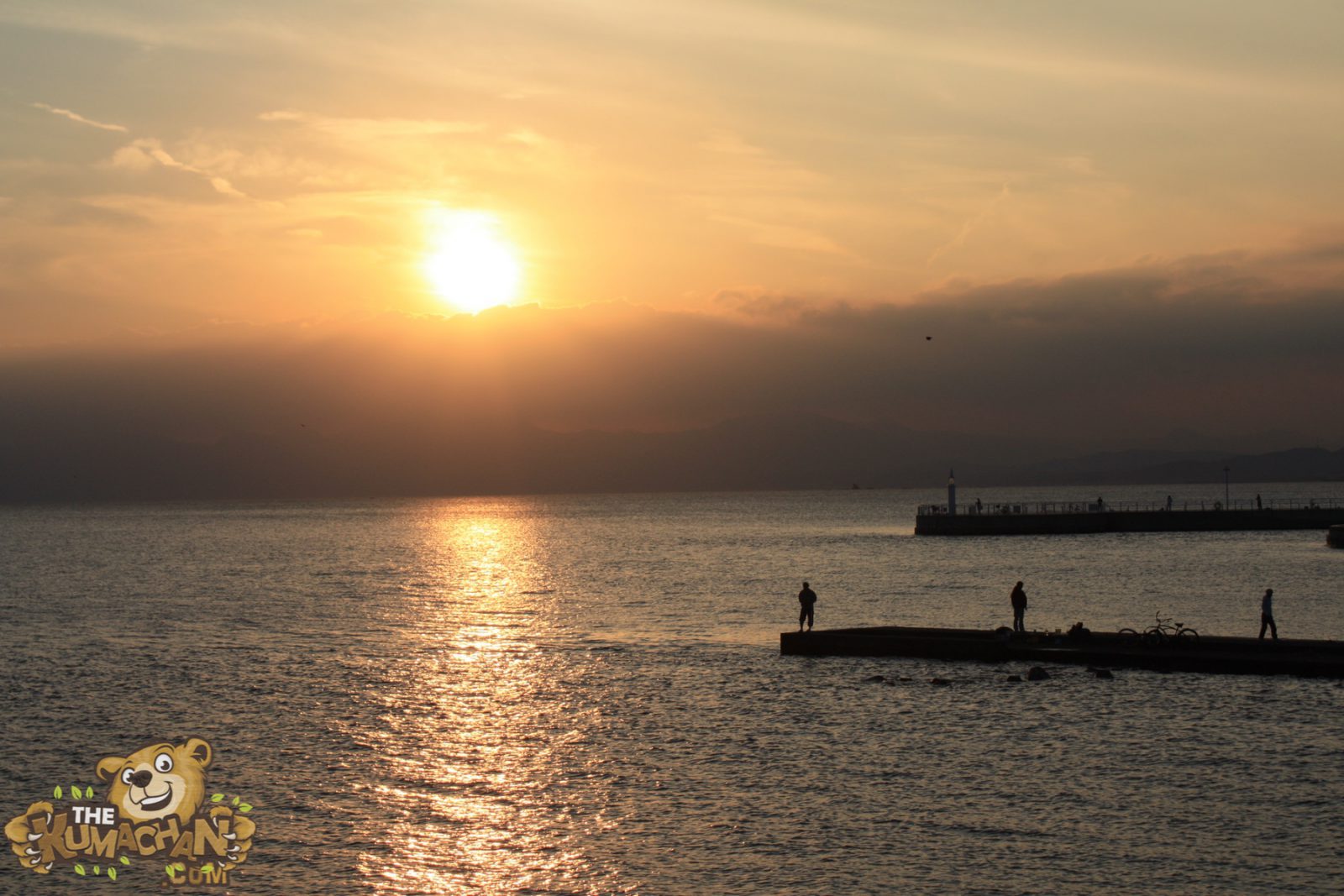
I had a very pleasant time walking around Enoshima and taking all the sights, views, and food that there was. The small island gives you some really nice panoramic views, as well as, having the opportunity to take in the local Japanese culture.
Related Posts
Clash Royale Victory Over Donald Trump

Look who I just beat in Clash Royale. Looks like Donald Trump needs to practice a bit more to get up to my level.
Related Posts
Water Dragon
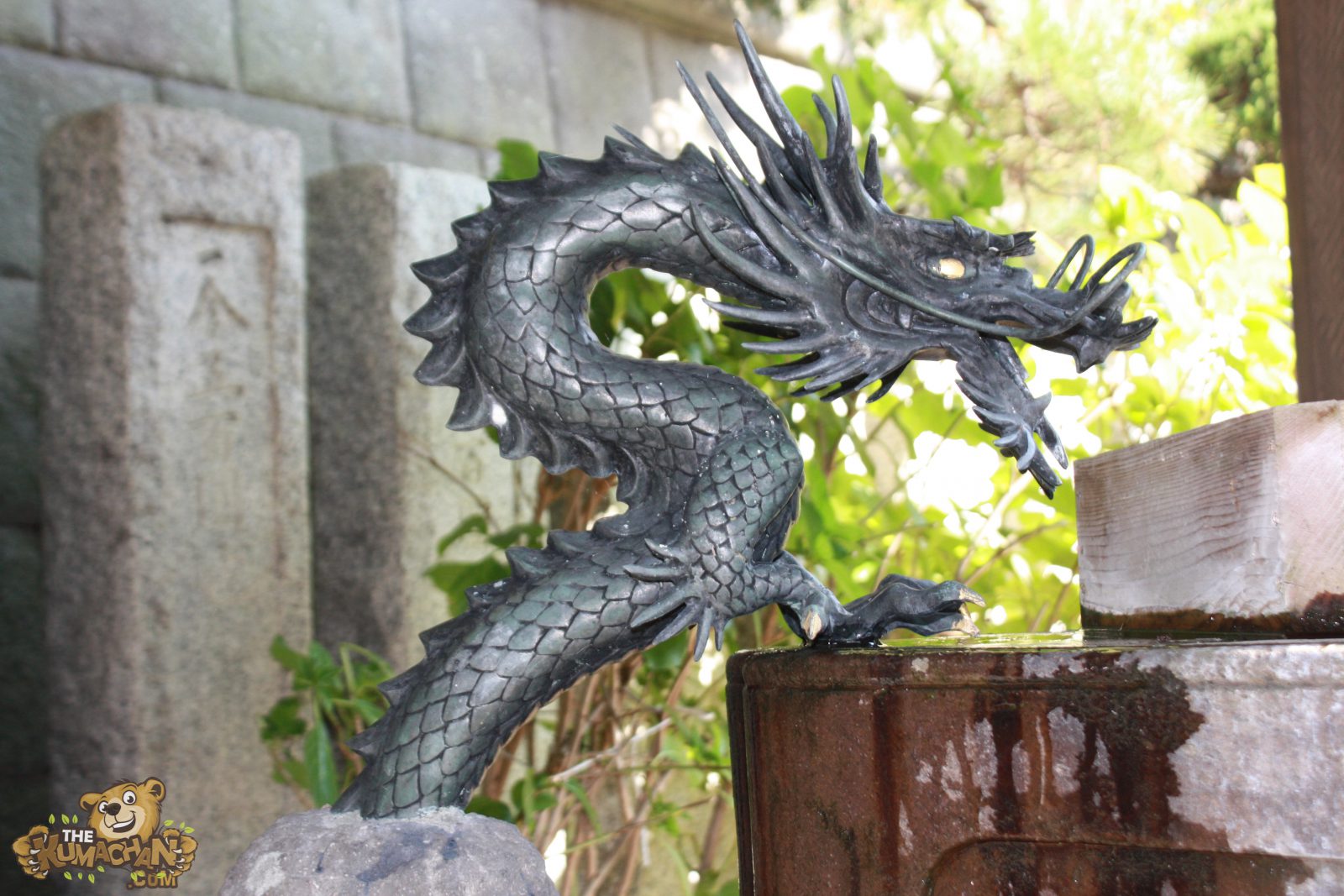
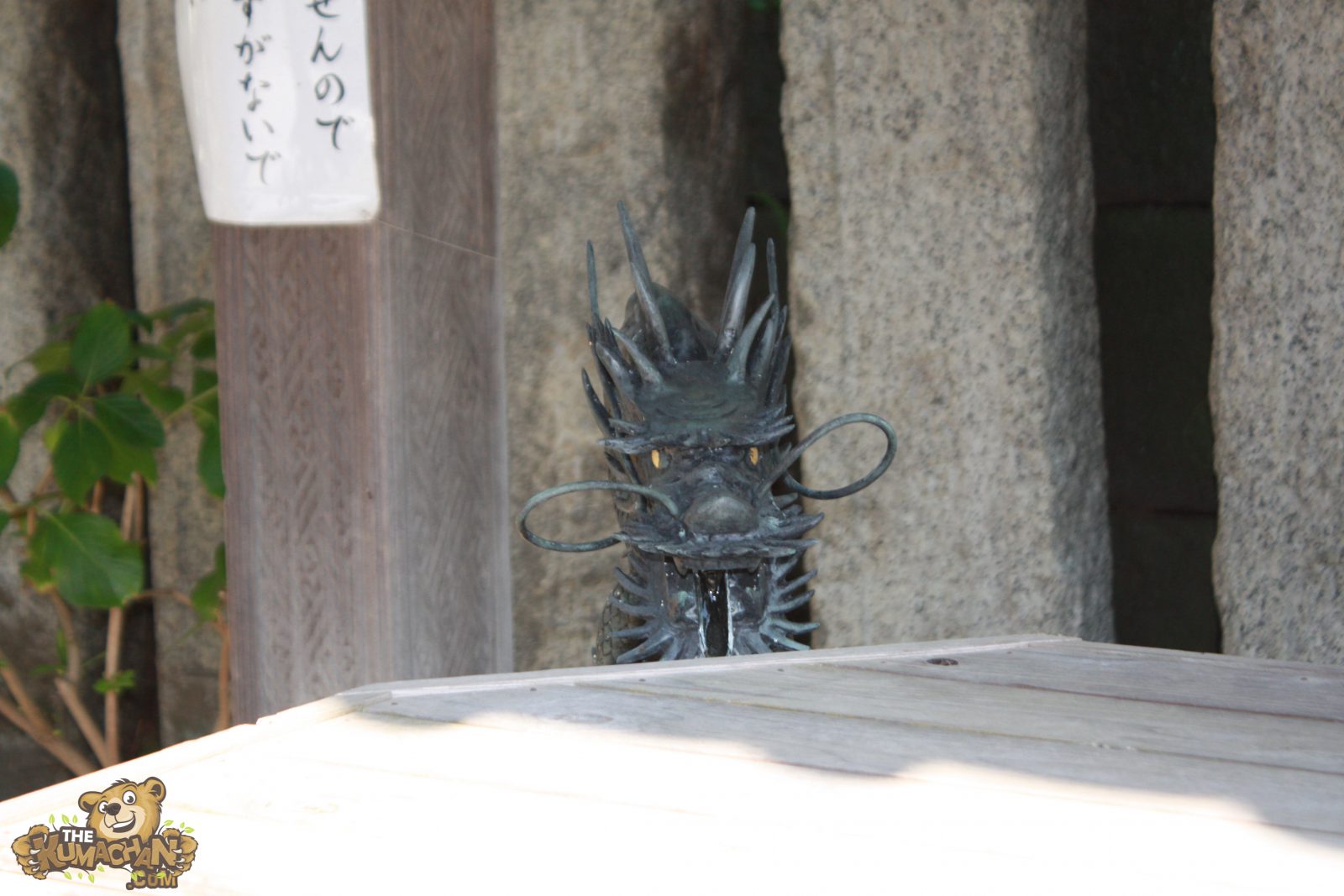
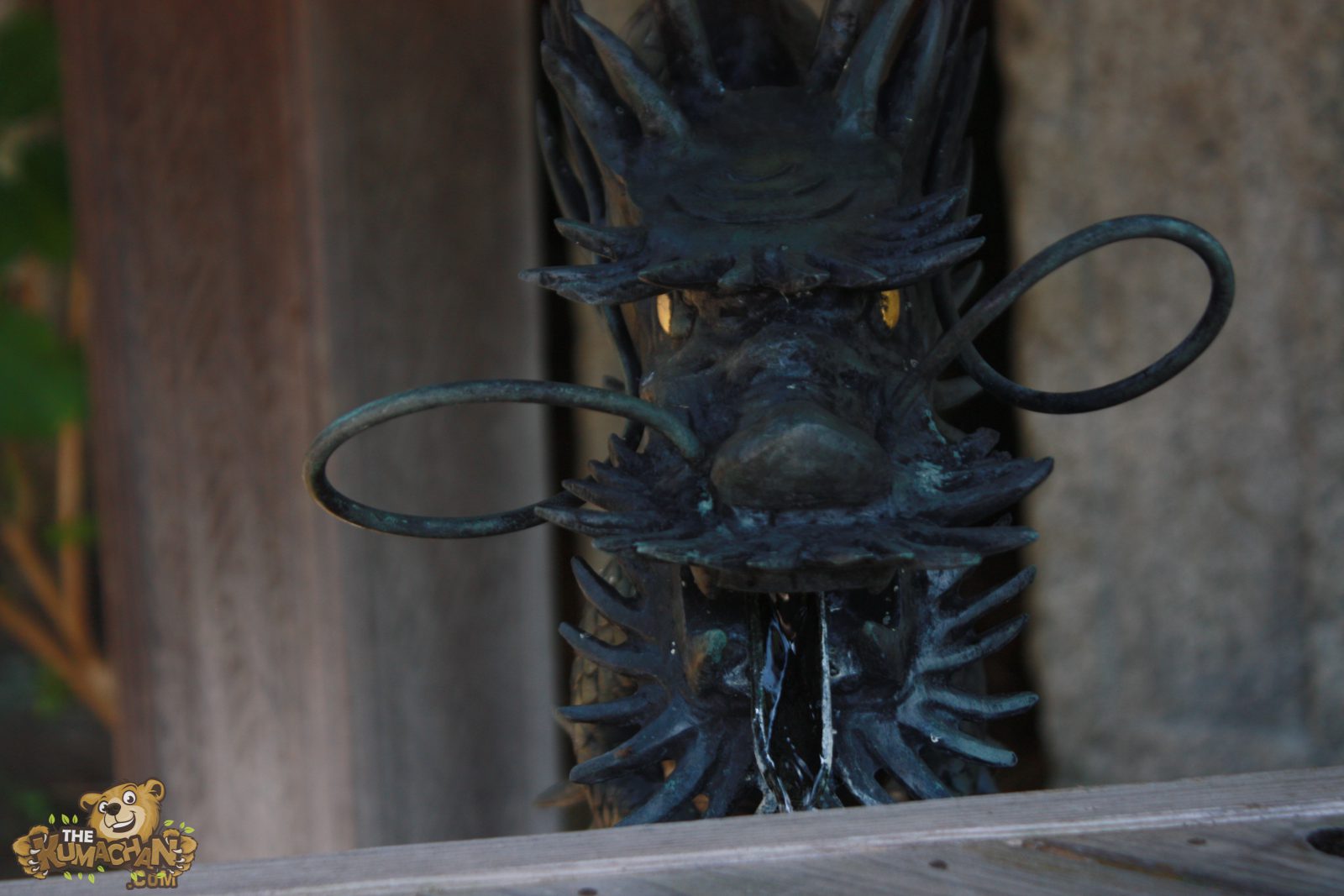
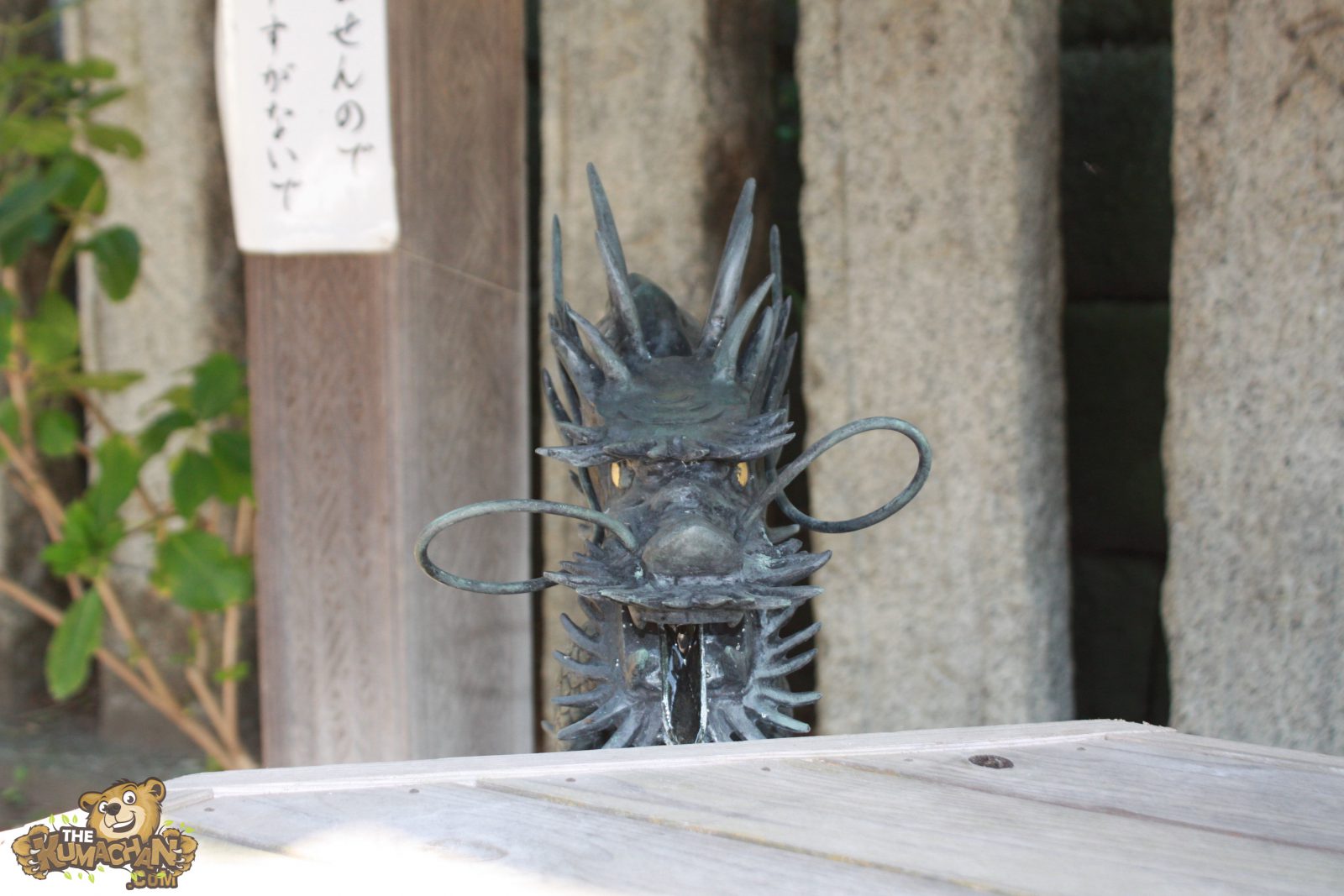
Walking around at Enoshima, Japan I came across this dragon water spout. I’ve never seen anything like this before and thought it was pretty darn cool.
Related Posts
Arachnophobia in Japan


While walking around Kamakura I saw these spiders and thought they looked pretty cool. I hope if you’re going to visit Japan you don’t have arachnophobia, otherwise that could be problematic.
Related Posts
Kamakura Station Manhole Cover
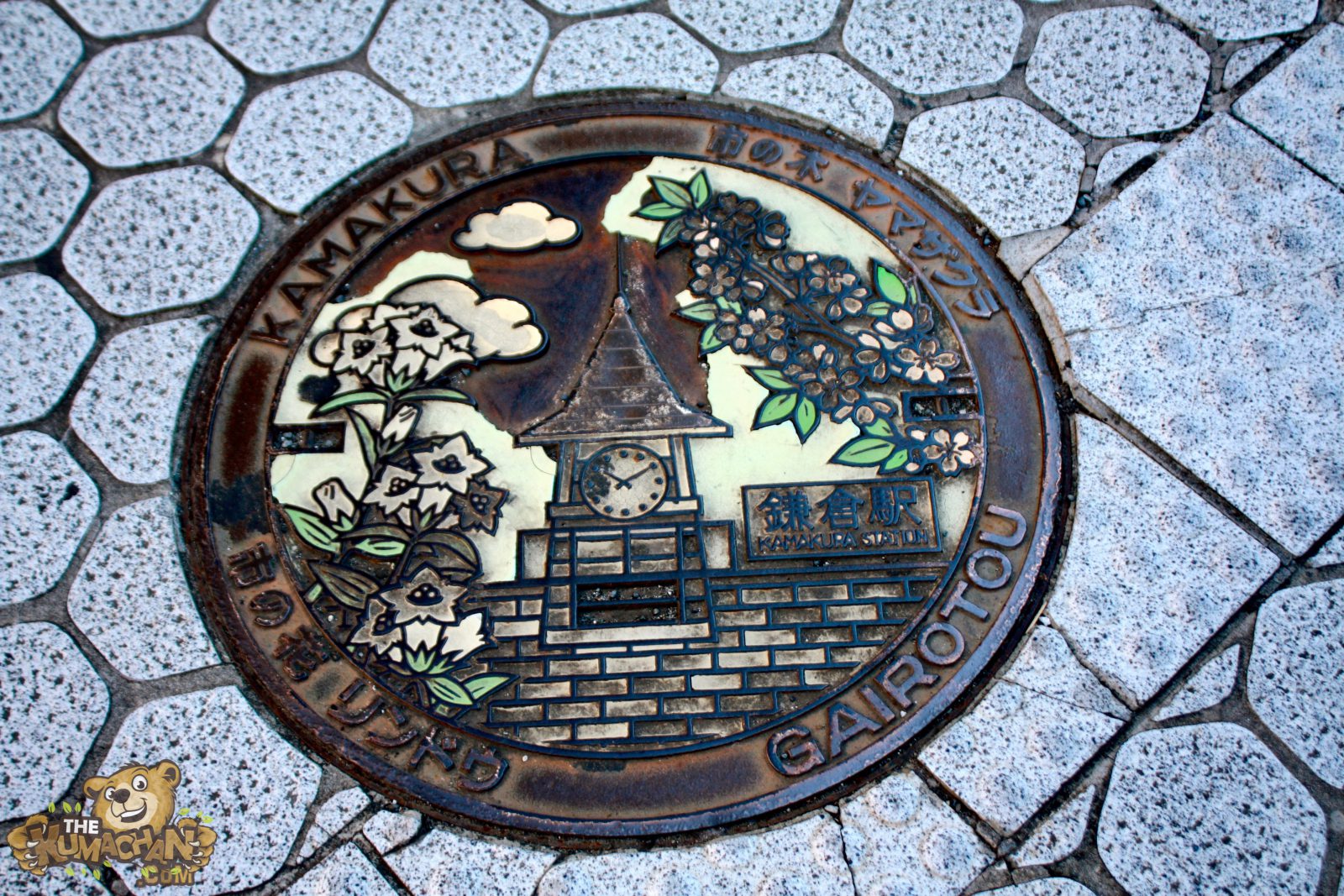
Japan isn’t just a country with millions upon millions of people. There is a lot of art and beauty everywhere you look. It is cool to see the smallest details of art such as this manhole cover near the Kamakura Station.
Related Posts
Shrine in Japan
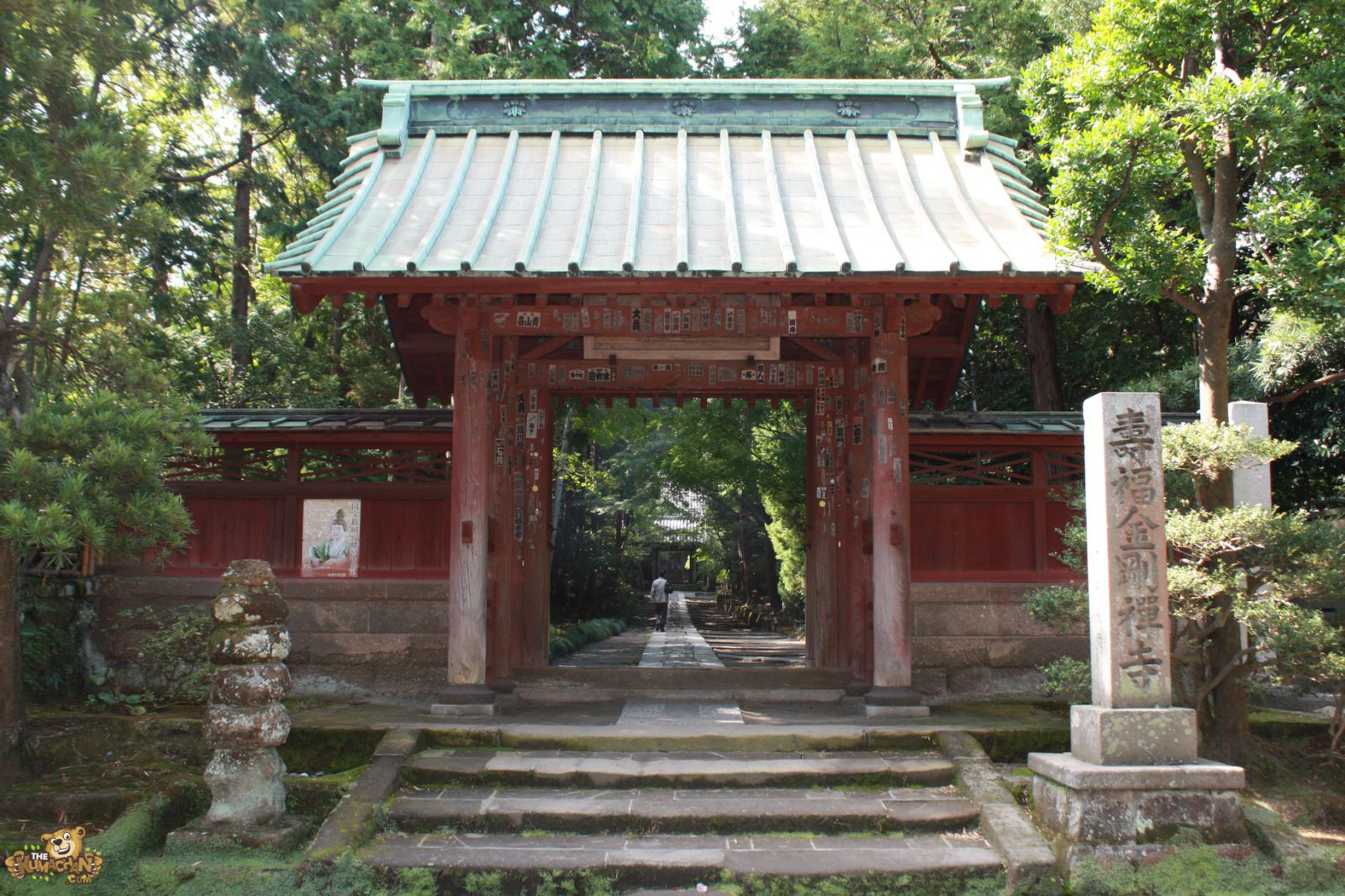
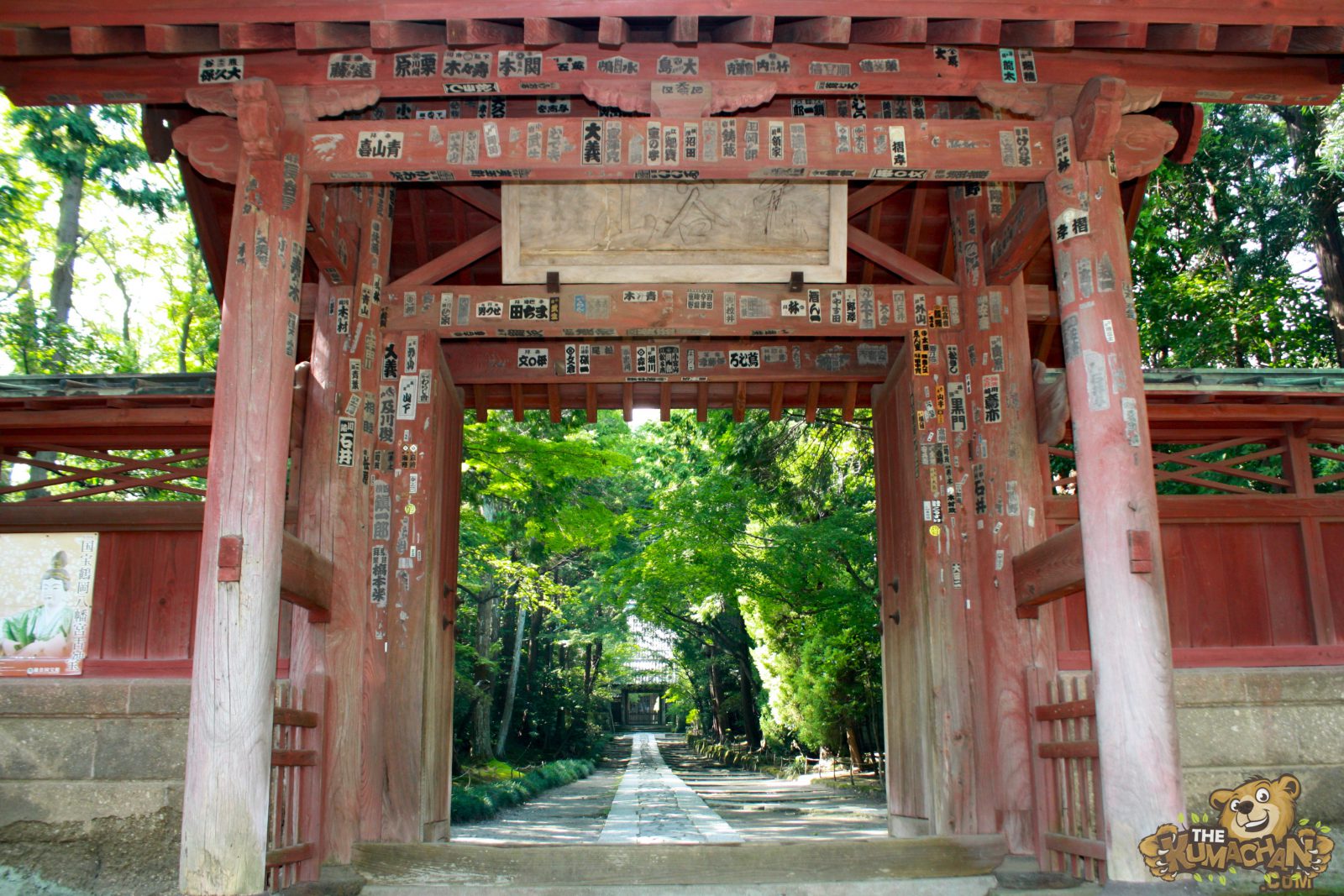
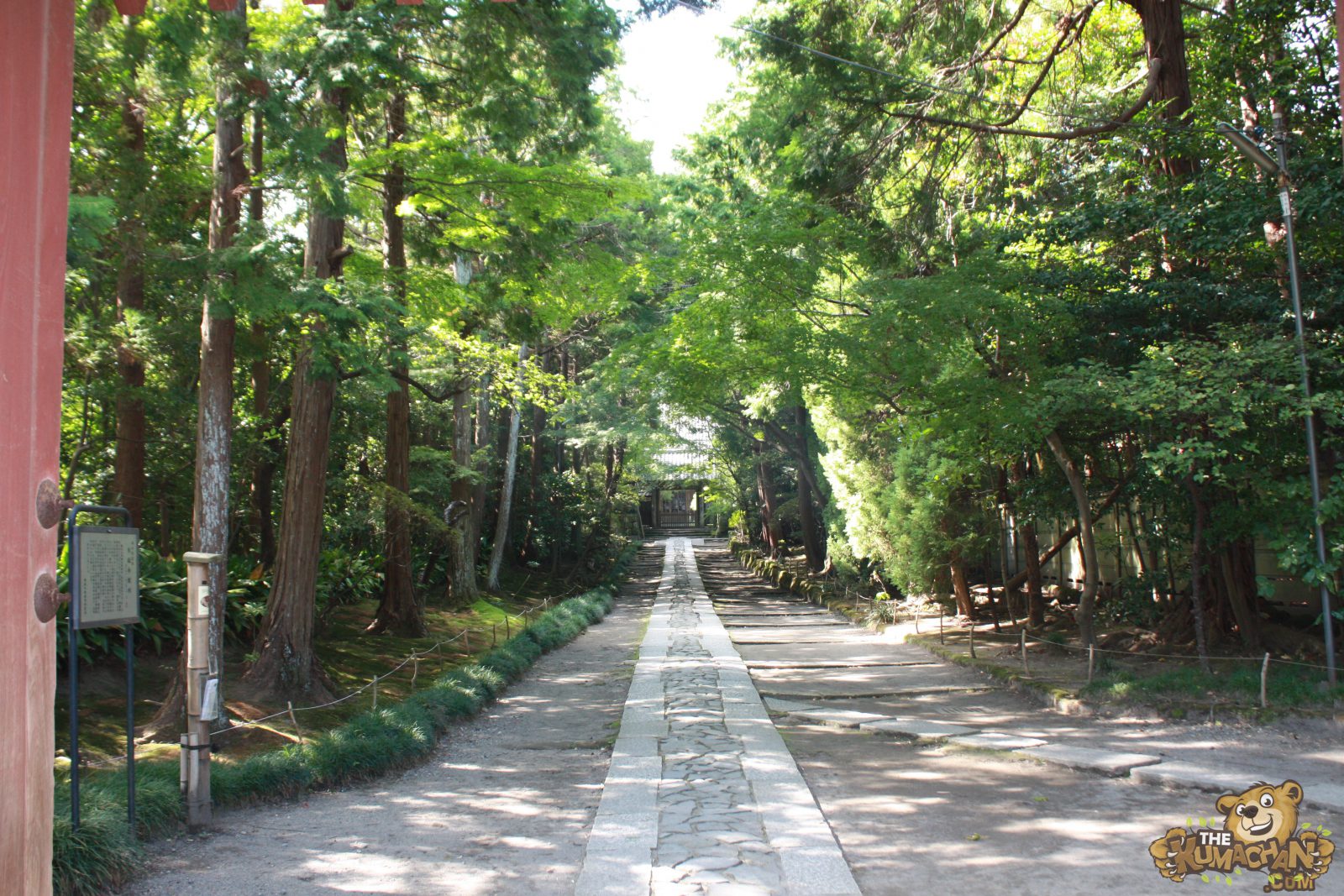
Some of the great beauties in Japan are the shrines and temples. Here is a shrine seen at Enoshima, Japan. I like the way you go through the doorway up the path to the shrine or temple. This is kind of gives the effect of walking on the path to enlightenment.