Latest Articles
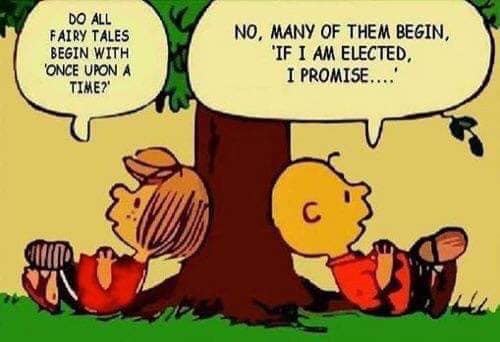
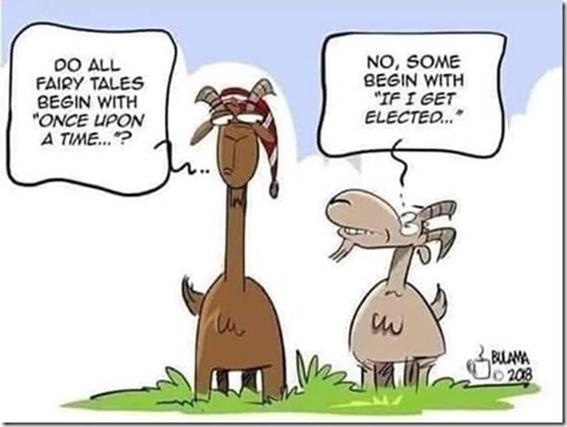
How Fairy Tales Begin…
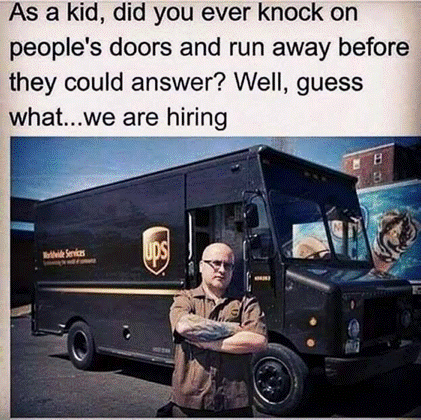
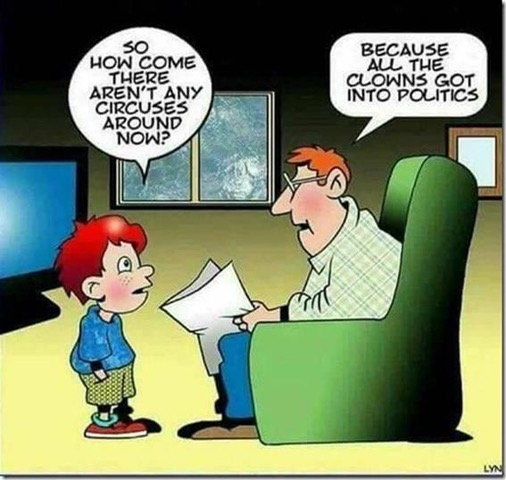
Circus Clowns
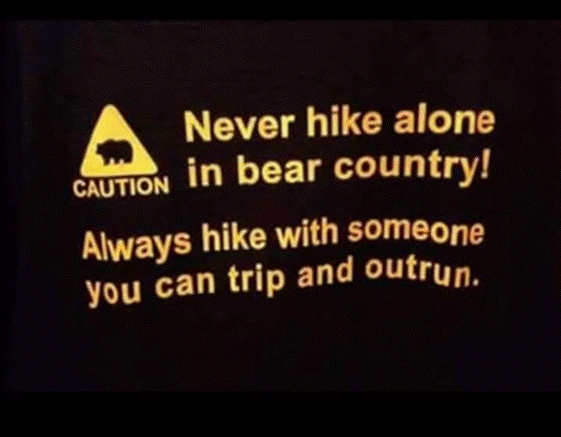
Bucket List

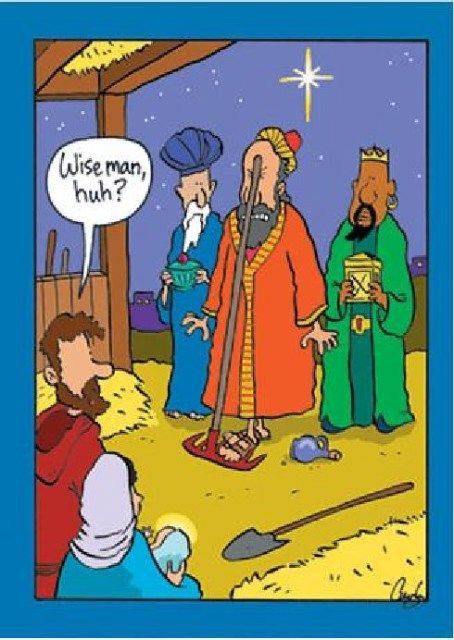
Christmas Story Wise Men
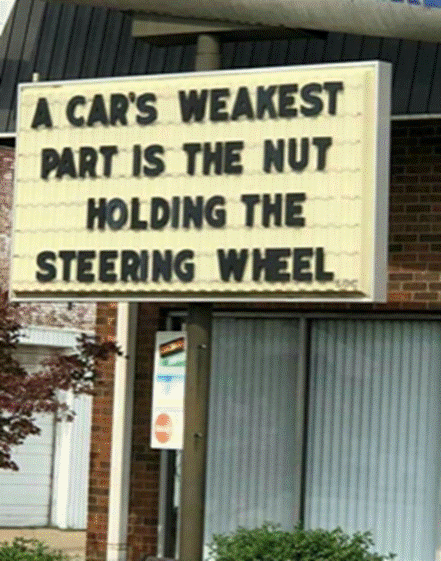
Funny Sign Slogan
SIGN IN A SHOE REPAIR STORE:
“We will heel you, We will save your sole, We will even dye for you.”
A SIGN ON A BLINDS AND CURTAIN TRUCK:
” Blind man driving.”
Sign over a Gynecologist’s Office:
“Dr. Jones, at your cervix.”
In a Podiatrist’s office:
“Time wounds all heels.”
At an Optometrist’s Office :
“If you don’t see what you’re looking for, You’ve come to the right place.”
On a Plumber’s truck :
“We repair what your husband fixed.”
On another Plumber’s truck :
“Don’t sleep with a drip. Call your plumber.”
At a Tire Shop in Milwaukee :
“Invite us to your next blow out.”
On an Electrician’s truck :
“Let us remove your shorts.”
In a Non-smoking Area:
“If we see smoke, we will assume you are on fire and will take appropriate action.”
On a Maternity Room door :
“Push. Push. Push.”
At a Car Dealership :
“The best way to get back on your feet – miss a car payment.”
Outside a Muffler Shop:
“No appointment necessary. We hear you coming.”
In a Veterinarian’s waiting room :
“Be back in 5 minutes. Sit! Stay!”
At the Electric Company:
“We would be delighted if you would pay your bill.
You will be delighted if you don’t.”
In a Restaurant window:
“Don’t stand there and be hungry; come on in and get fed up.”
In the front yard of a Funeral Home :
“Drive carefully. We’ll wait…”
At a Propane Filling Station:
“Thank Heaven for little grills.”
In a Chicago Radiator Shop:
“Best place in town to take a leak.”
Sign on the back of another Septic Tank Truck:
“Caution – This Truck is full of Political Promises.”
Related Posts
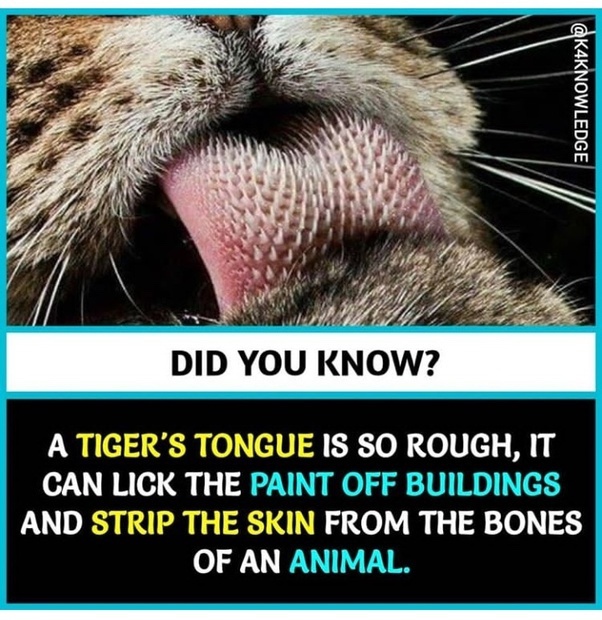
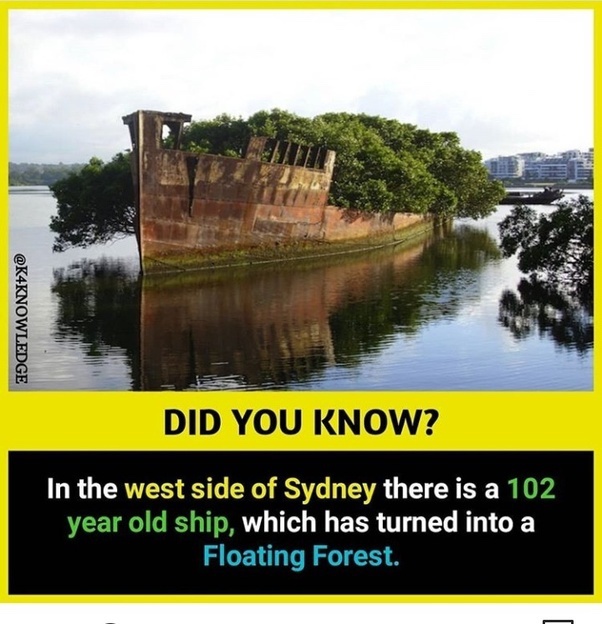
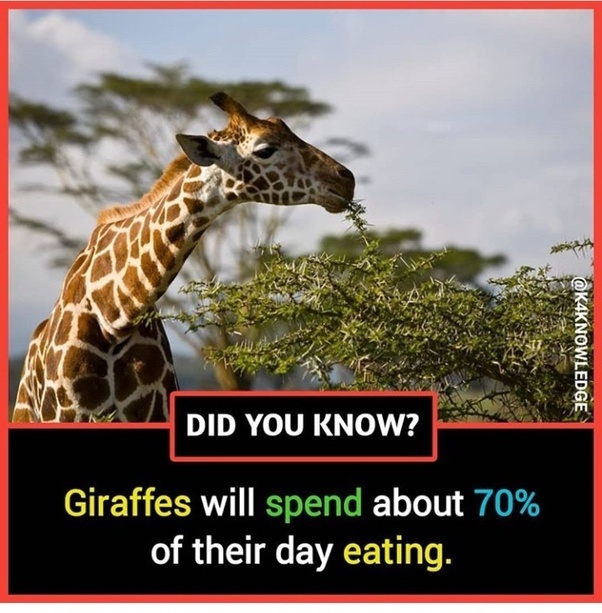
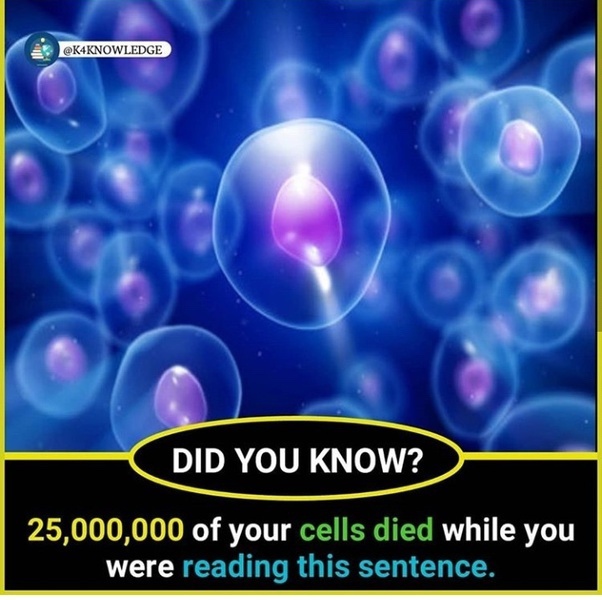
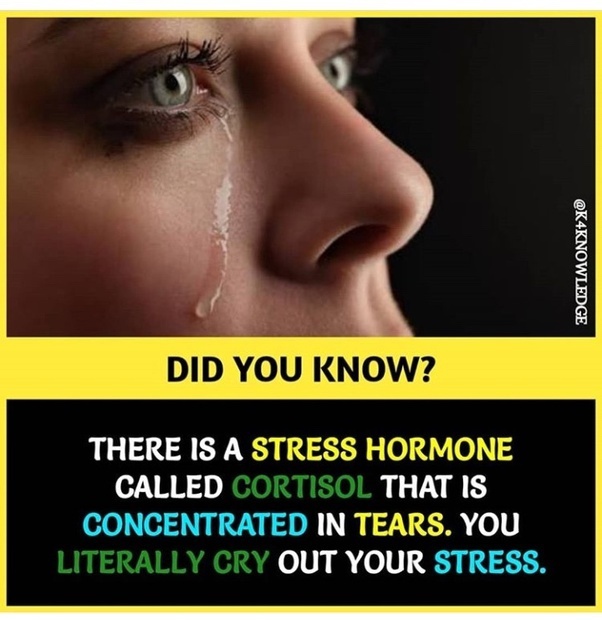
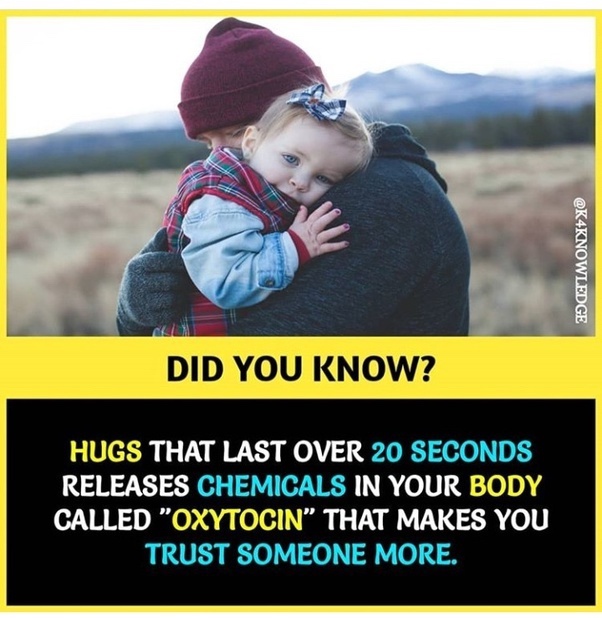
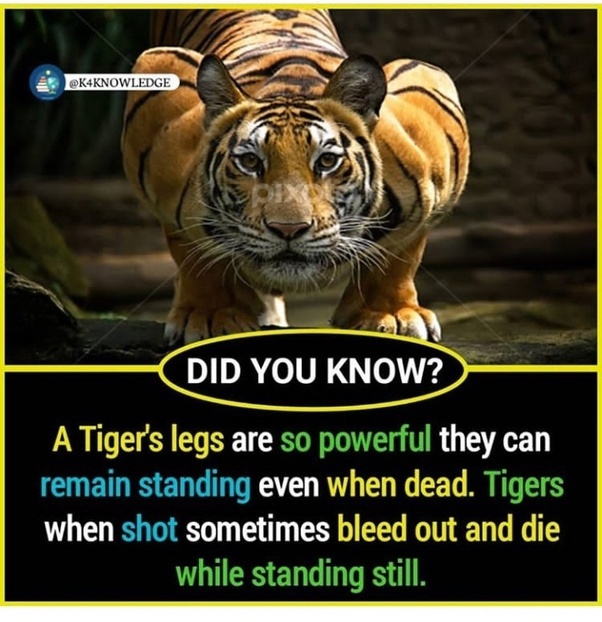
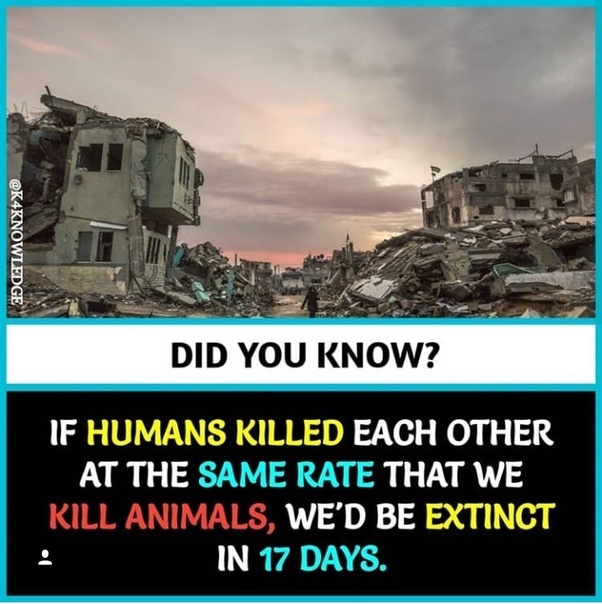
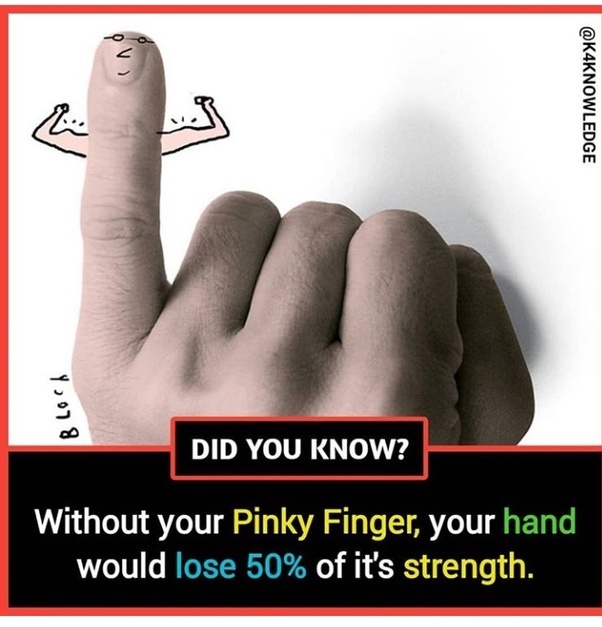
Did You Know?












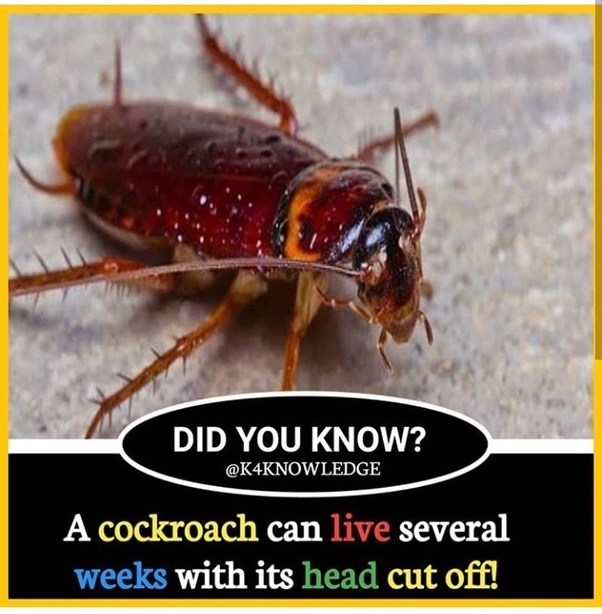

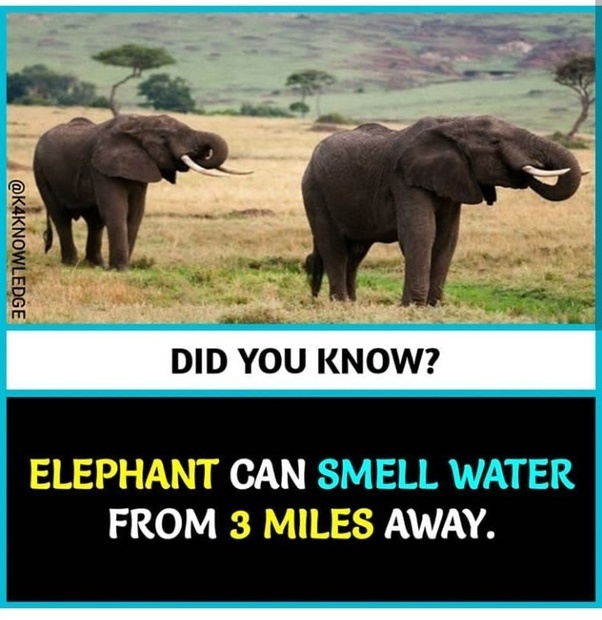
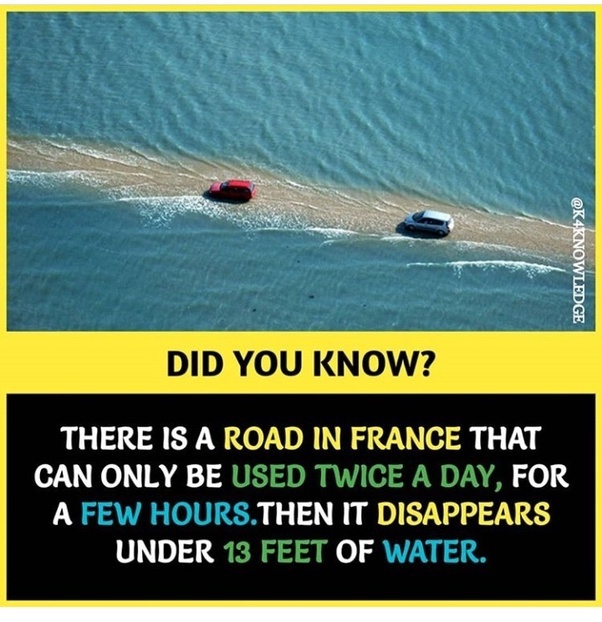

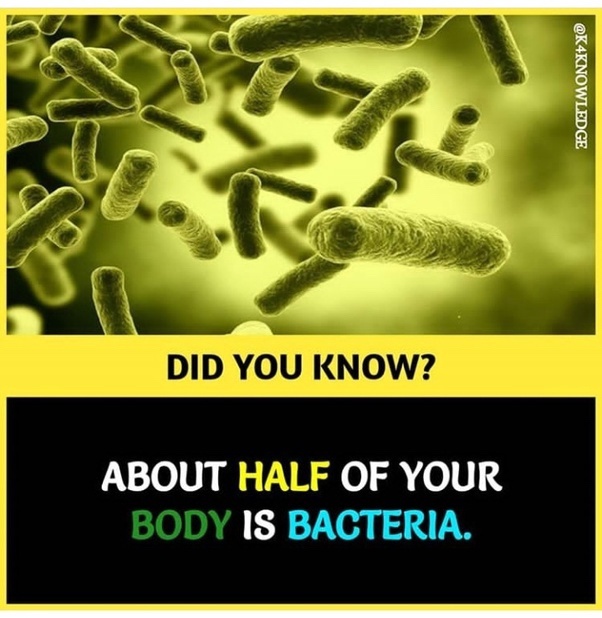

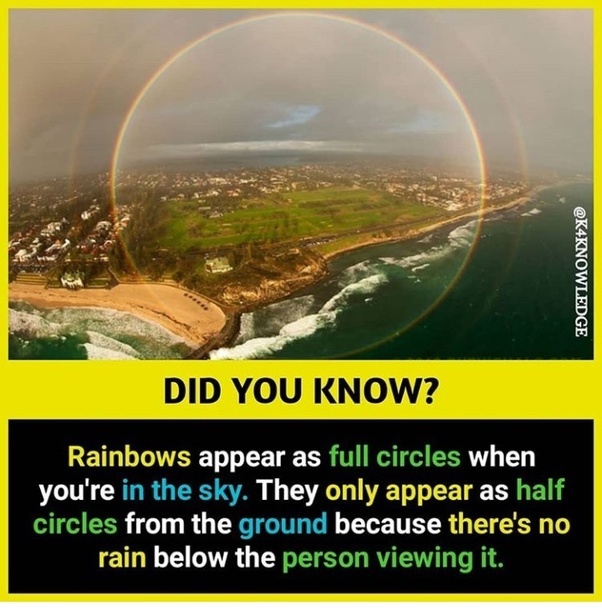


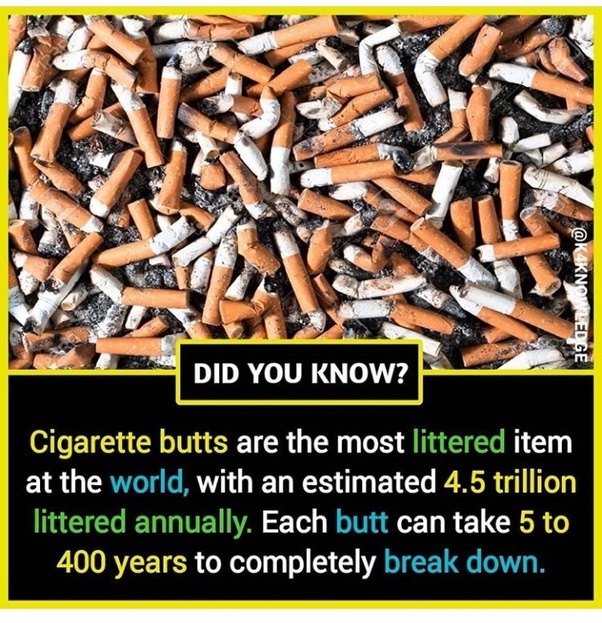
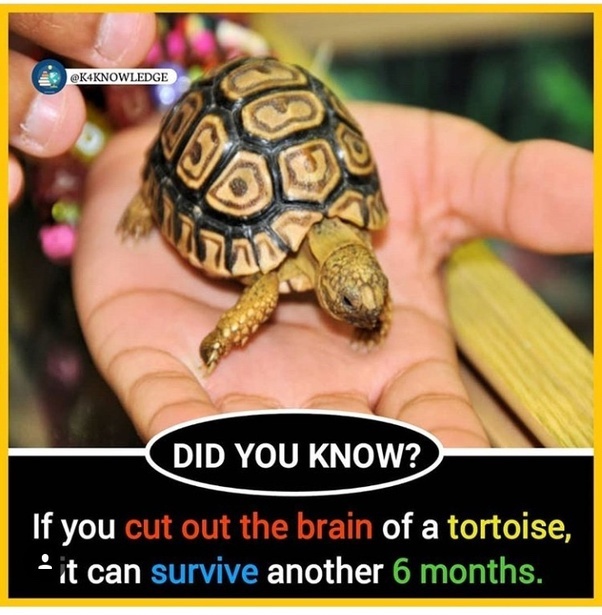
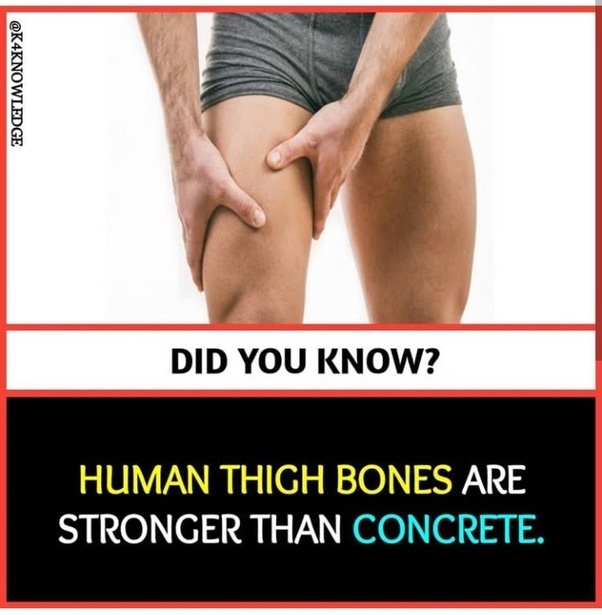





When Dad Takes Care of the Baby
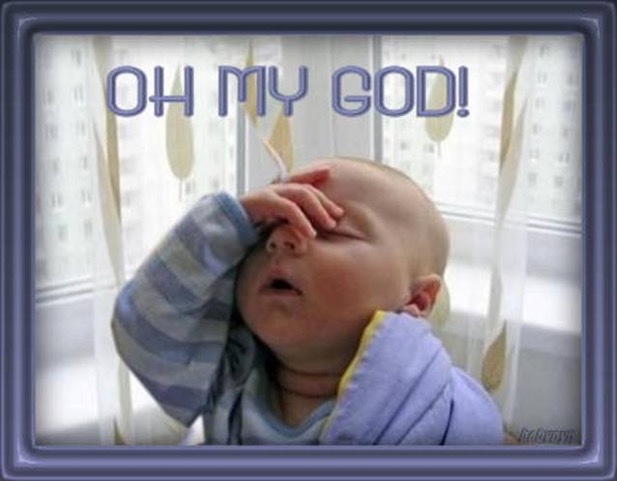
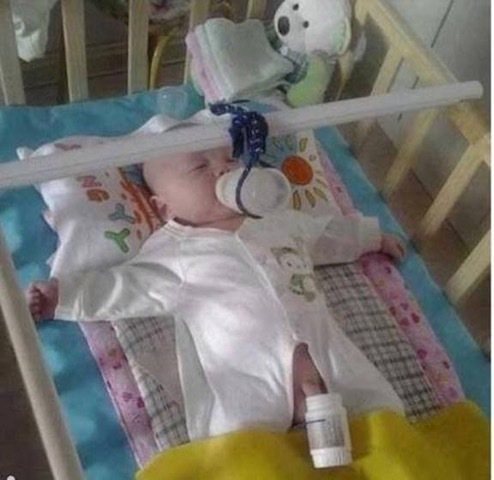

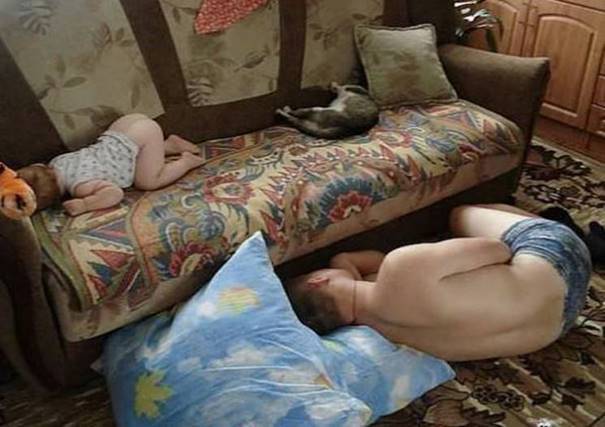
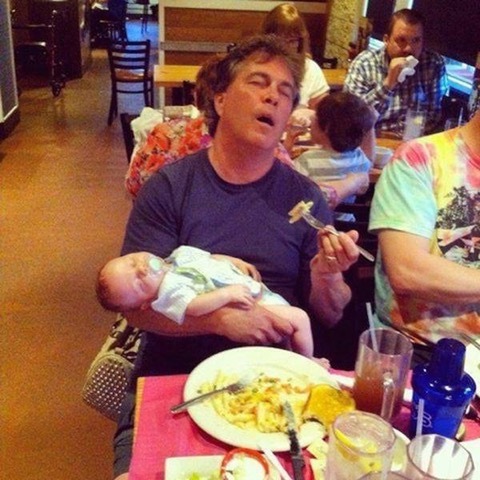
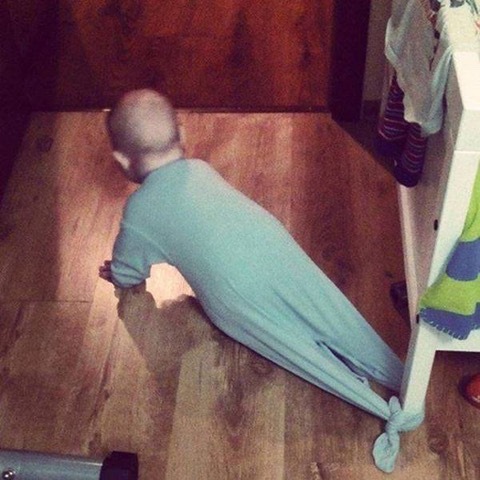
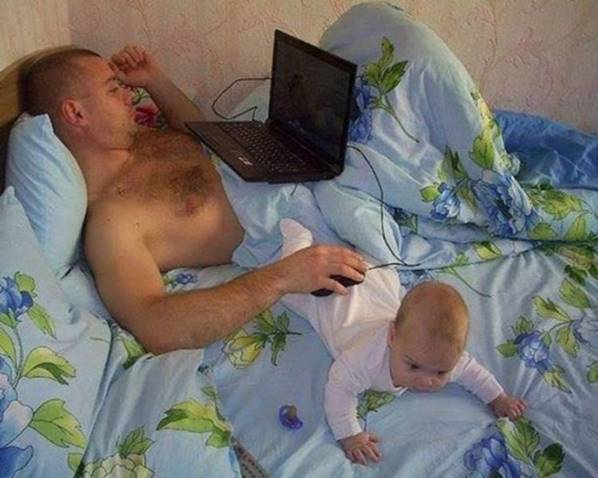
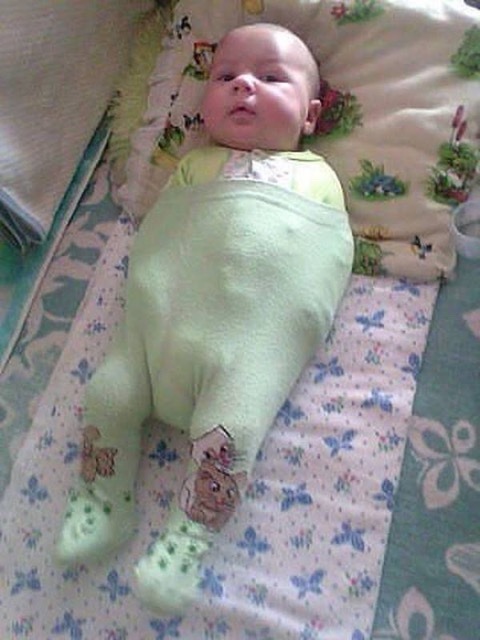
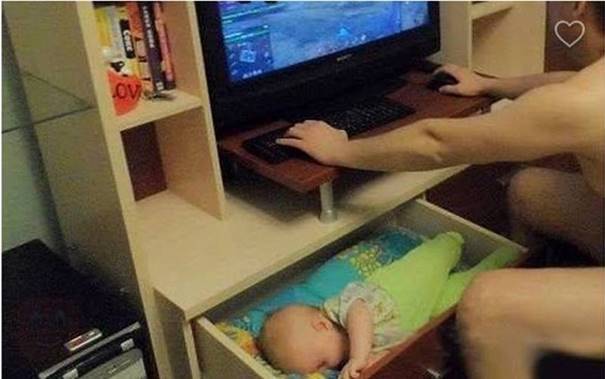
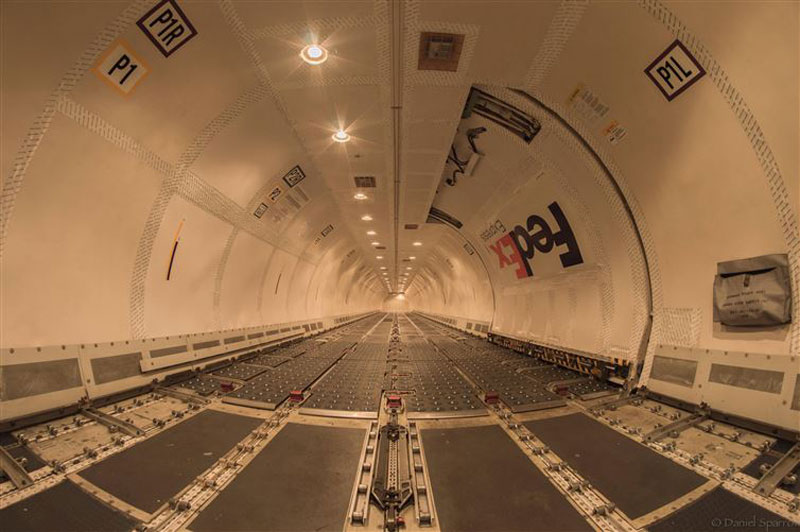
Photo Inside Google’s Data Center Mechanical Room

Inside one of Google’s data center Mechanical Systems.
Related Posts
Last Ride on My Harley
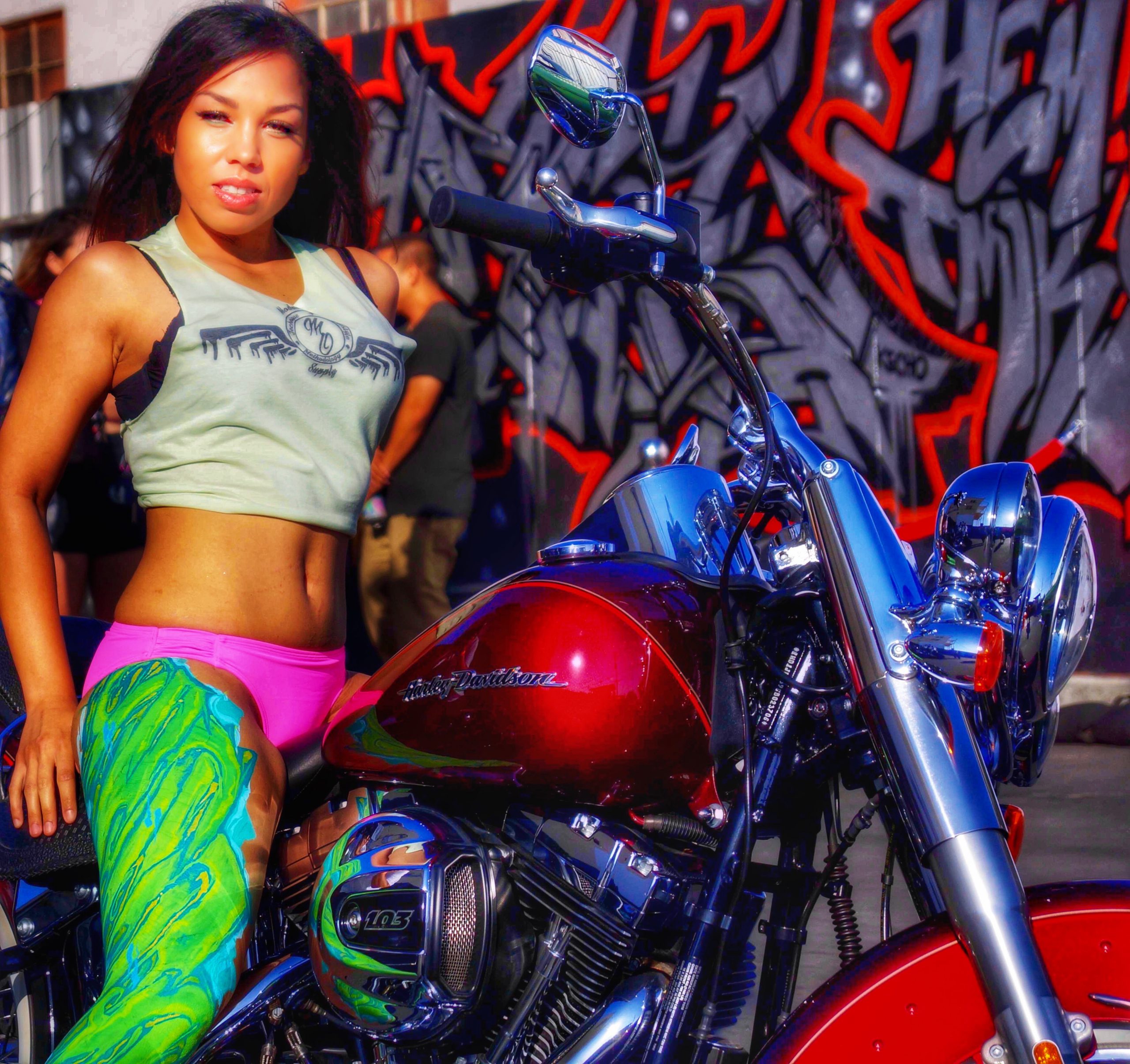
While riding my Harley, I swerved to avoid hitting a deer, lost control and landed in a ditch, severely banging my head.
Dazed and confused I crawled out of the ditch to the edge of the road when a shiny new convertible pulled up with a very beautiful woman who asked, “Are you okay?”
As I looked up, I noticed she was wearing a low cut blouse with cleavage to die for…
“I’m okay I think,” I replied as I pulled myself up to the side of the car to get a closer look.
She said, “Get in and I’ll take you home so I can clean and bandage that nasty scrape on your head.”
“That’s nice of you,” I answered, “but I don’t think my wife will like me doing that!”
“Oh, come now, I’m a nurse,” she insisted. “I need to see if you have any more scrapes and then treat them properly.”
Well, she was really pretty and very persuasive. Being sort of shaken and weak, I agreed, but repeated, “I’m sure my wife won’t like this.”
We arrived at her place which was just few miles away and, after a couple of cold beers and the bandaging, I thanked her and said, “I feel a lot better but I know my wife is going to be really upset so I’d better go now.”
“Don’t be silly!” she said with a smile. “Stay for a while. She won’t know anything. By the way, where is she?”
“Still in the ditch with the Harley, I guess.”
Related Posts
Two of the Greatest Qualities in Life

Bavarian Town Built in 14 Million Year Old Meteor Impact Crater.
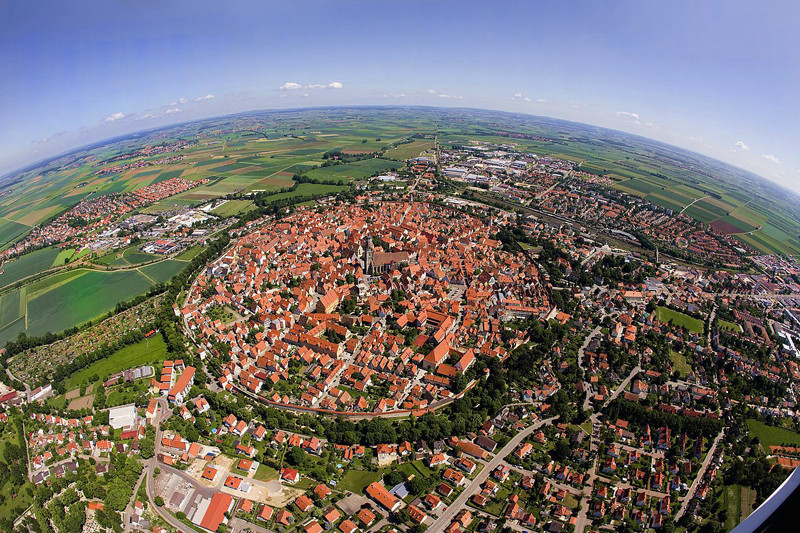
Bavarian town of Noerdlinger built in a 14 million year old meteor impact crater.